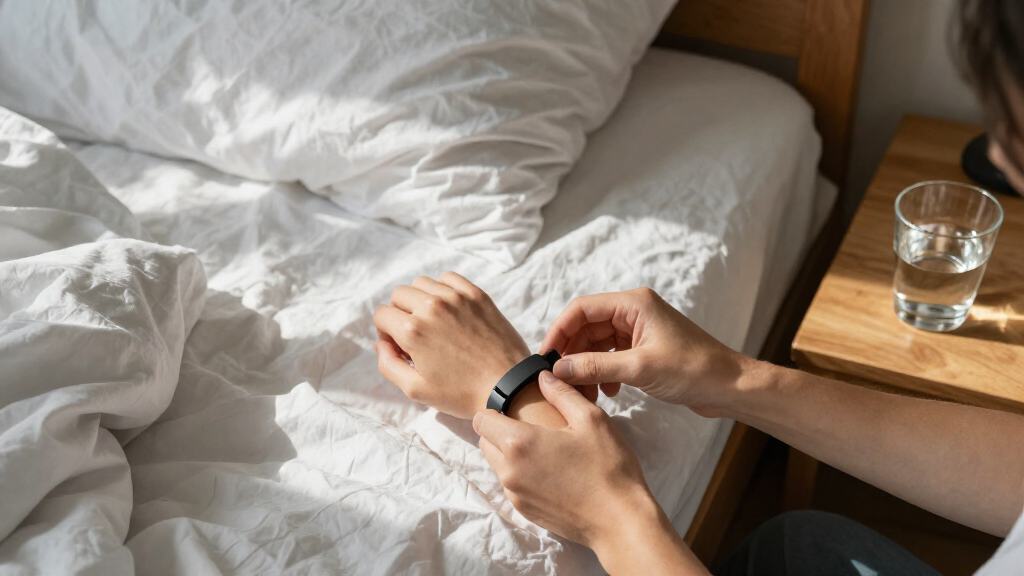

Wearable sleep trackers range from discreet bands and rings to wrist devices with screens, and my best overall pick is the Google Fitbit Inspire 3 for its approachable mix of sleep tracking and everyday usability. The Garmin Index Sleep Monitor stands out for people who want a sleep-focused wearable, while WHOOP 5.0 suits buyers drawn to ongoing health insights and a membership-based system. The main tradeoffs are comfort overnight, how much data you want, device style, and whether an ongoing membership fits your routine. Rings can feel less obtrusive than wristbands, but sizing and finger comfort matter; screenless trackers keep attention down but rely on an app for results. Read on for the full comparison and guidance on choosing a tracker that fits the way you sleep.

Get wellness gear delivered free with Prime
- Fast, free delivery on millions of items
- Prime Video, Amazon Music and more included
- Member-only deals all year
Key Takeaways
- Fitbit Inspire 3 is the strongest all-around choice in this lineup for buyers seeking a familiar wrist tracker with a screen and sleep features, rather than a dedicated screenless band.
- Garmin Index Sleep Monitor stands apart by focusing on overnight wear, making it a more targeted choice than general fitness bands if sleep is the priority.
- WHOOP 5.0 and WHOOP MG pair screenless hardware with memberships, so their ongoing service model is a bigger decision point than choosing between band styles alone.
- Smart rings appear in several listings, including two BIEMHA sizes and a Free Shark ring; sizing and overnight finger comfort matter more than choosing by color or model name.
- Screenless trackers dominate the selection, but the C60 offers an AMOLED display for readers who want on-device information and are willing to wear a more conventional wrist device overnight.
| Google Fitbit Air Special Edition Stephen Curry Screenless Fitness Tracker, Rye | 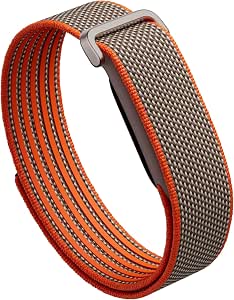 | Best Fitbit Screenless Pick | Display: No display | Battery life: Up to 7 days | Quick charging: Up to 1 day of battery life in 5 minutes | VIEW LATEST PRICE | See Our Full Breakdown |
| Screenless Fitness Tracker with Heart Rate, HRV, SpO2 and Sleep Tracking |  | Best for Long Battery Life | Display: Screenless | Battery life: 20–30 days | Battery capacity: 180 mAh | VIEW LATEST PRICE | See Our Full Breakdown |
| BIEMHA Smart Ring Health Tracker, Rose Gold, Size 8 |  | Best Compact Sleep Tracker | Model: VR11 | Size: 8 | Color: Rose Gold | VIEW LATEST PRICE | See Our Full Breakdown |
| WHOOP 5.0 Screenless Fitness and Health Wearable with 12-Month Peak Membership |  | Best for Sleep and Recovery Coaching | Model: WHOOP 5.0 | Membership: 12-month WHOOP Peak membership | Display: Screenless | VIEW LATEST PRICE | See Our Full Breakdown |
| Google Fitbit Inspire 3 Fitness Tracker with Small and Large Bands – Midnight Zen/Black |  | Best for Beginners | Display: Touchscreen, rectangular | Band sizes: Small and large | Health metrics: Heart rate, sleep duration, stress, blood oxygen, and skin temperature | VIEW LATEST PRICE | See Our Full Breakdown |
| WHOOP MG Screenless Fitness, Health & Sleep Wearable with 12-Month Membership |  | Best for Detailed Sleep and Recovery Insights | Membership: 12-month WHOOP Life membership | Display: Screenless | Battery life: 14+ days | VIEW LATEST PRICE | See Our Full Breakdown |
| Google Fitbit Air Screenless Activity Tracker, Obsidian |  | Best for Flexible Day-to-Night Wear | Display: Screenless | Battery life: Up to 7 days | Quick charging: 5 minutes for up to 1 day of battery life | VIEW LATEST PRICE | See Our Full Breakdown |
| MorePro Screenless Fitness Tracker |  | Best No-Subscription Budget-Style Pick | Design: Screenless, ultra-slim bracelet | Tracking metrics: Heart rate, blood pressure, blood oxygen, HRV, sleep, steps, calories, and distance | Battery life: About 3–5 days with automatic monitoring; about 1–3 days with frequent sports-mode use | VIEW LATEST PRICE | See Our Full Breakdown |
| BIEMHA Smart Ring Health and Fitness Tracker, Rose Gold, Size 10 | | Best Compact Ring Format | Product type: Smart ring | Size and color: Size 10; Rose Gold | Sleep and activity tracking: Sleep, steps, calories, and exercise | VIEW LATEST PRICE | See Our Full Breakdown |
| Garmin Index Sleep Monitor |  | Best Dedicated Overnight Band | Wear location: Upper arm | Size: Small-Medium | Weight: 14.2 g | VIEW LATEST PRICE | See Our Full Breakdown |
| Free Shark Smart Ring with Sleep and Health Tracking, Rose Gold, Size 8 |  | Best Subscription-Free Ring | Product type: Smart ring | Color and size: Rose gold; size 8 | Sleep tracking: Sleep stages | VIEW LATEST PRICE | See Our Full Breakdown |
| Health Smart Bracelet Fitness Tracker with Heart Rate, Blood Oxygen, Sleep Tracking, and 120+ Sport Modes |  | Best for Long Battery Claims and Outdoor Activity | Form: Rectangular bracelet with buckle closure | Sport modes: 120+ | Health metrics: Heart rate, blood pressure, heart rate variability, and blood oxygen | VIEW LATEST PRICE | See Our Full Breakdown |
| C60 Fitness Tracker with 1.10-Inch AMOLED Display, Heart Rate and Sleep Monitoring |  | Best for Beginners Who Want a Display | Model: C60 | Display: 1.10-inch AMOLED touchscreen | Health tracking: Heart rate, sleep, breathing rate, heart rate variability, and female health tracking | VIEW LATEST PRICE | See Our Full Breakdown |
| WHOOP 5.0 Screenless Fitness and Health Wearable with 12-Month WHOOP One Membership |  | Best for Detailed Sleep and Recovery Insights | Model: WHOOP 5.0 | Display: Screenless | Membership: 12-month WHOOP One membership | VIEW LATEST PRICE | See Our Full Breakdown |
| Amazfit Helio Screenless Activity Tracker |  | Best Membership-Free Screenless Band | Form: Screenless activity tracker with nylon band | Battery life: Up to 10 days | Metrics: Heart rate, blood oxygen, stress, sleep duration, step count, and recovery | VIEW LATEST PRICE | See Our Full Breakdown |
| wearable sleep tracker | Battery life | Compatibility | Water resistance | Display |
|---|---|---|---|---|
| Google Fitbit Air Special Edit | Up to 7 days | Android 11.0 or higher; Apple iOS 16.4 or higher | Up to 50 meters | No display |
| Screenless Fitness Tracker wit | 20–30 days | Android 4.4 or higher; iOS 9.0 or higher | IP68 | Screenless |
| BIEMHA Smart Ring Health Track | 2–3 days; over 5 days with the smart charging case | iOS and Android | — | — |
| WHOOP 5.0 Screenless Fitness a | 14+ days | — | — | Screenless |
| Google Fitbit Inspire 3 Fitnes | — | iOS 16.4 or higher; Android 11.0 or higher | 50 meters; IP68 | Touchscreen, rectangular |
| WHOOP MG Screenless Fitness | 14+ days | — | — | Screenless |
| Google Fitbit Air Screenless A | Up to 7 days | Android 11.0 or higher; Apple iOS 16.4 or higher | Up to 50 meters | Screenless |
| MorePro Screenless Fitness Tra | About 3–5 days with automatic monitoring; about 1–3 days with frequent sports-mode use | iOS 13.0 or later; Android 7.0 or later | IP68 | — |
| BIEMHA Smart Ring Health and F | 2–3 days; over 5 days with smart charging case | iOS and Android | Up to 80 meters | — |
| Garmin Index Sleep Monitor | Up to 7 nights | — | — | — |
| Free Shark Smart Ring with Sle | Up to 5 days; over 30 days with the smart charging case | iOS and Android smartphones | Stated waterproof to 80 meters | — |
| Health Smart Bracelet Fitness | 15–30 days of heavy use; 45–60 days standby | iPhone and Android smartphones | IP68 | — |
| C60 Fitness Tracker with 1.10- | Up to 7 days; standby up to 15 days | Android 5.0 or later; iOS 9.0 or later | IP68 | 1.10-inch AMOLED touchscreen |
| WHOOP 5.0 Screenless Fitness a | 14+ days | — | — | Screenless |
| Amazfit Helio Screenless Activ | Up to 10 days | Android 7.0 and above; iOS 15.0 and above | Water resistant to 50 meters | — |
More Details on Our Top Picks
Google Fitbit Air Special Edition Stephen Curry Screenless Fitness Tracker, Rye
The Fitbit Air Special Edition suits sleepers who want continuous overnight wear without a display to light up or distract them. Its micro-adjustable, moisture-wicking band is intended for day-and-night use, and up to seven days of battery life means fewer charging gaps than the BIEMHA ring’s 2–3 days without its case. It also tracks heart rate, sleep, and other health metrics, though GPS depends on a connected phone.
Compared with the Fitbit Inspire 3, this Air has no screen for quick checks; that makes it less convenient during the day but simpler for buyers who prefer a screenless wrist wearable. Its 50-meter water resistance and quick charging help with regular routines. Skip it if you want on-device sleep summaries or prefer not to rely on an app, and note that some coaching features require a separate subscription after the trial.
Pros:- Screenless design and micro-adjustable band are suited to overnight wear.
- Tracks heart rate, sleep, activity, and additional health metrics.
- Battery lasts up to seven days, with quick charging for up to one day of use in five minutes.
- Water-resistant to 50 meters.
Cons:- No display for checking information directly on the tracker.
- GPS requires a connected smartphone.
- Some coaching features require a separate subscription after the trial.
Best for: Fitbit users who want a screenless, adjustable wrist band for sleep and daytime tracking, with week-long battery life.
Not ideal for: Buyers who want to check sleep or activity data on the device, or who need GPS without carrying a connected smartphone.
- Display:No display
- Battery life:Up to 7 days
- Quick charging:Up to 1 day of battery life in 5 minutes
- Water resistance:Up to 50 meters
- Health sensors:Optical heart rate monitor, 3-axis accelerometer, gyroscope, device temperature sensor, red and infrared SpO₂ sensors
- Band fit:One size; fits 130–210 mm
- Weight:49 g
- Compatibility:Android 11.0 or higher; Apple iOS 16.4 or higher
Our verdict“Choose the Fitbit Air if you want a screenless Fitbit band for sleep tracking and can accept app-dependent data and GPS.”
Screenless Fitness Tracker with Heart Rate, HRV, SpO2 and Sleep Tracking
For sleepers who dislike frequent charging, this screenless band claims a 20–30-day battery life, far longer than the Fitbit Air’s up-to-seven-day estimate or the BIEMHA ring’s 2–3 days without its case. Its 25 g weight and nylon/silicone band also make it a light wrist option for overnight use. Sleep-stage tracking is paired with heart rate, HRV, SpO₂, and stress readings in the QwatchPro app.
The tradeoff is a less established-feeling feature set: the listed health measurements are for reference only, not medical readings, and GPS mapping needs a smartphone. More than 170 sports modes and vibration alerts give it broader utility than a sleep-only device, but the app is central to viewing results. I’d pick it over the Fitbit Inspire 3 for long intervals between charges, not for a built-in screen or a familiar Fitbit ecosystem.
Pros:- Listed battery life is 20–30 days, reducing charging interruptions.
- Tracks sleep stages, heart rate, SpO₂, HRV, stress, and activity.
- Light 25 g band with a replaceable 22 mm quick-release strap.
- Includes more than 170 sports modes and customizable vibration alerts.
Cons:- No display, so sleep and wellness data must be viewed in the app.
- Health readings are for reference only and are not medical measurements.
- GPS mapping requires a connected smartphone.
Best for: Sleep-tracking buyers who want a lightweight, screenless band with infrequent charging and app-based sleep and wellness trends.
Not ideal for: People who need medical-grade measurements, direct on-device data, or GPS tracking without a phone.
- Display:Screenless
- Battery life:20–30 days
- Battery capacity:180 mAh
- Charging time:About 2 hours
- Weight:25 g
- Water resistance:IP68
- Health tracking:Sleep, heart rate, SpO₂, HRV, stress, and activity
- Compatibility:Android 4.4 or higher; iOS 9.0 or higher
- App:QwatchPro
Our verdict“Choose this band if extended battery life matters more than a screen, phone-independent GPS, or medical-grade readings.”
BIEMHA Smart Ring Health Tracker, Rose Gold, Size 8
The BIEMHA Smart Ring is the most compact choice here for sleepers who would rather wear a ring than a band on the wrist. It tracks sleep, activity, and heart rate, and its stated waterproof depth of up to 80 meters suits buyers who want to keep it on around water. Unlike the WHOOP 5.0, it does not require an app subscription, which may appeal to buyers seeking a simpler ongoing commitment.
Its main compromise is monitoring cadence: heart rate is measured every 30 minutes, rather than continuously, so it is a weaker fit for people who want frequent overnight heart-rate detail. Battery life is 2–3 days without the smart charging case, and fit depends on choosing the right size; the listing advises measuring finger circumference before ordering. Pick this for a discreet form factor, not for extensive recovery coaching or a wrist display.
Pros:- Compact ring format offers an alternative to wrist-worn trackers during sleep.
- Tracks sleep, daily activity, and heart rate.
- No app subscription is required.
- Battery lasts 2–3 days, or over 5 days with the smart charging case.
Cons:- Heart rate is measured every 30 minutes rather than continuously.
- Battery life without the charging case is limited to 2–3 days.
- Buyers need to check finger measurements and sizing before ordering.
Best for: Buyers who prefer a compact ring over a wrist band and want sleep and basic heart-rate tracking without an app subscription.
Not ideal for: People who need continuous heart-rate monitoring, want on-device data, or are unsure of their ring size.
- Model:VR11
- Size:8
- Color:Rose Gold
- Health tracking:Sleep, activity, and heart rate
- Heart-rate interval:Every 30 minutes
- Battery life:2–3 days; over 5 days with the smart charging case
- Waterproof depth:Up to 80 meters
- Compatibility:iOS and Android
- Subscription:No app subscription required
Our verdict“Choose the BIEMHA ring if you want a discreet, subscription-free sleep tracker and can accept periodic rather than continuous heart-rate readings.”
WHOOP 5.0 Screenless Fitness and Health Wearable with 12-Month Peak Membership
The WHOOP 5.0 stands out for buyers who want sleep tracking tied to recovery guidance, not just a nightly duration estimate. It records REM, deep, and light sleep along with sleep need, debt, consistency, and efficiency, then presents personalized insights in its app. That makes it a more coaching-oriented pick than the Fitbit Air, whose listed strengths are broad tracking, a flexible band, and straightforward battery life.
Its 14+ days of battery life and wrist-based charging with the included PowerPack help avoid removing it for routine charging. The tradeoff is an included 12-month Peak membership, so this is a more committed choice than the subscription-free BIEMHA ring. It has no display, either: the app is where sleep and recovery information lives. I’d choose WHOOP for detailed coaching and skip it if you want a simple tracker without a membership.
Pros:- Tracks sleep stages, sleep need, debt, consistency, and efficiency.
- Combines sleep data with recovery, activity, stress, and personalized coaching.
- Battery life is 14 or more days, with charging available while worn using the included PowerPack.
- Includes a SuperKnit band and supports cycle-related health insights.
Cons:- Includes a 12-month WHOOP Peak membership.
- No display for viewing sleep or recovery data on the wearable.
- The app-centered coaching approach may be more involved than buyers seeking basic sleep tracking need.
Best for: Sleep and training-focused buyers who want recovery, sleep-need, and consistency insights in an app and are comfortable with a 12-month membership.
Not ideal for: Buyers seeking a subscription-free tracker, an on-device display, or only basic sleep-duration tracking.
- Model:WHOOP 5.0
- Membership:12-month WHOOP Peak membership
- Display:Screenless
- Sleep tracking:REM, deep, light, awake time, sleep need, debt, consistency, and efficiency
- Health monitoring:Heart rate, resting heart rate, HRV, respiratory rate, blood oxygen (SpO₂), and skin temperature
- Battery life:14+ days
- Included accessories:SuperKnit band and Waterproof Wireless PowerPack
- PowerPack water resistance:IP68; up to 10 meters for 2 hours
- App integrations:Apple Health, Google Health Connect, Natural Cycles, Withings, Peloton, Strava, and others
Our verdict“Choose WHOOP 5.0 if sleep and recovery coaching justify a 12-month membership and app-first experience.”
Google Fitbit Inspire 3 Fitness Tracker with Small and Large Bands – Midnight Zen/Black
The Fitbit Inspire 3 is the easiest entry point for buyers who want sleep tracking alongside a readable screen and everyday activity tools. It automatically tracks sleep and offers a touchscreen for checking information without opening an app—a clear advantage over the screenless Fitbit Air and WHOOP 5.0. Sleep, heart rate, stress, blood oxygen, and skin temperature tracking give beginners several wellness signals to follow without requiring a ring-sized fit decision.
Its more familiar band format includes small and large silicone options, and the smart wake vibrating alarm may suit people who want a gentler way to start the day. The tradeoffs are phone-dependent GPS and the possibility that some features or content need a Fitbit Premium membership or vary by region. I’d favor it over the BIEMHA ring for at-a-glance access, but not for buyers who want a screenless, less distracting overnight wearable.
Pros:- Automatic sleep tracking is paired with a touchscreen for direct access to information.
- Tracks heart rate, sleep duration, stress, blood oxygen, and skin temperature.
- Includes small and large silicone bands.
- Offers a smart wake vibrating alarm and more than 40 exercise modes.
Cons:- GPS functionality requires a nearby smartphone.
- Some features and content require Fitbit Premium or may be limited by region.
- The screen makes it less suited to buyers who specifically want a screenless sleep wearable.
Best for: New sleep-tracker buyers who want automatic sleep tracking, an on-device screen, and familiar wrist-band fit options.
Not ideal for: People who prefer a screenless wearable for overnight use or want GPS without keeping a smartphone nearby.
- Display:Touchscreen, rectangular
- Band sizes:Small and large
- Health metrics:Heart rate, sleep duration, stress, blood oxygen, and skin temperature
- Sleep features:Automatic sleep tracking and smart wake vibrating alarm
- Exercise modes:40+
- Water resistance:50 meters; IP68
- Compatibility:iOS 16.4 or higher; Android 11.0 or higher
- GPS:Via smartphone
- Included membership:3-month Google Health Premium membership
Our verdict“Choose the Inspire 3 if you are new to sleep tracking and want automatic monitoring plus a screen, rather than a screenless band or ring.”
WHOOP MG Screenless Fitness, Health & Sleep Wearable with 12-Month Membership
The WHOOP MG is the strongest fit here for buyers who want sleep tracking tied to a broader recovery picture, rather than a simple record of sleep duration. It tracks sleep stages, need, debt, consistency, and efficiency, alongside measures such as HRV and respiratory rate, with personalized coaching in the app. Compared with the Garmin Index Sleep Monitor, it covers more daytime health and fitness signals, but Garmin is more narrowly focused on overnight wear and adds a vibrating wake alarm. WHOOP’s screenless design avoids a bright display at night, and its wearable PowerPack lets you charge while wearing it. The tradeoff is a required 12-month membership, and you must check the app for results. Choose it for an ongoing, coached view of sleep and recovery; skip it if you want standalone sleep tracking without a membership.
Pros:- Tracks sleep stages, sleep need, debt, consistency, and efficiency.
- Combines sleep data with HRV, respiratory rate, blood oxygen, and other health metrics.
- Wearable wireless PowerPack allows charging while the device is worn.
- Battery life is listed at 14 days or more.
Cons:- The included device requires a 12-month WHOOP Life membership.
- Screenless design means sleep results and other information must be viewed in the app.
- Its broad health and fitness focus may be more than someone seeking only overnight tracking needs.
Best for: People who want coached sleep and recovery trends connected to fitness and health tracking, and are comfortable with a 12-month membership.
Not ideal for: Buyers who want on-device sleep readouts, a focused sleep-only band, or tracking without a membership commitment.
- Membership:12-month WHOOP Life membership
- Display:Screenless
- Battery life:14+ days
- Sleep tracking:REM, deep, light, and awake time; sleep need, debt, consistency, and efficiency
- Health tracking:Heart rate, resting heart rate, HRV, respiratory rate, blood oxygen, skin temperature, and on-demand ECG
- Included accessories:SuperKnit Luxe band; Waterproof Wireless PowerPack
- PowerPack water resistance:IP68, up to 10 meters for 2 hours
- App integrations:Apple Health, Google Health Connect, Natural Cycles, Withings, Peloton, Strava, and others
Our verdict“Choose WHOOP MG if you want app-based sleep coaching linked to recovery and fitness, and accept its membership requirement.”
Google Fitbit Air Screenless Activity Tracker, Obsidian
The Google Fitbit Air suits people who want one lightweight, screen-free band for daily activity and overnight tracking. Its micro-adjustable loop is designed for continuous wear, while heart rate, movement, skin temperature variation, and blood oxygen provide more context than sleep duration alone. Compared with the Garmin Index Sleep Monitor, the Fitbit Air is not limited to a dedicated upper-arm sleep band; it is positioned for workouts and daytime wear too. Garmin, however, is the more sleep-specific choice and includes a vibrating smart wake alarm. Fitbit’s five-minute quick charge can add up to a day of use, which helps when you forget to charge between nights. The tradeoffs are a seven-day maximum battery life, phone-dependent GPS, and coaching features that require a separate premium membership. It makes sense for all-day wear, not for buyers seeking a sleep-first device with wake features.
Pros:- Lightweight, screenless design is intended for continuous day and night wear.
- Micro-adjustable band supports a more tailored fit.
- Tracks heart rate, movement, skin temperature variation, and blood oxygen.
- Five minutes of charging provides up to a day of battery life.
Cons:- GPS requires a connected smartphone.
- Personalized coaching features require a separately sold premium membership.
- Battery life is up to seven days, shorter than the WHOOP MG’s listed 14+ days.
Best for: People who want a discreet tracker for sleep, workouts, and daily activity, with a fit they can adjust for extended wear.
Not ideal for: Sleep-focused buyers who want a smart wake alarm, built-in GPS, or personalized coaching without a separate membership.
- Display:Screenless
- Battery life:Up to 7 days
- Quick charging:5 minutes for up to 1 day of battery life
- Band and fit:Google Performance Loop Band; one size, 130–210 mm
- Sensors:3-axis accelerometer, gyroscope, skin temperature sensor, optical heart rate monitor, red and infrared SpO₂ sensors
- Water resistance:Up to 50 meters
- GPS:Via smartphone
- Compatibility:Android 11.0 or higher; Apple iOS 16.4 or higher
Our verdict“Pick the Fitbit Air if you want a flexible screenless band for sleep and daytime activity, rather than a dedicated sleep monitor.”
MorePro Screenless Fitness Tracker
The MorePro Screenless Fitness Tracker stands out for buyers who want sleep and wellness tracking without paying for core app access through a subscription. Along with sleep, it records heart rate, HRV, blood oxygen, steps, and other activity measures, and Guest Mode offers an account-free way to use the app. Compared with the Google Fitbit Air, MorePro includes small and large bands and does not list a separate premium membership for its core features; Fitbit offers a longer stated battery life and quick charging. MorePro’s compact, screen-free form can be unobtrusive overnight, but battery life is only about 3–5 days with automatic monitoring and can drop to 1–3 days with frequent sports-mode use. Its blood pressure readings and other health metrics are for general wellness, not diagnosis. This is a practical pick for subscription-averse shoppers, not for anyone expecting clinical measurements or long intervals between charges.
Pros:- Core app tracking does not require a subscription, and Guest Mode is available.
- Tracks sleep alongside heart rate, HRV, blood oxygen, and activity.
- Includes small and large adjustable bands.
- IP68 water resistance supports everyday wear.
Cons:- Battery life can fall to about 1–3 days with frequent sports-mode use.
- Measurements are for general wellness and fitness reference, not medical diagnosis or treatment.
- Not compatible with PCs or tablets.
Best for: Subscription-averse buyers who want basic sleep and wellness tracking, adjustable band sizes, and an account-free app option.
Not ideal for: People who need medical-grade measurements, frequent sports-mode tracking with longer battery life, or app access on a computer or tablet.
- Design:Screenless, ultra-slim bracelet
- Tracking metrics:Heart rate, blood pressure, blood oxygen, HRV, sleep, steps, calories, and distance
- Battery life:About 3–5 days with automatic monitoring; about 1–3 days with frequent sports-mode use
- Water resistance:IP68
- Wrist fit:6.22–9.45 inches
- Included bands:S and L adjustable bands
- Connectivity:Bluetooth 5.0
- Compatibility:iOS 13.0 or later; Android 7.0 or later
- App access:Core tracking without a subscription; Guest Mode available
Our verdict“Choose MorePro if avoiding a subscription matters more than longer battery life or medically reliable readings.”
BIEMHA Smart Ring Health and Fitness Tracker, Rose Gold, Size 10
The BIEMHA Smart Ring is the compact alternative for sleepers who would rather wear a ring than a wristband. It tracks sleep and activity through a phone app, needs no subscription, and is rated for water resistance up to 80 meters. Compared with the screenless MorePro tracker, the ring has a less conspicuous form and a charging case that can extend total use beyond five days; MorePro provides more frequent monitoring options and adjustable wristbands. BIEMHA’s key compromise is its heart-rate interval: measurements are taken every 30 minutes, not continuously, so it is a weaker fit for buyers who want detailed overnight heart-rate trends. Battery life is also just two to three days without the case. Fit needs attention before ordering: this listing is Size 10, and finger sizing affects whether it can be worn comfortably through the night.
Pros:- Ring form is a compact alternative to wrist-worn sleep trackers.
- No subscription is required for app use.
- Smart charging case can extend battery life to over five days.
- Water resistance is rated to 80 meters.
Cons:- Heart rate is measured every 30 minutes rather than continuously.
- Battery life is 2–3 days without the smart charging case.
- Buyers need to measure carefully because this listing is a fixed Size 10.
Best for: Buyers who prefer a compact, display-free ring for sleep and everyday activity and want to avoid an app subscription.
Not ideal for: People who want continuous heart-rate data, built-in GPS, or a fit that can be adjusted like a wristband.
- Product type:Smart ring
- Size and color:Size 10; Rose Gold
- Sleep and activity tracking:Sleep, steps, calories, and exercise
- Health metrics:Heart rate, sleep duration, and blood pressure
- Heart-rate measurement:Every 30 minutes
- Battery life:2–3 days; over 5 days with smart charging case
- Water resistance:Up to 80 meters
- Compatibility:iOS and Android
- Subscription:None required
Our verdict“Choose the BIEMHA ring if a compact form matters more than continuous heart-rate monitoring or adjustable sizing.”
Garmin Index Sleep Monitor
The Garmin Index Sleep Monitor is the most sleep-focused option in this group: a lightweight upper-arm band built for overnight tracking rather than a screenless bracelet that also serves as a daytime fitness device. It estimates sleep score, stages, HRV, and rest duration, then syncs the information to Garmin Connect. A vibrating smart wake alarm gives it a practical sleep-specific feature the Google Fitbit Air does not list. Garmin’s up-to-seven-night battery life also exceeds the BIEMHA ring’s two to three days without its charging case. The tradeoff is that the metrics are estimates, and this product is not a broad activity tracker. It may suit people already using Garmin Connect who prefer an upper-arm band at night; buyers seeking all-day wear or detailed coaching should compare it with WHOOP MG instead.
Pros:- Lightweight, breathable upper-arm band is designed for overnight wear.
- Tracks estimated sleep stages, sleep score, HRV, and rest duration.
- Includes a vibrating smart wake alarm.
- Battery lasts up to seven nights.
Cons:- Sleep metrics are estimates, not exact measurements.
- Its dedicated sleep-monitor design does not match the broader daily tracking of WHOOP MG or Fitbit Air.
- Pulse Ox availability varies by country and is not intended for medical diagnosis or monitoring.
Best for: Garmin Connect users who want a lightweight upper-arm sleep band with sleep stages, HRV, and a vibrating wake alarm.
Not ideal for: Buyers who want a single all-day fitness wearable, exact sleep measurements, or a wrist or ring form factor.
- Wear location:Upper arm
- Size:Small-Medium
- Weight:14.2 g
- Battery life:Up to 7 nights
- Sensors:Optical, Pulse Ox
- Sleep metrics:Sleep score, sleep stages, HRV, and rest duration
- Connectivity:Garmin Connect app
- Included components:Index Sleep Monitor, charging/data cable, and documentation
- Warranty:1-year limited warranty
Our verdict“Choose Garmin Index Sleep Monitor if you want a dedicated overnight band and Garmin Connect syncing rather than an all-day tracker.”
Free Shark Smart Ring with Sleep and Health Tracking, Rose Gold, Size 8
I’d choose the Free Shark Smart Ring for sleep tracking if I want a small, screen-free wearable and don’t want app access tied to a subscription. It records sleep stages, heart rate, and blood oxygen, while also covering everyday activity metrics. Compared with the wrist-worn C60 Fitness Tracker, this ring has no display to check notifications or workout data on, but its compact form may suit people who prefer not to sleep in a bracelet. The stated battery life is up to five days, extending beyond 30 days with the charging case, though that longer figure depends on using the case. Fit is a bigger purchase consideration than with an adjustable strap: the product recommends measuring finger circumference before choosing size 8. GPS also depends on a connected smartphone rather than being built into the ring.
Pros:- Tracks sleep stages alongside heart rate and blood oxygen.
- Compatible with iOS and Android smartphones.
- Charging case is stated to extend use beyond 30 days.
- App access is available without a subscription fee.
Cons:- Sizing depends on measuring finger circumference and checking the size chart.
- GPS functionality relies on a smartphone rather than a built-in receiver.
Best for: Sleep-focused buyers who prefer a discreet ring, use an iPhone or Android phone, and want app access without a subscription.
Not ideal for: Anyone unsure of their ring size or seeking built-in GPS and on-device workout or notification displays.
- Product type:Smart ring
- Color and size:Rose gold; size 8
- Sleep tracking:Sleep stages
- Other metrics:Heart rate, blood oxygen, steps, activity, speed, calories, distance, and exercise time
- Compatibility:iOS and Android smartphones
- Water resistance:Stated waterproof to 80 meters
- Battery life:Up to 5 days; over 30 days with the smart charging case
- Subscription:No subscription fee
Our verdict“Choose this ring for discreet, subscription-free sleep and health tracking, provided you can confirm the size fits.”
Health Smart Bracelet Fitness Tracker with Heart Rate, Blood Oxygen, Sleep Tracking, and 120+ Sport Modes
This bracelet is the most activity-oriented option here for buyers who want sleep records alongside a broad set of workout tools. Its built-in GPS can track walking, running, and cycling without depending on a phone for location, unlike the C60 Fitness Tracker, which uses smartphone-connected GPS. The tracker also lists sleep, heart rate, blood oxygen, and heart rate variability, plus more than 120 sport modes and Bluetooth call and message alerts. I’d treat the long battery figures as a claimed range rather than a guarantee: the listing gives 15–30 days under heavy use and a much longer standby estimate, and actual use can vary. Blood pressure is among its listed metrics, but the product data gives no accuracy details, so I wouldn’t use that reading to guide health decisions.
Pros:- Built-in GPS supports outdoor walking, running, and cycling tracking.
- Lists more than 120 sport modes alongside sleep tracking.
- Tracks heart rate, heart rate variability, and blood oxygen.
- Includes Bluetooth call and message alerts.
Cons:- Battery-life claims vary by use and include a broad range.
- No accuracy details are provided for blood pressure or other health measurements.
Best for: Buyers who want sleep tracking in a GPS-equipped activity bracelet, switch among many sports, and prefer fewer charging sessions.
Not ideal for: Sleep-only shoppers who want a simple wearable, or anyone relying on tracker blood-pressure readings as a clinical measurement.
- Form:Rectangular bracelet with buckle closure
- Sport modes:120+
- Health metrics:Heart rate, blood pressure, heart rate variability, and blood oxygen
- Sleep tracking:Available through the tracker and companion app
- GPS:Built-in; walking, running, and cycling tracking modes
- Water resistance:IP68
- Battery life:15–30 days of heavy use; 45–60 days standby
- Compatibility:iPhone and Android smartphones
Our verdict“Pick this bracelet if GPS and varied workouts matter as much as sleep tracking, but treat its health readings as general tracker data.”
C60 Fitness Tracker with 1.10-Inch AMOLED Display, Heart Rate and Sleep Monitoring
The C60 is a straightforward choice for someone who wants sleep tracking but also wants to see information on their wrist. Its 1.10-inch AMOLED touchscreen gives it a more watch-like feel than the screenless WHOOP 5.0 or Amazfit Helio, while the 25 sports modes and notifications add daytime utility. For sleep, it lists heart rate, breathing rate, and heart rate variability alongside sleep monitoring, with hydration reminders and weather updates rounding out its everyday tools. The tradeoff is that GPS requires a connected smartphone; unlike the Health Smart Bracelet, it has no built-in GPS. Battery life is listed at up to seven days, shorter than the multi-week claim for that bracelet, but the C60’s simpler feature set may be easier to approach for a first wearable tracker. Its measurements are for reference, not medical guidance.
Pros:- AMOLED touchscreen makes basic information and notifications visible on the wrist.
- Tracks sleep, heart rate, breathing rate, and heart rate variability.
- Includes 25 sports modes and smartphone notifications.
- IP68 water resistance and up to seven days of stated battery life.
Cons:- GPS depends on a connected smartphone.
- Up to seven days of battery life is shorter than the Health Smart Bracelet’s stated range.
- Health and sleep measurements are for reference and do not replace medical advice.
Best for: First-time wearable buyers who want visible notifications, sleep and heart-rate tracking, and basic workout modes in one wristband.
Not ideal for: Runners who want phone-free GPS or buyers prioritizing long stretches between charges.
- Model:C60
- Display:1.10-inch AMOLED touchscreen
- Health tracking:Heart rate, sleep, breathing rate, heart rate variability, and female health tracking
- Sports modes:25
- GPS:Via smartphone
- Water resistance:IP68
- Battery life:Up to 7 days; standby up to 15 days
- Compatibility:Android 5.0 or later; iOS 9.0 or later
Our verdict“Choose the C60 if you want an approachable sleep tracker with a screen, and skip it if phone-free GPS or extended battery life is the priority.”
WHOOP 5.0 Screenless Fitness and Health Wearable with 12-Month WHOOP One Membership
Among these picks, the WHOOP 5.0 puts the most emphasis on interpreting sleep as part of a wider recovery routine. It tracks REM, deep, and light sleep, then adds sleep need, debt, consistency, and efficiency—more context than the Free Shark ring’s listed sleep-stage tracking. Its screenless design and stated 14+ day battery life suit continuous day-and-night wear, while app coaching connects sleep patterns with strain and recovery. That approach is less suited to someone who wants a display or a simple tracker with no ongoing membership: this package includes a 12-month WHOOP One membership, and the supplied Basic Charger is corded. The Amazfit Helio also offers screenless sleep and recovery tracking without a subscription requirement, so it may appeal more to buyers who want to avoid membership dependence, though it lists fewer sleep details here.
Pros:- Tracks REM, deep, and light sleep plus sleep need, debt, consistency, and efficiency.
- Connects sleep data with strain, recovery, and AI coaching in the app.
- Screenless design supports continuous day-and-night wear.
- Stated battery life is 14 days or more.
Cons:- The included WHOOP One membership lasts 12 months.
- The included Basic Charger is corded; wireless charging requires an optional PowerPack.
Best for: Data-minded sleepers who want sleep stages, sleep need and consistency insights tied to recovery, and are comfortable using an app and membership.
Not ideal for: Buyers who want a wrist display, dislike membership-based app access, or prefer wireless charging without buying an optional accessory.
- Model:WHOOP 5.0
- Display:Screenless
- Membership:12-month WHOOP One membership
- Sleep tracking:REM, deep and light sleep; awake time; sleep need, debt, consistency, and efficiency
- Other metrics:Heart rate, HRV, respiratory rate, VO2 Max, resting heart rate, steps, calories, strain, and recovery
- Battery life:14+ days
- Included accessories:CoreKnit performance band and Basic Charger
- App features:AI coaching and tracking for 160+ daily behaviors
Our verdict“Choose WHOOP 5.0 for app-led sleep and recovery analysis, but only if the membership model and screenless format suit you.”
Amazfit Helio Screenless Activity Tracker
The Amazfit Helio is a good fit for buyers who want a screenless band for sleep and training data but would rather avoid the WHOOP 5.0’s membership-based setup. It records sleep, heart rate, blood oxygen, stress, and recovery through the Zepp App, with no subscription required. Its nylon band and stated up to 10-day battery life make it a practical alternative to a ring such as the Free Shark if a wrist-worn form is more appealing. The sports profile is unusually focused: 27 modes include strength-training and HYROX features, which make more sense for structured training than for someone seeking only sleep summaries. It has no GPS, however, and requires a compatible phone to use the app. Compared with WHOOP, it lists fewer sleep-specific details and no AI coaching in the supplied product information.
Pros:- Sleep and recovery tracking is available without a subscription.
- Up to 10 days of stated battery life.
- Includes 27 sports modes, with strength-training and HYROX features.
- Water resistant to 50 meters.
Cons:- No GPS functionality.
- Requires a compatible Android or iOS device to use the Zepp App.
- Product data lists sleep duration but does not specify sleep-stage tracking.
Best for: Amazfit users and training-focused buyers who want screenless sleep and recovery tracking without a subscription.
Not ideal for: People who need GPS on the wearable itself, want detailed sleep-stage reporting, or do not use a compatible smartphone.
- Form:Screenless activity tracker with nylon band
- Battery life:Up to 10 days
- Metrics:Heart rate, blood oxygen, stress, sleep duration, step count, and recovery
- Sports modes:27, including strength-training and HYROX features
- GPS:No GPS functionality
- Water resistance:Water resistant to 50 meters
- Compatibility:Android 7.0 and above; iOS 15.0 and above
- Subscription:No subscription required
Our verdict“Choose the Helio for subscription-free, screenless sleep and training tracking, but look elsewhere if GPS or detailed sleep stages are essential.”
How We Picked
I ranked these wearable sleep trackers by how well their form, controls, and stated sleep features suit regular overnight use—not by how many features appear on a product page. I weighed comfort-related design cues, including screenless bands, wrist displays, and rings; the usefulness of the stated health and sleep tracking; and how much the product asks from the wearer through charging, sizing, or an ongoing membership. I also treated product identity and model variants carefully: the Fitbit Air Stephen Curry Special Edition and standard Fitbit Air are separate listings, as are WHOOP membership bundles and the two BIEMHA ring sizes.
The ranking favors options that appear to balance sleep use with practical day-to-day wear, then gives distinct places to products serving more specific priorities. That puts the Fitbit Inspire 3 first as a familiar, versatile wrist-based option, with the Garmin Index Sleep Monitor highlighted for sleep-first use and WHOOP models for people comfortable with a screenless, membership-led approach. Smart rings and less-documented generic trackers remain useful alternatives, but buyers may need to verify fit, app details, and exact capabilities before choosing them. I do not treat a listed sensor or sport mode as proof of clinical accuracy.
Factors to Consider When Choosing Wearable Sleep Trackers
Choosing among these devices is less about collecting the most measurements and more about finding a wearable you will keep on overnight. I recommend weighing fit, the amount of information you want, the service model, and how clearly the product’s capabilities are described before narrowing your shortlist.
Prioritize Overnight Comfort Over Daytime Style
A tracker can only support a consistent sleep record if you can tolerate wearing it through the night. Consider whether a wristband, ring, or dedicated sleep monitor is least distracting for your sleeping position and habits. Rings avoid a watch face on the wrist, but tightness, finger swelling, and hand sensitivity can make them uncomfortable. A screenless band removes the glow and temptation to check the time, while a display may feel more useful during the day. If possible, check the return and sizing process before committing to a ring. Do not assume the smallest-looking device will be the most comfortable for your body.
Decide How Much Sleep Data You Will Actually Use
Some buyers want a simple record of sleep and activity; others prefer broader health metrics such as heart rate or blood oxygen. More measurements do not automatically make a tracker more useful, and consumer wearables should not replace medical evaluation. Ask whether the app explains its sleep information in a way you can act on, rather than simply presenting extra numbers. A device with many sport modes may suit an active routine but add little to a sleep-focused purchase. Look for clarity about what is measured, how results are displayed, and which features require an account or membership. Choose the smallest set of insights that will help you make decisions.
Check the Membership and App Model Before Buying
A wearable’s value depends partly on what remains available after setup, and membership bundles can change the long-term experience. Compare what the device provides on its own with the information or coaching tied to an app plan. WHOOP listings in this roundup include different membership names, so check the exact bundle rather than assuming all versions offer the same service. Also review phone compatibility, account requirements, data export options, and whether app access depends on a continuing subscription. A low-friction device may be a poor match if its app feels burdensome to you. Treat recurring service commitments as part of the product choice, not an afterthought.
Match the Form Factor to Your Sleep Habits
Wrist trackers are familiar and can serve as daytime activity devices, but their bulk or screen may bother people who sleep on their side. A ring can keep the wrist free, yet finger fit can change with temperature, activity, or swelling. Screenless bands reduce visual distractions and keep the device simple, though they often require checking a phone for feedback. A dedicated sleep monitor may suit someone who does not want a general-purpose smartwatch, but it may be less versatile outside the bedroom. Think about your usual sleeping position, whether you wear jewelry, and whether you want one device for day and night. The best form is the one you can wear consistently without changing your sleep routine.
Separate Feature Claims From Practical Sleep Use
Product listings can emphasize sensor names, sport modes, or health metrics without making it clear how those details improve overnight tracking. Check that the exact model and size you select match the listing, especially when the roundup includes near-identical names or multiple ring sizes. Look for clear information on battery and charging routines, since frequent charging can interrupt overnight wear. App screenshots or setup details can help reveal whether data is easy to find, though they cannot prove measurement accuracy. Avoid choosing a device solely because it lists more sensors or modes than a simpler alternative. For sleep tracking, consistent wear and understandable feedback matter more than a crowded specification list.
Frequently Asked Questions
Is a screenless tracker or a watch-style tracker better for sleep?
Neither style is automatically better; the right choice depends on comfort and how you want to use the device during the day. Screenless bands such as the Fitbit Air and WHOOP options avoid a bright display and keep information in the app, while the Fitbit Inspire 3 and C60 offer a wrist display for quick daytime checks. If you wake easily or dislike wearing a watch to bed, a screenless design may be easier to tolerate. If you want one device for overnight tracking and visible daytime functions, a display can be more convenient. Prioritize the form you are most likely to wear consistently.
Should I choose a smart ring instead of a wrist tracker?
A ring is worth considering if you want to keep your wrist free or find wrist devices distracting at night. Its success depends heavily on getting a comfortable, accurate fit, so sizing and the maker’s exchange process matter before purchase. Wrist trackers are generally easier to adjust and may be more versatile for daytime activity, especially when they include a screen. The BIEMHA listings in this roundup come in different sizes, and the Free Shark listing is also a ring, so compare fit details rather than treating ring models as interchangeable. If you are unsure about finger comfort, a band is the less size-sensitive starting point.
Are WHOOP membership bundles a good choice if I only want sleep tracking?
They may suit you if you want sleep information as part of a wider health and fitness service and are comfortable with a membership-based setup. If your main goal is simply to record sleep, a tracker without an ongoing service commitment may be a better fit. The WHOOP 5.0 and WHOOP MG listings have different membership bundles, so check which plan comes with the exact product and what remains available afterward. Compare the app experience and membership terms with the device’s screenless design before deciding. Do not choose a bundle just for the hardware if you do not plan to use its broader service.
Can a wearable sleep tracker diagnose sleep problems?
No consumer tracker in this roundup should be treated as a diagnostic device. Wearables can offer patterns or estimates that help you notice changes, but their measurements and sleep-stage labels are not a substitute for clinical testing. If you have persistent insomnia, breathing concerns, severe daytime sleepiness, or another health worry, discuss it with a qualified clinician. A tracker may help you keep a personal record to share, but it cannot determine the cause of symptoms. Use its data as context rather than a medical conclusion.
What should I verify before buying a less familiar tracker?
Check the exact model name, compatible phone platforms, app requirements, battery and charging details, and how sleep data is presented. For rings, confirm sizing guidance and the return process; for screenless bands, see whether the app is required for all feedback. Listings in this roundup include several generic or similarly named devices, so do not assume that a sensor label or sport-mode count guarantees a particular sleep feature. Look for a clear privacy policy and information about account or membership requirements. If key details are missing, choose a better-documented alternative rather than guessing.
Conclusion
For most buyers, I recommend the Google Fitbit Inspire 3 as the best overall because it offers a familiar wrist-based format with both overnight tracking and a visible display. The best value direction is a straightforward screenless or wrist tracker that provides the sleep features you need without a service commitment; compare the standard Fitbit Air and MorePro listings carefully for exact app and feature details before choosing. For a premium, membership-led experience, consider WHOOP 5.0 or WHOOP MG only if their broader health service matches your habits. The best choice for beginners is the Inspire 3, while the Garmin Index Sleep Monitor makes more sense for buyers who want a sleep-first wearable. For shoppers who want to avoid a wrist device, the BIEMHA or Free Shark rings offer a different form factor—but fit should decide between them, not appearance alone.