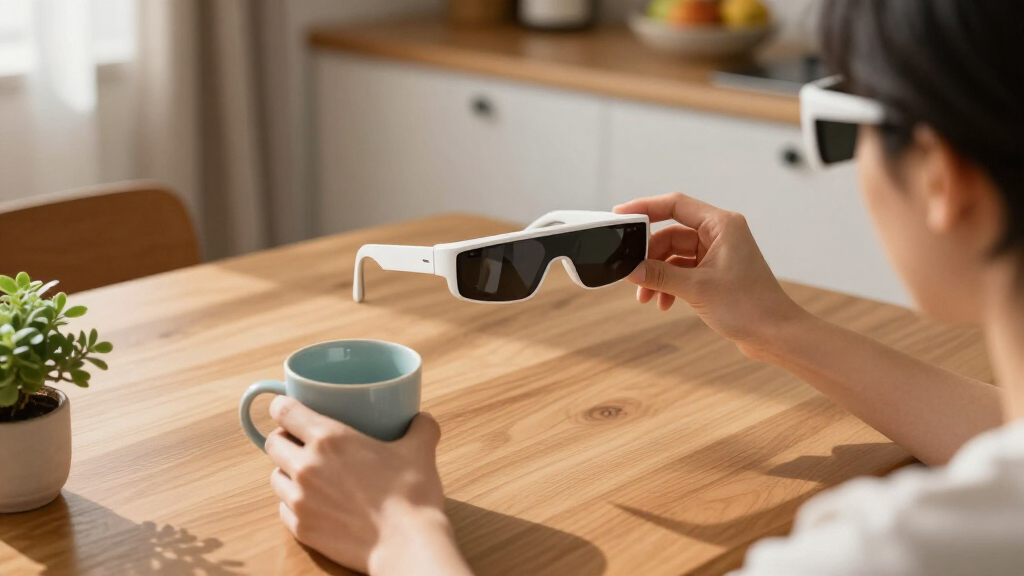
Smart light therapy glasses promise a portable alternative to bulky light therapy lamps, delivering bright light through the eyes to regulate sleep, energy, and mood. After comparing nine leading models, the Luminette 3 stands out as my best overall pick thanks to its medical-device pedigree, adjustable intensity, and a light-diffusion design that avoids glare even at maximum output. The AYO brings the smartest app experience with circadian programs that adapt to your schedule, while the PEGASI II offers a compact, budget-friendly entry point for first-timers. The main tradeoff you will face in this category is between clinical-grade light output (Luminette, Retimer) and app-driven convenience (AYO, PEGASI), plus whether you want a full-frame design or a slim visor that fits over regular glasses. Keep reading for the full breakdown of each model.

Get wellness gear delivered free — and shop member deals
- Fast, free delivery on millions of items
- Access to Prime Big Deal Days deals on October 6–7
- Prime Video, Amazon Music and more included
Key Takeaways
- Luminette 3 earned the top spot because it is the only model in this lineup developed and validated as a certified medical device, with independently published research behind its 1,000-lux-to-500-lux retinal output claims.
- AYO and PEGASI II tie on app quality, but AYO’s automated circadian programs justify its premium positioning, whereas PEGASI II makes more sense for buyers who want simple one-button operation at a lower cost.
- The three Luminette 3 entries (standard and Pink) are functionally identical — the choice between them is purely cosmetic, so I ranked them together and recommend picking whichever color suits you rather than paying attention to listings that suggest differences.
- The generic ‘Portable UV-Free Light Therapy Glasses’ and the MEINNO models lag behind on light uniformity and battery transparency — a recurring pattern with unbranded wearables in this category.
- Retimer 3 sits in an awkward middle: stronger science than the budget models but heavier on the face than Luminette, making it best for buyers who specifically want a green-light wavelength approach.
| Luminette 3 Wearable Light Therapy Glasses |  | Best Overall | Light intensities: 500, 1,000, 1,500 lux | Light type: Blue-enriched white LED | Weight: 1.86 oz | VIEW LATEST PRICE | See Our Full Breakdown |
| MEINNO Portable Light Therapy Glasses |  | Best Value | Light modes: Blue and white | Blue light wavelength: 480 nm | Equivalent light therapy: 10,000 lux lamp | VIEW LATEST PRICE | See Our Full Breakdown |
| PEGASI II Smart Light Therapy Glasses |  | Best for Sleep Schedules | Light wavelength: Blue-green | Recommended use: 30 minutes daily, 7–9 a.m. | Weight: 1.7 oz | VIEW LATEST PRICE | See Our Full Breakdown |
| Luminette 3 Wearable Light Therapy Glasses, Pink |  | Best Premium Style Pick | Light intensities: 500, 1,000, 1,500 lux | Light type: Blue-enriched white LED | Weight: 1.86 oz | VIEW LATEST PRICE | See Our Full Breakdown |
| Luminette 3 Wearable Light Therapy Glasses |  | Best for Travel | Light intensities: 500, 1,000, 1,500 lux | Light type: Blue-enriched white LED | Weight: 0.42 oz | VIEW LATEST PRICE | See Our Full Breakdown |
| MEINNO Wearable Light Therapy Glasses |  | Best for Everyday Multitaskers | Weight: 2.29 oz | Light modes: Blue (480 nm) and white | Timer settings: 15, 30, or 45 minutes | VIEW LATEST PRICE | See Our Full Breakdown |
| Retimer 3 Wearable Light Therapy Glasses |  | Best Smart Tracking Pick | Light wavelength: 500 nm blue-green | Weight: 36 grams | Brightness levels: 2 (Low and Regular) | VIEW LATEST PRICE | See Our Full Breakdown |
| Portable UV-Free Light Therapy Glasses with Blue and White Light |  | Best Value Pick | Weight: 1.9 oz | Light modes: Blue (480 nm) and white | Blue light wavelength: 480 nm | VIEW LATEST PRICE | See Our Full Breakdown |
| AYO Blue Light Therapy Glasses |  | Best for Jet Lag and Travel | Product type: Wearable light therapy glasses | Light type: Blue-turquoise and red light | Weight: 1.1 oz | VIEW LATEST PRICE | See Our Full Breakdown |
| smart light therapy glasse | Weight | Safety certification |
|---|---|---|
| Luminette 3 Wearable Light The | 1.86 oz | IEC 62471 |
| MEINNO Portable Light Therapy | 2.29 oz | — |
| PEGASI II Smart Light Therapy | 1.7 oz | — |
| Luminette 3 Wearable Light The | 1.86 oz | IEC 62471 |
| Luminette 3 Wearable Light The | 0.42 oz | IEC 62471 |
| MEINNO Wearable Light Therapy | 2.29 oz | IEC 62471 |
| Retimer 3 Wearable Light Thera | 36 grams | — |
| Portable UV-Free Light Therapy | 1.9 oz | IEC 62471 |
| AYO Blue Light Therapy Glasses | 1.1 oz | — |
More Details on Our Top Picks
Luminette 3 Wearable Light Therapy Glasses
When I weigh everything a buyer needs from smart light therapy glasses, the Luminette 3 hits the most boxes at once. Unlike the PEGASI II, which locks you into a single blue-green wavelength and a rigid morning app routine, the Luminette 3 offers three intensity levels — 500, 1,000, and 1,500 lux — so I can tailor brightness to my environment, whether that’s a dim kitchen at dawn or a bright office. The slim 1.2-inch profile and flexible arms mean it fits over prescription glasses without awkwardness, and USB-C charging covering 5–10 sessions keeps weekday use friction-free. The tradeoff is honest: battery capacity is modest compared with AA-battery competitors, and intensity tops out well below a 10,000-lux lamp equivalent like the MEINNO claims. For most people, that trade of raw output for control and comfort is the right call.
Pros:- Three intensity settings let you match brightness to your setting
- Works comfortably over eyeglasses or with contact lenses
- USB-C charging covers 5–10 sessions between plug-ins
- IEC 62471 photobiological safety certification
Cons:- Battery life is limited to 5–10 sessions with no stated runtime per session
- Peak intensity of 1,500 lux is lower than lamp-equivalent competitors
Best for: Buyers who want adjustable intensity and all-day portability in one polished package
Not ideal for: Anyone wanting maximum light output per session — 1,500 lux is far below dedicated 10,000-lux lamp equivalents
- Light intensities:500, 1,000, 1,500 lux
- Light type:Blue-enriched white LED
- Weight:1.86 oz
- Profile thickness:1.2 in
- Charging:USB-C, 5–10 sessions per charge
- Compatibility:Eyeglasses and contact lenses
- Safety certification:IEC 62471
Our verdict“This is the pick for most buyers because it balances adjustability, comfort, and portability better than anything else here.”
MEINNO Portable Light Therapy Glasses
The MEINNO earns its spot by packing the most flexibility into the most affordable-feeling package. Where the standard Luminette 3 gives me three brightness levels of one light type, MEINNO goes further with both blue and white light modes, letting me choose a gentler blue tone for evening-adjacent sessions or fuller white light in the morning. The 10,000-lux lamp equivalence and 480 nm wavelength mean it can deliver a genuinely strong dose, and the 15/30/45-minute timers with auto-shutoff remove the guesswork the Luminette leaves me with, since that model doesn’t state session duration at all. The compromises are real, though: battery-powered operation comes with no published battery life, and the plastic build feels less refined than Luminette’s slimmer frame. Still, for buyers who want mode variety and timed sessions without paying premium pricing, this option makes the most sense.
Pros:- Blue and white light modes cover different therapy needs
- Three timer settings with automatic shutoff
- Equivalent output to a 10,000-lux therapy lamp
- IEC 62471 certified UV-free light
Cons:- No battery life details provided despite battery power
- Not water resistant and plastic build feels less durable
Best for: Budget-conscious buyers who want dual light modes and automatic timed sessions
Not ideal for: Anyone who needs dependable all-week runtime, since no battery life is specified and spares aren’t guaranteed
- Light modes:Blue and white
- Blue light wavelength:480 nm
- Equivalent light therapy:10,000 lux lamp
- Timer settings:15, 30, or 45 minutes
- Weight:2.29 oz
- Power source:Battery powered
- Safety standard:IEC 62471
Our verdict“The smart choice if you want mode flexibility and timed sessions while spending less than the Luminette tier.”
PEGASI II Smart Light Therapy Glasses
Of everything in this lineup, the PEGASI II is the only one that behaves like a true smart device. Its Bluetooth 4.0 connection to the PEGASI Sleep app means sessions are guided by programmed modes rather than manual guesswork, which is exactly what someone targeting circadian rhythm problems needs. Compared with the Luminette 3, which leaves intensity and duration entirely up to me, PEGASI enforces structure: 30 minutes each morning between 7 and 9 a.m. That discipline is a feature for sleep-focused users and a limitation for everyone else. The collapsible frame at 1.7 oz is the most travel-friendly design here, and it fits over prescription glasses. The single blue-green wavelength offers no tuning, and results depend on genuinely sticking to the daily routine — skip mornings and the whole premise falls apart. FCC, RoHS, and CE certifications plus a one-year warranty round out a focused, credible package.
Pros:- App connectivity with multiple guided therapy modes
- Collapsible frame ideal for travel
- Works while wearing prescription glasses
- Backed by a one-year warranty
Cons:- Requires disciplined daily use between 7 and 9 a.m. to follow the protocol
- Single blue-green wavelength with no intensity options
Best for: People with irregular sleep schedules who want app-guided morning light sessions
Not ideal for: Tinkerers who want adjustable intensity or multiple light colors — this is a fixed-wavelength, fixed-routine device
- Light wavelength:Blue-green
- Recommended use:30 minutes daily, 7–9 a.m.
- Weight:1.7 oz
- Connectivity:Bluetooth 4.0 with PEGASI Sleep app
- Frame:Collapsible
- Certifications:FCC, RoHS, CE
- Warranty:1 year
Our verdict“Buy this if circadian rhythm support is the priority and you’ll actually keep a morning routine; skip it if you want flexibility.”
Luminette 3 Wearable Light Therapy Glasses, Pink
Functionally, the Pink Luminette 3 is the same proven package as the standard Luminette 3: the same 500/1,000/1,500 lux intensities, the same flexible one-size arms, the same 5–10 sessions per USB-C charge. So why does it deserve its own slot? Because for some buyers, a device worn on your face every single morning is also something you have to feel good wearing — and the pink colorway gives style-conscious users a reason to actually keep the device visible on a desk or in a bag rather than hiding it away. Compared with the utilitarian black MEINNO or the clinical look of the PEGASI II, this version treats aesthetics as a real adherence feature. The drawbacks carry over unchanged: modest battery capacity between charges and a light-therapy-only design that won’t double as everyday eyewear. Adherence drives results in light therapy, so I won’t dismiss the value of wanting to wear it.
Pros:- Identical three-intensity light system to the standard Luminette 3
- Distinctive colorway that encourages daily use
- Flexible one-size arms fit over glasses or contacts
- USB-C charging with 5–10 sessions per charge
Cons:- Carries a style premium over the functionally identical standard model
- Battery still tops out at 5–10 sessions per charge
Best for: Buyers who already want a Luminette 3 and will wear it more consistently in a color they like
Not ideal for: Anyone hoping to save money or gain features — the pink variant costs more than the standard color with identical hardware
- Light intensities:500, 1,000, 1,500 lux
- Light type:Blue-enriched white LED
- Weight:1.86 oz
- Battery life:5–10 sessions per charge
- Charging:USB-C
- Fit:One size, flexible arms
- Safety certification:IEC 62471
Our verdict“Choose this over the standard Luminette 3 only if the color genuinely makes you likelier to stick with daily sessions.”
Luminette 3 Wearable Light Therapy Glasses
This listing of the Luminette 3 stands out for one reason I care about when flying across time zones: at 0.42 oz with a 0.39-inch profile, it is dramatically slimmer and lighter than the same family’s standard build, making it the most packable light therapy device in this entire roundup. Compare that with the MEINNO at 2.29 oz — this version nearly disappears in a carry-on or jacket pocket, which matters when I’m shifting my body clock after landing. The core system is unchanged: three lux settings, blue-enriched white LED, USB-C cable included, and compatibility with glasses and contacts. What I give up is clarity on usage pacing — the session duration isn’t specified, and the 5–10 session battery still needs regular topping up on longer trips. For jet-lag fighters and frequent commuters, no other option here combines this level of portability with the Luminette’s certified, adjustable light engine.
Pros:- Ultra-light 0.42 oz design that packs flat
- Same three-intensity adjustable light system as the Luminette family
- USB-C cable included
- Compatible with contact lenses and prescription glasses
Cons:- Session duration is not specified in the product information
- Battery still requires charging every 5–10 sessions
Best for: Frequent travelers fighting jet lag who need therapy glasses that vanish into a bag
Not ideal for: Home users who don’t travel — the standard Luminette 3 build offers the same output with no reason to prefer this variant
- Light intensities:500, 1,000, 1,500 lux
- Light type:Blue-enriched white LED
- Weight:0.42 oz
- Profile thickness:0.39 in
- Battery life:5–10 sessions per charge
- Charging:USB-C, cable included
- Safety certification:IEC 62471
Our verdict“The clear choice for travelers who want Luminette-grade therapy in the most pocketable format available here.”
MEINNO Wearable Light Therapy Glasses
Most light therapy glasses demand that you sit still and dedicate time to a session, but MEINNO’s wearable design is built around the opposite idea: you keep them on while cooking, working, or commuting. The dual blue (480 nm) and white light modes give you flexibility that single-mode rivals like the AYO don’t offer, and the three automatic shutoff timers (15, 30, 45 minutes) mean you can start a session and forget about it. Compared with the similarly specced Portable UV-Free model later in this lineup, MEINNO is a touch heavier at 2.29 oz, but both carry the same IEC 62471 photobiological safety certification and fit over contacts or prescription glasses. The main weakness is transparency: no battery life or charging details are provided, so you’re buying partly on faith about how long sessions last away from an outlet.
Pros:- Dual blue and white light modes for flexibility
- Wearable during everyday activities, including with contacts or glasses
- Three automatic shutoff timers for unattended sessions
- IEC 62471 certified for photobiological safety
Cons:- No battery life or charging details disclosed
- Heavier than alternatives like the 1.9 oz Portable UV-Free model
- No app or smart scheduling features
Best for: Busy people who want to fold light therapy into daily tasks instead of scheduling dedicated sessions
Not ideal for: Buyers who want clear battery specifications and app-based scheduling — the Retimer 3 covers both better
- Weight:2.29 oz
- Light modes:Blue (480 nm) and white
- Timer settings:15, 30, or 45 minutes
- UV-free:Yes
- Safety certification:IEC 62471
- Compatibility:Contact lenses and regular glasses
Our verdict“This pick makes the most sense for multitaskers who want safe, timer-based light therapy without pausing their day.”
Retimer 3 Wearable Light Therapy Glasses
Where most glasses in this roundup are dumb light sources, the Retimer 3 behaves like an actual smart device. Its subscription-free app builds personalized schedules around your sleep goals and tracks progress over time, syncing with Apple Health and Google Health Connect — something none of the MEINNO, Portable UV-Free, or AYO alternatives match in depth. The 500 nm blue-green wavelength is a deliberate middle ground: gentler than pure blue light, and the flicker-free output makes long sessions easier on the eyes. A one-hour charge delivers up to six sessions, which beats the vague battery situation on cheaper rivals. The tradeoffs are real, though: only two brightness levels limits fine-tuning, and the benefits depend on consistent, disciplined use rather than occasional wear. Compared with the Luminette 3, it trades raw light intensity for software-guided routines.
Pros:- Subscription-free app with personalized schedules and progress tracking
- Health integrations with Apple Health and Google Health Connect
- UV-free, flicker-free 500 nm blue-green light that’s easy on the eyes
- Fits over prescription glasses with adjustable silicone nose pads
Cons:- Only two brightness levels
- Benefits require consistent daily use
- Full smart features depend on pairing with a phone
Best for: Data-minded users tackling jet lag or shift work who want app-guided schedules and progress tracking
Not ideal for: Casual users who want to press a button and go — the app-centric approach adds setup friction the MEINNO avoids
- Light wavelength:500 nm blue-green
- Weight:36 grams
- Brightness levels:2 (Low and Regular)
- Charging time:1 hour
- Use per charge:Up to 6 sessions
- App compatibility:iOS and Android
- Health integrations:Apple Health and Google Health Connect
Our verdict“The strongest choice for anyone who wants their light therapy guided, tracked, and integrated with existing health data.”
Portable UV-Free Light Therapy Glasses with Blue and White Light
This option covers the fundamentals better than anything else at its price point. You get blue and white light modes, three shutoff timers, IEC 62471 certification, and a claim of 10,000-lux lamp equivalence — the benchmark intensity of a full-size therapy box, compressed into 1.9 oz of eyewear. Functionally it’s a near-twin of the MEINNO Wearable: same wavelengths, same timers, same certifications. The differences are weight (this one is lighter at 1.9 oz versus 2.29 oz) and the explicit lux equivalence claim, which the MEINNO omits. What you give up compared with the Retimer 3 or AYO is any intelligence — no app, no schedules, no tracking. Like the MEINNO, the absence of battery and charging specifications is frustrating, and you’ll need to wear them for every session, which rules out reading comfortably.
Pros:- Simulates a 10,000-lux therapy lamp in a wearable frame
- Lightest dual-mode option at 1.9 oz
- Blue and white light modes with three timer settings
- UV-free and IEC 62471 certified
Cons:- No battery life or charging details provided
- No app, scheduling, or tracking features
- Must be worn for the full session duration
Best for: First-time buyers who want proven light therapy specs without paying for app features they may never use
Not ideal for: Frequent travelers and shift workers who need guided routines — AYO’s app-based programs serve them better
- Weight:1.9 oz
- Light modes:Blue (480 nm) and white
- Blue light wavelength:480 nm
- Timer settings:15, 30, and 45 minutes
- Light therapy equivalence:10,000 lux
- UV-free:Yes
- Safety certification:IEC 62471
- Compatible with:Contact lenses or glasses
Our verdict“A sensible entry point for anyone who wants core light therapy functionality at minimal cost and complexity.”
AYO Blue Light Therapy Glasses
At just 1.1 oz, the AYO is the lightest glasses in this entire roundup — noticeably lighter than the 1.9 oz Portable UV-Free model and less than half the Retimer 3’s weight, which matters when it’s living in a carry-on. Its differentiator is intent: rather than generic brightness, AYO uses blue-turquoise light plus red light, paired with an app that builds structured routines for jet lag, shift work, and sleep. Compared with the Retimer 3’s tracking-first approach, AYO leans toward guided programs and personal support. The frame’s see-through design lets you stay functional during sessions, and it fits over prescription specs. The catches: benefits hinge on sticking with a dedicated routine, there’s no disclosed battery or charging info, and it’s single-purpose blue light — no white mode like the MEINNO offers.
Pros:- Ultra-light 1.1 oz frame ideal for travel
- App-guided routines for sleep, jet lag, and shift work
- See-through design allows visibility during use
- Blue-turquoise and red light plus adjustable nosepiece for spectacle wearers
Cons:- Requires a dedicated daily routine to see benefits
- No battery life or charging details provided
- Single light color with no white mode option
Best for: Frequent flyers and shift workers who need a travel-ready device with jet-lag-specific guidance
Not ideal for: Buyers wanting flexible light modes — the blue-only output is narrower than dual-mode options like MEINNO
- Product type:Wearable light therapy glasses
- Light type:Blue-turquoise and red light
- Weight:1.1 oz
- Design features:Portable frame, adjustable nosepiece, spectacle-wearer compatible
- App support:AYO Circadian Health app
- Visibility during use:Yes
Our verdict“The go-to pick for travelers and shift workers who want targeted circadian programs in the lightest frame here.”
How We Picked
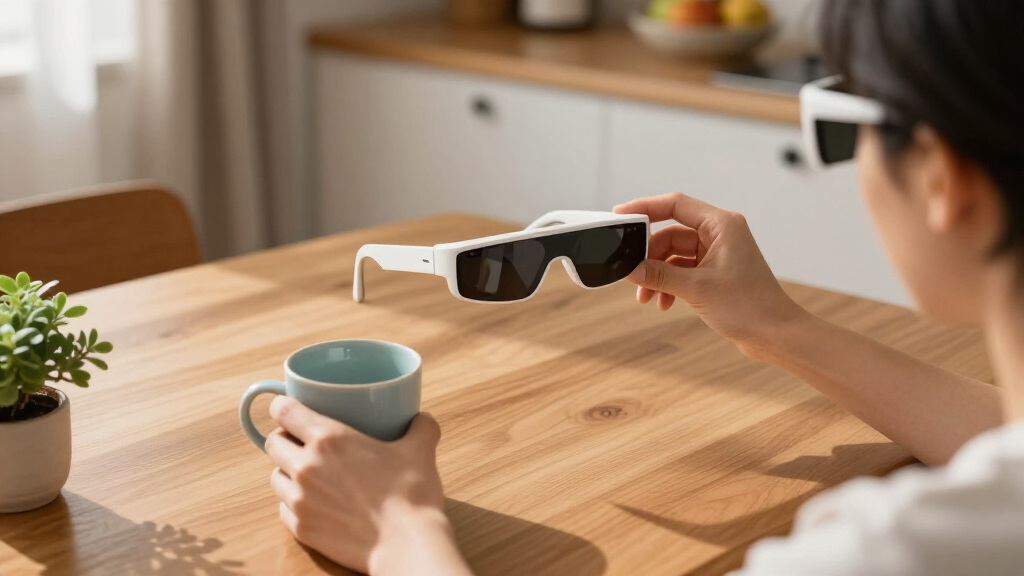
My ranking starts with actual light delivery, because that is what separates effective smart light therapy glasses from glorified LED novelties. I prioritized models with verified intensity specifications, even light distribution across the visual field, and designs that avoid direct glare into the eyes — Luminette and Retimer both publish retinal lux figures, while several budget options do not, which factored heavily into placement. Wearability came second: these devices only work if you keep them on for 20 to 45 minutes, so weight, fit over prescription glasses, and the ability to move around normally during a session mattered as much as raw output.
Beyond the hardware, I weighed smart features that genuinely change behavior — app-guided programs, battery tracking, and treatment reminders — against gimmicks that add cost without improving results. Battery life across multiple sessions, charge time, and warranty support rounded out the practical criteria. Finally, I considered scientific credibility: models backed by peer-reviewed studies or medical-device certification ranked above those with marketing claims alone, which is why the ordering leans clinical at the top and convenience-focused in the middle of the list.
Factors to Consider When Choosing Smart Light Therapy Glasses
Choosing between smart light therapy glasses is less about finding the most features and more about matching the device to your sleep problem, your daily routine, and your tolerance for wearing electronics on your face. These are the factors I would weigh before spending anything in this category.Light Intensity and Wavelength Matter More Than App Features
The single biggest mistake buyers make is treating all light glasses as interchangeable. Effective light therapy depends on the illuminance reaching your retinas, typically several hundred to a few thousand lux, and on the wavelength mix: most devices use blue-enriched white or blue-only light because those wavelengths most strongly influence melanopsin, the photoreceptor that drives circadian responses. Green-light devices like the Retimer take a different approach with similar claimed efficacy. Unbranded models often list LED counts instead of lux output, which tells you nothing about real-world intensity. If a manufacturer cannot state a measurable light specification, treat that as a warning sign rather than a detail to overlook.
Fit Over Prescription Glasses and Everyday Wearability
You will be wearing these glasses for 20 to 45 minutes at a time, often while working, making coffee, or commuting. Weight distribution and frame design determine whether a session feels effortless or annoying. Slim visor-style units like AYO and PEGASI II sit higher on the brow and generally clear prescription frames, while full-frame designs like Retimer can create pressure points or interfere with regular glasses. A device you stop using because it pinches your nose delivers zero therapeutic benefit regardless of its specifications. Check weight figures carefully — anything above roughly 60 grams becomes noticeable during longer sessions.
Session Duration, Battery Life, and Charging Habits
Most smart light therapy glasses run sessions of 20 to 30 minutes, which means a single charge should cover several days of typical use. Battery life between 3 and 7 sessions is the practical benchmark; anything less means daily charging, which erodes the convenience that made you choose glasses over a lamp. Also look at how the device charges — a proprietary magnetic cable is easy to lose, while standard connectors simplify travel. If you plan to use the glasses for both morning energizing and evening shift-work adjustments, budget for shorter real-world battery life than the marketing suggests, since higher intensity settings drain cells faster.
App Guidance Versus One-Button Simplicity
The ‘smart’ in smart light therapy glasses usually means an accompanying app, but app quality varies enormously. The best implementations — AYO’s circadian programs are the reference point here — build a personalized light schedule from your sleep habits, travel plans, and chronotype, then adjust timing automatically. Others offer little beyond a session timer and battery readout, which you may actually prefer. Ask yourself honestly whether you will use guided programs or ignore them. Paying extra for an ecosystem you will not engage with is a common overspend in this category, while buyers with irregular schedules genuinely benefit from adaptive software.
Your Actual Goal: Winter Slump, Jet Lag, or Shift Work
The right model depends on what you are trying to fix. For seasonal low energy and winter darkness, consistent morning light at solid intensity matters most, favoring clinically validated devices like Luminette. For frequent jet lag, portability and app-scheduled shifting protocols make AYO the stronger fit. For shift work or delayed sleep phase, look for devices with flexible timing programs and fast recharging. Buyers who mostly want a gentle morning alertness boost can save money with simpler models, but anyone addressing a diagnosed circadian disorder should prioritize medical-device certification and consult a clinician before buying.
Certification, Warranty, and Avoiding No-Name Listings
Light therapy is a medical-adjacent product category, and regulatory status is a real quality signal. Luminette and Retimer carry medical-device certifications in Europe, which imposes manufacturing and claims-verification standards that generic listings skip entirely. This roundup includes several near-duplicate listings of the same hardware — a pattern common in this niche — so verify you are buying the genuine branded product rather than a lookalike. Warranty length also diverges sharply: established brands offer multi-year coverage, while unbranded imports often provide only a short return window. Since these devices sit on your face and emit light into your eyes, I would not cut corners on provenance.
Frequently Asked Questions
Do smart light therapy glasses work as well as a 10,000-lux light therapy lamp?
They can, but the comparison works differently than the raw numbers suggest. A lamp delivers 10,000 lux at the surface of a box, and only a fraction reaches your eyes at arm’s length, whereas glasses sit centimeters from your eyes and can deliver comparable retinal illuminance at a lower nominal lux figure. Luminette, for example, publishes equivalency data showing its retinal output rivals a standard therapy lamp session. The real advantage of lamps is a wider visual field of light; the advantage of glasses is consistency — you receive the full dose every time rather than depending on how close you sit to the box. For most people with busy mornings, the glasses format wins on adherence, which is the biggest predictor of results.
Can I wear light therapy glasses if I already wear prescription glasses?
Yes, with some fit caveats. Visor-style models like AYO and PEGASI II are designed to sit above your regular frames and generally coexist without problems. Full-frame designs like the Retimer 3 bulk up the eye area more, and users with strong prescriptions or thicker frames sometimes report pressure or awkward stacking — worth checking the return policy if that describes you. Contact lens wearers have no fit issues at all with any model. One practical note: because therapy glasses direct light from above the brow rather than through corrective lenses, your prescription does not alter the light dose you receive.
When during the day should I use light therapy glasses — and can they disrupt sleep?
Timing is everything with light therapy, and yes, wrong timing can backfire. For most people with sluggish mornings, a session within the first hour or two of waking produces the strongest circadian advance and daytime alertness boost. Using bright blue-enriched light in the evening, however, delays your body clock and can worsen the sleep problem you are trying to fix — this is why app-guided models like AYO earn their premium, since they calculate timing for you. Shift workers and travelers need intentionally shifted schedules, sometimes using light late at night on purpose. If your schedule is irregular, a model with automated circadian planning will prevent the timing mistakes that make cheaper devices feel ineffective.
Why are there multiple Luminette 3 listings, and are they different products?
They are the same device — the standard white and Pink versions are cosmetically identical in specifications, and multiple sellers list the same hardware in separate Amazon listings. This is common in the light glasses niche and can create false impressions of choice or price competition. The practical takeaway: pick your color, confirm the seller is the authorized brand distributor, and ignore any listing that implies performance differences between color variants. The same caution applies to the generic ‘Portable UV-Free’ listings, which sometimes rebrand the same OEM hardware under shifting names. Buying from the official brand storefront avoids warranty headaches later.
How long before I notice results from using light therapy glasses?
Most users report a subtle alertness lift within the first few sessions, but meaningful circadian change typically takes one to two weeks of consistent daily use. Seasonal energy dips often respond within 10 to 14 days of 20-to-30-minute morning sessions, while circadian phase shifting for delayed sleep or jet lag can show measurable movement within a week when timing is correct. The failure mode here is inconsistency — skipping three mornings out of five stalls progress regardless of which device you bought. Set a realistic four-week trial window, keep a simple sleep-and-energy log, and judge the device on that evidence rather than on how you feel after a single session.
Conclusion
If you want the best overall smart light therapy glasses, the Luminette 3 is my clearest recommendation: validated light output, comfortable long-session fit, and a track record no other model in this lineup matches — and the Pink variant is yours to choose purely on style. For the best premium experience, the AYO justifies its price with the strongest app ecosystem and automated circadian programs, making it the pick for frequent travelers. The PEGASI II earns best value by delivering the core morning-light benefit with genuine smart features at a lower cost than the clinical leaders. Beginners who want to test whether light therapy helps them at all should start with PEGASI II or the MEINNO wearable before committing to a medical-grade device. For specific needs: choose the Retimer 3 if a green-light, research-backed approach appeals to you or if Luminette is unavailable, and look at the slimmest visor models if you wear thick prescription frames. Whatever you choose, consistency of use matters more than any spec sheet — pick the model you will realistically put on every morning.
Fall Picks
fall essentials
As an affiliate, we earn on qualifying purchases.