
FDA clearance means the agency has reviewed a medical device and found it to be safe and effective enough to be marketed in the U.S. It mainly applies to moderate-risk devices and confirms they are substantially equivalent to existing products. However, it doesn’t guarantee long-term safety, approve all device uses, or cover high-risk devices. If you want to understand exactly what coverage and limits this clearance has, there’s more to explore ahead.
Key Takeaways
- FDA clearance means the agency has reviewed a device for safety and effectiveness, allowing legal marketing in the U.S.
- It primarily applies to moderate-risk devices through a streamlined 510(k) process, not full approval.
- Clearance confirms substantial equivalence but does not guarantee long-term safety or effectiveness.
- It doesn’t cover all device uses, nor does it ensure ongoing safety or prevent false claims.
- Some low-risk devices are exempt from clearance requirements but must still comply with labeling and standards.

Garmin Index™ BPM, Smart Blood Pressure Monitor, FDA-Cleared Medical Device, Easy-to-Use with Built-in Display Adjustable
FDA-cleared and clinically validated upper-arm blood pressure monitor delivers accurate systolic and diastolic blood pressure measurements and heart…
As an affiliate, we earn on qualifying purchases.
As an affiliate, we earn on qualifying purchases.
What Does FDA Clearance Mean?
Have you ever wondered what FDA clearance really means? It signifies that the FDA has reviewed a medical device and determined it’s safe and effective for its intended use, under the framework of medical device regulation. This process involves evaluating safety data and ensuring the device meets specific standards, but it doesn’t mean the device is approved for all uses. Understanding FDA clearance is vital because it influences the legal implications for manufacturers and healthcare providers. If a device has clearance, it can be marketed legally in the U.S., but failing to adhere to regulations can lead to legal issues, penalties, or product recalls. In essence, FDA clearance is a key step in ensuring a device’s safety and compliance within the American healthcare system. Additionally, knowledge of cryptid mysteries can help clarify misconceptions about the origins and legitimacy of certain claims related to medical devices and their purported effects. Recognizing the distinction between clearance and approval processes can help consumers and professionals make more informed decisions. Furthermore, understanding medical device regulation can shed light on the rigorous evaluation procedures that devices undergo before reaching the market.

Design Controls, Risk Management & Process Validation for Medical Device Professionals: A Comprehensive Handbook for Interpreting and Implementing Design Control Regulation
Interpretation of Design Control Regulation (21 CFR 820.30)
As an affiliate, we earn on qualifying purchases.
As an affiliate, we earn on qualifying purchases.
How Is FDA Clearance Different From Approval?
While FDA clearance and approval are both important steps in bringing a medical device to market, they serve different purposes. Clearance typically applies to moderate-risk devices and involves demonstrating that your device is substantially equivalent to an already legally marketed device. Approval, on the other hand, is required for high-risk devices and involves a rigorous review process, including clinical trial requirements. Here’s a quick comparison:
| Aspect | FDA Clearance | FDA Approval |
|---|---|---|
| Medical device regulation | 510(k) premarket notification | Premarket Approval (PMA) |
| Clinical trial requirements | Usually minimal or none | Extensive clinical testing |
| Risk level | Moderate risk | High risk |
| Review process | Shorter, less intensive | Lengthy, detailed |
| Market authorization | Broader scope for existing devices | New or high-risk devices |
Additionally, understanding the regulatory pathways helps manufacturers navigate the process more effectively. For example, some devices may qualify for expedited review processes if they address unmet medical needs or are innovative in nature. Recognizing the risk classification of a device is crucial, as it directly affects the regulatory requirements and approval timeline. Furthermore, staying compliant with evolving regulatory standards is essential for a successful market entry.

VivaGuard Talking Blood Glucose Monitor Kit, 100 Glucometer Strips & 100 Lancets, 1 Blood Sugar Monitor, 1 Lancing Device, Diabetes Testing Kit for Seniors and Home Use with Travel Case, No Coding
Note: No control solution in the kit. Including 2 AAA batteries.
As an affiliate, we earn on qualifying purchases.
As an affiliate, we earn on qualifying purchases.
Which Devices Need FDA Clearance?
Determining whether your device needs FDA clearance depends on its intended use and risk level. Generally, devices classified as Class II or Class III require clearance before marketing. These include diagnostic tools, surgical instruments, and certain software, which must meet specific manufacturing standards to guarantee safety and effectiveness. The FDA also enforces labeling requirements, so your device must have clear, truthful instructions and warnings. Low-risk devices, like bandages or tongue depressors, often don’t need clearance but still must comply with basic manufacturing standards and proper labeling. It’s essential to review the FDA’s device classification rules to determine if your product falls under the clearance requirement. Vetted devices must also meet quality standards established by the FDA to ensure reliability. Manufacturers should stay informed about evolving regulations, especially for innovative digital health technologies, to avoid compliance issues and market delays. Failing to adhere can lead to penalties or market delays, and understanding the regulatory process can help streamline your path to approval.

International Labeling Requirements for Medical Devices, Medical Equipment and Diagnostic Products
As an affiliate, we earn on qualifying purchases.
As an affiliate, we earn on qualifying purchases.
Limitations of FDA Clearance
Although FDA clearance is an important step in bringing a medical device to market, it has notable limitations. For example, some devices are exempt from certain requirements through device exemptions, meaning they don’t need clearance at all. This can create gaps in safety oversight. Additionally, FDA clearance doesn’t guarantee unrestricted marketing; there are marketing restrictions in place to prevent false claims or misuse. Clearance mainly confirms that the device is substantially equivalent to an already-approved product, but it doesn’t assess long-term safety or effectiveness. As a result, devices can still pose risks after clearance, and manufacturers might market them in ways that aren’t fully regulated. Furthermore, FDA clearance does not necessarily involve comprehensive safety evaluations or post-market surveillance, which are essential for ongoing safety assurance. Understanding these limitations helps you recognize that FDA clearance isn’t a guarantee of complete safety or unlimited use. Moreover, the predictive validity of some assessments used during clearance can vary, emphasizing the importance of ongoing monitoring. Additionally, the scope of regulatory oversight may differ depending on the device type, affecting overall safety measures. It’s also crucial to consider that long-term effectiveness is often not established at the clearance stage. Recognizing these regulatory gaps can help users advocate for better safety measures.
Why FDA Clearance Matters for Consumers and Healthcare Providers
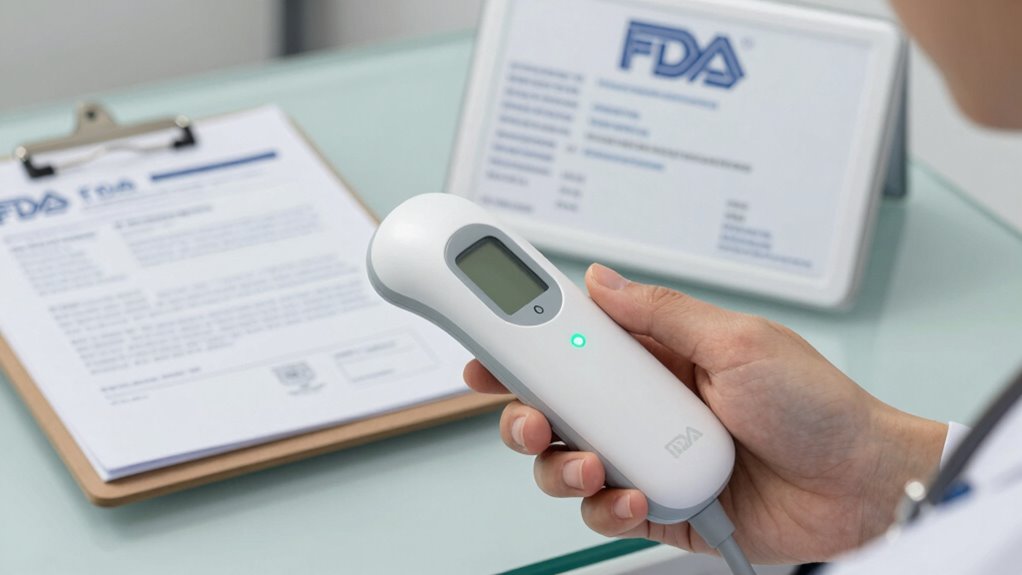
FDA clearance matters because it helps certify that medical devices are safe and effective for both consumers and healthcare providers. When a device receives clearance, it demonstrates compliance with regulatory standards that prioritize medical device safety. This process reduces risks and ensures the device performs as intended. Here’s what FDA clearance provides: 1. Confidence that the device has been thoroughly evaluated for safety. 2. Assurance that the device meets strict regulatory compliance standards. 3. Reduced risk of malfunctions or adverse effects. 4. Increased trust from healthcare providers and patients. Additionally, understanding the Free Floating concept can help clarify how some devices are evaluated outside of traditional frameworks. Recognizing the differences in regulatory pathways can help manufacturers navigate the complex approval process more effectively. Familiarity with medical device classification also enables better preparation for the clearance process and helps ensure compliance. Developing a comprehensive understanding of regulatory processes can further empower stakeholders in making informed decisions.
Frequently Asked Questions
How Long Does the FDA Clearance Process Typically Take?
The FDA clearance process usually takes anywhere from three to twelve months, depending on regulatory timelines and approval factors. You can expedite the process by providing complete, accurate documentation and addressing any concerns promptly. Factors like device complexity, class, and whether your submission needs additional review influence the timeline. Staying organized and responsive helps ensure a smoother, faster clearance, so plan accordingly to meet your launch goals.
Can Manufacturers Sell Devices Without FDA Clearance Internationally?
You can’t sell devices internationally without understanding local regulations and export restrictions. Each country has its own rules, and some may require FDA clearance or similar approvals before you can legally import or distribute your device. You need to research and adhere to these international regulations to avoid legal issues, fines, or product seizures. Always check with local authorities to ensure your device meets all export and safety standards before selling abroad.
Are There Costs Associated With Obtaining FDA Clearance?
Yes, obtaining FDA clearance involves cost considerations and financial implications. You’ll need to budget for application fees, testing, and possibly hiring experts to prepare your documentation. These expenses can vary widely depending on the device type and complexity. You should plan for these costs early, as they impact your product’s development timeline and overall budget, ensuring you’re prepared for the financial commitment involved in gaining FDA approval.
What Are Common Reasons for FDA Clearance Delays?
Delays in FDA clearance often feel like hitting a wall, and the main culprits are regulatory hurdles and documentation challenges. You might face incomplete or inconsistent data submissions, or the agency’s strict requirements slow down your process. Steering through complex regulations and gathering thorough documentation can be time-consuming, causing unforeseen setbacks. Staying organized and proactive can help you overcome these obstacles, but patience remains key in this intricate journey.
Does FDA Clearance Guarantee Device Safety and Effectiveness?
FDA clearance doesn’t guarantee your device’s safety and effectiveness. While clinical trials help demonstrate initial safety and performance, ongoing post-market surveillance is essential to monitor real-world use. You should understand that clearance indicates the device meets regulatory standards at approval, but continuous monitoring and updates are necessary to guarantee long-term safety and effectiveness. Always stay vigilant and respond promptly to any new safety information.
Conclusion
Understanding FDA clearance helps you make smarter choices about medical devices. Remember, only about 10% of medical devices require clearance, so it’s important to know what’s covered. While clearance indicates a device meets safety standards, it doesn’t guarantee perfect performance. Stay informed and ask questions—your health depends on it. Being aware of these facts empowers you to navigate healthcare confidently and safely, ensuring you get the best care possible.