Blue light from screens can make falling asleep harder by blocking melatonin and disrupting your body’s natural sleep cycle, especially if you use devices before bed. While blue light filters, glasses, and limiting screen time help, other factors like stress and your sleep environment matter even more. Managing these habits can markedly improve sleep quality. Curious to see how small changes can make a big difference? Keep exploring for more tips to improve your nightly rest.

Get wellness gear delivered free — and shop member deals
- Fast, free delivery on millions of items
- Access to Prime Big Deal Days deals on October 6–7
- Prime Video, Amazon Music and more included
Key Takeaways
- Blue light suppresses melatonin, delaying sleep onset and disrupting circadian rhythms, especially when exposure occurs before bedtime.
- Using blue light filters, night mode, or glasses can reduce eye strain and may help improve sleep quality.
- Managing overall sleep hygiene, stress, and environmental factors is often more impactful than blue light control alone.
- Natural daytime light strengthens circadian rhythms, promoting better sleep, while evening blue light exposure impairs sleep quality.
- Blue light’s effects vary by individual; combining tech solutions with healthy habits offers the best sleep outcomes.
blue light blocking glasses for sleep
As an affiliate, we earn on qualifying purchases.
As an affiliate, we earn on qualifying purchases.
What Is Blue Light and How Does It Affect Sleep?
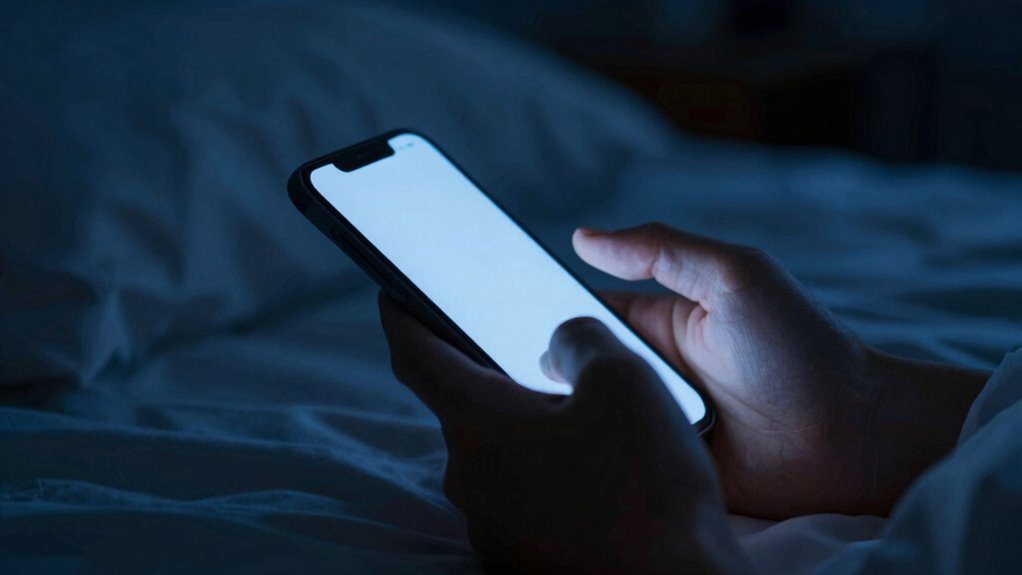
Blue light is a type of high-energy visible light emitted by screens on devices like smartphones, tablets, and computers. It’s part of the light spectrum, sitting at the blue-violet end, which means it carries more energy than other visible wavelengths. When you’re exposed to blue light, especially during the evening, it can impact your eye health by causing digital eye strain, dryness, and discomfort. But beyond eye health, blue light also influences your sleep patterns. It signals your brain to stay alert by suppressing melatonin, the hormone that helps you feel sleepy. Understanding what blue light is and how it interacts with your body is essential for managing its effects and maintaining healthy sleep habits. The effects of blue light on sleep can vary depending on exposure duration and timing. Additionally, research into light therapy and circadian rhythms suggests that controlling blue light exposure could help regulate sleep-wake cycles more effectively. Being aware of blue light exposure timing can further improve your sleep quality and overall well-being, especially when combined with proper sleep hygiene practices. Recognizing the role of melatonin suppression is key to understanding how blue light impacts sleep patterns.
How Blue Light Disrupts Your Sleep Cycle
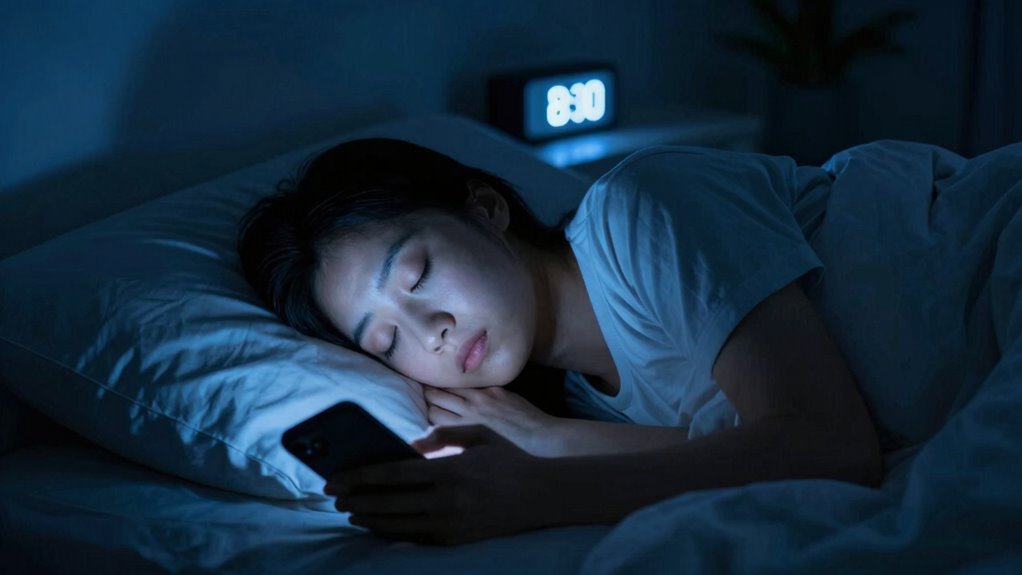
Since your brain interprets blue light as a signal to stay alert, exposure to it during the evening can substantially disrupt your sleep cycle. Blue light suppresses melatonin production, making it harder for you to fall asleep and stay asleep. This suppression leads to circadian disruption, throwing off your natural sleep-wake rhythm. To help you understand, here’s a quick overview:
| Effect | Cause | Result |
|---|---|---|
| Melatonin suppression | Blue light exposure at night | Delayed sleep onset |
| Circadian disruption | Reduced melatonin levels | Poor sleep quality |
| Sleep cycle interference | Altered internal clock | Shortened REM sleep |
| Increased alertness | Blue light signals brain | Difficulty relaxing |
This disruption can leave you feeling tired, impacting your overall health. Understanding circadian rhythms can help you develop strategies to minimize blue light exposure and improve your sleep quality. Additionally, flat iron bike technology demonstrates how specialized equipment can optimize energy use, similar to managing light exposure for better sleep. Recognizing the importance of natural light patterns can also aid in maintaining a healthy sleep cycle.
Scientific Evidence on Blue Light and Sleep Quality

Numerous scientific studies have demonstrated that exposure to blue light before bedtime substantially impairs sleep quality. This effect occurs because blue light disrupts your circadian rhythms, which regulate your sleep-wake cycle. Your light sensitivity peaks in the evening, making you more vulnerable to blue light’s impact. Research shows that blue light suppresses melatonin production, delaying sleep onset and reducing REM sleep. Additionally, natural light exposure during the day can help strengthen your circadian rhythms and improve sleep patterns. Increased awareness of technological device usage before sleep can further mitigate blue light’s disruptive effects. Recognizing light sensitivity variations among individuals can help tailor strategies to minimize sleep disturbances. Understanding individual differences in light sensitivity can enhance personalized approaches to better sleep hygiene. Moreover, emerging studies suggest that blue light filters and specialized glasses may offer additional protection against sleep disruption.
Do Screens and Blue Light Really Disrupt Sleep?
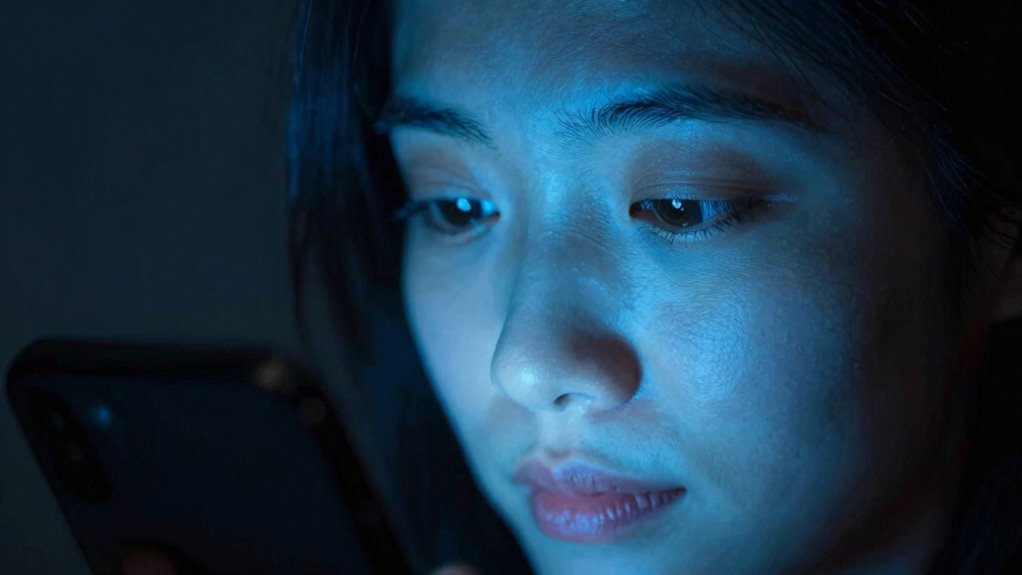
You might notice that using screens before bed can affect your sleep, but how much of that is due to blue light? Blue light suppresses melatonin, making it harder to fall asleep and stay asleep. Understanding these impacts can help you make better choices about screen time before bedtime. Additionally, wearable medical alert devices with features like GPS can assist in emergencies, emphasizing the importance of reliable health and safety tools during nighttime routines. Recognizing the cultural shifts in how we consume music and media can also influence our bedtime habits and overall relaxation routines. Increased awareness of light exposure and its effects on sleep can further help in maintaining healthy sleep patterns. Being aware of the early symptoms of sleep disruption can also lead to early intervention, promoting better sleep quality and overall health.
Blue Light and Melatonin
Have you ever wondered if screens truly interfere with your sleep? Blue light emitted from devices can affect your melatonin levels, which play a pivotal role in regulating sleep. When exposed to blue light at night, your body may experience melatonin disruption, making it harder to fall asleep. This disruption occurs because blue light suppresses melatonin production more than other wavelengths. Additionally, using specialized filters or glasses can help reduce blue light exposure and mitigate its impact on melatonin. Consider these points: – Blue light can delay the body’s natural melatonin release. – Reduced melatonin may lead to difficulty falling asleep. – Not all screens have the same impact; longer exposure increases risk. – Individual sensitivity to blue light varies widely. Understanding how blue light influences melatonin helps you make informed choices about device use before bed, especially since research indicates that individual responses to blue light exposure are highly variable. Moreover, light wavelength and duration are crucial factors in determining the extent of melatonin suppression. Incorporating ceiling fans with modern efficiency in your living space can also help improve overall comfort and reduce reliance on artificial cooling, indirectly supporting better sleep quality.
Screen Time Before Bed
While many people believe that screens simply make it harder to fall asleep, the blue light emitted from devices actually plays a significant role in disrupting sleep patterns. Excessive screen time before bed can lead to device addiction, making it tough to disconnect even when you know you should. This habit often results in prolonged exposure to blue light, which suppresses melatonin production and delays sleep onset. To counteract these effects, consider a digital detox an hour before sleep, replacing screens with relaxing activities like reading or meditation. Incorporating eco-friendly craft ideas into your routine can also provide a calming, screen-free way to unwind. Being mindful of light exposure during evening hours can further support your body’s natural sleep signals. Additionally, understanding circadian rhythms can help you align your habits with your body’s internal clock for better sleep. Reducing screen time not only helps break device addiction but also allows your body to prepare naturally for rest, ultimately improving your sleep quality and overall well-being. Recognizing the importance of sleep hygiene can empower you to develop healthier nighttime routines.
Sleep Quality Impacts
Research shows that exposure to screens and blue light before bed can especially impair sleep quality. This light exposure can interfere with your body’s natural sleep regulation, making it harder to fall asleep and reducing REM sleep. The disruption occurs because blue light suppresses melatonin, the hormone responsible for signaling sleep onset. To understand the impact better, consider these points:
- Light exposure during evening hours delays circadian rhythms
- Blue light reduces melatonin production, impairing sleep onset
- Disrupted sleep cycles lead to poorer sleep quality
- Consistent light interference can cause daytime fatigue and decreased alertness
Being mindful of your screen habits and limiting blue light exposure before bed helps protect your sleep quality and overall health.
How to Minimize Blue Light Exposure Before Bed
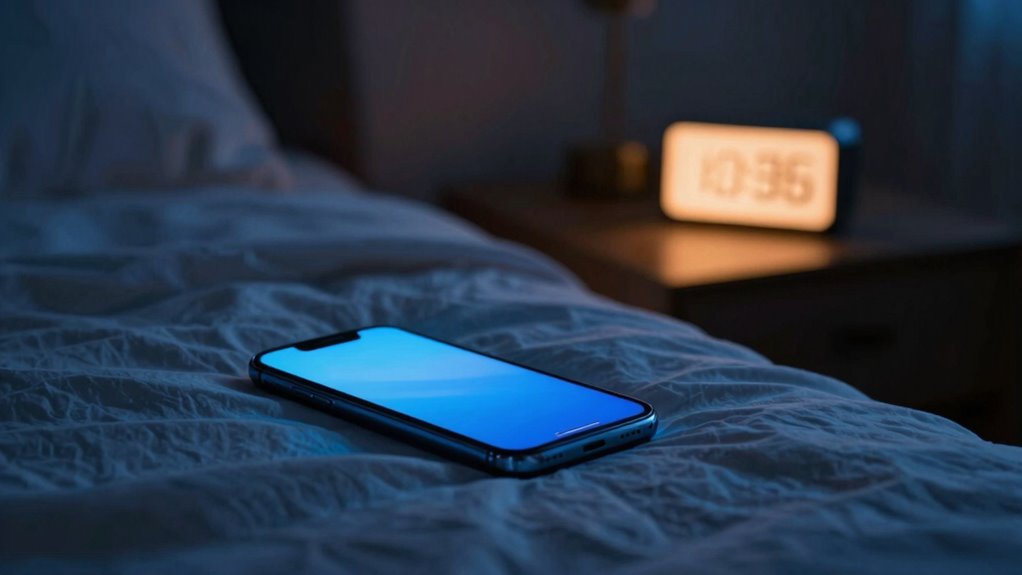
To minimize blue light exposure before bed, start by reducing your screen time in the hours leading up to sleep. Increasing your blue light awareness helps you recognize which devices emit high levels of blue light and how they affect your sleep hygiene. Limit use of smartphones, tablets, and computers at least an hour before bedtime. Instead, engage in relaxing activities like reading a physical book or practicing meditation. If you must use screens, consider enabling night mode or blue light filters to cut down blue light emission. Establishing a consistent pre-sleep routine that avoids screens enhances your sleep hygiene and signals to your body that it’s time to wind down. Small changes like these can markedly improve your ability to fall asleep naturally.
Do Blue Light Glasses Help Improve Sleep?

Do blue light glasses genuinely help improve your sleep? The science is mixed, but some people find them beneficial. These glasses primarily offer eye protection by filtering blue light, which can reduce eye strain and may help signal your brain to wind down. However, their effectiveness in improving sleep quality isn’t guaranteed.
Consider these points:
- They can block blue light from screens, potentially reducing alertness before bed
- Some see them as fashionable accessories, adding style to their nighttime routine
- Their impact varies depending on individual sensitivity and habits
- They’re a preventative tool, but not a substitute for good sleep hygiene
Ultimately, while they might help, blue light glasses should complement other sleep-friendly practices, not replace them.
Other Factors That Affect Sleep More Than Blue Light
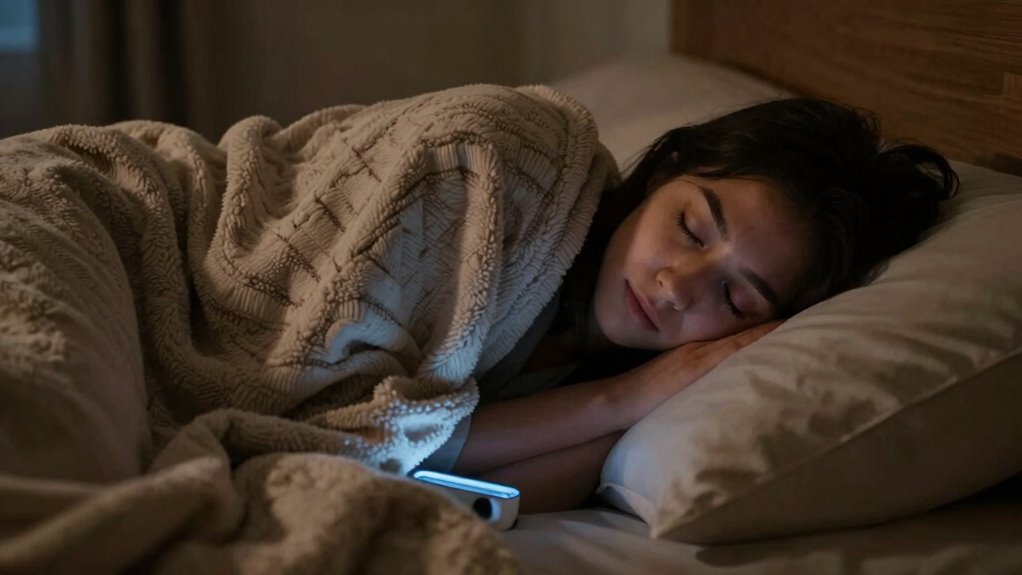
Stress levels and a poor sleep environment can have a bigger impact on your sleep than blue light. When you’re stressed, your body struggles to relax, making it hard to fall asleep. Additionally, an uncomfortable or noisy sleep space can disrupt your rest, regardless of light exposure.
Stress Levels Impact Sleep
While blue light exposure can disrupt sleep, elevated stress levels often have a more significant impact. High stress triggers your body’s fight-or-flight response, making it hard to relax and fall asleep. Managing stress effectively can improve your sleep quality more than just limiting blue light. Practicing mindful relaxation techniques, like deep breathing or meditation, helps calm your mind before bed. Incorporate stress management strategies such as regular exercise, journaling, or seeking support from friends or professionals. These habits reduce cortisol levels and promote a sense of calm, making it easier to drift off. Remember, lowering stress not only improves sleep but also boosts overall health, giving you a more restful night and energized mornings.
Sleep Environment Quality
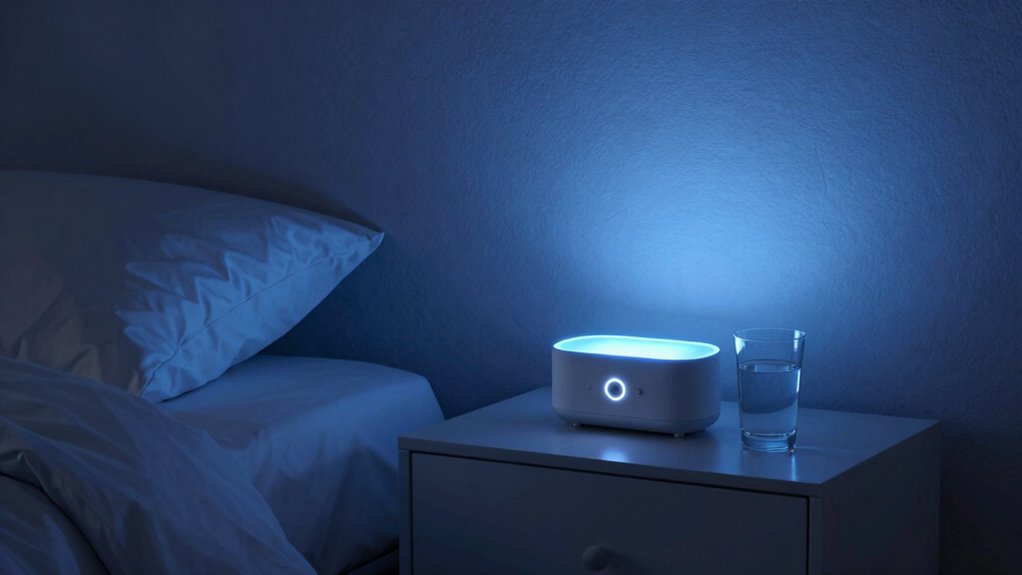
Creating a sleep-friendly environment is essential for improving your rest, often more so than solely focusing on blue light exposure. Your lighting ambiance plays a vital role in signaling to your body that it’s time to wind down. A dim, warm light can promote relaxation and help prepare your sleep environment for rest. Bright or harsh lighting, especially before bed, can interfere with melatonin production and delay sleep onset. Keep your bedroom cool, dark, and quiet to create ideal conditions. Consider blackout curtains or a sleep mask to block out light and minimize noises with earplugs or white noise machines. These adjustments enhance your sleep environment’s quality, making it easier to fall asleep faster and enjoy more restorative rest—all more impactful than simply managing blue light exposure.
Practical Tips to Sleep Better in a Digital World

In today’s digital age, managing your screen time is essential for better sleep. Reducing blue light exposure before bed can considerably improve your sleep hygiene. To do this, consider implementing these practical tips:
- Limit screen use at least an hour before bedtime.
- Use blue light filters or glasses during evening hours.
- Establish a relaxing pre-sleep routine without devices.
- Keep screens out of your bedroom to avoid temptation.
Final Thoughts: Should You Worry About Blue Light?
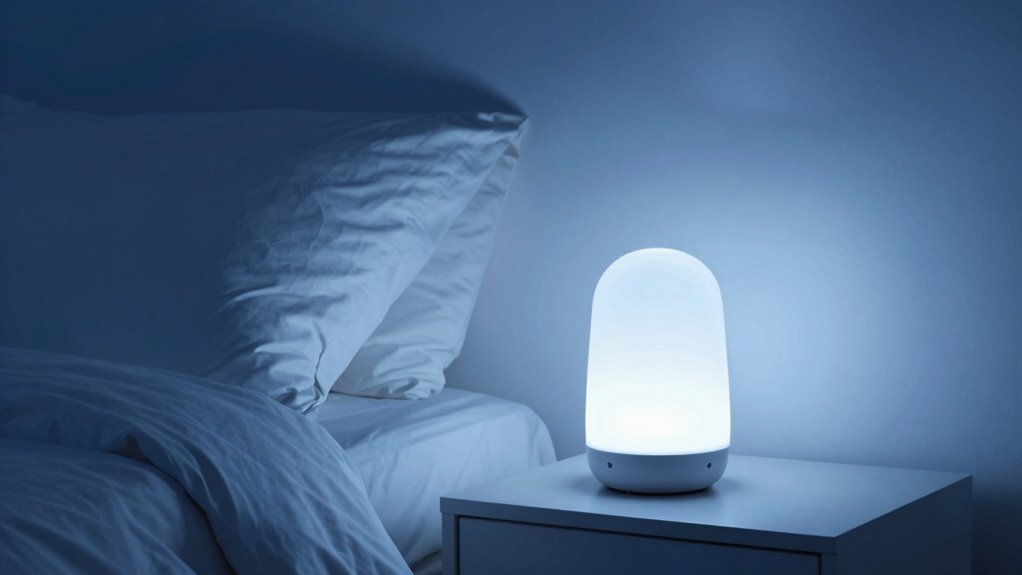
Although concerns about blue light’s impact on sleep are common, current research suggests that its effects are generally manageable with simple precautions. Many blue light myths exaggerate its influence, leading to unnecessary worry. Modern sleep technology, like blue light filters and glasses, can help reduce exposure but isn’t always essential. Your best approach is to limit screen time before bed and create a relaxing bedtime routine. It’s important to remember that blue light isn’t the sole factor affecting sleep; overall lifestyle choices matter more. Instead of obsessing over every device, focus on healthy habits that promote restful sleep. By staying informed and realistic about blue light’s role, you can enjoy technology without sacrificing your sleep quality.
Frequently Asked Questions
Can Blue Light Exposure Improve Alertness During Daytime?
Yes, blue light exposure can improve alertness during daytime by supporting circadian regulation. When you get blue light, it suppresses melatonin production, which helps you stay awake and alert. This effect is useful in the morning or during periods when you need a mental boost. Just be cautious not to overdo it, especially in the evening, as it can interfere with sleep by disrupting your natural melatonin cycle.
Are There Differences in Blue Light Effects Between Age Groups?
Yes, there are differences in blue light effects between age groups. You might notice that younger individuals have higher age-related sensitivity to blue light, making it more impactful on their circadian rhythms and alertness. Developmental differences influence how blue light affects sleep and alertness, with children and teenagers often being more responsive. As you age, your sensitivity decreases, but exposure still plays a role in your sleep quality and daytime alertness.
How Does Ambient Lighting Compare to Screen Blue Light in Sleep Disruption?
Imagine your sleep environment as a delicate symphony, where ambient lighting sets the mood, and screen blue light plays a disruptive discord. Ambient lighting, usually softer, doesn’t interfere much with sleep, unlike the harsh, focused blue light from screens that can trick your brain into thinking it’s daytime. To protect your sleep, keep your environment calm and minimize screen exposure before bed, creating a peaceful harmony for restful nights.
Is Natural Blue Light Exposure From Sunlight Harmful or Beneficial?
Natural blue light from sunlight is beneficial, helping regulate your circadian rhythm and boost mood. However, prolonged exposure without UV protection can lead to skin damage. While sunlight naturally suppresses melatonin during the day, it doesn’t harm your sleep if you get outside during daytime hours. Just remember, balancing sun exposure and protecting your skin is key, so wear UV protection when spending extended time outdoors.
What Are the Long-Term Health Impacts of Blue Light Exposure?
Long-term blue light exposure can lead to circadian disruption and eye strain, impacting your health over time. Think of your body as a finely tuned orchestra—blue light acts like an offbeat drummer, throwing everything off rhythm. Chronic disruption may increase risks of sleep disorders and eye issues. To protect yourself, limit screen time before bed and use blue light filters, helping keep your internal clock synchronized and your eyes comfortable.
Conclusion
Think of blue light like a sneaky intruder, quietly disturbing your sleep fortress. While it can throw off your rest, it’s just one piece of the puzzle. Remember, even in a digital world, you hold the key to peaceful nights—by setting boundaries and creating a calming bedtime routine. Don’t let the noise of screens drown out your sleep. Take control, and reclaim your nights for truly restful, restorative sleep.
Fall Picks
fall essentials
As an affiliate, we earn on qualifying purchases.