
Adding more LEDs doesn’t always mean you’ll get brighter or better lighting. Instead, focus on metrics like lumens to measure brightness, efficiency to get the most energy and cost savings, and color quality for a natural look. The number of LEDs is less important than how well they perform together. To truly improve your lighting, it’s worth understanding these key factors—there’s more to effective illumination than just adding more LEDs.
Key Takeaways
- Increasing LEDs doesn’t guarantee brighter or better lighting; proper system design and quality are essential.
- Lumens measure brightness, but efficiency and light quality (CRI, color temperature) are crucial for effective lighting.
- More LEDs can increase power consumption and reduce energy efficiency if not carefully managed.
- Optimal light distribution depends on beam angle and placement, not just the number of LEDs.
- Prioritizing LED quality, efficiency, and appropriate quantity ensures better performance and long-term savings.

DiCUNO ProOE A19 LED Bulb 60W Equivalent, 3000K Warm White, CRI 98, 6-Pack
- Brightness: 806 lumens, 60W equivalent
- Energy Saving: Consumes 88% less electricity
- Voltage Range: 100-240V compatible
As an affiliate, we earn on qualifying purchases.
As an affiliate, we earn on qualifying purchases.
Do More LEDs Always Mean Brighter Light? Here’s the Truth
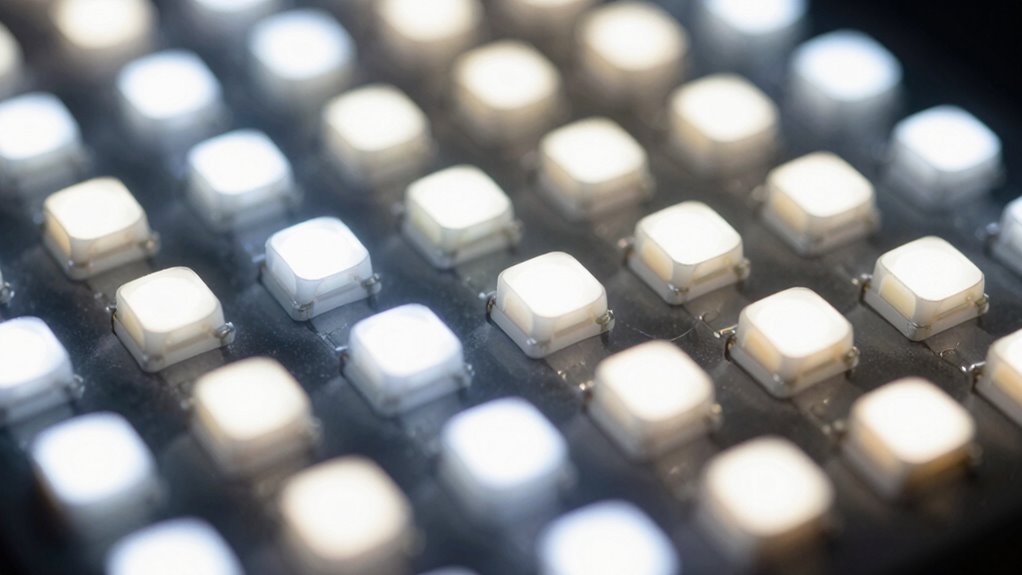
Many assume that adding more LEDs will automatically make a light brighter, but that’s not always the case. While increasing the number of LEDs can improve brightness, it doesn’t guarantee better performance overall. The key factors are LED lifespan and energy efficiency. More LEDs can drain power faster, reducing energy efficiency and increasing energy costs. Additionally, if you cram too many LEDs into one fixture, you might end up with uneven lighting or glare, rather than a uniformly bright space. Properly designed LED systems balance the number of diodes with quality components to optimize lifespan and efficiency. Understanding system design is essential to ensure that adding more LEDs results in a better lighting experience. Considering LED configuration during the planning process helps achieve optimal results. Furthermore, thermal management plays a crucial role in maintaining LED performance and longevity. Effective cooling solutions are vital to prevent overheating and extend the life of LEDs. Remember, more LEDs don’t automatically mean a brighter or better light—it’s about how well they work together within the system’s design.
What Do Lumens Really Say About Brightness?
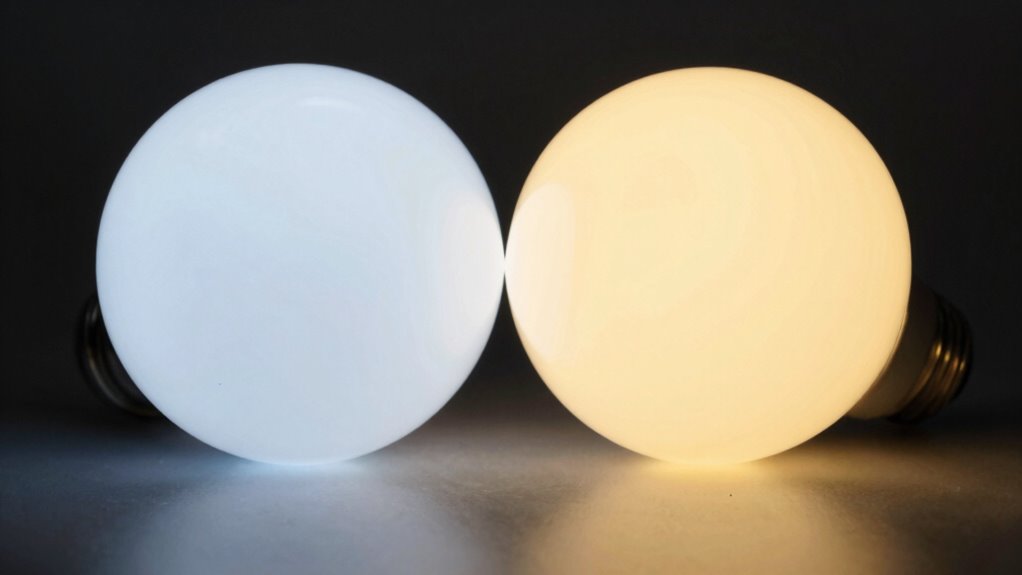
Lumens are often used to measure a light’s brightness, but they don’t tell the whole story. When doing a lumens comparison, remember that two LEDs with the same lumen rating can appear differently bright due to led efficiency. LED efficiency impacts how effectively electrical energy converts into visible light, meaning a more efficient LED produces more brightness per watt. Additionally, light quality plays a crucial role in how we perceive brightness, as higher-quality light can appear brighter and more comfortable. A color temperature that closely matches natural light can make a bulb seem brighter and more inviting. Moreover, understanding website performance metrics can help manufacturers optimize lighting products for better user experiences. Considering lighting design principles can also influence perceived brightness and comfort in a space. Recognizing visual perception factors is essential, as human eyes interpret brightness based on context and contrast rather than lumens alone. Simply comparing lumen numbers might lead you to think one light is brighter, but it could be less energy-efficient or produce poor light quality. Brightness isn’t just about lumens; it’s about how well those lumens are delivered and utilized. So, don’t rely solely on lumen ratings—consider led efficiency and how the light performs in real-world conditions for an accurate picture of brightness.
How Wattage and Power Use Impact LED Performance and Cost
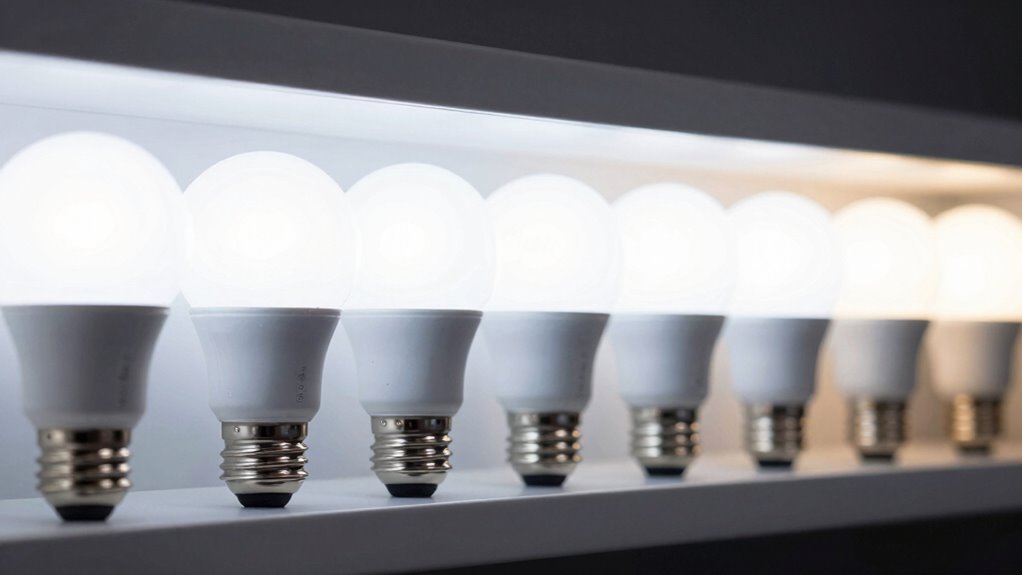
Wattage and power consumption directly influence an LED’s performance and long-term cost. Higher wattage often means more brightness, but it doesn’t always equate to better energy efficiency. Choosing LEDs with lower wattage and high energy efficiency can save you money on energy bills over time. Additionally, lower power use reduces heat output, which can extend the lifespan of the fixture and lower maintenance costs. Keep in mind that installation costs are also affected; more powerful LEDs may require special fixtures or wiring, increasing upfront expenses. By understanding how wattage impacts both performance and energy efficiency, you can make smarter choices that balance brightness, cost, and long-term savings. Understanding energy efficiency metrics helps ensure you get the most value from your lighting investments. Moreover, considering heat dissipation is essential, as excess heat can degrade LED performance and shorten lifespan over time. Incorporating thermal management techniques can further improve LED longevity and reliability. Properly managing thermal dissipation can significantly enhance the overall performance and lifespan of LED fixtures, making them a more cost-effective solution in the long run.
Why Color Temperature and CRI Matter for Light Quality

Your choice of light impacts how colors look and feel in a space, making color temperature and CRI key factors. Understanding these metrics helps you select lighting that matches your needs and enhances the environment. When selecting a lighting system, considering customer reviews can provide insights into real-world performance and reliability. Additionally, knowing the color rendering index can help you choose lights that accurately display colors, which is especially important for tasks requiring visual precision. A high lighting efficiency can also reduce energy consumption while maintaining quality. Recognizing the importance of spectral distribution can further improve your understanding of how light affects color perception and overall ambiance. Let’s explore why they matter so much for quality lighting. Essential home tips can guide you in making informed decisions about your lighting options to improve both function and ambiance.
Impact of Color Temperature
Color temperature plays a essential role in how we perceive the quality of light, influencing both mood and functionality. It affects how colors appear and your overall visual comfort. For example, warmer temperatures (around 2700K-3000K) create cozy atmospheres, while cooler temperatures (5000K-6500K) promote alertness and focus. When considering light quality, pay attention to:
- Color rendering: Guarantees colors look natural and vibrant under different temperatures.
- Visual comfort: Avoids harsh or flickering light that strains your eyes.
- Application suitability: Match color temperature with the space’s purpose for best effect.
Choosing the right color temperature enhances your environment, improves color perception, and promotes a comfortable visual experience. It’s an essential factor that can’t be overlooked when evaluating LED lighting, especially since light quality factors directly impact how well your space functions and feels. Additionally, understanding color temperature and CRI can help you select lighting that aligns with both aesthetic and practical needs.
Importance of CRI Ratings
While color temperature influences the mood and functionality of your lighting, it’s equally important to evaluate the CRI, or Color Rendering Index, when contemplating light quality. CRI measures how accurately a light source reveals the true colors of objects, which is crucial for tasks requiring precise color rendering. A high CRI ensures that colors appear natural and vibrant, enhancing visual clarity. Additionally, a good CRI contributes to better light uniformity, reducing color distortions across your space. Poor CRI lighting can make environments look dull or distorted, impacting activities like cooking, artwork, or shopping. When choosing LEDs, prioritize those with a high CRI rating to achieve excellent color rendering and consistent light quality. This balance guarantees your space is both visually appealing and functionally effective. Understanding cryptid mysteries can also add an intriguing perspective to how we perceive the unseen or misunderstood elements in our environment.
Choosing Light for Needs
Choosing the right lighting depends on understanding how color temperature and CRI work together to meet your needs. The right balance ensures your space feels natural, vibrant, and suitable for its purpose. When selecting LEDs, consider:
- Color temperature: Warmer tones (2700–3000K) create cozy atmospheres, while cooler tones (4000–5000K) boost alertness.
- CRI: Higher CRI (90+) reveals true colors, essential for tasks like cooking or art.
- LED lifespan and environmental impact: Longer-lasting LEDs reduce waste and energy use, lowering environmental impact. Additionally, selecting energy-efficient lighting can significantly decrease your carbon footprint.
Being aware of lighting quality factors helps you choose lighting that enhances your environment, saves energy, and minimizes waste, making your space more functional and sustainable.
Comparing Brightness and Price: Which LED Offers Better Value?
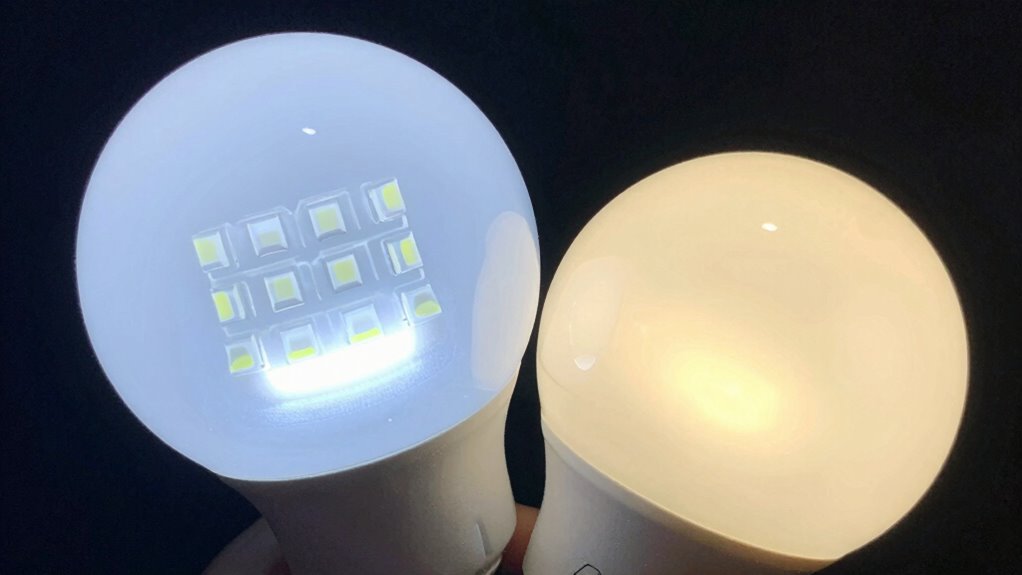
When comparing LEDs, it’s tempting to focus solely on brightness or price, but the real value lies in understanding how these factors relate. A brighter LED might seem like a better deal, but if it’s less energy efficient, your electricity bills will increase over time. Similarly, initial costs aren’t the only consideration—installation costs can considerably affect overall value, especially if a more expensive LED requires complex setup. Cheaper LEDs with lower energy efficiency may save money upfront but cost more in the long run through higher energy consumption. To find the best value, weigh brightness against energy efficiency and installation costs. The LED that offers ideal brightness while minimizing energy use and installation expenses provides the best overall value. Additionally, considering early detection of health issues can help prevent more costly medical treatments later on, and understanding energy efficiency metrics can guide smarter purchasing decisions. Recognizing long-term savings through energy-efficient choices is essential for making sustainable and cost-effective lighting decisions.
How Beam Angle and Light Distribution Affect Your Space
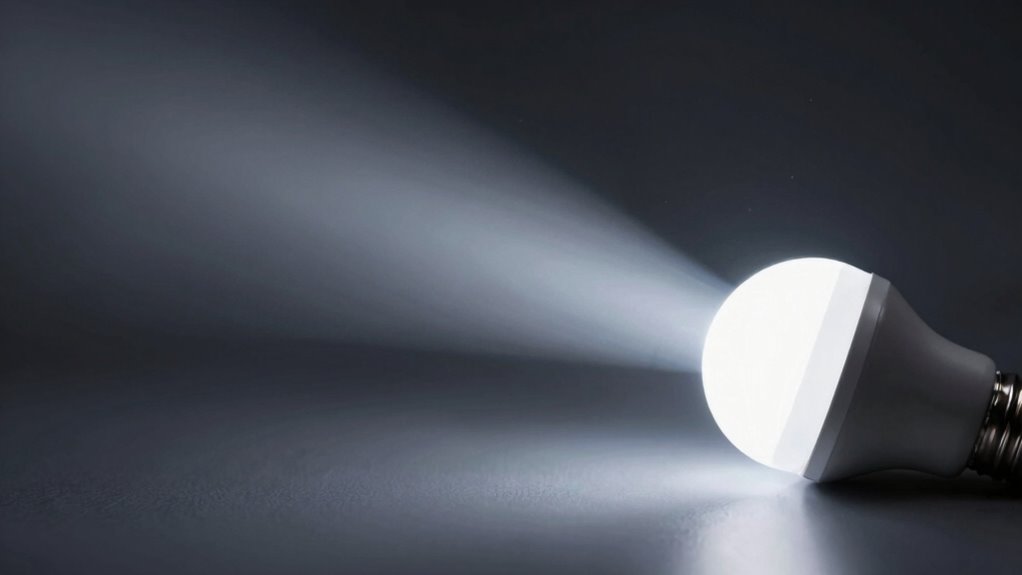
Understanding beam angle and light distribution is essential because they determine how effectively a LED illuminates your space. A wider beam spread covers more area but may reduce light uniformity, creating uneven lighting. Conversely, a narrower beam provides focused illumination, ideal for highlighting specific spots. When selecting LEDs, consider:
- The beam spread to match your space’s size and purpose
- How light distribution impacts overall light uniformity
- The balance between brightness and coverage to avoid dark spots or glare
Properly understanding these factors guarantees your space is well-lit without wasting energy or creating harsh contrasts. Adjusting beam angles allows you to optimize light placement, making your lighting setup both functional and visually comfortable.
Common Mistakes When Focusing Only on LED Count
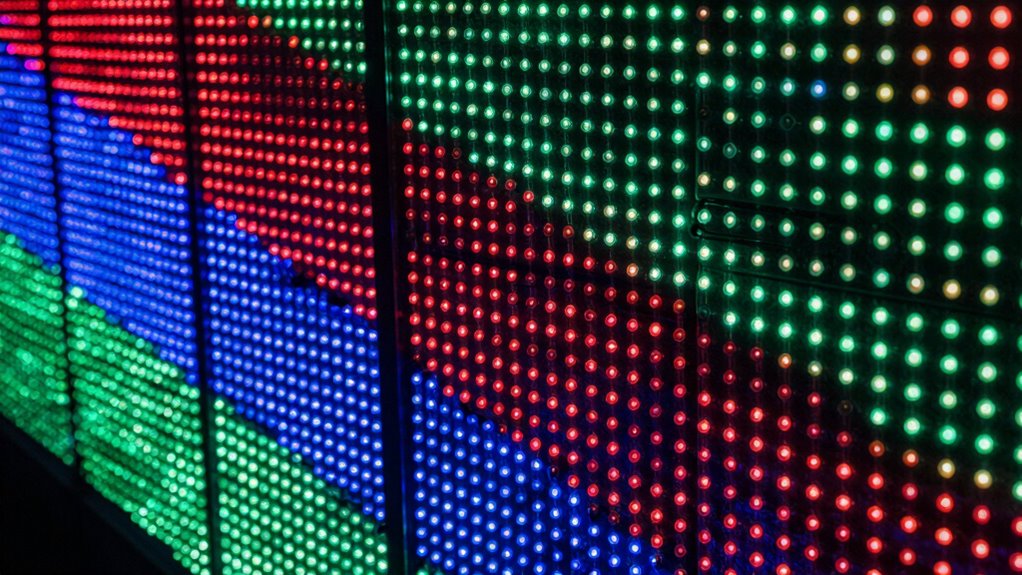
Focusing solely on the number of LEDs can lead you to overlook their actual performance and how well they light your space. More LEDs don’t always mean better lighting. Ignoring factors like LED lifespan and energy efficiency can result in higher costs and shorter-lasting solutions. A high LED count might seem attractive, but if those LEDs aren’t energy-efficient, you’ll spend more on electricity. Similarly, LEDs with a short lifespan require frequent replacements, increasing maintenance costs. To help visualize, consider this comparison:
| LED Count | Energy Efficiency | Lifespan |
|---|---|---|
| High | Low | Short |
| Moderate | Moderate | Long |
| Low | High | Very long |
| Excessive | Poor | Shorter life |
Choose quality over quantity to make certain of better lighting and value.
How to Choose the Best LED Lighting for Your Needs
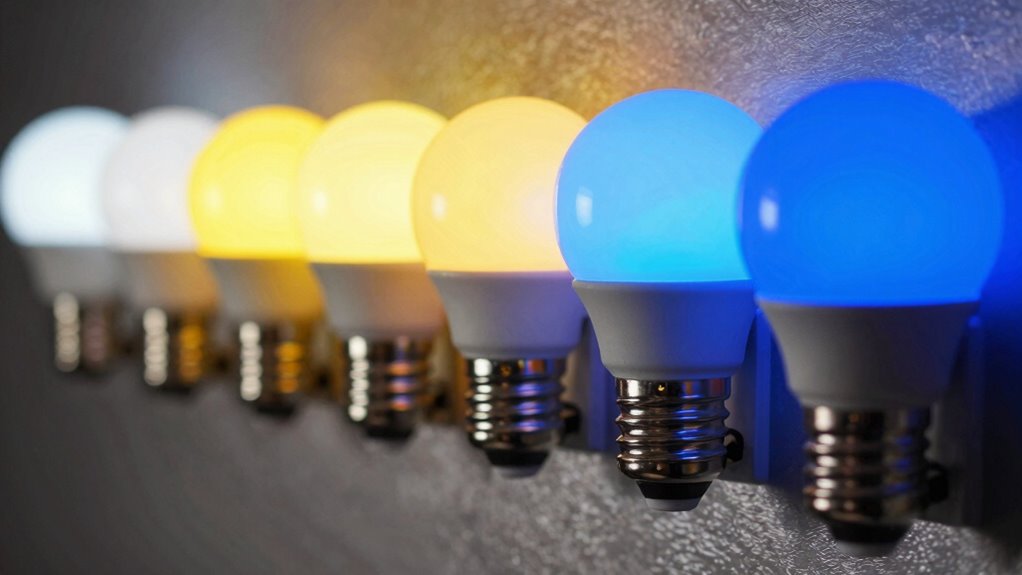
Choosing the right LED lighting for your needs requires considering several key factors beyond just brightness. First, evaluate color rendering—how accurately the light displays colors—vital for tasks like cooking or artwork. Second, prioritize energy efficiency to save costs and reduce your environmental impact. Third, consider the light’s color temperature to create the desired ambiance, whether warm or cool. Keep these points in mind:
- Look for high color rendering index (CRI) ratings for true color display
- Opt for LEDs with good energy efficiency to lower electricity bills
- Match color temperature to your space’s mood and purpose
Frequently Asked Questions
How Does LED Lifespan Influence Overall Lighting Cost?
Your LED lifespan directly impacts overall lighting cost by enhancing cost efficiency through longevity factors. When LEDs last longer, you spend less on replacements and maintenance, saving money over time. Longer-lasting LEDs ensure consistent brightness and performance, reducing frequent upgrades. By choosing LEDs with superior longevity, you maximize your investment, lower ongoing expenses, and enjoy reliable lighting, making them a smarter, more economical choice for your space.
Can Higher LED Counts Cause Glare or Uneven Lighting?
Higher LED counts can cause glare or uneven lighting if not properly designed. Too many LEDs without glare reduction strategies may lead to hotspots and discomfort, compromising lighting uniformity. To avoid this, opt for fixtures that distribute light evenly and incorporate glare reduction features. Proper planning guarantees your space maintains consistent illumination, minimizes glare, and enhances visual comfort, regardless of the number of LEDs used.
What Role Does LED Driver Quality Play in Performance?
LED driver quality directly impacts your lighting performance by ensuring power efficiency and proper thermal management. A high-quality driver supplies consistent current, reducing flickering and extending the lifespan of your LEDs. It also manages heat better, preventing overheating and maintaining brightness. Poor drivers can cause uneven lighting, glare, and increased energy costs. So, investing in a reliable LED driver is essential for maximum brightness, longevity, and energy savings.
How Do Environmental Factors Affect LED Brightness?
Environmental factors like heat dissipation and ambient temperature directly impact your LED brightness. If heat isn’t managed well, LEDs can overheat, causing brightness to dim or flicker. High ambient temperatures reduce the LED’s ability to emit light efficiently, while good heat dissipation keeps the LED cooler, maintaining ideal brightness. To guarantee your LEDs stay bright, consider proper ventilation and cooling solutions that manage heat and environmental conditions effectively.
Are There Health Considerations With Different LED Color Temperatures?
Your eyes are tiny warriors fighting blue wavelength exposure from LED lights, which can disrupt your circadian rhythm. Cooler color temperatures emit more blue, increasing potential sleep issues and eye strain, making them a health hazard. Warmer LEDs reduce this impact, supporting better sleep and eye comfort. To stay healthy, choose LED lighting wisely, prioritizing warmer tones, especially in the evening, to protect your circadian health.
Conclusion
So, next time you’re shopping for LEDs, remember—more isn’t always better. Instead, focus on the true metrics that matter, like lumens, color quality, and efficiency. Imagine lighting that transforms your space, perfectly balanced and tailored just for you. Will you settle for the brightest bulb, or will you uncover the secret to truly brilliant lighting? The choice is yours—dive deeper, and let your space shine in ways you never expected.