High-irradiance panels might seem like the best choice, but they aren’t always smartest for everyone. Their distinct look can clash with your home’s aesthetic, and installation might be more complex and costly. Plus, their performance depends on your location’s sunlight and climate. If you’re in a less sunny area or want a sleek design, these panels may not be ideal. Keep exploring to see how these factors could impact your decision.
Key Takeaways
- They may not blend well aesthetically, potentially reducing curb appeal and conflicting with home design.
- Installation can be more complex and costly due to specialized hardware and precise positioning needs.
- Performance depends heavily on local climate; less effective in low-sunlight or unpredictable weather areas.
- Higher initial costs may not be justified by energy gains, especially in less sunny regions.
- Technological advancements may improve standard panels faster, making high-irradiance options less cost-effective over time.
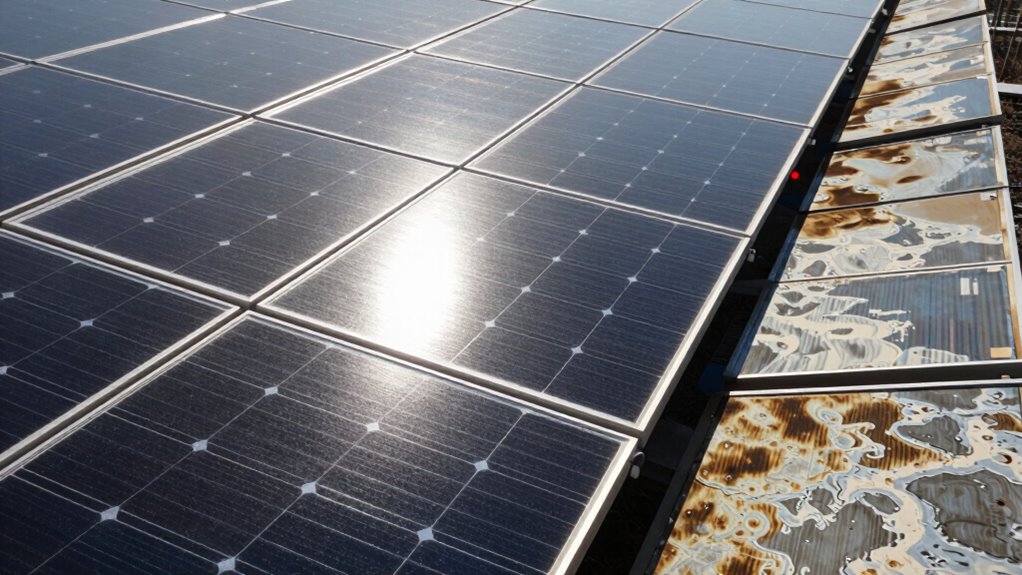
High-irradiance panels are designed to maximize energy production in conditions of intense sunlight, making them ideal for regions with high solar exposure. However, just because they excel in sunny environments doesn’t mean they’re always the best choice for your situation. One key factor to contemplate is aesthetic integration. These panels often have a distinct appearance that might not blend seamlessly with your roof or home design. If you’re aiming for a sleek, uniform look, high-irradiance panels could stand out more than traditional options, disrupting your home’s visual harmony. This visual aspect matters more than you might think, especially if you’re concerned about curb appeal or are trying to maintain a certain architectural style.
Beyond aesthetics, installation complexity plays a crucial role in deciding whether these panels suit you. High-irradiance panels sometimes require additional mounting hardware or specialized installation procedures to optimize their performance. This can make the installation process more intricate, potentially increasing labor costs and installation time. If your roof has limited space or complex angles, fitting high-irradiance panels might become challenging. They may also demand precise positioning to ensure maximum exposure to sunlight, which could require more effort and expertise during setup. In some cases, this added complexity might not be justified by the energy gains, especially if your location isn’t consistently sunny. Additionally, understanding the performance metrics of these panels can help determine if they truly meet your energy needs efficiently. Considering local climate conditions can also influence whether high-irradiance panels will perform as expected in your environment. It’s also worth noting that technological advancements are continuously improving these panels, which could impact their long-term viability and compatibility with your existing system. Furthermore, conducting a thorough cost analysis can help you weigh the initial investment against the projected long-term savings.

860 watt Bifacial Solar Panels,UL61730 Certified 2PCS 430W 24V/48V High Efficiency Solar Panel with A+ Grade Solar Cells for Residential Farm Garden Off Grid Home
1. UL61730 Certified & 30-Year Long Lifespan ETL certified to meet North American safety standards, ensuring compliance with…
As an affiliate, we earn on qualifying purchases.
As an affiliate, we earn on qualifying purchases.
Frequently Asked Questions
Are High-Irradiance Panels More Cost-Effective Long-Term?
Yes, high-irradiance panels can be more cost-effective long-term. An economic analysis shows they often generate more energy in high-sunlight areas, boosting your savings. However, their higher upfront costs may offset these gains if your location doesn’t receive consistent high sunlight. Conduct an efficiency comparison specific to your climate and energy needs to determine if investing in high-irradiance panels will truly pay off over time.
How Do High-Irradiance Panels Perform in Cloudy Weather?
In cloudy weather, high-irradiance panels generally perform better than traditional panels, but their clouded performance still drops. You’ll notice a reduced energy output due to lower light levels, and shading impact becomes more significant since even diffuse light is limited. While they still generate power, expect decreased efficiency. To maximize your system, consider panel placement and shading minimization, especially during overcast days, to optimize performance.
What Are the Installation Challenges for High-Irradiance Panels?
You might think high-irradiance panels are a breeze to install, but their installation complexity and structural requirements tell a different story. They often need sturdy mounts, precise angles, and sometimes reinforced rooftops, making the process more challenging than standard panels. Ironically, their performance benefits come with increased installation challenges, requiring careful planning and expertise to guarantee safety and peak efficiency.
Do High-Irradiance Panels Require Special Maintenance?
High-irradiance panels do require some special maintenance, mainly to guarantee they maintain peak performance. You’ll need to regularly clean the panels to prevent dirt and debris buildup, which can impact efficiency. Durability concerns are also worth noting; these panels are built to withstand harsh conditions, but you should inspect them periodically for damage or wear. Proper maintenance helps extend their lifespan and keeps energy output high.
Are High-Irradiance Panels Suitable for Small Rooftops?
High-irradiance panels can be suitable for small rooftops, especially if your space gets consistent, direct sunlight—up to 30% more energy than standard panels. However, rooftop compatibility depends on shading considerations; even minor shadows can considerably reduce their efficiency. If your small roof has minimal shading and good sunlight exposure, these panels can maximize your limited space. Just make certain your setup accounts for shading to optimize performance.
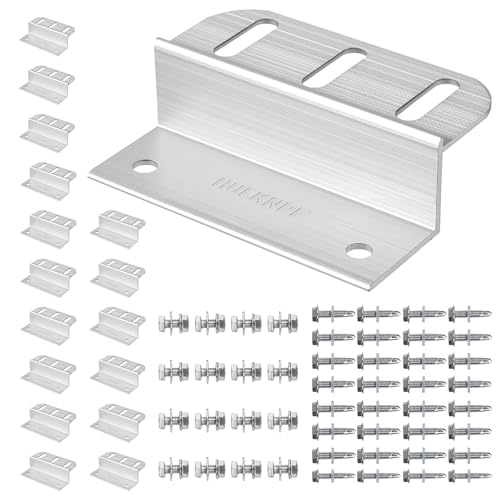
HULKNPE Z Brackets Solar Panel Mounting Kit (16 Pack) – Heavy Duty Corrosion-Resistant Aluminum for RV, Boat, Roof & Off-Grid Installations
Durable & Wind-Resistant Build: Crafted from corrosion-resistant aluminum alloy, these heavy-duty Z brackets provide long-lasting, stable performance and…
As an affiliate, we earn on qualifying purchases.
As an affiliate, we earn on qualifying purchases.
Conclusion
Remember, choosing solar panels is like planting a garden—you need the right seed for your soil. High-irradiance panels might seem like the bright sun, but they aren’t always the best fit for every landscape. Sometimes, a more adaptable, humble plant will flourish longer and stronger. Don’t let the shiny sun tempt you—look beyond the surface, and pick the panel that truly harmonizes with your unique environment. The right choice blooms into lasting energy and savings.
HULKNPE Z Brackets Solar Panel Mounting Kit (16 Pack) – Heavy Duty Corrosion-Resistant Aluminum for RV, Boat, Roof & Off-Grid Installations
Durable & Wind-Resistant Build: Crafted from corrosion-resistant aluminum alloy, these heavy-duty Z brackets provide long-lasting, stable performance and…
As an affiliate, we earn on qualifying purchases.
As an affiliate, we earn on qualifying purchases.
860 watt Bifacial Solar Panels,UL61730 Certified 2PCS 430W 24V/48V High Efficiency Solar Panel with A+ Grade Solar Cells for Residential Farm Garden Off Grid Home
1. UL61730 Certified & 30-Year Long Lifespan ETL certified to meet North American safety standards, ensuring compliance with…
As an affiliate, we earn on qualifying purchases.
As an affiliate, we earn on qualifying purchases.