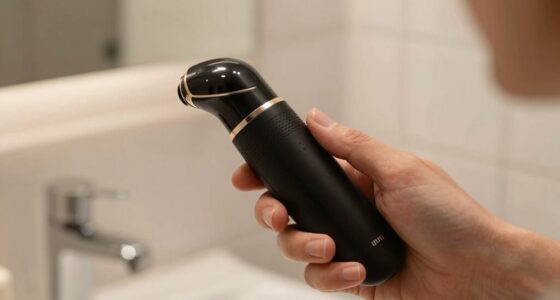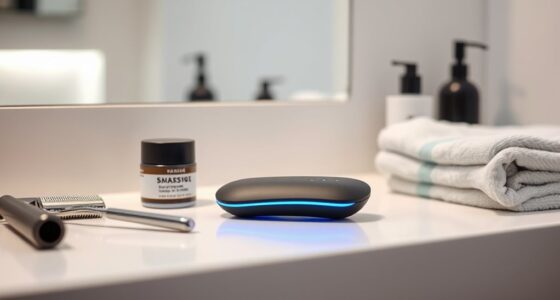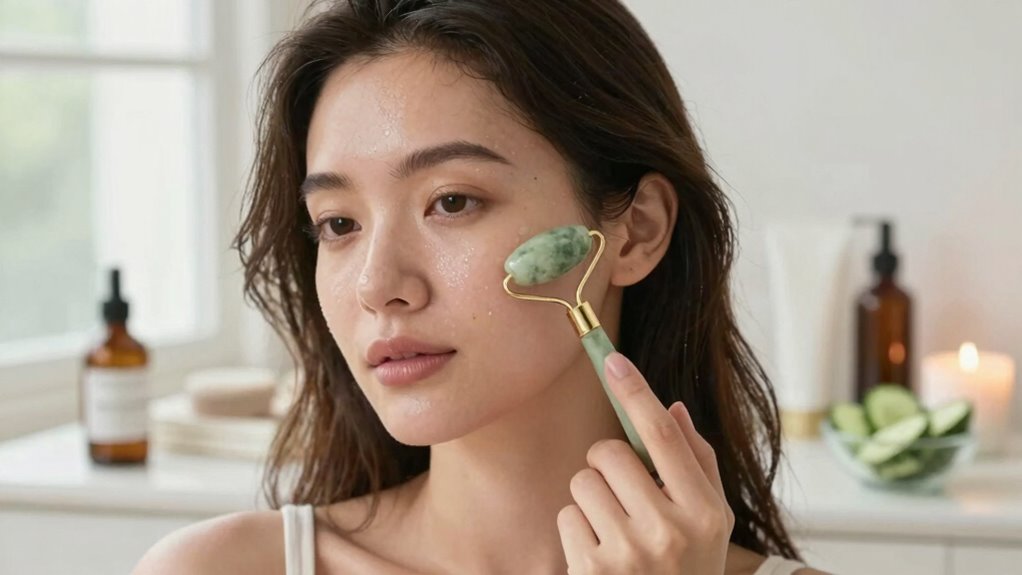

To help your skin look less tired after travel, focus on staying well-hydrated by drinking plenty of water and electrolyte drinks, while avoiding alcohol and caffeine. Support your circadian rhythm by exposing yourself to natural light during the day and creating a calming sleep environment with dimmed lights, masks, and white noise. Follow a simple skincare routine with gentle cleansers, hydrating serums, and moisturizers. Keep up with these tips to accelerate recovery and reveal a vibrant, refreshed glow.

Get wellness gear delivered free — and shop member deals
- Fast, free delivery on millions of items
- Access to Prime Big Deal Days deals on October 6–7
- Prime Video, Amazon Music and more included
Key Takeaways
- Prioritize hydration by drinking water and electrolyte drinks to maintain skin moisture and reduce dullness.
- Adjust to the new time zone quickly by exposing yourself to natural light during the day.
- Use a gentle cleanser, hydrating serum, and hyaluronic acid moisturizer to support skin recovery.
- Create a calming sleep environment with dim lighting, sleep masks, and white noise to improve rest quality.
- Incorporate eye creams and facial mists to reduce puffiness, dark circles, and boost skin radiance.
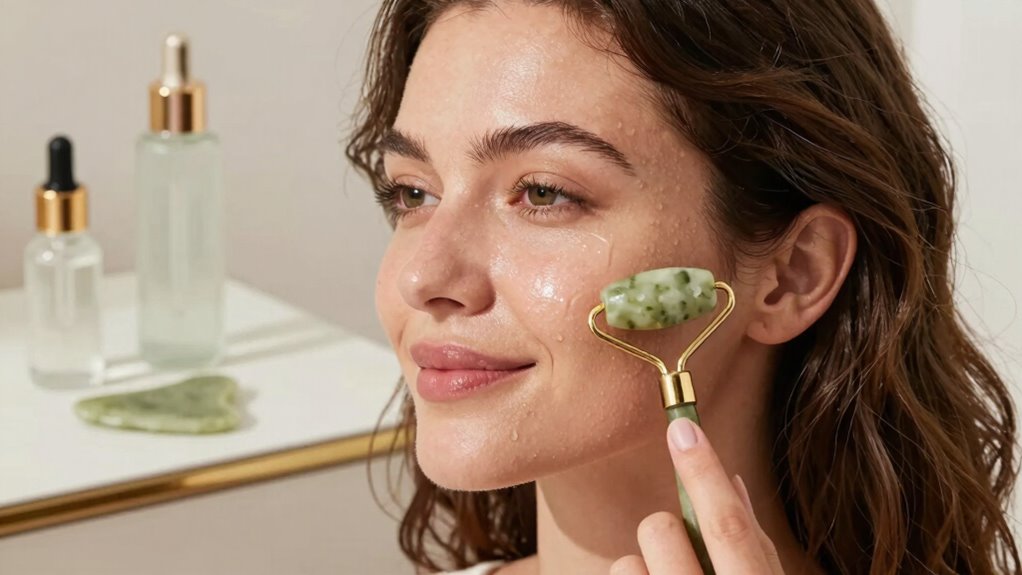
Travel jet lag can disrupt your body’s internal clock, leaving you tired and out of sync. This fatigue often shows on your face, making your skin look dull, tired, and less vibrant. To combat this, developing a travel jet lag routine that focuses on skin recovery is essential. The first step is to prioritize hydration tips, as dehydration from flying can sap your skin’s moisture, leaving it dry and dull. Drink plenty of water before, during, and after your flight. Incorporate electrolyte-rich drinks to replenish lost minerals, and avoid alcohol and caffeine, which can further dehydrate you. Staying well-hydrated helps your skin retain elasticity and glow, making you look less tired even if your body feels drained.
Alongside hydration, sleep strategies play a key role in your recovery. Jet lag messes with your sleep cycle, so it’s imperative to establish a routine that promotes rest. Try to adapt to the local time zone as soon as possible by exposing yourself to natural light during the day. This helps reset your internal clock and signals your body to stay awake or sleep accordingly. When it’s time to rest, create a calming environment by dimming the lights and avoiding screens, which emit blue light that inhibits melatonin production. Using sleep masks or white noise machines can also improve the quality of your sleep, helping your skin recover from the fatigue of travel. Incorporating light exposure at the right times can significantly aid in adjusting your circadian rhythm for quicker recovery. Remember, circadian rhythm plays a vital role in how your body manages sleep and alertness, and supporting it can accelerate your recovery process. A consistent routine that aligns with your natural rhythms can make a noticeable difference in your overall well-being. Ensuring that your sleep environment is comfortable and free of distractions is also crucial for restful sleep. Creating a comfortable sleep environment can help you fall asleep faster and improve sleep quality, which is vital for skin health.
In addition to hydration and sleep, consider incorporating specific skincare steps to reduce the appearance of tiredness. Use a gentle cleanser to remove impurities from your skin, followed by a hydrating serum packed with antioxidants to boost radiance. Applying a moisturizer with hyaluronic acid can lock in moisture, making your skin look plump and refreshed. Don’t forget to include eye creams that diminish puffiness and dark circles, as these areas tend to show fatigue most prominently. Regularly applying a soothing facial mist can also provide an instant boost of hydration and comfort. Incorporating skincare routines that target fatigue can further enhance your glow and help combat the effects of travel.
Finally, stick to a simple but consistent skincare routine, even when you’re on the go. This will help your skin recover faster from the stresses of travel and jet lag. By combining good hydration tips, sleep strategies, and targeted skincare, you can help your skin look less tired and more vibrant, no matter how long your journey. Remember, the goal is to support your body’s natural rhythms and give your skin the nourishment it needs to bounce back quickly.
hydrating electrolyte drinks for travel
As an affiliate, we earn on qualifying purchases.
As an affiliate, we earn on qualifying purchases.
Frequently Asked Questions
How Long Before a Trip Should I Start My Skincare Routine?
Start your travel skincare routine about a week before your trip. This gives your skin time to strengthen and adapt with nourishing products and hydration. Incorporate jet lag remedies like brightening serums and moisturizers to boost your glow. Consistent travel skincare helps minimize tiredness and prepares your skin for the journey. By the time you travel, your skin will look healthier and more resilient, making jet lag less noticeable.
Are There Specific Ingredients That Combat Jet Lag-Related Skin Issues?
Think of your skin as a sponge soaking up the best ingredients—Vitamin C and Hyaluronic Acid are your go-to heroes. Vitamin C brightens dull, tired skin and even out your complexion, while Hyaluronic Acid keeps it hydrated and plump. These ingredients fight jet lag’s effects by reducing inflammation and boosting radiance, helping you look refreshed and energized after long flights. Incorporate serums with these into your routine for a visible glow.
Can Diet Influence How My Skin Recovers From Travel Fatigue?
Yes, your diet can considerably influence your skin’s recovery from travel fatigue. Incorporate jet lag remedies like hydrating foods and antioxidant-rich fruits to boost your skin’s resilience. Follow travel skincare tips by eating nutrient-dense meals that support skin repair and reduce inflammation. Staying well-hydrated and consuming vitamins A, C, and E helps your skin bounce back faster, making your travel recovery smoother and your skin look more refreshed.
Is There a Recommended Sleep Schedule During Long Flights?
To optimize your sleep during long flights, aim for a schedule that mimics your destination’s nighttime. Use sleep optimization techniques like eye masks, neck pillows, and noise-canceling headphones to promote restful habits. Even if it feels unnatural, try to sleep when it’s dark outside. This helps your body adjust faster, reducing fatigue and skin dullness. Staying hydrated and avoiding caffeine also support your skin’s recovery during the flight.
How Do I Maintain Hydration Levels Effectively While Traveling?
To maintain hydration levels effectively while traveling, drink plenty of water and avoid hydration myths that suggest caffeine or alcohol boost hydration—these can actually dehydrate you and damage your skin barrier. Keep a refillable water bottle handy and sip regularly, especially on long flights. Incorporate hydrating foods like fruits and vegetables, and use a moisturizer to protect your skin barrier, ensuring your skin stays plump and refreshed despite travel fatigue.
Conclusion
By following this travel jet lag routine, you’ll wake up looking as refreshed as someone who’s just returned from a month-long vacation. Say goodbye to tired, dull skin and hello to a radiant glow that defies the exhaustion of travel. Remember, your skin’s resilience is stronger than you think—so trust this routine to turn back the clock and make jet lag just a minor blip in your journey. Stay radiant, no matter where you go!
Fall Picks
fall essentials
As an affiliate, we earn on qualifying purchases.