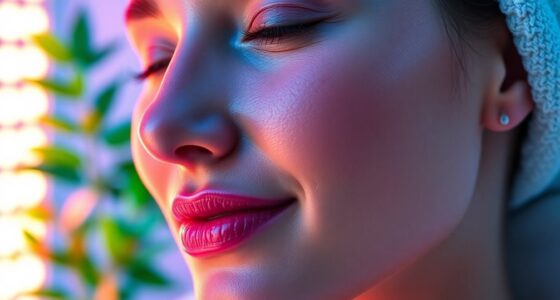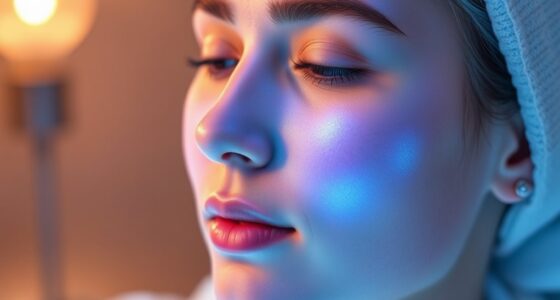

Light influences how you feel and how you look, but these goals often need different setups. Bright, natural light can boost your mood by increasing serotonin but might not flatter your skin. Softer, warmer lighting creates comfort and eases anxiety, helping you feel relaxed. Meanwhile, adjusting lighting to suit your skin tone can make your appearance more vibrant and even. If you’re curious about balancing these effects for your space, there’s more to discover.
Open a free Amazon Business account
Business pricing, bulk buying and tax-exempt orders.
As an affiliate, we earn on qualifying purchases.
Key Takeaways
- Light that boosts mood (like bright, natural light) may not always enhance skin appearance.
- Warm, softer lighting improves appearance by creating an even, flattering skin tone.
- Harsh lighting energizes the environment but can highlight imperfections, affecting appearance.
- Different lighting setups can be used to optimize either emotional comfort or aesthetic look.
- Balancing lighting choices helps achieve both improved mood and enhanced appearance simultaneously.
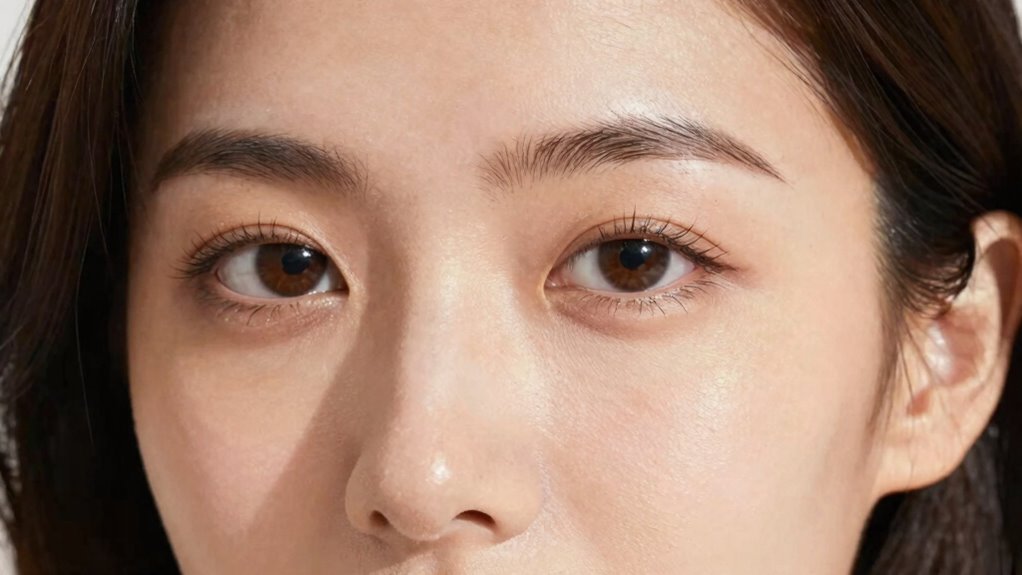
Sometimes, the way light affects us can be confusing—what makes us feel better isn’t always the same as what makes us look better. You might notice that a certain soft glow lifts your mood, while a different kind of light emphasizes your skin tone differently. When it comes to light, feeling better and looking better are two separate experiences, even though they often overlap. Understanding this difference helps you choose the right lighting for your needs, whether you’re trying to boost your confidence or simply improve your mood.
Lighting impacts us differently: what boosts mood may not enhance appearance—understanding this helps you choose wisely.
Your skin tone plays a major role in how light influences your appearance. Warm lighting, such as golden or yellow hues, can enhance the natural warmth of your skin, making you look healthier and more vibrant. On the other hand, cool lighting—think bluish or white tones—might give your skin a paler or more washed-out look, which isn’t always flattering. But feeling better isn’t just about how you look; it’s about how the light interacts with your mood too. For example, softer, warmer light can create a cozy atmosphere that eases anxiety and promotes relaxation. This kind of lighting might not be the most flattering in a mirror, but it can lift your spirits and help you feel calmer.
While bright, natural light often improves your mood by boosting serotonin levels, it doesn’t always align with what looks best on your skin. Sometimes, exposure to harsh light can make imperfections more noticeable, which might bother you aesthetically but still lift your mood by energizing your environment. Conversely, dimmer, warmer lighting might hide imperfections and give your skin a more even tone, making you look better in photos or in the mirror. Yet, this softer lighting might not have the same mood-enhancing effect as bright sunlight, which energizes and invigorates. Additionally, understanding how different types of light interact with skin tone can help you make better choices for both appearance and emotional well-being. Recognizing the importance of lighting quality can further refine your environment to match your desired effect, creating a space that supports both your aesthetic and emotional needs. It’s also helpful to consider how lighting arrangements can be optimized to achieve a balance between these effects, especially in personal or professional spaces. Paying attention to lighting positioning can significantly influence how both your mood and appearance are affected, making your environment more adaptable to your goals.
Ultimately, you need to recognize that what makes you feel better isn’t necessarily what makes you look better. Mood enhancement often comes from lighting that creates comfort and emotional warmth, even if it doesn’t perfectly highlight your features. Conversely, looking better might mean choosing lighting that emphasizes your skin tone and minimizes flaws, but it might not give you that same emotional boost. Knowing this can help you fine-tune your environment—whether it’s your home, workspace, or selfie setup—to suit your goals. Sometimes, balancing both requires switching between different lighting styles depending on whether you’re aiming for a mood lift or a polished look. Being aware of lighting effects can help you optimize your space for both emotional and aesthetic benefits.
As an affiliate, we earn on qualifying purchases.
Frequently Asked Questions
Can Light Therapy Replace Medication for Mood Disorders?
Light therapy can’t fully replace medication for mood disorders, but it can be a helpful alternative treatment or supplement. You might find that combining light therapy with lifestyle adjustments, like regular exercise and sleep routines, enhances your mood. Always consult with a healthcare professional before making changes. While some people benefit from light therapy alone, others need an extensive approach that includes medication to effectively manage their mood disorder.
How Quickly Can I See Results From Light Therapy?
You can start noticing results from light therapy within a few days to two weeks, especially with consistent use. While natural remedies and lifestyle changes like regular sleep schedules and outdoor activities help, light therapy often provides quicker mood improvements. Keep in mind, individual responses vary, so patience is key. Combining these approaches can enhance your overall well-being and speed up feeling better naturally.
Are There Any Risks Associated With Light Therapy?
An ounce of prevention is worth a pound of cure. Light therapy is generally safe, but you should be aware of risks like excessive UV exposure and eye safety concerns. Too much UV can damage your skin and eyes, so always follow safety guidelines. Use protective eyewear and limit exposure time. Consult a professional to make certain you’re using the therapy correctly and minimize potential risks.
What Types of Light Are Most Effective for Skin Improvement?
You’ll find that LED therapy, especially red and near-infrared lights, is most effective for skin improvement because it stimulates collagen and reduces inflammation. Unlike UV exposure, which can damage your skin, LED therapy offers a safer alternative without risking burns or aging. By choosing LED devices over UV exposure, you get targeted, gentle treatment that promotes healthier skin and minimizes risks associated with traditional light therapies.
Is Light Therapy Suitable for Children or Pregnant Women?
You might wonder if light therapy is safe for children or pregnant women, and the answer is generally yes, but with precautions. Child safety and pregnancy considerations mean consulting a healthcare professional first. While light therapy can be beneficial, it’s important to tailor treatments to individual needs. Always guarantee that the device used is appropriate and supervised by a specialist to avoid any risks during pregnancy or childhood.
Conclusion
Remember, using light can enhance both how you feel and how you look, but they aren’t the same thing. If you think feeling better means only emotional comfort, picture a sunrise — it lifts your mood but also brightens your surroundings. Conversely, a stylish lighting fixture might make your space look stunning, but it won’t change your mood instantly. Embrace both, and you’ll enjoy a brighter, more confident you, inside and out.
Flea & tick season Picks
flea and tick prevention
As an affiliate, we earn on qualifying purchases.