Light therapy works gradually by resetting your body’s internal clock and balancing hormone production, such as melatonin and serotonin. While immediate results are rare, consistent daily use helps reinforce your natural light environment and supports mood and sleep over time. Patience is key, as changes can take several weeks. Keep going, and you’ll discover how establishing a routine promotes sustainable mood and energy improvements that last. If you want to understand why persistence matters, continue exploring.

Get wellness gear delivered free — and shop member deals
- Fast, free delivery on millions of items
- Access to Prime Big Deal Days deals on October 6–7
- Prime Video, Amazon Music and more included
Key Takeaways
- Light therapy gradually adjusts your circadian rhythm, so immediate results are rare; patience is essential.
- Consistent daily use reinforces natural sleep and mood regulation, leading to long-term benefits.
- Effects typically develop over weeks, not days, as the body slowly adapts to light cues.
- Short-term improvements may be minimal; sustained use yields more significant mood and energy enhancements.
- Creating a stable, light-rich environment supports ongoing biological and psychological health.
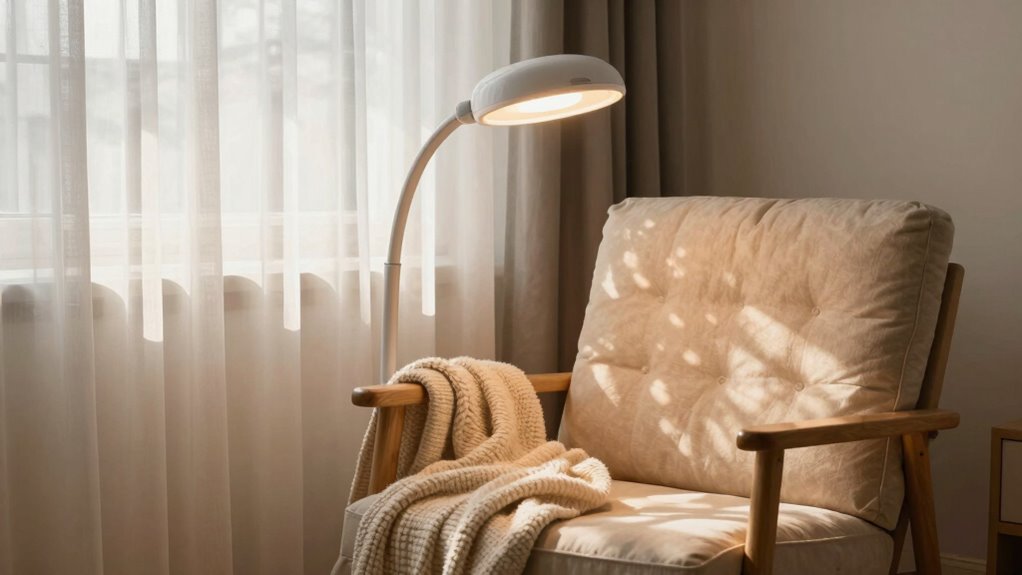
Light therapy has gained recognition as a natural, effective way to combat mood disorders, especially seasonal affective disorder (SAD). But don’t expect instant results. It’s a process that takes time, patience, and consistency. When you start light therapy, you’re fundamentally trying to reset your body’s internal clock, known as your circadian rhythm, which controls sleep-wake cycles and influences your mood. Sunlight exposure plays a crucial role here because it signals your brain to produce or suppress certain hormones, like melatonin and serotonin, that regulate sleep and mood. The goal is to mimic natural sunlight, especially during darker months when your exposure to outdoor light decreases. However, it’s important to understand that your body’s response to this kind of treatment isn’t immediate.
As you begin your light therapy routine, it might feel like you’re doing everything right but still not feeling the benefits right away. That’s normal. Your circadian rhythm needs time to adjust, and this adjustment varies from person to person. Some people might notice improvements within a week, while others may need several weeks before they feel a significant change. Consistency is key. You should aim to use your light box at the same time every morning, ideally for about 20 to 30 minutes. During this time, you’re giving your brain a strong signal that it’s daytime, helping to regulate your biological clock and improve your overall mood. Establishing routines can also enhance the effectiveness of light therapy by reinforcing your body’s natural response to consistent light exposure.
Keep in mind that the effects of light therapy build gradually. It’s not a quick fix like taking medication; instead, it’s a gentle, sustained nudge toward healthier sleep patterns and better mood regulation. If you’re patient and stick with your routine, over time, you’ll likely notice more energy, improved sleep, and a brighter outlook. Remember, sunlight exposure isn’t just about getting outside on sunny days; it’s about creating a consistent light environment that supports your circadian rhythm. This consistency helps your body learn to respond better to natural light patterns, making your mood stabilization more sustainable. Additionally, understanding how biodiversity and our natural environment influence mood can motivate you to maintain these routines. Creating a healthy light environment can also help reinforce your circadian rhythm and improve your overall well-being.
Understanding the importance of natural light exposure and its effects can further motivate you to maintain your routine and maximize benefits. So give it time, stay committed, and trust that your efforts will pay off in the long run.
light therapy lamp for seasonal affective disorder
As an affiliate, we earn on qualifying purchases.
As an affiliate, we earn on qualifying purchases.
Frequently Asked Questions
How Long Does It Take to Notice Improvements With Light Therapy?
You might start noticing improvements with light therapy within a few days to a couple of weeks, but timing expectations vary depending on your symptom progression. Some people experience quick relief, while others see gradual changes over several weeks. Consistency is key, so stick with your routine. Keep track of your progress, and if you don’t notice improvements after a month, consider consulting your healthcare provider for adjustments.
Are There Any Side Effects From Long-Term Light Therapy Use?
Long-term light therapy can cause some side effects, but they’re usually mild. You might notice potential skin sensitivity or irritation if you don’t safeguard your skin properly. Eye safety precautions are essential to prevent damage; always wear protective goggles and follow guidelines. Regularly monitoring your response helps catch any issues early. If you experience discomfort or unusual symptoms, consult your healthcare provider to guarantee safe, effective treatment.
Can Light Therapy Be Effective for Severe Depression?
Light therapy can be effective for severe depression, especially when combined with alternative treatments. You might find that therapy integration enhances its benefits, offering a more thorough approach. While it may not work instantly, consistent use can lead to significant improvements. Keep in mind, consulting a healthcare professional guarantees proper guidance, and they can help tailor the treatment plan to your specific needs for better outcomes.
What Types of Light Therapy Devices Are Safest for Home Use?
Like choosing a trusty compass on a journey, pick devices with UV safety features to protect your eyes and skin. Opt for compact, portable light therapy devices that fit easily into your routine, allowing consistent use without hassle. Always check for FDA approval and consult a healthcare professional. Safe, effective devices prioritize UV protection and portability, guiding you toward better mental health with confidence and convenience.
How Does Light Therapy Compare to Medication for Mood Improvement?
Light therapy offers a promising alternative treatment for mood improvement, especially when compared to medication. It’s a holistic approach that can boost your mood naturally by regulating your circadian rhythm. While medications may provide quicker results, light therapy has fewer side effects and can be integrated into your daily routine. Many people find it effective as part of a thorough, alternative treatment plan, supporting overall mental well-being.
Conclusion
Remember, light therapy isn’t about quick fixes; it’s about steady, lasting change. Studies show that over 60% of users notice significant mood improvements within a few weeks, proving patience pays off. So, instead of expecting instant results, stick with your routine. Embrace the gradual shift, and you’ll likely find your energy and mood lifting more consistently. Light therapy isn’t just a quick fix—it’s a sustainable way to boost your well-being over time.
Halloween Picks
halloween
As an affiliate, we earn on qualifying purchases.