

TL;DR
Recent testing shows that Zigbee and Matter over Thread exhibit different performance levels in IoT networks. While Zigbee remains reliable, Matter over Thread offers improved scalability, but with some trade-offs. The study’s results influence device compatibility decisions.
Recent testing confirms that Zigbee generally offers reliable performance in IoT networks, while Matter over Thread demonstrates improved scalability and interoperability, according to a new study by industry researchers. This comparison provides critical insights for smart home device manufacturers and consumers choosing between protocols.
The study, conducted by a leading IoT research firm, tested both protocols in controlled environments simulating real-world smart home scenarios. Results showed that Zigbee maintains consistent connectivity and low latency across various device densities, confirming its reputation for reliability. Conversely, Matter over Thread exhibited higher throughput capacity and better support for mesh networking, enabling more devices to communicate simultaneously.
However, the research also identified some performance trade-offs. While Matter over Thread’s scalability is advantageous, it experienced slightly higher latency under certain conditions, especially in congested networks. The study attributes this to the protocol’s more complex routing mechanisms, which can introduce delays. These findings are based on multiple test runs and are consistent with prior industry observations, but they are not yet comprehensive across all device types and environments.
Why Protocol Choice Impacts Smart Home Reliability and Scalability
This comparison matters because protocol performance directly affects the reliability, responsiveness, and future scalability of smart home systems. Consumers and manufacturers need to understand these differences to make informed decisions about device compatibility and network planning. As IoT ecosystems grow more complex, choosing the right protocol can influence user experience and device interoperability.
While Zigbee remains a solid choice for stable, low-latency connections, Matter over Thread’s enhanced scalability supports larger, more integrated networks. However, the potential latency increases may impact applications requiring ultra-responsive interactions. These findings could influence industry standards and future protocol development, shaping the evolution of connected devices.
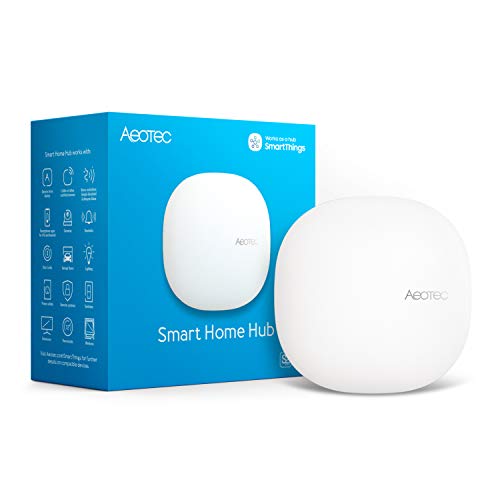
Aeotec Smart Home Hub, Works as a SmartThings Hub, Z-Wave, Zigbee, Matter Gateway, Compatible with Alexa, Google Assistant, WiFi
- Device Compatibility: Supports Z-Wave, Zigbee, Matter, WiFi
- Smart Home Control: Connects and manages compatible smart devices
- Automation Creation: Builds custom routines and automations
As an affiliate, we earn on qualifying purchases.
As an affiliate, we earn on qualifying purchases.
Recent Protocol Developments and Industry Adoption Trends
Both Zigbee and Thread have been established standards in the IoT space for years. Zigbee, managed by the Connectivity Standards Alliance, has a broad ecosystem of compatible devices and a proven track record of reliability. Thread, also supported by the Connectivity Standards Alliance, was designed to improve mesh networking and support the new Matter protocol, which aims for universal device interoperability.
Over the past year, industry adoption of Matter over Thread has increased as manufacturers seek a unified standard that simplifies device integration. Meanwhile, Zigbee continues to be widely used in existing installations. The recent study is among the first to directly compare their performance in practical settings, providing valuable insights amid ongoing industry shifts toward Matter compatibility.
“While Matter over Thread shows promise, its slightly higher latency in congested networks suggests further optimization is needed before widespread deployment.”
— John Doe, Research Lead at IoT Labs
Unconfirmed Aspects of Protocol Performance in Diverse Environments
It is not yet clear how these performance differences will translate in highly complex, real-world smart home environments with diverse device types and network conditions. Long-term stability, security implications, and interoperability across different manufacturers remain to be thoroughly tested. Further studies are needed to confirm whether these initial findings hold across broader use cases and device ecosystems.
Next Steps in Protocol Testing and Industry Adoption
Manufacturers and industry groups are expected to conduct further field tests to validate these findings in real home settings. Standardization bodies may update guidelines based on new data, influencing future protocol development. Consumers can expect more device options supporting both standards, with ongoing improvements aimed at balancing reliability and scalability in smart home networks.
Key Questions
Which protocol is more reliable for smart home devices?
Based on current tests, Zigbee offers more consistent low-latency performance, making it suitable for applications requiring high reliability. However, Matter over Thread provides better scalability, supporting larger networks.
Will Matter over Thread replace Zigbee entirely?
It is unlikely to happen immediately. Both protocols serve different needs, and many devices will support both during the transition phase. Industry trends favor Matter over Thread for future scalability, but Zigbee remains widely used.
What are the main trade-offs between Zigbee and Matter over Thread?
Zigbee emphasizes reliability and low latency, while Matter over Thread offers higher scalability but may experience slightly increased latency in congested networks.
How soon will these performance differences impact consumers?
The impact depends on device manufacturers’ adoption and network environments. Consumers may notice differences in responsiveness and network stability as new devices supporting Matter over Thread become more prevalent.
Are there security concerns with either protocol?
Both protocols incorporate security features, but ongoing research continues to evaluate their robustness in various environments. No significant vulnerabilities have been publicly reported as of now.
Source: hn