Incorporating red-light therapy into your mental-wellness routine can boost relaxation and help reduce anxiety. This gentle treatment emits low-level red light that penetrates your skin, promoting cellular repair and reducing inflammation, which supports a calmer mind. When combined with mindful breathing and journaling, it offers a holistic approach to stress relief. Keep exploring to discover more ways to build an effective routine that fosters lasting calm and resilience.
Key Takeaways
- Red-light therapy promotes cellular repair, reduces inflammation, and supports overall mental health, aiding relaxation and anxiety reduction.
- Incorporating red-light therapy into daily routines complements breathing exercises and journaling for holistic mental wellness.
- The therapy’s gentle, non-invasive nature makes it suitable for quick, consistent use to enhance relaxation and emotional resilience.
- Red-light therapy helps recharge mind and body, fostering a calm state and reducing stress linked to daily mental health challenges.
- Combining red-light therapy with mindful habits creates effective, adaptable rituals for managing anxiety and promoting relaxation.
Have you ever wondered how small daily habits can boost your mental health? Incorporating simple routines into your day can make a significant difference in managing stress and anxiety. One effective way to do this is through mindful breathing exercises. These techniques help you slow your breath, calm your nervous system, and create a sense of grounding amid chaos. When you focus on your breath, you shift your attention away from worries and racing thoughts, giving your mind a much-needed break. Whether you practice deep belly breathing, box breathing, or diaphragmatic breathing, dedicating just a few minutes daily can improve your mood and reduce feelings of tension.
Small daily habits like mindful breathing can significantly boost your mental health and reduce stress.
Alongside breathing exercises, journaling prompts serve as a powerful mental wellness tool. Taking time to write about your thoughts and feelings helps you process emotions, gain perspective, and identify patterns that may contribute to anxiety. Journaling prompts like “What am I grateful for today?” or “What is causing me stress right now?” encourage introspection and foster self-awareness. As you put pen to paper, you create a safe space to explore your inner landscape without judgment. This ritual can act as a reset button for your mind, helping you manage intrusive thoughts and cultivate a more positive outlook.
Now, imagine combining these habits into a cohesive routine. You might start your day with a few minutes of breathing exercises to center yourself. Then, after a busy day, you could wind down by journaling about your experiences or emotions. This simple sequence creates a calming ritual that signals to your brain it’s time to relax. Over time, these practices become second nature, making it easier to handle stress and reduce anxiety in real-time. They’re quick, accessible, and adaptable—perfect for busy schedules and unpredictable days.
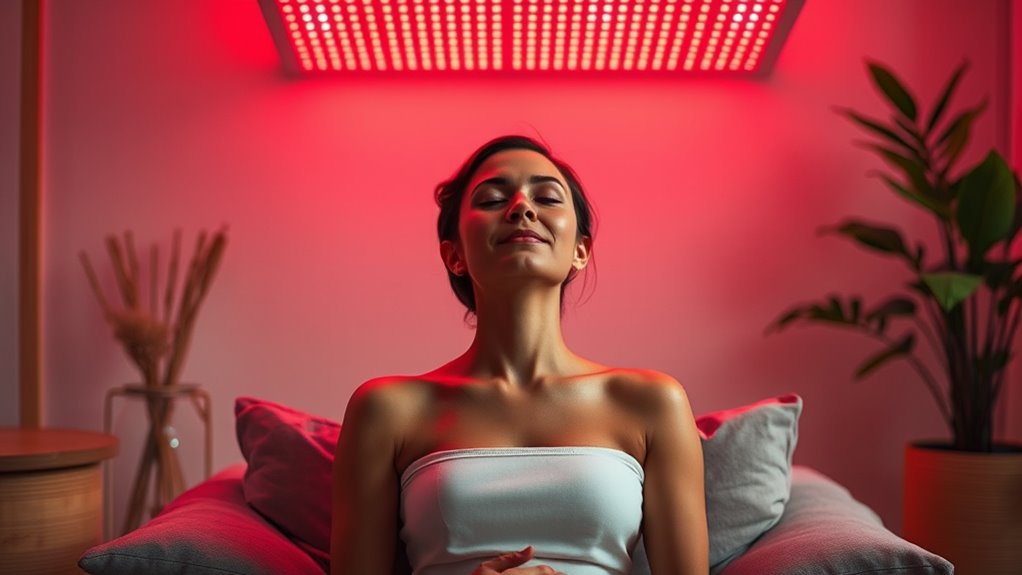
Using red-light therapy as part of your wellness ritual can further enhance relaxation. This therapy emits low-level red light that penetrates your skin and promotes cellular repair, which can help reduce inflammation and support overall mental health. When combined with breathing exercises and journaling, red-light therapy creates a holistic approach to mental wellness. It’s like giving your mind and body a gentle recharge, helping you feel more balanced and resilient. These small daily habits, when practiced consistently, empower you to take control of your mental health, fostering a calmer, more centered you.

bonodave Red Light Pad for Body Back Knee Shoulder Hands Feet 660nm 850nm Home Use 3 Chips in 1 Infrared Wrap Belt Gift for Women Men (Corded)
- Corded Red Light Therapy Pad: Gentle warmth with energy-efficient pulse mode
- Versatile Usage: Adjustable, easy-to-wrap design for any body part
- Suitable for Pets: Provides comfort and warmth for pets and family
As an affiliate, we earn on qualifying purchases.
As an affiliate, we earn on qualifying purchases.
Frequently Asked Questions
How Often Should I Use Red-Light Therapy for Anxiety Relief?
You should typically use red-light therapy 3 to 5 times a week to help manage anxiety, but it’s best to follow personalized routines and consult a healthcare professional. Pay attention to how your body responds and adjust the frequency accordingly. Consistency is key, so sticking to a regular schedule maximizes the benefits. Always listen to your body and avoid overuse to prevent any potential side effects.
Are There Any Side Effects of Red-Light Therapy?
Like Icarus flying too close to the sun, you should be aware of potential skin sensitivity and eye safety concerns with red-light therapy. While generally safe, some may experience mild skin irritation or redness. Always wear protective goggles and limit exposure to prevent eye strain. If you notice any unusual symptoms or discomfort, stop use and consult a healthcare professional. Staying cautious guarantees you safely enjoy its calming benefits.
Can Red-Light Therapy Replace Traditional Relaxation Methods?
Red-light therapy can serve as an alternative stress reduction and complementary relaxation method, but it shouldn’t fully replace traditional techniques like meditation, deep breathing, or exercise. It enhances your overall wellness by promoting relaxation, but combining it with other methods yields better results. You’ll find that integrating red-light therapy into your routine can boost relaxation and reduce anxiety, making your mental wellness practices more effective overall.
Is Red-Light Therapy Safe for All Skin Types?
Red-light therapy is generally safe for most skin types, but you should be cautious if you have high skin sensitivity or melanin concerns. People with darker skin tones might experience different results or increased risk of pigmentation changes. It’s best to consult with a dermatologist before starting therapy, especially if you have existing skin conditions or concerns about how your skin might react. Always follow device guidelines for safe use.
How Long Does It Take to See Results From Red-Light Therapy?
Imagine it’s 1899, and you’re enthusiastic for a cure-all—red-light therapy offers similar promise. You might start seeing visible improvements in relaxation and anxiety reduction within 2 to 4 weeks of consistent sessions. Timing expectations vary depending on individual needs, but patience is key. For some, noticeable benefits emerge after a few sessions, while others may require up to a month to experience significant results.
Conclusion
Incorporating red-light therapy into your mental-wellness routine can markedly reduce stress and anxiety. Did you know that over 70% of users report feeling calmer and more relaxed after just a few sessions? By making this simple ritual part of your daily life, you’re taking a proactive step toward better mental health. So, give it a try—you might find it becomes your favorite way to unwind and recharge. Your mind will thank you.