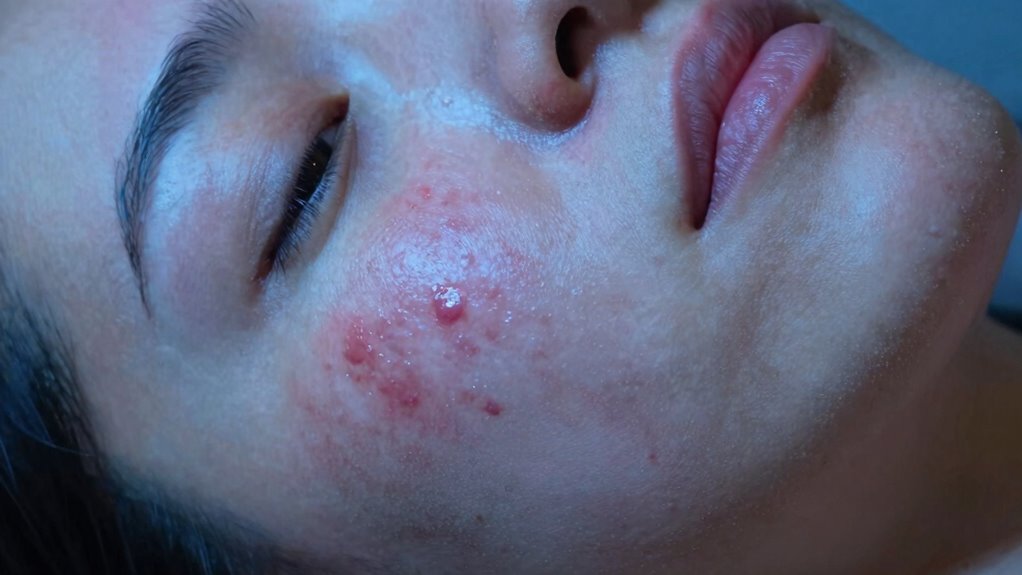

Light therapy for cystic acne targets bacteria and inflammation to help reduce breakouts and promote healing. You can expect to see improvements such as less redness, smaller cysts, and clearer skin over several weeks with consistent treatment. However, it won’t instantly clear cysts or address hormones. Results vary, and it’s often best combined with other skincare. Keep in mind, patience is key—if you stay committed, you’ll discover more about how to maximize outcomes.

Get wellness gear delivered free with Prime
- Fast, free delivery on millions of items
- Prime Video, Amazon Music and more included
- Member-only deals all year
Key Takeaways
- Expect gradual improvement in inflammation, redness, and cyst size over several weeks with consistent light therapy.
- Light therapy targets bacteria and reduces inflammation but doesn’t address hormonal imbalances or deep bacteria.
- Visible results vary; some may see noticeable changes in 4-8 weeks, but complete clearance is unlikely.
- Mild side effects like redness or dryness are common and temporary; significant skin irritation is rare.
- Combining light therapy with proper skincare, diet, and possibly other treatments enhances long-term skin health.
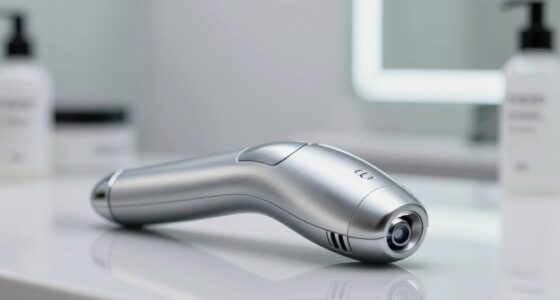
blue light therapy device for cystic acne
As an affiliate, we earn on qualifying purchases.
As an affiliate, we earn on qualifying purchases.
How Does Light Therapy Work for Cystic Acne?
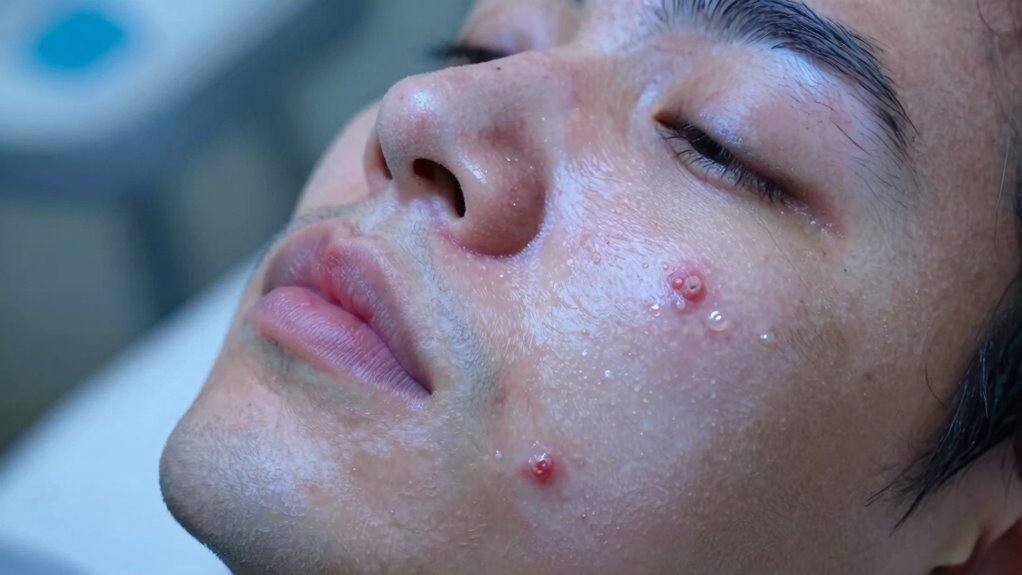
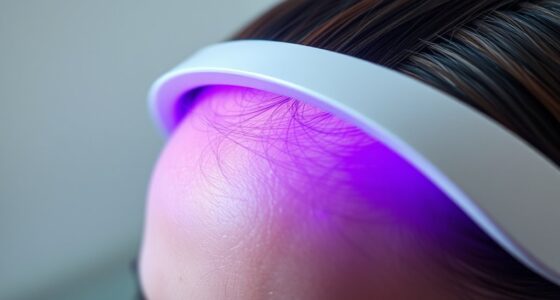
Light therapy works for cystic acne by targeting the bacteria that cause inflammation and breakouts. LED therapy, especially blue light, penetrates your skin to kill the bacteria responsible for acne. Blue light effectively reduces the bacteria that thrive in clogged pores, decreasing inflammation and preventing new cysts from forming. This treatment also helps regulate oil production, which is a key factor in cystic acne development. As you undergo blue light therapy, the light stimulates your skin’s natural healing processes without damaging the surface. You might notice that it’s a non-invasive, painless procedure that works beneath the skin’s surface, making it a popular option for targeting stubborn cystic acne. Additionally, natural healing processes can be supported by maintaining a consistent skincare routine and avoiding irritants that may worsen cystic breakouts. Proper light therapy protocols are essential to maximize benefits and minimize potential side effects, especially considering the importance of technology advancements in improving treatment outcomes. Using appropriate device settings ensures the therapy is both safe and effective for your skin type. Moreover, understanding holistic approaches can enhance overall skin health and complement light-based treatments.
What Results Can You Expect From Light Therapy?

With light therapy, you can expect to see a noticeable reduction in your cystic acne over time. Many users also experience long-term improvements in their skin’s overall health and appearance. While results vary, consistent treatment often leads to clearer, healthier skin. Additionally, just as choosing the right performance parts can enhance a vehicle’s efficiency, selecting appropriate light therapy devices can optimize your skin’s recovery process. Incorporating proper skincare routines alongside light therapy can further enhance your results and promote healthier skin.
Visible Acne Reduction
Are you wondering what kind of results you can expect from light therapy for cystic acne? While it can reduce inflammation and bacteria, visible acne improvement varies. Some see noticeable clearing in a few weeks, especially with consistent skincare routines and diet modifications. Keep in mind, results depend on acne severity and treatment adherence. Incorporating inclusive casting practices in skincare marketing can also help promote diverse beauty standards. Additionally, maintaining a comprehensive skincare routine can enhance treatment outcomes and support overall skin health. Consistent use of light therapy devices, alongside evidence-based skincare strategies, can further optimize your results. To maximize effectiveness, understanding treatment expectations and realistic timelines is essential. Recognizing the importance of patient education can help set appropriate expectations and improve treatment success.
Long-Term Skin Improvement
Consistent light therapy over several months can lead to significant long-term improvements in your skin. It may help restore hormonal balance, reducing cystic breakouts over time. Additionally, light therapy can enhance skin resilience and clarity, but your diet also plays an essential role. To maximize results, consider:
- Supporting hormonal health through balanced nutrition.
- Minimizing dietary influences that trigger inflammation.
- Maintaining a regular skincare routine alongside light therapy.
While light therapy addresses underlying causes, lasting improvement depends on your overall lifestyle. Expect gradual changes in skin texture and reduced cyst formation. Keep in mind, long-term success requires patience and a holistic approach that includes diet, hormonal management, and consistent treatment. Incorporating advanced technology in your skincare routine can further optimize your results. This combination can lead to clearer, healthier skin in the long run.
How Quickly Will You See Improvements?
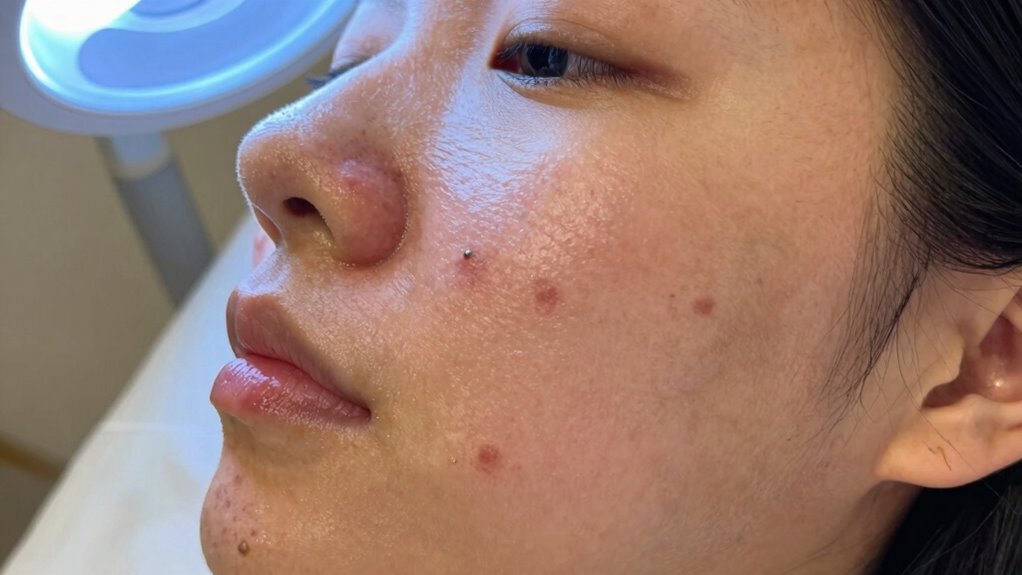
You might start noticing improvements in your cystic acne within a few weeks of beginning light therapy, but the treatment timeline varies based on your skin response and how consistently you follow the plan. Some people see faster results, while others may take longer. Patience is key, as visible changes often develop gradually. Here’s a quick overview:
| Time Frame | What to Expect |
|---|---|
| 2-4 weeks | Initial reduction in inflammation and redness |
| 4-8 weeks | Fewer cysts and clearer skin start to appear |
| 8+ weeks | Significant improvement with sustained use |
Your skin response guides progress, so consistent treatment boosts your chances of seeing results sooner. Additionally, understanding skin response can help set realistic expectations and optimize your treatment plan. Monitoring your treatment progress can further ensure you stay on track and adjust as needed for the best outcomes. Recognizing the importance of treatment adherence can also enhance the effectiveness of light therapy. Consistent use of the therapy may also positively influence your long-term results, making adherence even more crucial.
What Are the Limitations of Light Therapy for Cystic Acne?

While light therapy can be beneficial for treating cystic acne, it also has limitations that you should consider. First, it may not work alone and often needs to be combined with other alternative treatments or an improved skincare routine. Second, results can vary widely; some people see minimal improvement or only temporary relief. Third, light therapy doesn’t target all causes of cystic acne, such as hormonal imbalances or bacteria deep within your skin. Keep in mind that it’s not a cure-all, and managing expectations is key. You might still need medications or lifestyle changes. Always discuss with your dermatologist to develop a holistic plan, as relying solely on light therapy might not address every aspect of your cystic acne. Additionally, understanding market trends in skincare technology can help you make more informed decisions about available treatment options. Being aware of treatment limitations can help set realistic goals and prevent disappointment. Recognizing individual variability in treatment response can also guide you in choosing the most suitable approaches. Moreover, staying informed about advances in dermatology can help you explore emerging therapies that may complement or enhance existing treatments.
Are There Different Types of Light Therapy for Acne?

Are there different types of light therapy available for treating acne? Yes, you have options like LED devices and laser treatments. LED devices use specific wavelengths of light, such as blue or red, to target acne-causing bacteria and reduce inflammation. These are usually non-invasive and suitable for home use or clinical settings. Laser treatments, on the other hand, involve more powerful light energy that penetrates deeper into the skin. They can target oil production, kill bacteria, and stimulate collagen. While both methods aim to improve acne, they differ in intensity, duration, and suitability for your skin type. Consulting with a dermatologist helps determine which type of light therapy aligns best with your skin’s needs and your treatment goals. Additionally, understanding the different treatment modalities can help you make an informed decision about your skincare options. Knowing the safety considerations associated with each method ensures you choose a treatment that minimizes risks and maximizes benefits. Exploring treatment effectiveness can further assist in selecting the most suitable therapy for your individual case.
How Should You Prepare for a Light Therapy Session?
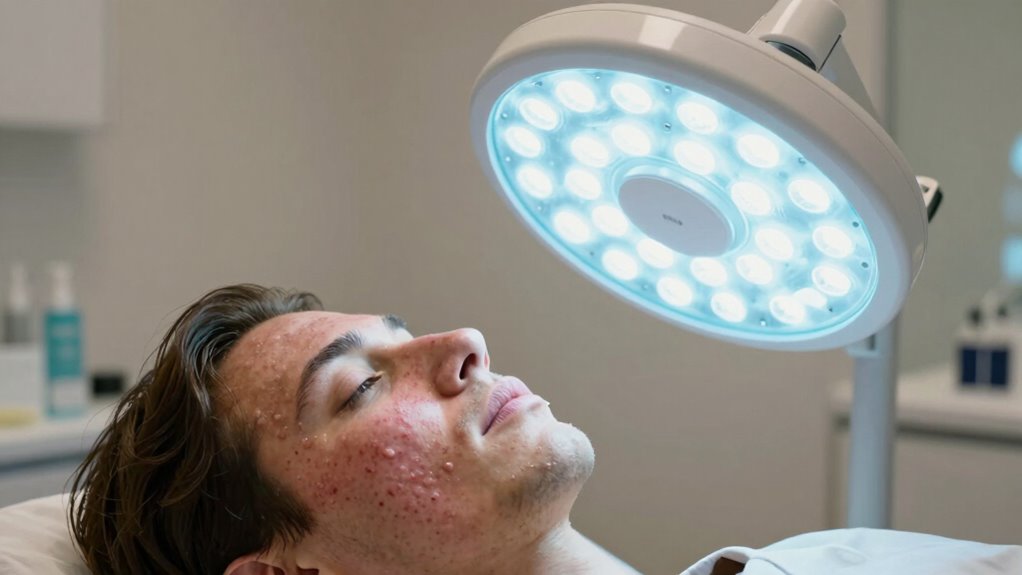
Preparing for a light therapy session guarantees the treatment is safe and effective. First, pay attention to your diet considerations; avoid excessive sugars and processed foods that can inflame your skin. Second, review your skincare routines—stop using any harsh exfoliants or retinoids at least 24 hours beforehand to prevent irritation. Third, arrive with clean skin, free of makeup, creams, or lotions, as these can interfere with the light’s effectiveness. It’s also helpful to stay well-hydrated and avoid sun exposure before your appointment. Additionally, understanding inspiring leadership and management insights can help you approach your treatment with confidence and patience. By following these steps, you assure your skin is in the best condition for therapy, maximizing benefits while minimizing risks. Proper preparation makes a noticeable difference in your treatment’s success.
Who Is a Good Candidate for Light Therapy?
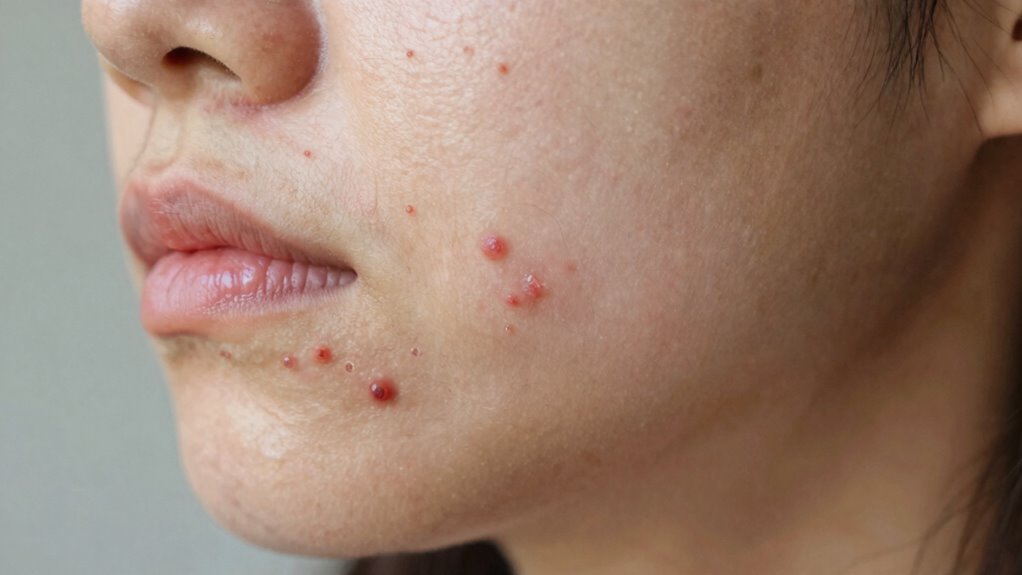
Candidates for light therapy generally have specific skin concerns that respond well to this treatment, making it suitable for many people seeking clearer skin. Typically, there are no strict age restrictions, but it’s essential to be within a safe age range for skin treatments, usually teenagers and adults. Your skin type also plays a role; light therapy tends to work well across various skin types, though it’s less effective on very dark skin due to melanin absorption. If you have active infections, open wounds, or are pregnant, you should consult your dermatologist before proceeding. Overall, if you’re dealing with conditions like cystic acne and your skin is healthy enough for light exposure, you’re likely a good candidate for this therapy.
What Are Your Realistic Goals When Using Light Therapy?
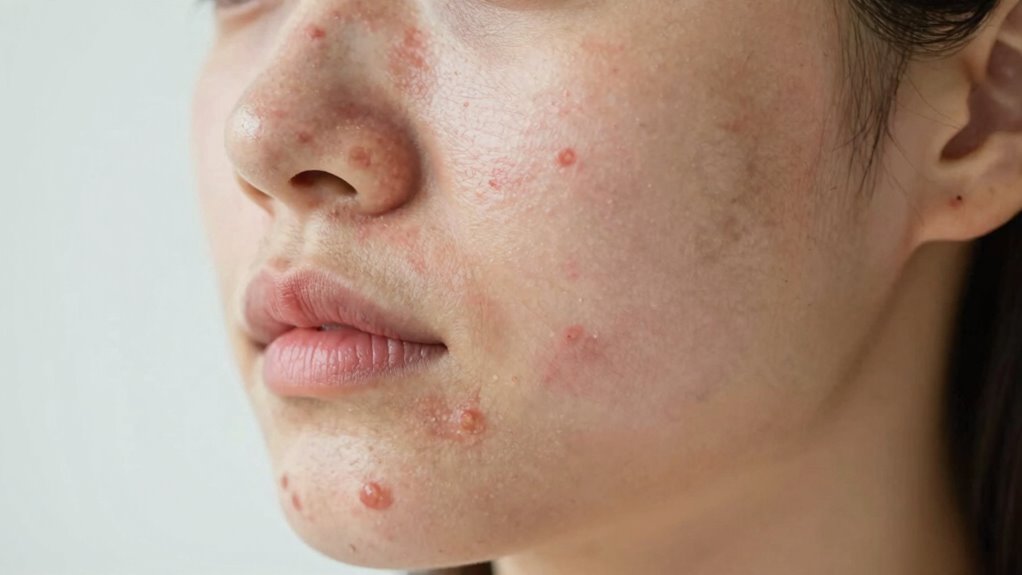
When starting light therapy, it’s important to set realistic expectations about what it can achieve. You should focus on improving your skin health rather than expecting a complete cure. Managing these goals helps you stay motivated and understand how light therapy fits into your overall skincare routine.
Manage Expectations Clearly
While light therapy can be effective for managing cystic acne, it’s important to set realistic expectations from the start. You shouldn’t expect overnight results or complete clearing after a few sessions. Instead, focus on gradual improvements. Keep in mind that:
- Visible skin changes may take several weeks, and consistent treatment is key.
- Side effects like redness or dryness are possible but usually mild and temporary.
- Treatment costs can add up over time, so consider your budget and insurance coverage.
Focus on Skin Health
Understanding what you can realistically achieve with light therapy helps you set practical expectations and stay motivated. While it can improve your skin’s appearance, it’s essential to complement treatment with diet modifications and a consistent skincare routine. Light therapy targets inflammation and bacteria, but it won’t instantly clear cystic acne or eliminate all breakouts. Instead, focus on gradual improvements in skin texture and overall health. Maintaining a balanced diet reduces inflammation and supports healing, while a gentle skincare routine helps prevent irritation. Remember, light therapy works best as part of a thorough approach. Setting realistic goals—like reducing cyst size or calming redness—keeps you encouraged and ensures you don’t expect overnight miracles. Patience and consistency are key to achieving healthier, clearer skin.
Frequently Asked Questions
Are There Any Side Effects Associated With Light Therapy for Cystic Acne?
You might experience potential skin irritation or a risk of burns when using light therapy for cystic acne. While most people tolerate it well, improper use or prolonged exposure can cause redness, dryness, or discomfort. To minimize these side effects, follow your dermatologist’s instructions carefully, use the device as directed, and avoid overexposure. If you notice adverse reactions, stop treatment and consult your doctor promptly.
Can Light Therapy Replace Medication for Severe Cystic Acne?
Light therapy can be an alternative treatment for severe cystic acne, but it usually isn’t a complete replacement for medication. While it may improve your skin and provide long-term results, medications often target deeper causes and can be more effective for severe cases. You should discuss with your dermatologist whether light therapy alone suffices or if combining it with medication offers the best long-term outcomes for your skin health.
How Much Does a Typical Light Therapy Treatment Cost?
Getting a light therapy session typically costs between $50 and $150 per treatment, but it varies depending on the clinic and location. It’s wise to shop around and compare costs, as prices can differ widely. Keep in mind, insurance usually doesn’t cover light therapy for acne, so you’ll want to check your coverage options and weigh the cost comparison before starting. This way, you won’t be caught off guard.
Is Light Therapy Safe for All Skin Types and Tones?
Light therapy is generally safe for most skin types, but skin tone considerations matter. It works well for many, but those with darker skin tones should consult a dermatologist first, as treatment suitability varies. Light therapy can cause temporary side effects like redness or irritation, so a professional evaluation helps make certain it’s appropriate for your specific skin type and tone. Always follow your provider’s advice for safe, effective results.
How Long Do the Effects of Light Therapy Last Without Additional Treatments?
The effects of light therapy can last several months if you maintain a consistent routine. To prolong results, you should follow recommended treatment frequency and include maintenance routines like skincare and sun protection. However, without periodic touch-ups, your skin may gradually revert to its previous condition. Regular follow-up sessions help sustain improvements, so stay committed to your dermatologist’s advice for the best long-term outcomes.
Conclusion
While light therapy can gently guide your skin toward clearer days, it’s not a magic wand. Patience and consistent care help set realistic expectations, and sometimes a little extra help from your dermatologist is the best way to shine. Remember, everyone’s skin journeys at its own pace, so be kind to yourself throughout the process. With time and gentle effort, you’ll find your natural glow returning, making each step worth the wait.
Halloween Picks
halloween
As an affiliate, we earn on qualifying purchases.