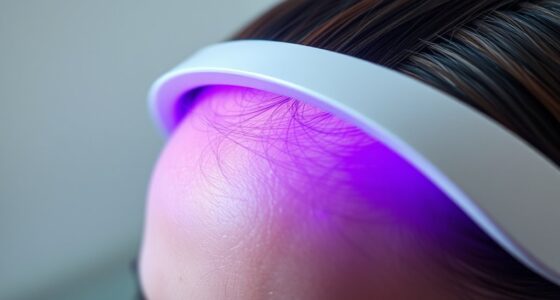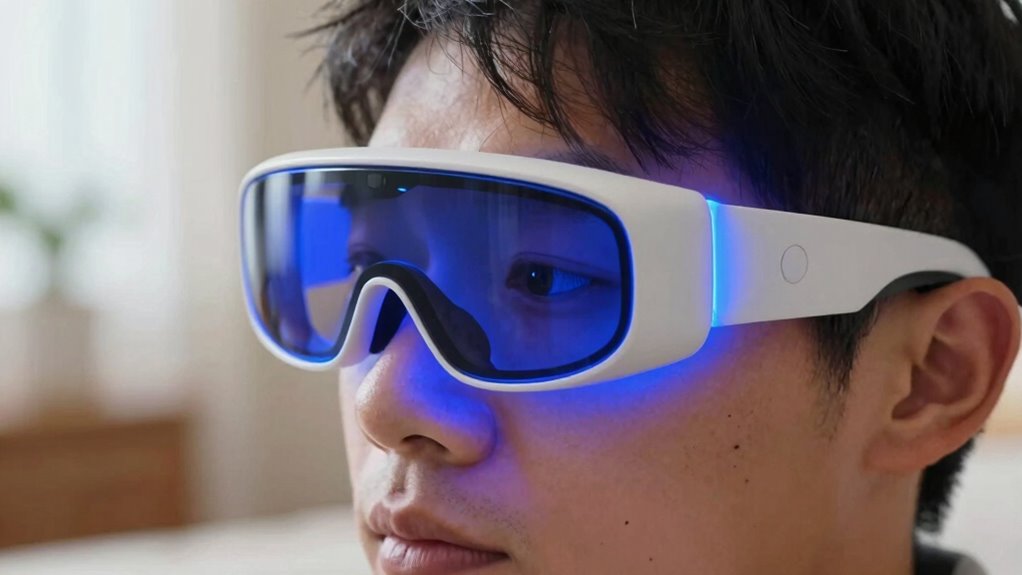
Light therapy glasses can boost your mood and regulate sleep if you have seasonal affective disorder, irregular sleep patterns, or limited natural light indoors. They’re ideal if you’re comfortable using wearable devices and following safety guidelines. However, avoid them if you have eye sensitivity, eye conditions, migraines, or photosensitivity issues, and always consult a healthcare professional first. Want to discover who benefits most and how to choose the right pair? Keep exploring for detailed insights.
Key Takeaways
- Ideal for individuals with SAD, sleep irregularities, or low energy seeking portable light therapy solutions.
- Suitable for those with circadian rhythm disruptions aiming to regulate sleep-wake cycles.
- Should be avoided by users with light sensitivity, eye conditions, or skin reactions to bright light exposure.
- Not recommended for pregnant individuals, people with photosensitive epilepsy, or frequent migraines without medical consultation.
- Best used under professional guidance if you have underlying health issues or are on medications that affect light sensitivity.
As an affiliate, we earn on qualifying purchases.
How Do Light Therapy Glasses Work to Improve Mood and Sleep?
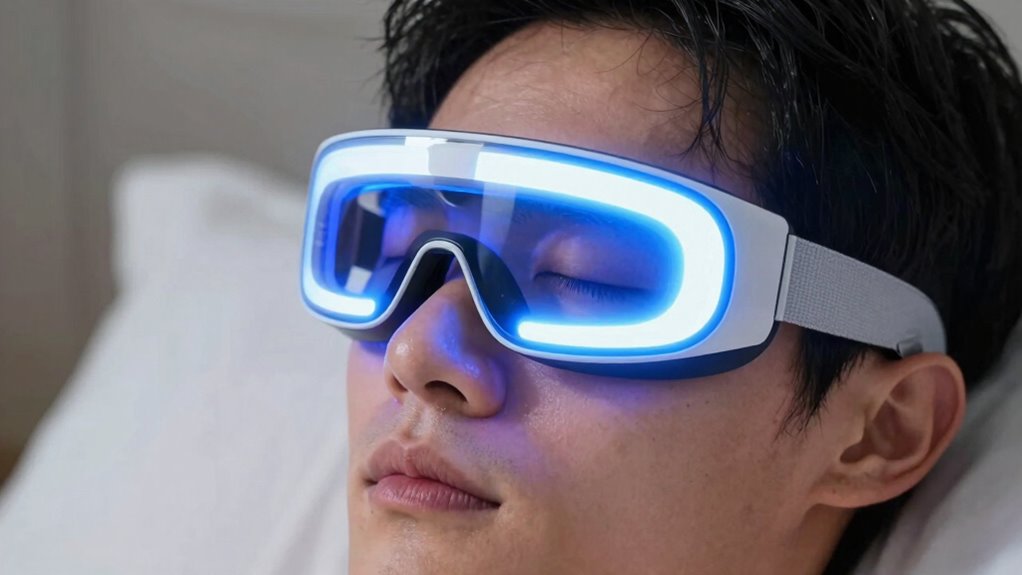
Light therapy glasses work by delivering bright, full-spectrum light directly to your eyes, which helps regulate your body’s internal clock. When you use them, they influence your circadian rhythms, the natural 24-hour cycle that controls sleep and alertness. Exposure to this light suppresses melatonin production during the day, making you feel more awake and alert. Conversely, as evening approaches, reduced light signals your body to increase melatonin, helping you feel sleepy. This synchronization of your internal clock improves both mood and sleep quality. By mimicking natural sunlight, light therapy glasses help reset your circadian rhythms, especially if they’re out of sync due to factors like seasonal changes or irregular schedules. Additionally, contrast ratio plays a role in how well the visual environment supports your overall well-being, ensuring that your light exposure is both effective and comfortable. Proper light intensity is essential for maximizing the benefits while maintaining visual comfort during use. Ensuring your device has the right design features can also impact its effectiveness and user comfort. Furthermore, the spectral composition of the light influences how well it mimics natural sunlight, enhancing its therapeutic effects.
Are Light Therapy Glasses Right for You? : Key Factors to Consider

Deciding if light therapy glasses are right for you depends on your specific sleep patterns, mood issues, and daily routines. If your circadian rhythms are out of sync, or you struggle with seasonal depression, these glasses might help regulate your light exposure. However, consider your schedule:
- Do you spend a lot of time indoors with limited natural light?
- Are your sleep-wake cycles irregular or disrupted?
- Do you experience mood swings linked to light levels?
- Is managing your circadian rhythms key to your daily functioning?
If you answered yes to any of these, light therapy glasses could be beneficial. They work by helping synchronize your internal clock, making it easier to wake up refreshed and stay energized. Additionally, understanding Free Floating phenomena can help you recognize how light exposure influences mood and alertness. Recognizing the impact of light on biological systems can further inform your decision. For example, light timing plays a crucial role in how effective light therapy can be for your individual needs. Considering circadian rhythm disruption as a factor can help determine if this treatment aligns with your health goals. Moreover, incorporating Indonesian decor masks into your environment can create a calming atmosphere that supports your circadian health. But if your issues stem from other causes, consult a healthcare professional first.
Who Can Benefit the Most From Using Light Therapy Glasses?
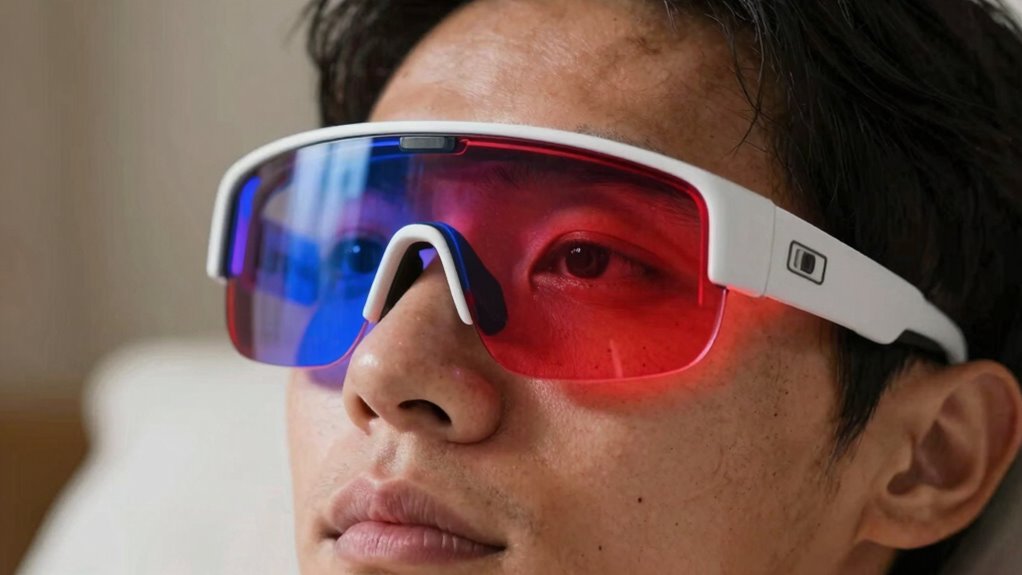
People who are most likely to benefit from light therapy glasses are those experiencing irregular sleep schedules, seasonal mood changes, or difficulty waking up in the morning. These glasses can help regulate your internal clock and boost mood enhancement through targeted light exposure. If you find yourself feeling sluggish or unmotivated during darker months or struggling with early mornings, light therapy glasses may improve your overall well-being. Here’s a quick comparison:
| Ideal Users | Less Suitable Users |
|---|---|
| Irregular sleep patterns | Severe eye conditions |
| Seasonal mood fluctuations | Photosensitivity concerns |
| Difficulty waking up in the morning | Eye infections or injuries |
| Low energy levels | Sensitive to bright light |
| Need mood enhancement | Underlying medical issues |
Additionally, understanding the benefits of light therapy can help you decide if this treatment aligns with your lifestyle. Recognizing how light exposure influences circadian rhythms can make a significant difference in optimizing your health. Being aware of light therapy contraindications can also ensure safe use and prevent potential adverse effects. Moreover, some individuals may experience temporary side effects such as headaches or eye strain when first starting light therapy. For some, individual variability in response to light therapy may influence its effectiveness, making personalized approaches beneficial.
Are Light Therapy Glasses Safe for People With Seasonal Affective Disorder?
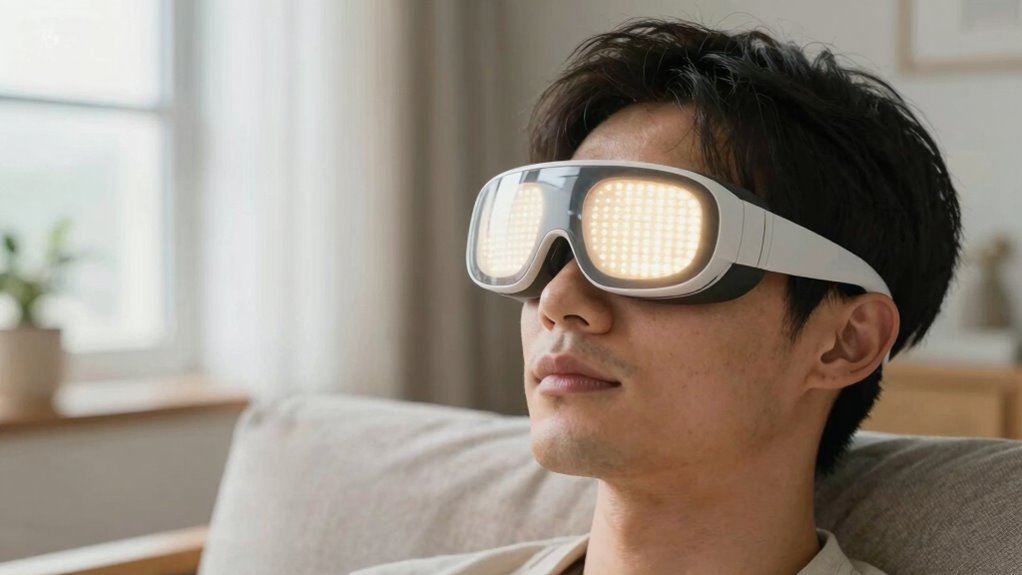
Light therapy glasses are generally effective in reducing SAD symptoms, but it’s important to take safety first. You should be aware of any potential side effects and follow recommended usage guidelines. Consulting a healthcare professional before starting treatment helps ensure it’s safe for your specific situation. Additionally, understanding cycling gear care tips can help you maintain your equipment properly, ensuring safety and longevity. Proper light exposure techniques are essential to maximize the therapeutic benefits while minimizing risks. Staying informed about sector performance metrics can also help you better understand the broader context of health-related innovations.
Effectiveness for SAD Symptoms
While light therapy glasses are often promoted as a convenient treatment for Seasonal Affective Disorder (SAD), their effectiveness varies depending on individual needs and usage. Some users notice notable mood improvement and better sleep regulation, but results aren’t guaranteed for everyone. Factors like consistent use, timing, and light intensity play roles in success. You might experience:
- Enhanced mood during darker months
- Improved energy levels
- Better sleep patterns
- Reduced feelings of depression
Additionally, consistent use and proper timing are crucial for achieving the desired benefits, as inconsistent use can diminish their effectiveness. Proper light exposure protocols ensure optimal results and minimize potential side effects. However, some people may find these glasses less effective or need additional therapy methods. If you’re looking for quick relief, they might help, but they’re not a one-size-fits-all solution. Monitoring your symptoms and adjusting usage can maximize benefits and determine if they’re right for you. Understanding light therapy effectiveness can help set realistic expectations. Recognizing individual response variability is also important when considering treatment options. Moreover, user compliance significantly influences the overall success of light therapy treatments.
Safety Considerations
Although light therapy glasses are generally considered safe when used correctly, it’s important to be aware of potential risks for individuals with Seasonal Affective Disorder. One concern is UV exposure; although most glasses filter out harmful UV rays, improper use or defective devices could lead to eye damage. Eye safety is another priority—exposure to bright lights can cause eye strain or discomfort if you don’t follow recommended guidelines. Make sure to use glasses that are certified and designed specifically for light therapy. Avoid looking directly at the light source for extended periods, and follow the manufacturer’s instructions carefully. If you have pre-existing eye conditions or sensitivities, consult with a healthcare professional before starting light therapy to ensure safety.
Consultation Recommendations
Before starting to use light therapy glasses, it’s important to consult with a healthcare professional, especially if you have Seasonal Affective Disorder (SAD). They can assess your light sensitivity and determine if this treatment is suitable. During your consultation, discuss your medical history, current medications, and any eye conditions. Also, ask about device maintenance to make certain the glasses are safe and effective for long-term use. Keep in mind that improper use or exposure to overly bright lights can cause discomfort or eye strain. Your healthcare provider can help you set a personalized schedule and advise on how to monitor your response. Additionally, understanding the mechanism of light therapy can help you better grasp how these glasses may benefit your condition. It’s also helpful to inquire about safety guidelines to ensure proper use and avoid potential risks. Remember, professional guidance minimizes risks and maximizes the benefits of light therapy for SAD.
When Should You Talk to a Healthcare Professional Before Trying Light Therapy Glasses?

You should talk to a healthcare professional before trying light therapy glasses if you have any underlying health conditions, such as bipolar disorder or a history of eye problems. These devices can impact your mental health or eye safety, especially if you’re already dealing with issues. Consulting a professional guarantees you explore safe and effective options, including alternative treatments and improving sleep hygiene. They can help determine if light therapy is appropriate or if other methods might work better for you. Here’s a quick overview:
| When to Seek Advice | Why It Matters |
|---|---|
| Bipolar disorder | Risk of triggering mood episodes |
| Eye conditions | Potential eye strain or damage |
| Medication use | Interactions with light therapy |
| Pregnancy | Safety considerations |
| Chronic health issues | Overall health impact |
Who Should Avoid Using Light Therapy Glasses?

Certain individuals should avoid using light therapy glasses to prevent potential health risks. If you have eye sensitivity, bright lights may cause discomfort or worsen your condition. People with skin reactions might experience irritation or redness from prolonged exposure. Those with a history of eye conditions, like glaucoma or retinal issues, should be cautious. Additionally, if you’re pregnant or have photosensitive epilepsy, using these glasses could pose risks. Be mindful if you notice increased eye strain or skin irritation.
- You experience frequent migraines or eye discomfort
- You have a history of skin allergies or reactions
- You’re pregnant or prone to seizures
- You notice worsening eye or skin issues after use
How to Choose the Best Light Therapy Glasses for Your Needs
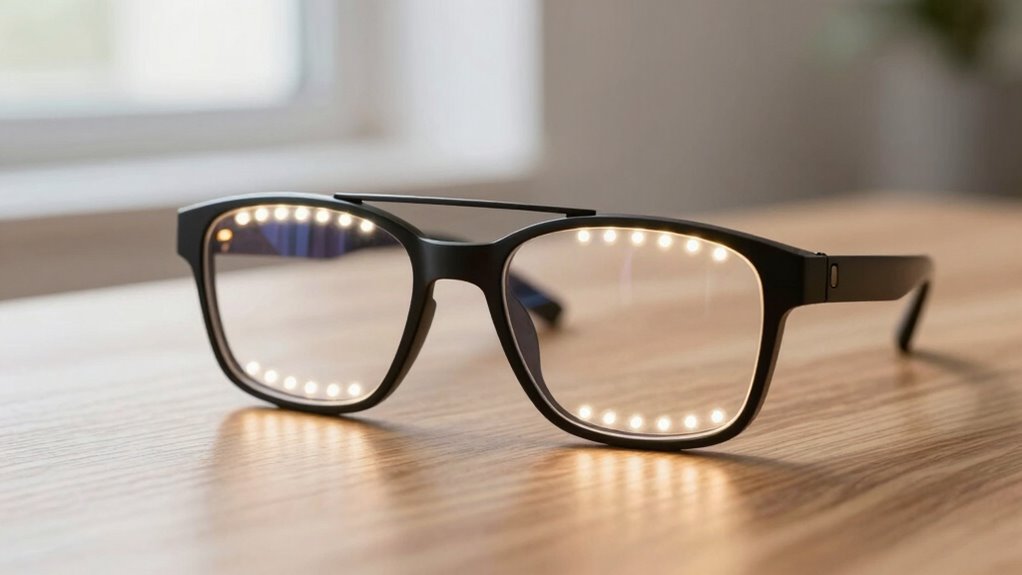
Choosing the right light therapy glasses involves evaluating your specific needs and preferences to guarantee effective and comfortable use. Start by considering your light color preferences, as different wavelengths can target various conditions like mood or sleep issues. Some users prefer warmer tones, while others benefit from brighter, cooler lights. Additionally, think about device portability—if you plan to use your glasses on the go, opt for lightweight, compact models that are easy to carry. Comfort is also key; look for adjustable straps and ergonomic designs to ensure long-term wear without discomfort. By prioritizing your preferred light color and device portability, you’ll find a pair that fits seamlessly into your routine and maximizes the benefits of light therapy.
What Are the Risks and Side Effects of Light Therapy Glasses?
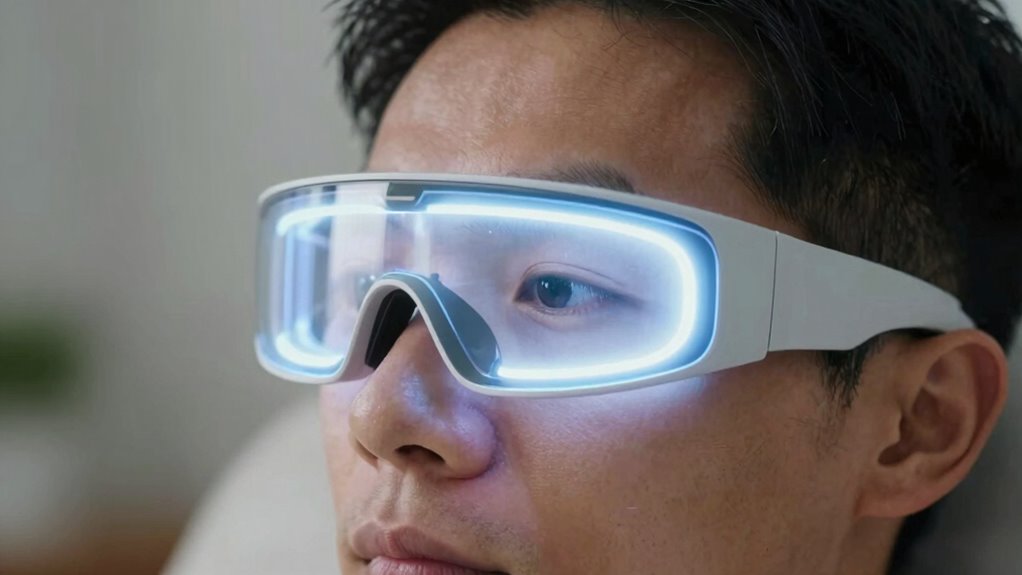
While light therapy glasses can offer significant benefits, it’s important to be aware of potential risks and side effects. You might experience eye strain if the glasses are too bright or used for too long. There’s also a risk of UV exposure if the glasses aren’t properly shielded, which can harm your eyes over time. Some users report headaches or discomfort from prolonged use. Additionally, people with existing eye conditions should consult a doctor before trying light therapy glasses. Be cautious of:
Be aware of eye strain, UV risks, headaches, and pre-existing eye conditions when using light therapy glasses.
- Eye strain from intense or prolonged exposure
- UV exposure if protective filters are inadequate
- Headaches or dizziness
- Worsening of existing eye issues
Knowing these risks helps you use light therapy glasses safely and effectively.
Frequently Asked Questions
Can Light Therapy Glasses Replace Traditional Medication for Mood Disorders?
Light therapy glasses can’t fully replace traditional medication for mood disorders, but they can be a helpful alternative treatment. They work by positively impacting your biological clock and improving psychological impacts like seasonal affective disorder. However, it is crucial to consult your healthcare provider before making any changes. Combining light therapy with other treatments may enhance your overall mental health, but relying solely on glasses isn’t usually enough for more severe cases.
How Long Should I Use Light Therapy Glasses Daily for Optimal Results?
You should aim for about 20-30 minutes of light therapy glasses daily, but it’s not a one-size-fits-all. Following the duration guidelines helps guarantee you get ideal exposure without overdoing it. Start with the shorter end and adjust based on how you feel. Consistency is key—think of it as watering a plant; regular, moderate sessions often yield the best results. Always follow your healthcare provider’s advice.
Are There Any Age Restrictions for Using Light Therapy Glasses Safely?
There are some age restrictions for using light therapy glasses safely, especially for children and teenagers. It’s best to follow safety guidelines and consult a healthcare professional before use, as young eyes might be more sensitive to light exposure. For adults, it’s generally safe when used as directed. Always read the manufacturer’s instructions and seek advice if you’re unsure about age restrictions or safety precautions.
Do Light Therapy Glasses Interfere With Screen Time or Digital Device Use?
Oh, absolutely, your light therapy glasses will turn your screen into a blue-light-free paradise—if only! In reality, they don’t interfere much with screen brightness or digital device use, but they do block some blue light, which can make screens feel gentler on your eyes. So, keep using your devices, just don’t expect these glasses to turn your screen time into a blue-light-free zone.
What Should I Do if I Experience Discomfort or Adverse Effects?
If you experience discomfort or adverse effects, stop using the light therapy glasses immediately. To manage discomfort, try adjusting the fit or reducing your session duration. Prevent adverse effects by following the manufacturer’s guidelines carefully, maintaining proper eye distance, and avoiding overuse. If symptoms persist or worsen, consult a healthcare professional. Prioritizing discomfort management and adverse effect prevention helps guarantee safe and effective light therapy experiences.
Conclusion
If you’re considering light therapy glasses, think about your lifestyle and health needs. For example, if you struggle with seasonal depression and spend long hours indoors, these glasses might brighten your days. However, always consult a healthcare professional first. By choosing the right pair and using them safely, you can enjoy improved mood and better sleep—just like Sarah, who found renewed energy during her gloomy winter months.