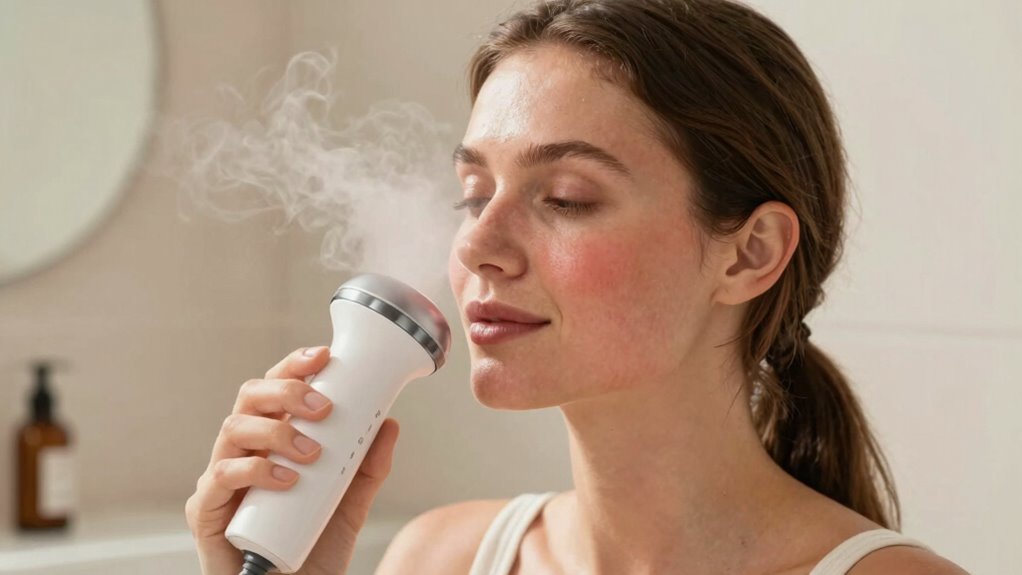

Facial steamers can help open pores, loosen dirt, and boost blood flow, making them beneficial when used correctly. However, if you have active acne, sensitive skin, or overuse steam sessions, it can worsen inflammation, cause dehydration, or trap bacteria, leading to more breakouts. To get the safest results, learn how to choose the right device, limit session time, and follow proper techniques—stay with us to discover the best approach for your skin.
Key Takeaways
- Steam helps open pores, aiding in clearing excess oil and dirt, which can reduce acne when used properly.
- Overusing steam or using high temperatures can irritate skin and worsen acne or inflammation.
- Sensitive or inflamed skin should avoid steaming to prevent aggravating breakouts or causing further irritation.
- Limit steaming to 10-15 minutes, 1-2 times weekly, and maintain proper water temperature to prevent skin damage.
- Consult a dermatologist if unsure about steaming’s effects on acne-prone skin or if skin shows signs of irritation.

Pjordo Facial Steamer Spa Kit with 17 Skin Care Tools, Nano Ionic Face Steamer for Deep Cleaning Unclogs Pores, Warm Mist Humidifier Steamer for Face Home Sauna SPA, Self Care Gifts for Women
- Home Face Sauna Experience: Deep cleansing and rejuvenation at home
- Powerful Mist for Deep Hydration: Enhances absorption and improves skin vitality
- Easy 7-Step Skin Care Routine: Unclogs pores and revitalizes skin
As an affiliate, we earn on qualifying purchases.
As an affiliate, we earn on qualifying purchases.
How Do Facial Steamers Work and What Are Their Skin Benefits?
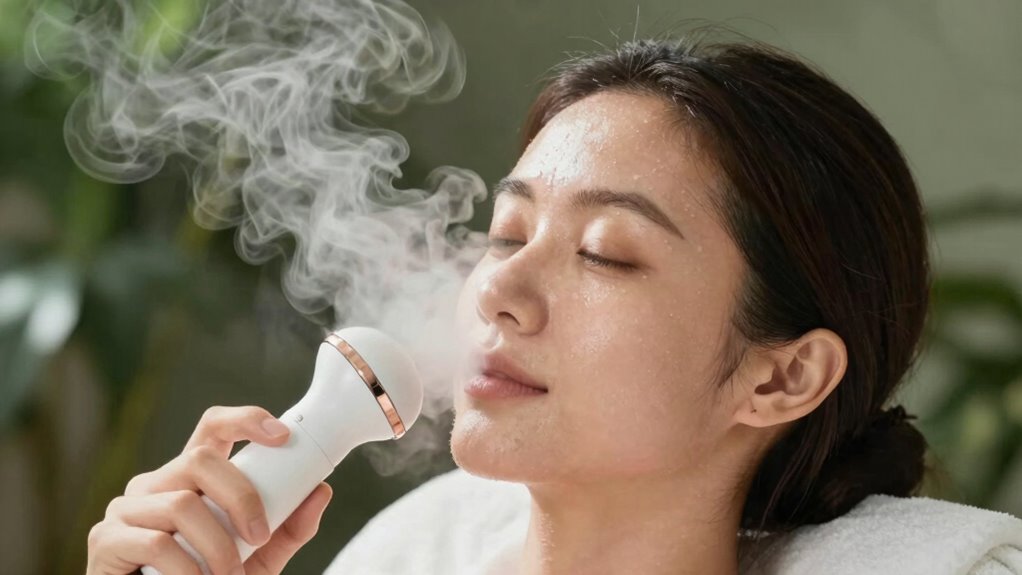
Facial steamers work by emitting warm, moist steam that penetrates your skin’s surface, opening pores and softening dirt and oil buildup. This process provides hydrating benefits by increasing moisture levels in your skin, leaving it feeling refreshed and plump. As your pores open, dirt, oil, and impurities loosen, making pore cleansing more effective. This deep cleansing can help reduce blackheads and prevent breakouts by clearing out debris trapped inside your pores. The gentle heat also stimulates blood flow, enhancing your skin’s natural glow. Regular use of a facial steamer can promote smoother, brighter skin while supporting the overall health of your complexion. Incorporating skin hydration techniques can further optimize these benefits and help prevent irritation or dryness. Additionally, using proper techniques for steam application can ensure you enjoy these benefits safely and effectively, reducing the risk of irritation or damage. Just remember to follow proper techniques to maximize these benefits and avoid overdoing it.
Is Facial Steaming Safe and Effective for Acne-Prone Skin?
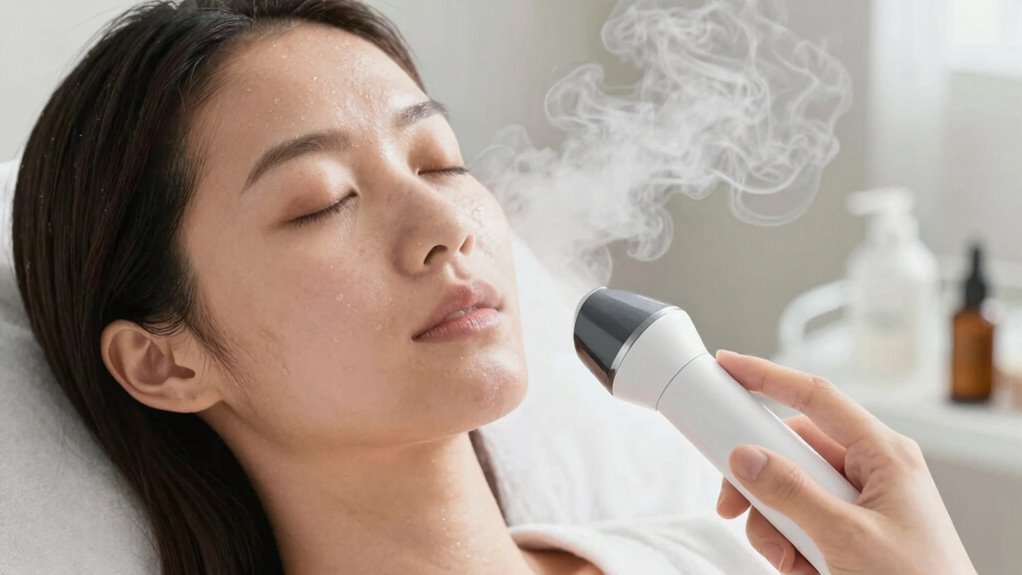
Facial steaming can help open pores and loosen dirt, which may benefit acne-prone skin. However, overdoing it can irritate your skin or cause breakouts. It’s important to find the right balance to enjoy the benefits safely. Additionally, paying attention to indoor air quality can help reduce skin irritants and improve overall skin health. Using natural pools with biodiversity promotion can also contribute to a healthier environment that supports skin wellness. Maintaining proper humidity levels indoors can further help prevent skin dryness and irritation that often exacerbate acne. Being mindful of indoor environmental factors, such as airborne irritants, can make a significant difference in your skin’s condition.
Benefits for Acne-Prone Skin
If you have acne-prone skin, you might wonder whether facial steaming is a safe and effective option for you. Steaming can help open pores, making it easier to clear out excess oil, dirt, and debris that clog pores and cause breakouts. It can also promote better blood circulation, which supports healing and skin renewal. Additionally, being aware of support networks for new fathers can help you manage the emotional aspects of skincare routines and self-care. Proper skincare techniques are essential to prevent adverse effects and enhance the benefits of facial steaming. It’s also important to consider the proper device selection to ensure you choose a steamer that meets safety standards and suits your skin type. However, it’s important to contemplate contraindications, especially if you have skin allergies or sensitivities. While steaming offers benefits, overdoing it or using water that’s too hot can worsen inflammation or irritation. Always test your skin’s response and avoid steaming if you notice increased redness or discomfort. Understanding projector specifications can help you choose the right device for your home theater setup, ensuring optimal image quality. When used correctly, facial steaming can be a helpful addition to your acne skincare routine, but proceed with caution.
Risks of Overdoing It
While facial steaming can offer benefits, overdoing it can quickly cause more harm than good. Excessive steam exposure can strip your skin of natural oils, leading to irritation and increased breakouts. Be cautious with steam intensity—too hot or prolonged sessions can damage your skin barrier. Additionally, the frequency of use matters: steaming every day or too often can cause dryness and worsen acne. To avoid these risks, keep these tips in mind:
- Limit steam sessions to 1-2 times a week.
- Use moderate steam intensity, avoiding boiling or near-scalding temperatures.
- Watch your skin’s response and stop if you notice redness or irritation.
What Are the Risks of Using a Facial Steamer When You Have Active Acne?
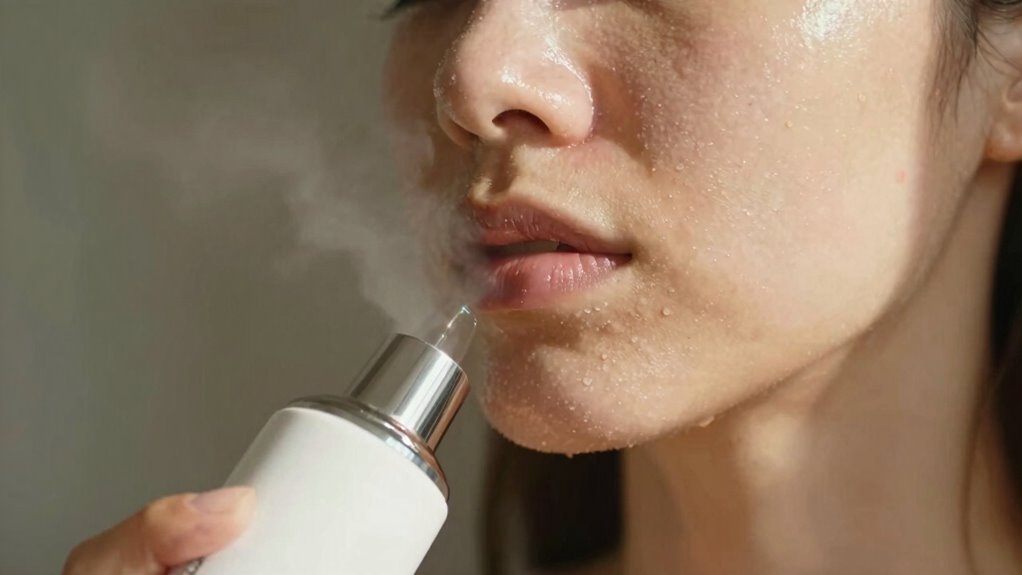
Using a facial steamer on active acne can sometimes worsen your skin condition rather than help it. The heat can increase pore congestion, trapping bacteria and oil, which may intensify breakouts. Additionally, steam can lead to skin dehydration, stripping moisture and weakening your skin’s barrier. This makes your skin more sensitive and prone to irritation. Be cautious if you notice redness or increased inflammation after steaming. Overuse of steam can also disrupt your skin’s natural balance, especially if your skin is already compromised by acne. Skin barrier weakness can make your skin more vulnerable to further irritation and breakouts. Incorporating proper temperature regulation techniques can help prevent overheating and reduce the risk of aggravating skin issues. Also, understanding your skin type can help determine whether steaming is suitable for your specific needs. Being aware of potential risks can help you make safer choices when considering facial steaming. To minimize these risks, it is essential to use the right equipment and follow recommended guidelines for safe steaming practices.
How Can You Tell If Facial Steaming Isn’t Working for Your Skin?
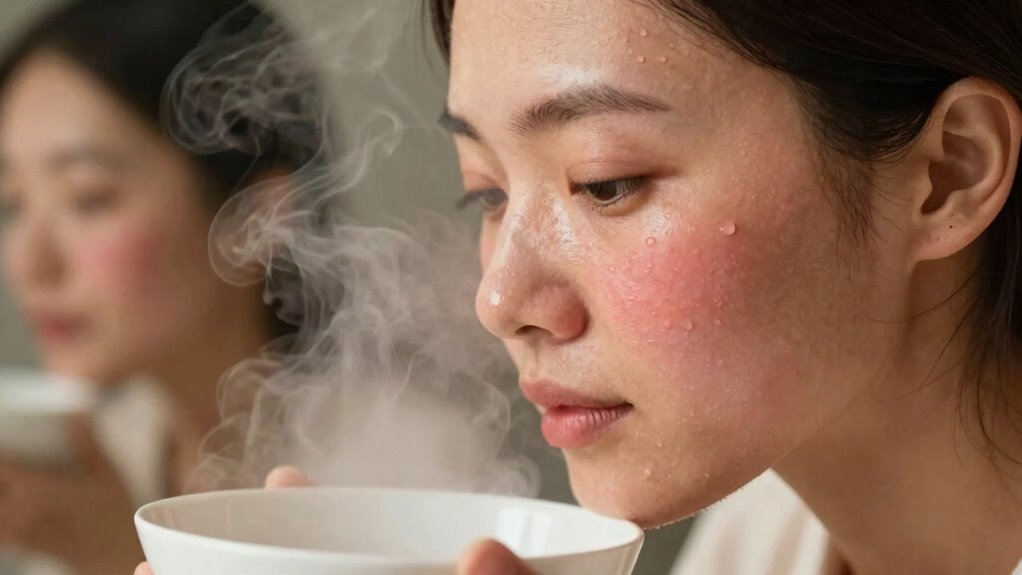
Sometimes, facial steaming may not benefit your skin and can even make issues worse. You’ll know it’s not working if you notice increased pore congestion or heightened skin sensitivity. Check for these signs: 1. Your pores look more clogged or enlarged after steaming. 2. Your skin feels tender, itchy, or inflamed, indicating increased sensitivity. 3. Breakouts or irritation appear or worsen, especially if you already have acne-prone skin. Additionally, understanding your skin type and its response to heat can help determine if steaming is suitable for you. If these symptoms occur, steaming might be overstimulating your skin, leading to more pore congestion and irritation. It’s a sign to cut back or stop and consult a dermatologist for personalized advice. Recognizing these warning signs helps prevent further skin issues. Properly managing skin sensitivity and avoiding excessive heat exposure can support healthier skin. Being aware of your individual skin reaction can help you decide whether to continue or modify your facial steaming routine. Also, noting skin type can guide you in choosing appropriate skincare methods to prevent adverse effects.
How to Safely Incorporate Facial Steaming Into Your Skincare Routine
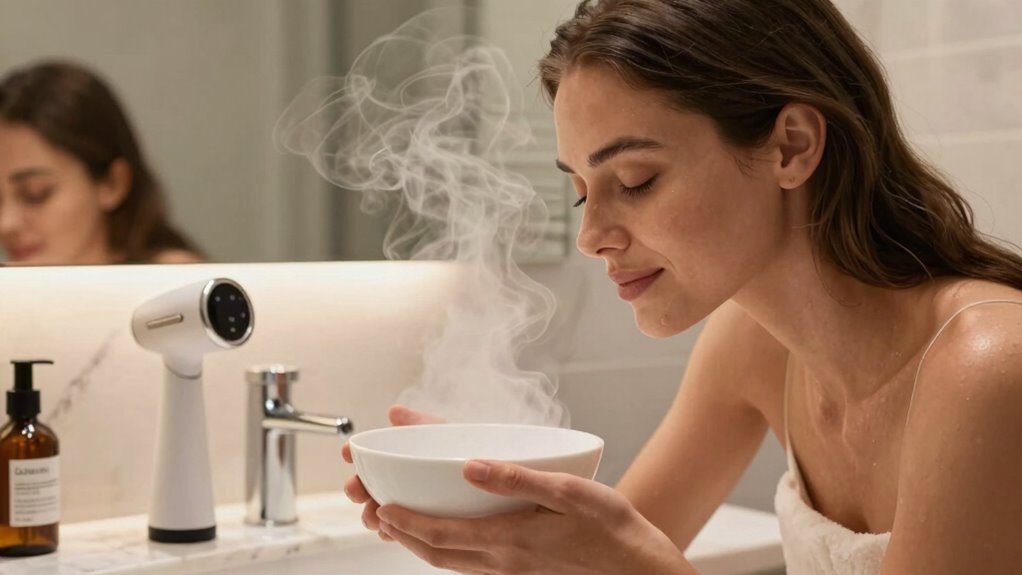
To safely incorporate facial steaming into your skincare routine, start by preparing your skin and environment properly. Use herbal infusions like chamomile or eucalyptus in your steam therapy to add soothing benefits. Keep the steam at a comfortable distance—about 6 to 12 inches from your face—and limit sessions to 5-10 minutes to prevent dehydration or irritation. Make sure the room is warm but not hot, and avoid overdoing it, especially if you have sensitive or acne-prone skin. Incorporating herbal infusions can enhance relaxation and skin benefits, but always listen to your skin’s response to avoid overexposure. Additionally, choosing the right air fryer accessories can help you create a calming atmosphere that complements your skincare ritual. For added safety, ensure proper skin preparation before steaming to minimize the risk of irritation or breakouts. Proper steam frequency is essential to prevent overdoing it, which can lead to increased oil production or irritation. Regularly monitoring the water temperature ensures you’re using safe steam levels and helps prevent accidental burns. Also, being aware of early warning signs of skin irritation can help you avoid damaging your skin during steaming. After steaming, gently pat your face dry and follow up with a moisturizer to lock in hydration.
What Are the Best Practices to Maximize Benefits and Minimize Risks?
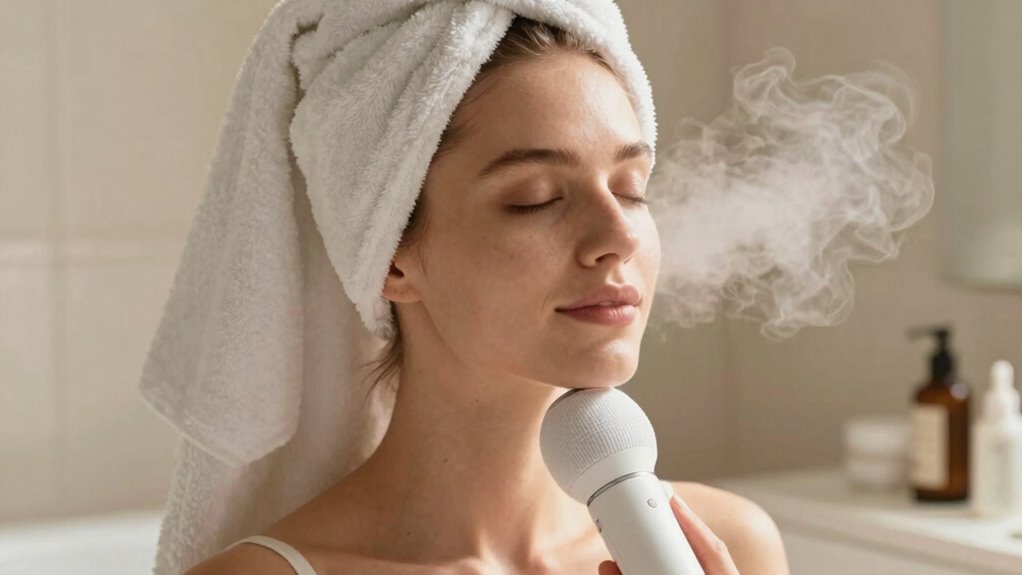
Maximizing the benefits of facial steaming while minimizing risks requires following key best practices. First, limit steaming sessions to 10-15 minutes to avoid over-drying your skin, especially if you’ve recently had Botox treatments, which can increase sensitivity. Second, avoid steaming immediately before or after chemical exfoliation, as steam can amplify irritation. Third, always cleanse your face afterward to remove loosened debris and prevent clogged pores. Be cautious if your skin is prone to acne or rosacea, as excessive steam can worsen these conditions. Remember, steaming isn’t a one-size-fits-all solution; listening to your skin’s responses and consulting with a dermatologist can help you enjoy the benefits safely. Proper technique ensures steam helps, not harms, your skin.
When Should You Avoid Facial Steaming and See a Dermatologist?
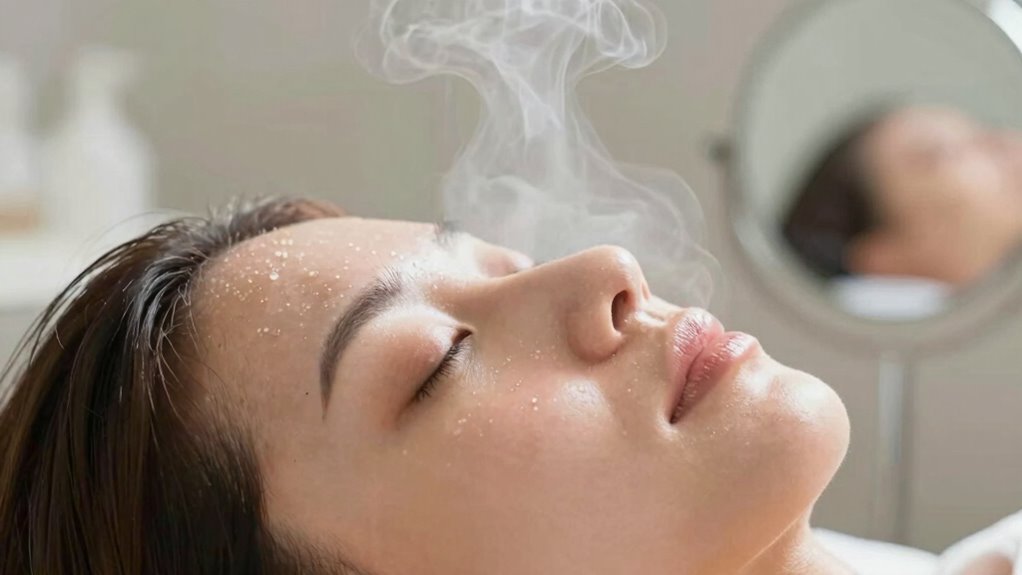
You should avoid facial steaming if your skin is irritated, inflamed, or broken, as the heat can worsen these conditions and lead to increased discomfort. If you notice redness, swelling, or open wounds, it’s best to see a dermatologist before attempting pore cleansing with steam. Steaming isn’t suitable if you have active acne, rosacea, or sensitive skin, as it may trigger breakouts or irritation. Additionally, if your skin feels unusually dry or tight afterward, it’s a sign that your skin needs professional guidance. A dermatologist can recommend alternative treatments to improve hydration and pore health without risking further damage. In these cases, professional advice guarantees you avoid making your skin issues worse and get tailored solutions for your skin’s needs.
How to Choose the Right Facial Steamer for Your Skin Type
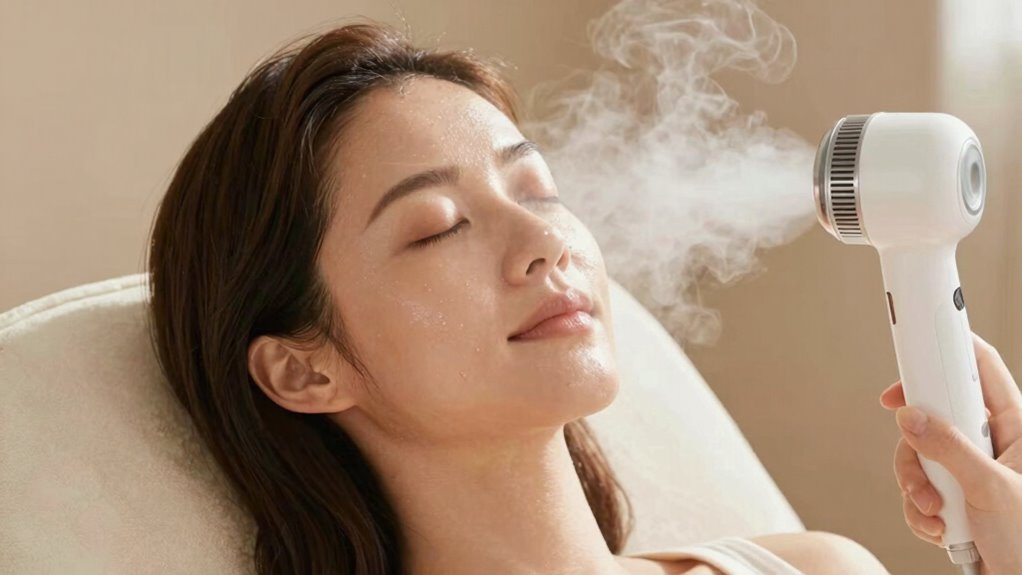
Choosing the right facial steamer depends on understanding your skin type and its specific needs. For sensitive skin, look for models offering gentle exfoliation features to prevent irritation. If you have oily skin, select a steamer that helps with oil control, reducing excess sebum. Consider these factors:
- Skin sensitivity: Opt for steamers with adjustable steam intensity to avoid overstimulating delicate skin.
- Oil control: Choose models with dual functions that include a detoxifying steam setting or targeted treatments.
- Exfoliation needs: Seek devices that promote gentle exfoliation to unclog pores and refresh your complexion.
Matching a steamer to your skin’s requirements ensures you enjoy benefits without aggravating issues like acne or dryness. Proper selection makes steam an effective part of your skincare routine.
Are There Better Alternatives to Facial Steaming for Clearer Skin?
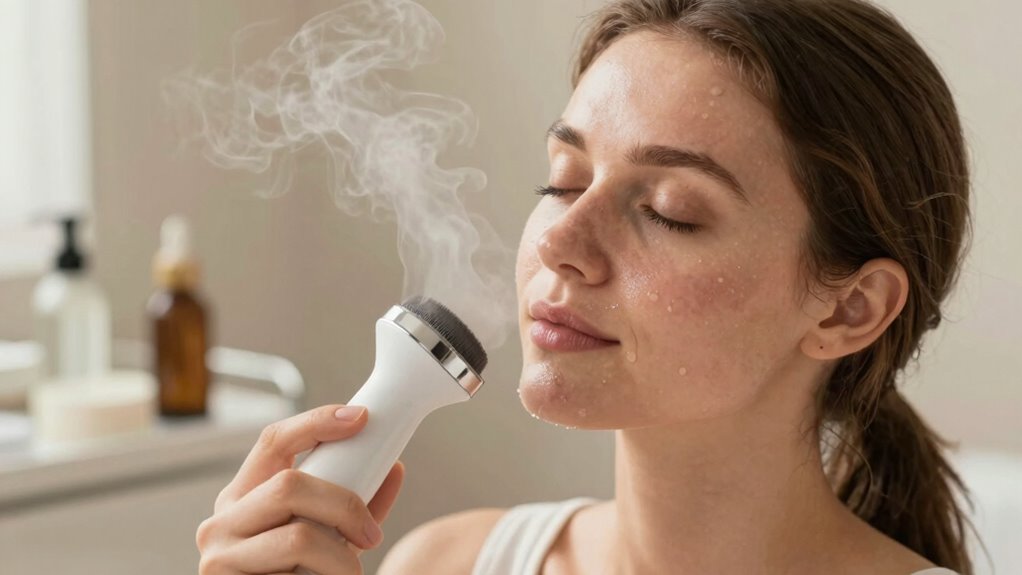
While facial steaming is popular for deep cleansing, there are alternative remedies that can deliver comparable or better results for clearer skin. Instead of relying solely on steam, try incorporating skincare ingredients like salicylic acid or niacinamide to target pore congestion and reduce inflammation. These ingredients can help unclog pores without risking over-drying or irritation.
| Alternative Remedies | Benefits |
|---|---|
| Clay Masks | Absorb excess oil, detoxify skin |
| Exfoliating Agents | Remove dead skin cells, promote renewal |
| Hydrating Serums | Maintain moisture, soothe skin |
| Targeted Treatments | Address specific skin concerns |
These options provide effective, customizable skincare solutions that support clearer skin without the potential downsides of steaming.
Common Mistakes to Avoid When Using a Facial Steamer
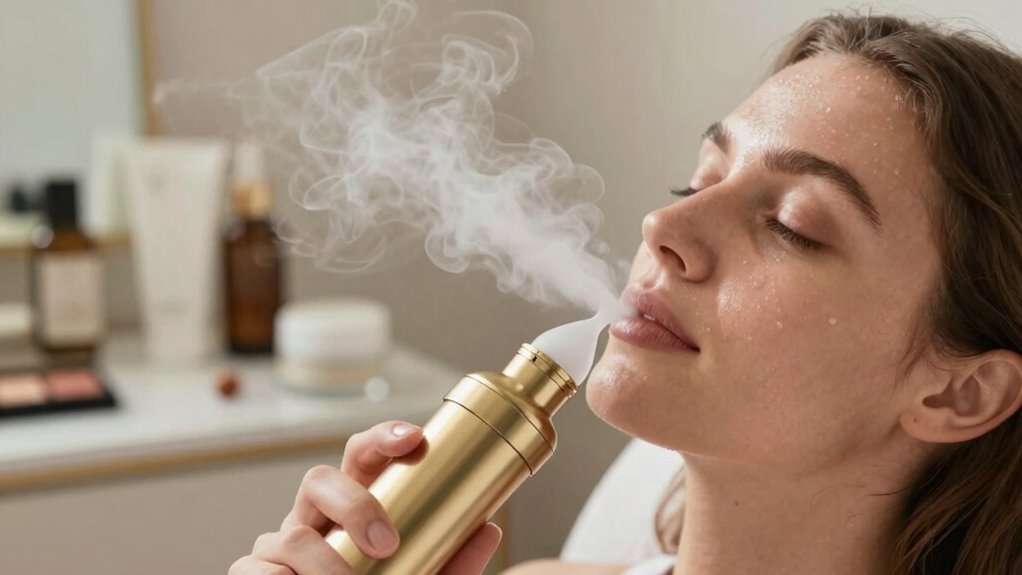
Using a facial steamer incorrectly can do more harm than good, so it’s essential to avoid common mistakes that compromise your skin’s health. First, don’t overuse the steamer; steaming for longer than 10 minutes can strip your skin’s natural oils and cause irritation. Second, steer clear of DIY remedies like herbal infusions that aren’t suitable for your skin type, as they can clog pores or cause allergic reactions. Third, avoid using the steamer at the wrong distance—keep your face about 6-12 inches from the steam to prevent burns or excessive dryness. Also, don’t forget to cleanse your skin afterward to remove impurities. Being mindful of these mistakes ensures you benefit from facial steaming without worsening acne or irritation.
Frequently Asked Questions
Can Facial Steaming Help Reduce Blackheads and Whiteheads?
Facial steaming can help reduce blackheads and whiteheads by opening your pores, making blackhead extraction easier and promoting pore refinement. When you steam your face, it softens the debris clogging your pores, allowing for easier removal. However, don’t overdo it, as too much steam can irritate your skin or worsen acne. Use steam sessions sparingly, and follow up with gentle cleansing for best results.
How Often Should I Use a Facial Steamer for Best Results?
Did you know that using a facial steamer two to three times a week usually gives the best results? You should tailor the frequency guidelines to your skin type—more often if your skin is oily, less if it’s sensitive. Overdoing it can cause irritation, so pay attention to how your skin responds. Stick to these tips, and you’ll enjoy clearer, healthier skin without risking breakouts or dryness.
Does Facial Steaming Affect Skin Pigmentation or Dark Spots?
Facial steaming can temporarily brighten your skin, but it might worsen hyperpigmentation concerns or dark spots if overdone. The heat opens pores, helping with deep cleaning, but excess steam can irritate sensitive skin and darken existing spots. If you’re focusing on dark spot treatment, limit steaming sessions and follow up with targeted products. Always be gentle and avoid steaming if your skin is inflamed or prone to hyperpigmentation to prevent further discoloration.
Can Facial Steaming Cause Dehydration or Skin Dryness?
You might think steam will hydrate your skin, but it can actually cause dehydration or dryness if you’re not careful. The intense heat opens pores and strips away natural oils, leading to moisture loss. This affects your hydration concerns and hampers your skin’s ability for moisture retention. To avoid this, keep steam sessions brief and follow up with a good moisturizer to lock in hydration and protect your skin’s balance.
Are There Specific Skin Conditions That Contraindicate Facial Steaming?
If you have sensitive skin or rosacea flare-ups, you should avoid facial steaming. The heat can irritate your skin further, triggering redness and discomfort. Steaming opens pores, but for these conditions, it may worsen inflammation and cause more flare-ups. Always consult your dermatologist before trying facial steaming if you have sensitive skin or rosacea to prevent aggravating your skin issues.
Conclusion
Remember, while facial steaming can be a helpful addition to your skincare routine, it’s not a one-size-fits-all solution. If you’re not careful, you might end up doing more harm than good—sometimes the cure can be worse than the disease. Listen to your skin’s signals and don’t hesitate to seek professional advice. In the end, patience and proper care are the best tools to keep your skin healthy and clear—don’t put all your eggs in one basket.