
TL;DR

Get wellness gear delivered free — and shop member deals
- Fast, free delivery on millions of items
- Access to Prime Big Deal Days deals on October 6–7
- Prime Video, Amazon Music and more included
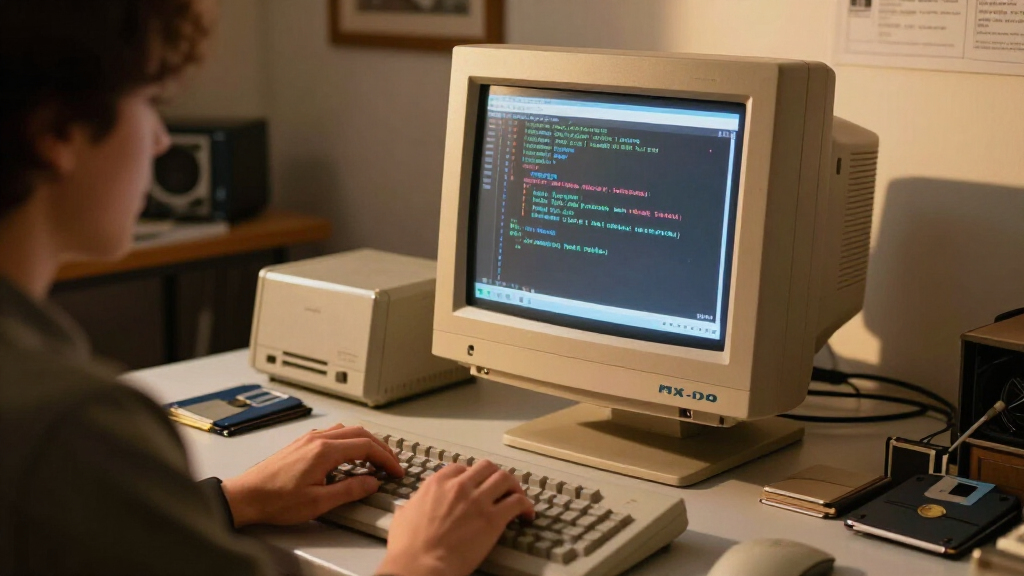
Borland has announced that Turbo Pascal is now compatible with CP/M, MSX-DOS, and MS-DOS systems. This expansion allows more users to access the popular programming environment on older and diverse hardware platforms. The move aims to broaden Turbo Pascal’s user base and extend its longevity.
Borland has officially announced that Turbo Pascal is now available on CP/M, MSX-DOS, and MS-DOS platforms. This development broadens access to the popular programming language environment, previously limited mainly to MS-DOS and compatible systems. The announcement confirms the company’s efforts to extend Turbo Pascal’s reach to a wider range of hardware users and preserve its relevance in the evolving software landscape.
Borland’s technical team has completed ports of Turbo Pascal to three significant operating systems: CP/M, MSX-DOS, and MS-DOS. These ports are now available for download and use, according to Borland representatives. The move is designed to support legacy systems still in use in certain industrial, educational, and hobbyist sectors. Borland stated that the ports maintain compatibility with existing Turbo Pascal codebases, enabling users to run their projects without major modifications. The company emphasized that these ports are intended to preserve Turbo Pascal’s utility on older hardware, especially in regions and industries where upgrading to newer systems remains challenging.While Borland has not announced any new features or updates to Turbo Pascal itself, the platform support expansion reflects ongoing efforts to sustain the tool’s relevance. The ports have been developed by Borland’s internal team, with some external contributors, and are expected to be available through official channels within the coming weeks.Industry analysts note that this move could influence the retro computing community and educational sectors that still rely on these older systems, providing a new lease on life for Turbo Pascal in niche markets.Why Expanding Turbo Pascal Support Matters for Legacy Computing
This development is significant because it demonstrates Borland’s commitment to supporting legacy systems and preserving the usability of Turbo Pascal in a rapidly modernizing tech environment. For hobbyists, educators, and certain industrial users, continued access to Turbo Pascal on CP/M, MSX-DOS, and MS-DOS means ongoing utility for existing codebases and projects. It also signals an acknowledgment of the enduring relevance of older hardware platforms in specific niches, despite the dominance of modern operating systems. This expansion could encourage continued learning and development within the retro computing community and sustain interest in Pascal-based programming for years to come.
CP/M vintage computer programming kit
As an affiliate, we earn on qualifying purchases.
As an affiliate, we earn on qualifying purchases.
Historical Context of Turbo Pascal and Its Platform Support
Turbo Pascal, developed by Borland in the early 1980s, became one of the most popular programming environments for DOS-based PCs, known for its fast compiler and integrated development environment. Over time, it expanded to support other platforms, but primarily remained associated with MS-DOS and Windows systems. During the 1980s and early 1990s, Turbo Pascal was a staple in educational institutions and among hobbyist programmers.
Meanwhile, CP/M (Control Program for Microcomputers) was an early operating system widely used on 8-bit microcomputers before MS-DOS became dominant. MSX-DOS was a disk operating system used on MSX home computers, popular in Japan and parts of Europe, while MS-DOS was the standard IBM PC-compatible OS that Turbo Pascal primarily targeted. Despite the decline of these platforms, they still maintain a presence in certain sectors, and enthusiasts have long sought ways to run classic software on these systems. The recent porting efforts by Borland represent a strategic move to keep Turbo Pascal relevant in this context.
“We are committed to supporting the legacy of Turbo Pascal by expanding its platform support to include CP/M, MSX-DOS, and MS-DOS. This allows users to continue developing and maintaining their projects on older hardware.”
— Borland spokesperson
Unanswered Questions About Compatibility and Future Updates
It is not yet clear how fully compatible the ports are with existing Turbo Pascal projects, or if any performance optimizations have been implemented. Details about potential future updates or features for these ports remain undisclosed. Additionally, the timeline for the official release and distribution channels has not been fully clarified, and whether Borland plans to support newer operating systems or hardware in the future is unknown.
Next Steps for Turbo Pascal on Legacy Platforms
Borland is expected to release the ports through official channels within the next few weeks, with detailed documentation and support materials. The company might also host demonstrations or webinars to showcase the ports’ capabilities. Meanwhile, the retro computing community and educational institutions are likely to explore these new options for maintaining and developing legacy projects. Monitoring Borland’s announcements will be essential to understand the scope and support level of these ports moving forward.
Key Questions
Will Turbo Pascal on CP/M, MSX-DOS, and MS-DOS support modern hardware?
No, these ports are specifically designed for legacy hardware and operating systems. They are intended to support existing systems still in use in certain sectors.
Are there any new features in these ports?
Current information indicates that the ports focus on compatibility and support for existing Turbo Pascal projects, with no mention of new features or enhancements.
How can I access the new ports once they are released?
They will be available through Borland’s official distribution channels, likely including their website or authorized software repositories.
Does this mean Borland is still actively developing Turbo Pascal?
There has been no indication of active development or new versions; the current effort appears to be porting and supporting legacy platforms.
What impact could this have on the retro computing community?
This move could renew interest in Turbo Pascal among hobbyists and educators, enabling continued use of the language on older systems and preserving its legacy.
Source: hn
Fall Picks
fall essentials
As an affiliate, we earn on qualifying purchases.






![Anxiety Be Like [Heresvix]](https://lightmask.net/wp-content/uploads/2026/10/anxiety-be-like-heresvix-featured-260x140.jpg)