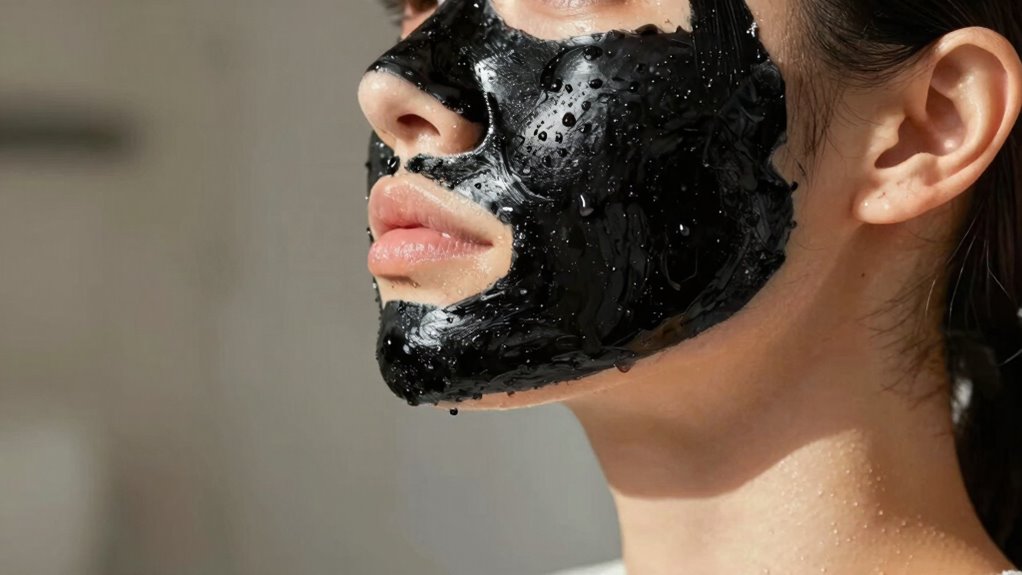

Many users accidentally use face-and-neck masks improperly by choosing the wrong materials, fitting them too loosely or tightly, or positioning them poorly. These mistakes reduce effectiveness, cause discomfort, or even irritate your skin. Ensuring the mask fits snugly without pinching and placing it correctly over your face and neck makes a big difference. Keep going to discover simple tips that help you avoid these common errors and get the best results from your masks.

Get wellness gear delivered free with Prime
- Fast, free delivery on millions of items
- Prime Video, Amazon Music and more included
- Member-only deals all year
Key Takeaways
- Proper mask fit prevents accidental slipping or improper coverage that reduces effectiveness.
- Selecting suitable materials enhances comfort, reducing the likelihood of irritation or improper wear.
- Correct positioning ensures targeted treatment and avoids gaps that compromise protection.
- Adjusting straps correctly balances comfort and seal, preventing accidental loosening or skin marks.
- Understanding skin type and placement maximizes absorption, minimizing user errors and adverse reactions.
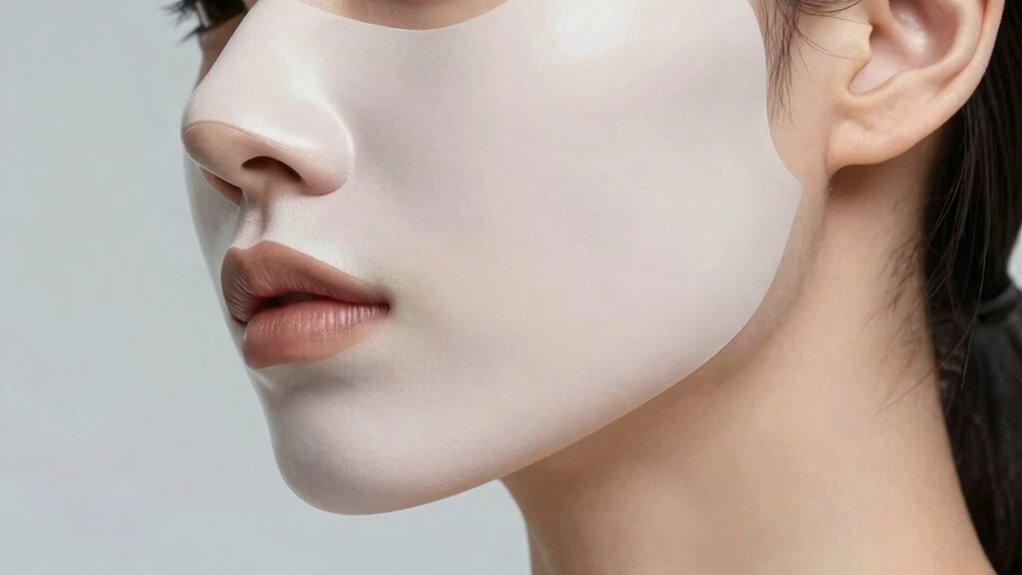
Face-and-neck masks have become a popular skincare essential because they offer targeted treatment for two areas often exposed to environmental stressors. But despite their convenience, many users accidentally create problems by not paying attention to how they wear or adjust the mask. One common mistake is choosing the wrong mask material, which can lead to discomfort or ineffective results. For instance, some masks are made of rigid or non-breathable materials that can cause irritation or make it difficult to breathe comfortably. Others might be too slippery or too thick, making it hard to get a proper seal. When you pick the right material for your skin type and environment, you’re more likely to wear the mask properly and get the benefits you want.
Another frequent issue arises from neglecting fit adjustment. Many masks come with adjustable straps or mechanisms meant to help you achieve a snug, comfortable fit. If you ignore these features or don’t take the time to adjust them correctly, the mask might sit too loosely or too tightly. A loose fit can cause the mask to shift or slip, reducing its effectiveness and potentially letting environmental pollutants seep in. On the other hand, a mask that’s too tight can cause discomfort, restrict circulation, or leave marks on your skin. The key is to find a balance where the mask stays in place without feeling constrictive. Taking a moment to adjust the straps or fasteners ensures you get a proper seal, which directly impacts the mask’s ability to deliver active ingredients or block out irritants.
Many users also make the mistake of wearing the mask for too long or not aligning it correctly with their face and neck contours. When you don’t take time to properly position the mask, it can cover areas unevenly, leading to inconsistent results or skin irritation. Ensuring the mask fits snugly over your face and neck—without gaps or overlaps—maximizes contact with your skin, allowing for better absorption and protection. Proper fit adjustment is essential for maximizing the benefits and avoiding unnecessary discomfort. Additionally, understanding your skin type can help in selecting the most suitable mask to prevent irritation or adverse reactions. mask placement also plays a crucial role in mask efficacy, ensuring all targeted areas are evenly treated and protected. Remember, a well-fitting mask not only enhances comfort but also boosts overall mask performance, making your skincare routine more effective.
Products Worth Considering

Bowflex SelectTech 840 Adjustable Kettlebell

BowFlex Results Series SelectTech Adjustable Dumbbells (Pair)

Fitbit Inspire 3 Health and Fitness Tracker Bundle
As an affiliate, we earn on qualifying purchases.
Frequently Asked Questions
Can Face-And-Neck Masks Be Reused Safely?
Yes, face-and-neck masks can be reused safely if you follow proper cleaning and maintenance. Check the mask’s durability, as some are designed for multiple uses while others aren’t. Regularly wash or disinfect the mask to prevent bacteria buildup. Reusing masks reduces environmental impact by minimizing waste. Just make sure to follow manufacturer instructions to guarantee the mask remains effective and safe for continued use.
What Materials Are Most Effective for Face-And-Neck Masks?
For effective face-and-neck masks, you should prioritize fabric choice and material durability. Opt for tightly woven cotton or high-quality microfiber, which offer excellent filtration and comfort. These materials are durable enough to withstand multiple washes while maintaining their protective qualities. Avoid flimsy fabrics that wear out quickly. By selecting the right fabric, you guarantee your mask remains effective and comfortable, keeping you safer in everyday use.
How Do I Properly Clean and Maintain My Mask?
To properly clean and maintain your mask, follow effective cleaning techniques like washing it with soap and water or using a machine if suitable. Always store your mask in a clean, dry place, avoiding clutter or damp areas. Regularly inspect for damage, and replace when necessary. Proper mask storage and diligent cleaning techniques guarantee your mask remains effective and hygienic, reducing the risk of accidental contamination.
Are Face-And-Neck Masks Suitable for All Skin Types?
Yes, face-and-neck masks can be suitable for all skin types, but you should choose the right one based on your skin sensitivity. If you have sensitive skin, look for masks with soothing ingredients to prevent irritation. Always do a patch test first to avoid mask irritation. If you notice redness or discomfort, stop using it immediately and consult a dermatologist for personalized advice.
How Often Should I Replace My Mask?
You should replace your mask every few months, like changing a worn-out pair of shoes before they fall apart. Regular replacement supports mask sustainability and reduces environmental impact, helping you stay eco-friendly. Keep an eye on signs of wear, tears, or persistent odors. By swapping your mask timely, you protect your skin and the planet, ensuring your skincare routine remains both effective and environmentally responsible.
Conclusion
Wearing face-and-neck masks helps prevent the issues you might accidentally cause, like skin irritation or discomfort. By consistently using them properly, you’re taking control of your health and well-being. Remember, “A stitch in time saves nine”—addressing small problems early keeps bigger ones at bay. Keep your masks clean, fit well, and wear them thoughtfully. Ultimately, small actions today can prevent bigger issues tomorrow, ensuring you stay comfortable and protected.