

If you have sensitive skin, prioritize comfort over flashy features when shopping. Look for hypoallergenic, chemical-free fabrics like organic cotton or bamboo that breathe and feel soft. Avoid synthetic fibers, dyes, and fragrances that can trigger reactions. Choose products labeled safe and eco-friendly, and focus on materials that support skin health. When you put comfort first, you reduce irritation and keep your skin healthier. Keep exploring to discover even more tips for sensitive skin care.

Get wellness gear delivered free with Prime
- Fast, free delivery on millions of items
- Prime Video, Amazon Music and more included
- Member-only deals all year
Key Takeaways
- Prioritize hypoallergenic fabrics like organic cotton and bamboo that are gentle and reduce irritation.
- Choose clothing and skincare products free from fragrances, dyes, and synthetic chemicals to prevent allergic reactions.
- Focus on comfort and breathability in fabrics to minimize friction, sweating, and skin discomfort.
- Check labels for certified organic and chemical-free materials to ensure minimal chemical exposure.
- Opt for brands emphasizing sustainable, chemical-free manufacturing practices that support skin health and safety.
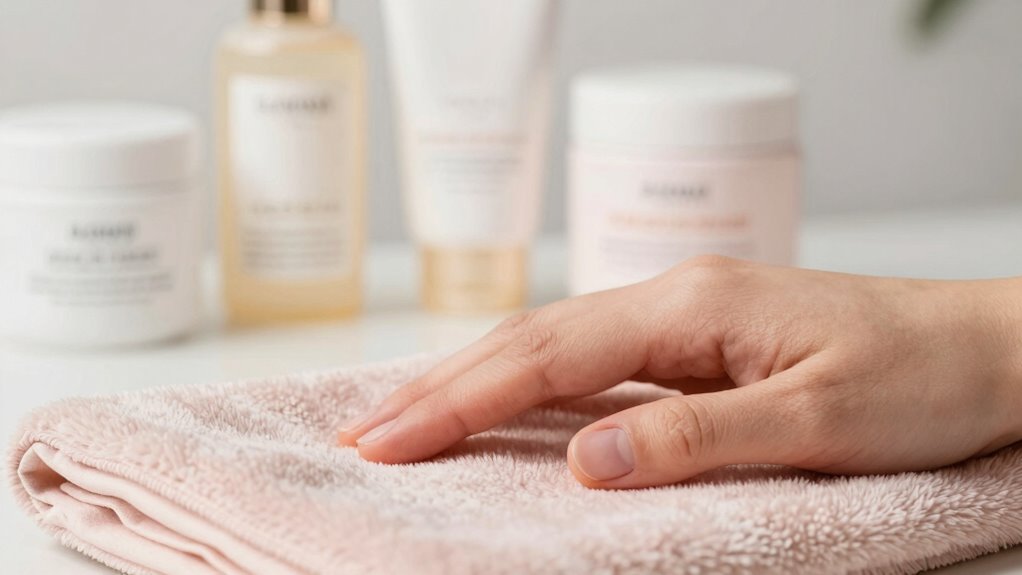
If you have sensitive skin, prioritizing comfort over flashy features is essential when shopping for skincare or clothing. Your skin reacts quickly to irritants, so choosing items that decrease the risk of flare-ups is a smart move. Start with fabrics that are gentle and free from harsh chemicals. Hypoallergenic fabrics, such as organic cotton or bamboo, are designed to minimize irritation and are often softer against sensitive skin. These fabrics don’t contain dyes or synthetic fibers that can cause redness or itching, making them a safer choice for everyday wear. When it comes to skincare, opting for chemical free products is equally important. Many conventional products include fragrances, preservatives, and dyes that can upset sensitive skin. Switching to chemical free products means you’re avoiding these potential irritants, reducing inflammation and discomfort.
You might be tempted to look for features like trendy designs or high-tech fabrics, but for sensitive skin, comfort comes first. Fabrics that breathe and feel soft are less likely to cause friction or trap sweat, which can lead to irritation. When shopping for clothes, check labels carefully and prioritize those made from hypoallergenic fabrics. Similarly, in skincare, read ingredient lists to ensure products are free from fragrances, parabens, and artificial dyes. Natural, chemical free products tend to be gentler and less likely to trigger allergic reactions, especially if you have a history of skin sensitivities. Recognizing sustainable manufacturing practices can also help you choose products that are better for both your skin and the environment. Being aware of certified organic materials helps ensure that your purchases meet strict standards for chemical use and environmental impact, which can further benefit sensitive skin. Understanding eco-friendly ingredients can guide you toward products that support overall skin health and environmental sustainability. Incorporating air purification into your environment can further protect sensitive skin by reducing airborne irritants and allergens that may exacerbate reactions. Additionally, paying attention to manufacturing standards can help you avoid products that may contain residual chemicals or contaminants.
It’s also worth investing in skincare and clothing specifically made for sensitive skin. These items are often crafted with your needs in mind, emphasizing comfort and hypoallergenic materials. For clothing, look for brands that prioritize sustainable, chemical free manufacturing processes. For skincare, choose products that are labeled hypoallergenic and free from common irritants. Remember, just because a product is marketed as luxurious or high-tech doesn’t mean it’s suitable for sensitive skin. The focus should be on what’s gentle and soothing.
In the end, shopping with your skin’s health as the top priority means being selective and informed. Comfort and safety should always come before flashy features or trendy labels. By selecting hypoallergenic fabrics and chemical free products, you profoundly reduce the risk of irritation and enjoy a more comfortable, irritation-free experience. Sensitive skin requires extra care, and making mindful choices ensures you keep your skin happy and healthy every day.
hypoallergenic organic cotton clothing
As an affiliate, we earn on qualifying purchases.
As an affiliate, we earn on qualifying purchases.
Frequently Asked Questions
Are Organic Fabrics Better for Sensitive Skin?
Yes, organic fabrics are better for sensitive skin because they’re often made from eco-friendly fabrics and chemical-free textiles, reducing the risk of irritation. These materials avoid synthetic dyes and harsh chemicals found in conventional fabrics, making them gentler on your skin. When shopping, prioritize organic options to guarantee comfort and minimize allergic reactions. You’ll enjoy a softer, safer wearing experience while supporting sustainable practices.
How Can I Test a Product for Skin Sensitivity?
Your skin’s sensitivity is nothing short of a delicate masterpiece, so testing products carefully is essential. Start with fabric testing—wear a small piece of the fabric for a day to see how your skin reacts. Then, perform a patch test by applying a small amount of the product on your inner wrist or behind your ear for 24-48 hours. If no irritation occurs, it’s likely safe for your skin.
Do Natural Dyes Reduce Irritation Risks?
Natural dyes can reduce irritation risks because they’re generally gentler than synthetic options, making them a good choice for sensitive skin. However, natural dye safety varies depending on the ingredients used, so it’s vital to verify for potential allergens. To prevent irritation, use irritation prevention techniques like patch testing and choosing dyes with minimal chemical processing. Always opt for products labeled as safe for sensitive skin to guarantee comfort and safety.
What Ingredients Should I Avoid for Sensitive Skin?
You should avoid ingredients like fragrances, dyes, and harsh chemicals, as they often act as chemical irritants and skin reaction triggers. Stay away from parabens, sulfates, and alcohols, which can strip your skin’s natural barrier. Instead, opt for gentle, fragrance-free, and hypoallergenic products that soothe rather than stimulate. By steering clear of these irritants, you protect your skin and minimize the risk of reactions.
Can Fragrance-Free Products Still Cause Reactions?
Yes, fragrance-free products can still cause reactions. Fragrance allergies and scent sensitivities aren’t always related to added perfumes; sometimes, natural ingredients or preservatives in these products trigger responses. You may experience irritation even without added fragrances. Always check ingredient lists carefully, and consider patch testing new products before full use. If you have known sensitivities, opt for products labeled as hypoallergenic or designed for sensitive skin to minimize reactions.
Conclusion
Remember, when shopping for skincare or clothing, prioritize comfort over flashy features. For example, imagine Sarah, who switched to fragrance-free, soft-textured products and noticed her skin calming down remarkably. By choosing items that feel good against your skin, you’ll not only avoid irritation but also enjoy everyday comfort. So, trust your instincts and focus on what feels right—your skin will thank you for it.
Cold & flu season Picks
humidifiers
As an affiliate, we earn on qualifying purchases.