When you see “medical grade” on Amazon devices, it usually suggests the product meets higher safety and quality standards than typical consumer devices. However, this label often isn’t regulated or certified in a consistent way, so it can be misleading. While some “medical-grade” devices undergo rigorous testing and certification, others rely on marketing claims. To really understand what it means for your health, it’s important to check certifications and standards—there’s more to uncover if you keep exploring.
Key Takeaways
- “Medical grade” indicates adherence to higher safety and quality standards but does not guarantee FDA approval or clinical certification.
- It suggests the device is designed with durable materials and reliability suitable for healthcare settings.
- Labels can be misleading; verification of official certifications like FDA or CE is essential.
- Medical-grade devices typically undergo rigorous testing, clinical validation, and ongoing quality checks.
- Consumers should research specifications, manufacturer credentials, and regulatory compliance to ensure device safety and effectiveness.

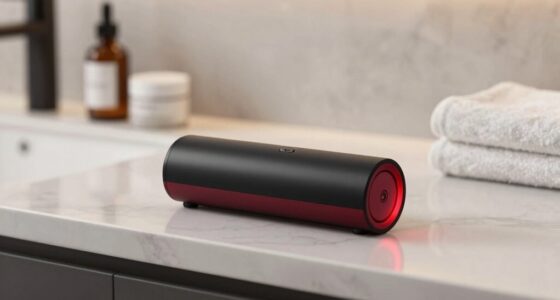
LifePro Lumicure Red Light Therapy Torch - Red Light Therapy Wand Handheld
- Premium Infrared Red Light Device: 3 wavelengths for comfort and wellness
- Supports Muscles & Joints: Targets relaxation for body and joints
- Portable & Easy to Use: Lightweight with wrist strap and case
As an affiliate, we earn on qualifying purchases.
What Does ‘Medical Grade’ Really Mean on Amazon?
What does “medical grade” really mean when you see it on Amazon? It suggests that the device uses advanced medical technology and meets high standards for quality. However, “medical grade” often doesn’t guarantee hospital-level performance or certification. Instead, it indicates that the product is made with durable materials designed to withstand regular use, improving device durability. These devices are typically built to be more resilient, ensuring they last longer and perform reliably. But remember, “medical grade” on Amazon might not mean it’s approved by health authorities. It’s essential to look beyond the label and research the product’s specifications and intended use. Understanding the Free Floating concept can help you better evaluate the true quality of these devices. Additionally, knowing how product certifications are obtained can help you distinguish genuinely high-quality medical devices from marketing claims. Recognizing the importance of materials and construction can further ensure you’re choosing a device that is both safe and effective. Furthermore, examining the manufacturing standards behind these products can provide additional insights into their reliability. Being aware of regulatory approval processes can also help you assess whether a device truly meets necessary safety and effectiveness criteria. Ultimately, understanding what “medical grade” really entails helps you make smarter choices about the devices you purchase.
How Are Medical-Grade Devices Regulated and Certified?
Medical-grade devices undergo strict regulation and certification processes to guarantee safety and effectiveness. You’ll find that these devices must pass rigorous clinical testing to demonstrate they work as intended. FDA approval process is a key step, ensuring the device meets safety standards before reaching the market. During this process, manufacturers must provide detailed evidence of performance, safety, and reliability. Here’s what you need to know:
- Clinical testing verifies the device’s safety and efficacy through controlled studies
- FDA approval confirms the device complies with federal safety standards
- Certification often involves ongoing quality checks and post-market surveillance
- A comprehensive review of regulatory procedures is essential for understanding how medical devices are approved and monitored post-market.
- Indoor air quality considerations are important for overall health, especially when using medical-grade devices at home. Additionally, these devices are subject to stringent standards to ensure consistent quality and safety during manufacturing. Regular quality control measures further uphold these standards, ensuring consumer trust. Maintaining high standards also relates to manufacturing processes, which are carefully regulated to prevent contamination or defects. This thorough process helps ensure that medical-grade devices are safe for consumer use, especially when marketed with claims of medical reliability.
Are Medical-Grade Amazon Devices Safe and Reliable?
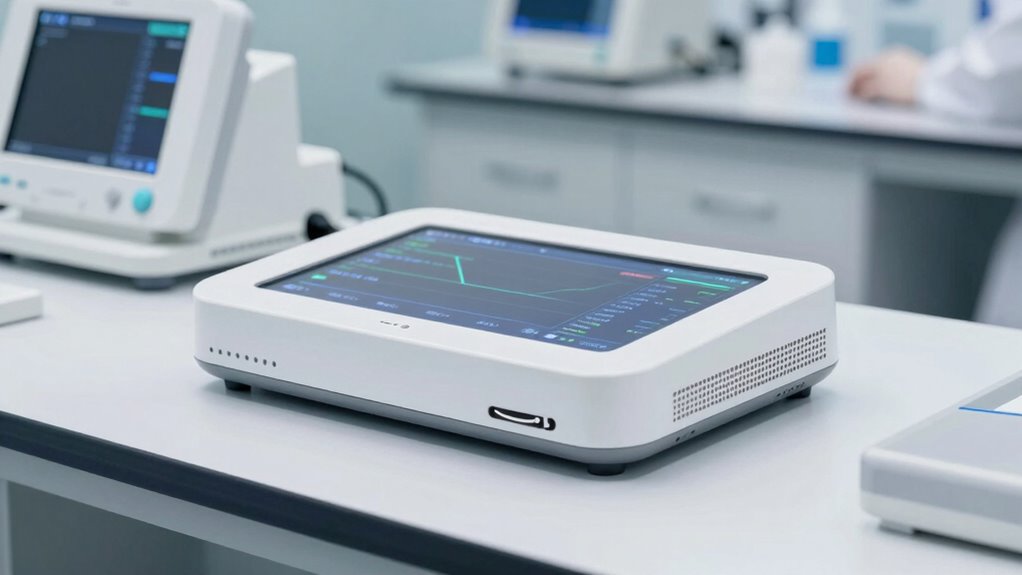
Given the strict regulation and certification process that medical-grade devices undergo, you might assume that Amazon’s medical-grade products are automatically safe and reliable. However, it’s vital to scrutinize whether these devices truly meet safety standards and support accurate medical claims. While they are designed with high-quality components, device compatibility with your existing systems and medical needs is essential. Additionally, understanding medical device certifications can help determine whether a product truly meets regulatory standards. Not all products labeled as “medical-grade” on Amazon have been tested or approved for medical use outside specific certifications. Always verify whether the device has proper certifications and whether it’s compatible with your other medical equipment. Relying solely on the “medical-grade” label can be misleading; thorough research ensures safety and reliability. Furthermore, awareness of device standards can help consumers differentiate between genuinely certified products and those falsely marketed. Additionally, understanding piercing care and hygiene can help ensure that devices used for medical or personal purposes remain safe and effective. Recognizing the importance of regulatory standards can further guide you in choosing trustworthy medical-grade devices. Being aware of quality assurance processes can also help confirm that the device has undergone appropriate testing and inspection before reaching consumers.
Debunking Myths About Medical-Grade Devices on Amazon
Many people assume that a “medical-grade” label on Amazon guarantees a product’s safety and effectiveness, but this isn’t always the case. These labels often stem from medical marketing tactics that exploit consumer misconceptions. Just because a device is labeled “medical-grade” doesn’t mean it meets rigorous clinical standards or has been approved by regulatory agencies.
A “medical-grade” label doesn’t guarantee safety or approval.
Understanding the standards for medical devices can help consumers recognize that not all products bearing the label adhere to strict safety and efficacy guidelines. For example, some products may use marketing claims that imply higher performance without substantive evidence, which can be misleading to consumers. Additionally, the role of cryptid mysteries and folklore in shaping perceptions of authenticity highlights how marketing can sometimes blur the lines between fact and fiction. It’s important to scrutinize regulatory approvals to determine whether a product has undergone proper testing. Recognizing certification processes can further help consumers differentiate genuine medical devices from misleading labels.
Be cautious of claims like:
- “Clinically proven” without concrete evidence
- “Hospital quality” products sold online
- “Certified” labels that lack official certification
Understanding the distinction helps prevent falling for false advertising. Many products are marketed as “medical-grade” to boost sales, but the truth is, not all meet the same safety and efficacy standards as actual medical devices.
Differences Between Medical-Grade and Consumer Devices

While labels like “medical-grade” can be misleading, understanding the actual differences between medical-grade and consumer devices is key to making informed choices. Medical-grade devices often have stricter standards for device compatibility, ensuring they work accurately and reliably in clinical settings. They may also feature more straightforward, simplified user interfaces designed for ease of use under pressure, minimizing errors. Consumer devices, on the other hand, prioritize user convenience and advanced features for everyday use, but may lack the rigorous testing or certifications needed for medical applications. Recognizing these distinctions helps you determine whether a device truly meets your needs or if it’s optimized for medical environments, ultimately guiding your purchasing decisions with confidence. Additionally, device certifications can serve as a reliable indicator of a device’s adherence to industry standards and safety requirements. Being aware of regulatory standards can further help distinguish between devices intended for medical use and those designed for general consumers. Furthermore, understanding industry standards can clarify the level of safety and performance a device is expected to maintain in medical settings, while some testing procedures are specifically designed to validate a device’s suitability for clinical environments. Moreover, attention to quality assurance processes can ensure that a device consistently meets the necessary specifications for medical use.
How to Evaluate Medical-Grade Amazon Devices for Your Needs
To effectively evaluate medical-grade Amazon devices for your needs, start by identifying the specific health concerns or applications you want the device to address. Focus on factors like medical accuracy, which guarantees reliable readings, and user experience, including ease of use and comfort. When assessing options, consider:
- The device’s certification and compliance with medical standards
- User reviews emphasizing accuracy and ease of operation
- Manufacturer transparency about testing and validation procedures
Prioritize devices that provide consistent, precise results and are designed with user-friendliness in mind. Remember, a device with high medical accuracy and a positive user experience will better support your health management needs. Avoid falling for marketing hype—look for solid evidence backing the device’s claims. Additionally, understanding the Mental Wellbeing Index can help you gauge how well a device supports overall mental health.
Risks of Relying on Medical-Grade Labels When Buying on Amazon
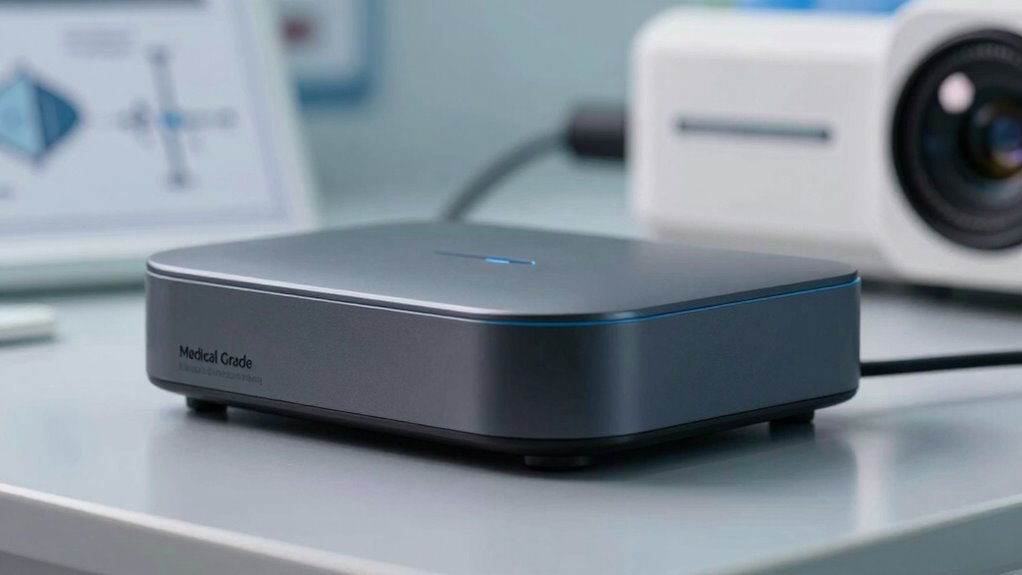
Relying solely on medical-grade labels on Amazon can be risky because some sellers use misleading labeling practices to attract buyers. Standards for what qualifies as “medical grade” can vary widely, making it hard to verify quality. Additionally, limited regulatory oversight means you might not get the safety and reliability you expect.
Misleading Labeling Practices
Many consumers assume that a “medical-grade” label on Amazon guarantees safety and effectiveness, but this isn’t always the case. Sellers often use this term loosely to boost credibility, even when products don’t meet strict standards. This can be especially misleading with cosmetic devices and fitness trackers, which might be labeled “medical-grade” to imply superior quality. Be cautious of claims like:
- Products labeled as “medical-grade” without official certifications
- Devices that mimic medical equipment but lack proper testing
- Items marketed to suggest clinical approval without evidence
These practices can lead you to purchase unreliable products that don’t deliver promised results or could even cause harm. Relying solely on labels without verifying certifications puts your safety at risk and undermines your trust in genuine medical devices.
Variability in Standards
Since standards for what qualifies as “medical-grade” can vary widely, you can’t assume that a product labeled as such on Amazon meets consistent safety or efficacy benchmarks. Different manufacturers follow varying manufacturing standards, which directly impact product quality and reliability. Without strict regulation, some devices may lack proper quality assurance, risking subpar performance or safety issues. Labels alone don’t guarantee that a product has undergone rigorous testing or adheres to industry-wide standards. This variability means that what’s regarded as “medical-grade” in one case might not meet the same criteria elsewhere. As a buyer, you need to be cautious and verify the manufacturer’s reputation and certifications, rather than relying solely on the label to determine a device’s safety or effectiveness.
Limited Regulatory Oversight
Because regulatory oversight for medical-grade devices sold on Amazon is limited, labels alone don’t guarantee safety or effectiveness. Without strict regulation, you can’t rely solely on certification processes to verify quality. Companies may label products as “medical-grade” without proper approval, risking your health.
Consider these risks:
- Lack of official oversight means some products bypass safety standards.
- Certification processes vary widely, making it hard to distinguish genuine from fake claims.
- Limited regulatory oversight increases the chance of subpar or unsafe devices reaching consumers.
Relying solely on labels can be misleading, so it’s essential to research sellers and verify certifications through trusted sources before making a purchase.
Tips for Buying Health Devices on Amazon Confidently
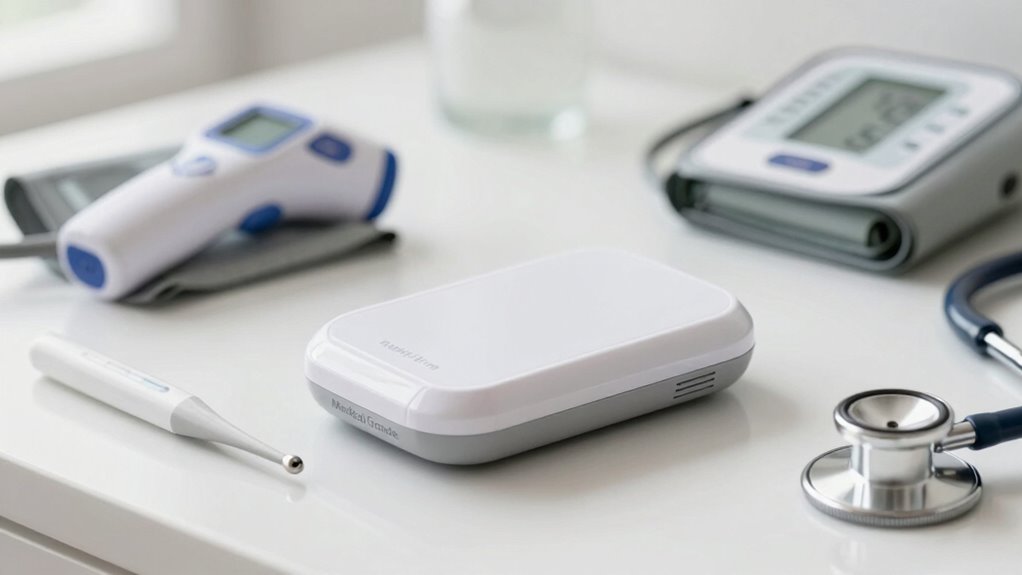
When shopping for health devices on Amazon, it’s vital to verify regulatory certifications to guarantee safety and quality. You should also understand what device labels mean and compare product specifications carefully. These steps help you make confident, informed purchasing decisions.
Verify Regulatory Certifications
Are you checking for the right regulatory certifications before purchasing a health device on Amazon? Confirming these certifications guarantees the device meets established safety and quality standards, providing better quality assurance. Look for certifications like FDA approval, CE marking, or other recognized standards relevant to your region. These labels indicate the device has undergone rigorous testing and complies with regulatory requirements. To verify, check the product description, manufacturer’s website, or contact customer support. Keep these in mind:
- Ensure the device has relevant regulatory certifications
- Confirm the certifications are from reputable authorities
- Research the manufacturer’s compliance history
Verifying regulatory certifications helps you avoid low-quality or unsafe products, giving you confidence in your purchase and peace of mind that it meets safety standards.
Understand Device Labels
Understanding device labels is key to confidently buying health devices on Amazon. Labels reveal important information about device branding, indicating whether a product is officially recognized or marketed with specific claims. Pay close attention to how manufacturers present their products, including any certifications or regulatory marks. Proper labeling practices ensure the device meets safety and quality standards, helping you distinguish genuine medical-grade devices from less reliable options. Look for clear, detailed labels that specify the device’s intended use, certification details, and any testing or approval marks. Be wary of vague or inconsistent labeling, as this can signal subpar quality or misleading claims. By scrutinizing device labels carefully, you can make informed choices and avoid unnecessary risks when purchasing health devices online.
Compare Product Specifications
Comparing product specifications is vital to guarantee you’re choosing the right health device on Amazon. Focus on details like medical standards, accuracy, and compatibility to make informed decisions. When doing product comparisons, consider these key aspects:
- Medical standards compliance ensures the device meets industry safety and performance benchmarks.
- Measurement accuracy is essential for reliable health data.
- Device features and compatibility help determine if it fits your specific needs and existing equipment.
Frequently Asked Questions
Can Non-Medical Devices Be Labeled as “Medical Grade” Falsely?
Yes, non-medical devices can be falsely labeled as “medical grade,” which poses mislabeling risks. This can mislead consumers into believing these products meet strict healthcare standards when they don’t. To protect yourself, stay informed and increase your consumer awareness. Always verify claims, check for proper certifications, and consult trusted sources before assuming a device is “medical grade.” Being cautious helps you avoid potential safety issues and false advertising.
Do All “Medical Grade” Devices Require FDA Approval?
Not all “medical grade” devices require FDA approval, but they must meet strict regulatory standards and undergo certification processes. You should check if the device has proper certification, as some products might claim “medical grade” without meeting official requirements. The FDA primarily regulates devices that pose higher risks to users, so lower-risk devices might not need approval but still need to adhere to safety and quality standards.
How Can I Verify a Device’s Certification on Amazon?
Think of device certification as a key to trust; you can verify a device’s certification on Amazon by checking the product details and certification badges listed in the product description. Look for labels like “FDA approved” or “medical grade” and review the seller’s credentials. Always use the “Product Verification” section or contact customer support to confirm that the device’s certification aligns with official standards before purchasing.
Are Medical-Grade Devices More Effective Than Regular Ones?
Medical-grade devices generally adhere to stricter medical standards, which can make them more reliable and effective for health purposes. They are designed with enhanced device safety features, ensuring consistent performance and reducing risks. While they’re often more effective in clinical settings, their effectiveness for personal use depends on the specific device and intended use. Always verify certifications to confirm the device meets these higher standards before purchasing.
What Are the Common Pitfalls When Buying Medical Devices Online?
You might think buying medical devices online is foolproof, but watch out for pitfalls like questionable product authenticity and shady seller reputations. Ironically, the cheapest option isn’t always the safest. Always verify seller credentials, read reviews carefully, and make certain the device meets official standards. Skipping these steps risks ending up with counterfeit gear or subpar quality, which can compromise your health rather than protect it. Stay vigilant and shop smart.
Conclusion
Remember, don’t be swayed by the label “medical grade” like a moth to a flame. It’s vital to do your homework, verify certifications, and understand what truly makes a device safe and effective. Labels can be shiny, but your health depends on informed choices. So, ask questions, read reviews, and trust reputable sources—because when it comes to your well-being, knowledge is your most powerful shield. Don’t let the promise of “medical grade” blind you.