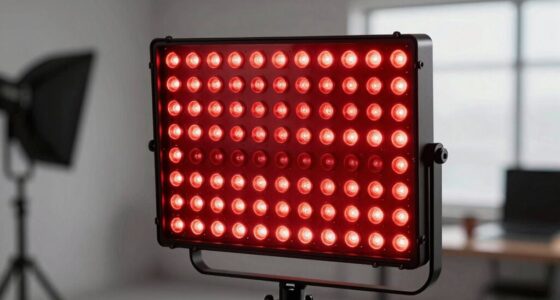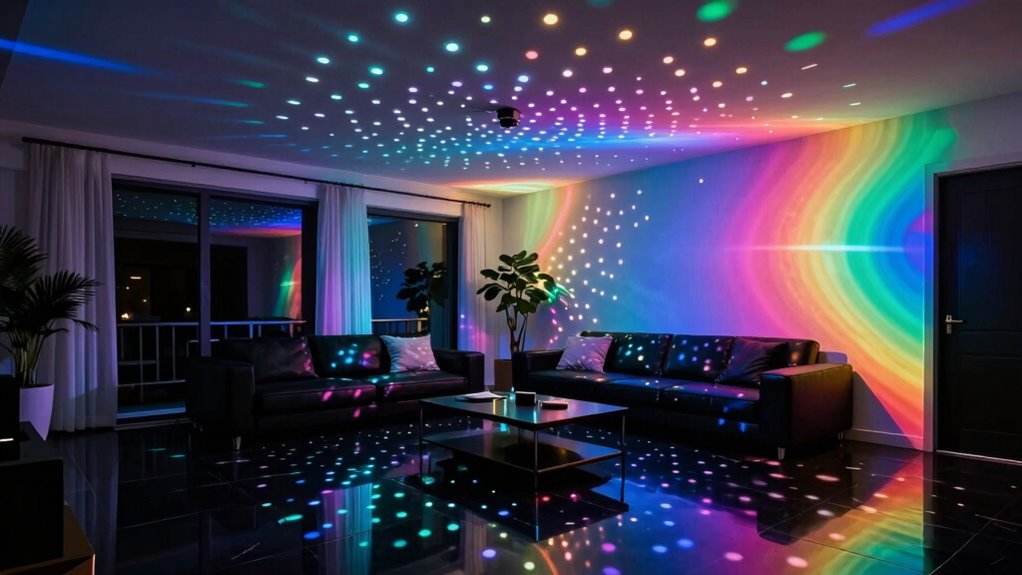

Having more LEDs in your setup might seem impressive, but it doesn’t always mean better visuals. Too many LEDs can result in higher energy bills, system strain, and decreased reliability. Overloading your setup can cause technical issues and shorten equipment life. Finding the right balance is key to maintaining efficiency and performance. Want to discover how to optimize your LED setup without overdoing it? Keep exploring to learn more.

Get wellness gear delivered free — and shop member deals
- Fast, free delivery on millions of items
- Access to Prime Big Deal Days deals on October 6–7
- Prime Video, Amazon Music and more included
Key Takeaways
- Increasing LEDs can reduce visual quality if not optimally placed, leading to diminishing returns.
- More LEDs significantly raise power consumption and energy costs, impacting efficiency.
- Excess LEDs increase system complexity, risking technical failures and reducing reliability.
- Overloading LEDs can strain equipment and shorten its lifespan, compromising longevity.
- Balancing LED quantity with system capacity prevents overloads and ensures sustainable operation.
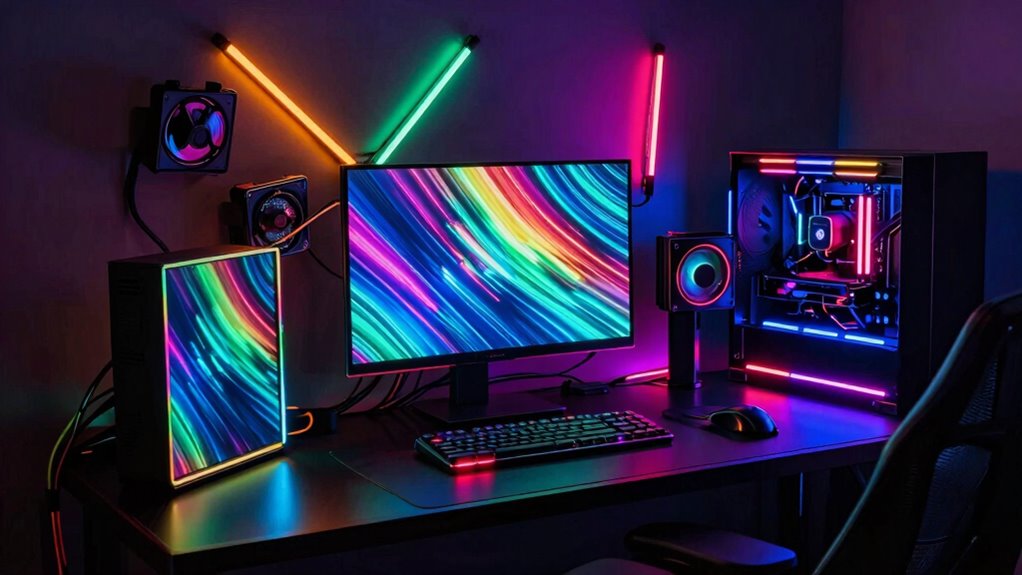
When it comes to LED displays and lighting, more LEDs often seem like the ultimate upgrade, promising brighter, more vibrant visuals. But before you get caught up in the hype, it’s important to understand that adding extra LEDs isn’t always the best move. More LEDs can significantly increase power consumption, which could lead to higher energy bills and more strain on your power supply. If you’re aiming for an efficient setup, piling on LEDs might backfire, forcing you to balance brightness with energy costs. It’s not just about shining brighter; it’s about doing so without draining your resources or causing unnecessary wear on your system. Additionally, increasing the number of LEDs can impact the overall system reliability, making your setup more prone to technical issues and failures. Carefully considering energy efficiency can help prevent unnecessary system strain and prolong the lifespan of your equipment. Understanding system capacity limits is also crucial to avoid overloading your setup and risking damage.
energy-efficient LED strip lights
As an affiliate, we earn on qualifying purchases.
As an affiliate, we earn on qualifying purchases.
Frequently Asked Questions
How Do LED Quality Differences Affect Performance?
You’ll notice that LED quality differences markedly impact performance. High-quality LEDs offer better color consistency, ensuring uniform brightness and accurate colors, which enhances visual appeal. They also have improved longevity factors, meaning they last longer and maintain their brightness over time. Lower-quality LEDs may flicker, exhibit inconsistent colors, and burn out faster. So, investing in good LEDs guarantees reliable performance, durability, and a consistent, vibrant display.
What Are the Environmental Impacts of LED Production?
You should know that LED production impacts the environment through its footprint, mainly due to raw material sourcing like rare earth metals, which can lead to habitat destruction and pollution. Manufacturing processes also consume significant energy, contributing to greenhouse gas emissions. By choosing brands that prioritize sustainable sourcing and energy-efficient production, you can help reduce the environmental impact and support eco-friendly practices in the LED industry.
Can More LEDS Increase Energy Consumption?
Adding more LEDs doesn’t necessarily boost energy consumption if you focus on brightness optimization and energy efficiency. When you use the right number of LEDs, you can achieve brighter, more efficient lighting without draining your power source. However, overloading with LEDs can lead to unnecessary energy use, so it’s essential to balance quantity with quality. Think smart about your setup—more isn’t always better for energy savings.
Are There Health Concerns With Bright LED Displays?
Bright LED displays can pose health concerns, especially with prolonged exposure. You might notice LED flicker, which can cause eye strain or headaches over time. Additionally, blue light emitted from LEDs can disrupt your sleep patterns and strain your eyes, particularly if you use them late at night. To protect yourself, limit exposure, take breaks, and consider using filters or glasses that block blue light.
How Do LED Costs Compare Over Their Lifespan?
They say “you get what you pay for,” and when comparing LED costs over their lifespan, durability and color consistency prove essential. While LEDs may seem pricey upfront, their long-term savings come from lower energy bills and fewer replacements. Good-quality LEDs maintain brightness and color accuracy longer, making them a smart investment. Over time, their durability guarantees you won’t keep shelling out for repairs, saving you money in the long run.
Conclusion
So, next time you’re dazzled by a wall of LEDs, remember: more isn’t always better. Sure, flashing lights might look cool, but they often just scream “I haven’t got anything clever to say.” Sometimes, a subtle glow beats a blinding display. So, go ahead, flex your style—just maybe skip the disco ball and opt for something that actually impresses, not just blinds. After all, true cool is about quality, not quantity.
Fall Picks
fall essentials
As an affiliate, we earn on qualifying purchases.