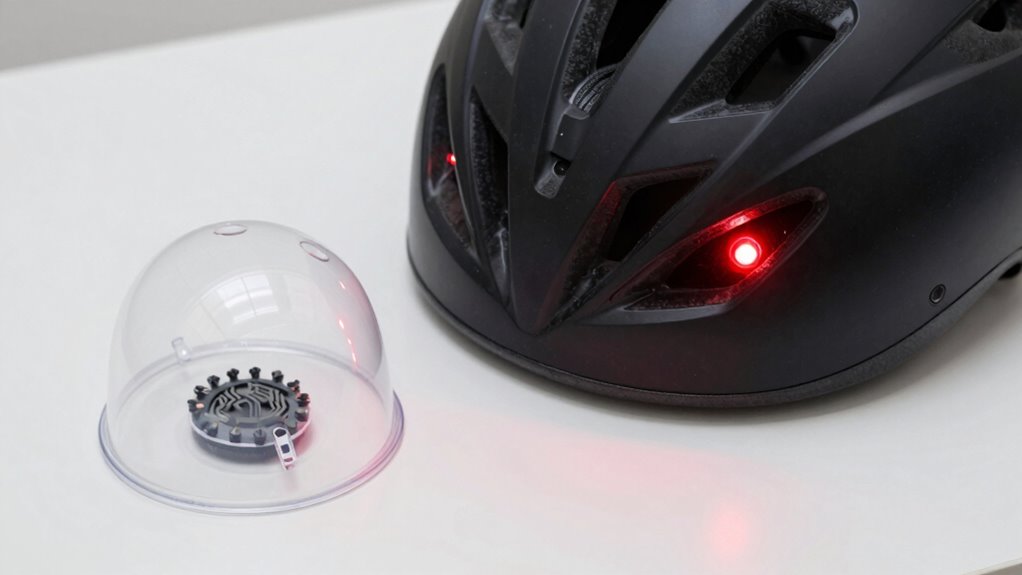

If you’re exploring hair growth light therapy, choosing between caps, helmets, or panels depends on your scalp size, treatment goals, and budget. Caps and helmets offer broader coverage and are portable, while panels target specific areas but can be more costly. Ensuring proper device selection, consistent use, and safety precautions can boost your results. To get the most out of your therapy, understanding device differences and setup tips is key—there’s more to discover to optimize your hair health journey.

Get wellness gear delivered free with Prime
- Fast, free delivery on millions of items
- Prime Video, Amazon Music and more included
- Member-only deals all year
Key Takeaways
- Choose between caps, helmets, or panels based on scalp coverage needs, portability, and budget considerations.
- Caps and helmets offer broad coverage and portability, ideal for comprehensive treatment; panels target specific areas.
- Ensure device wavelength (red or near-infrared light) matches treatment goals for optimal effectiveness.
- Regularly follow manufacturer guidelines for usage, maintenance, and safety to ensure consistent, safe results.
- Assess device features like adjustable straps, timers, and safety standards to maximize comfort and usability.
Products Worth Considering

BowFlex Results Series SelectTech 552 Adjustable Dumbbell
OMRON Complete 2-in-1 Upper Arm Blood Pressure Monitor with EKG
Therabody SmartGoggles 2nd Gen Heated Eye and Temple Massager
As an affiliate, we earn on qualifying purchases.
What Is Hair Growth Light Therapy and How Does It Work?

Hair growth light therapy is a non-invasive treatment that uses specific wavelengths of red or near-infrared light to stimulate hair follicles. This process works by penetrating the scalp and promoting hair follicle stimulation, which can encourage growth and improve hair density. The light wavelength specifics are essential; typically, wavelengths between 630-670 nanometers for red light and around 800-900 nanometers for near-infrared light are most effective. These wavelengths are chosen because they can reach deep into the scalp tissue without causing damage. When absorbed, the light energizes cells within the hair follicles, boosting blood flow and cellular activity. As a result, hair follicles enter a healthier phase of growth, potentially reversing hair loss and supporting thicker, stronger hair over time. Understanding light wavelength specifics is crucial for selecting the most effective therapy options and maximizing benefits, especially since the ability of these wavelengths to penetrate scalp tissue directly influences treatment effectiveness. A deeper understanding of cellular energy production can also help in optimizing treatment plans for better results. Additionally, appropriate device selection can enhance the uniformity and consistency of light delivery, further improving treatment outcomes.
Which Light Therapy Device Is Right for You: Caps, Helmets, or Panels?

Choosing the right light therapy device depends on factors like coverage area, portability, and your budget. Caps, helmets, and panels each offer different advantages, so consider what fits your lifestyle and needs best. By weighing these points, you’ll find the device that helps you achieve ideal hair growth results.
Coverage Area Options
When selecting a light therapy device, consider the size of the treatment area you want to cover. Different devices offer various coverage options, so think about whether you need full scalp treatment or targeted spots. Caps and helmets provide extensive coverage, making them ideal for broader areas and ensuring device compatibility across the entire scalp. Panels, on the other hand, often focus on smaller sections, which can be effective for targeted therapy but may require multiple sessions to cover the whole area. Your choice should match your specific hair loss pattern and comfort preferences. Remember, larger coverage options typically mean more exhaustive treatment, but they might also come with added cost or bulkier design. Additionally, understanding treatment area options can help you make an informed decision that best suits your hair growth goals. Considering the coverage area can also influence the overall treatment duration and frequency needed for optimal results.
Portability and Convenience
If you prioritize ease of use and portability, the type of light therapy device you select can make a big difference in your daily routine. Caps and helmets often feature a compact, portable design, making them easy to carry and store. Many models include travel-friendly features like lightweight construction and foldable components, so you can use them at home or on the go. Panels tend to be larger and less convenient for travel, but some are designed with portability in mind, offering sleek, lightweight options. Consider how you’ll incorporate the device into your busy schedule—if portability is key, choose a device with a portable design and travel-friendly features that suit your lifestyle and ensure consistent use wherever you are. Free Floating design principles can also help you select a device that seamlessly integrates into various outdoor settings, emphasizing the importance of portability and convenience in your overall experience. Additionally, selecting a device that incorporates advanced technology, such as ergonomic designs or adjustable settings, can further enhance your ease of use and adaptability. Incorporating certifications or standards related to safety and efficacy can also provide added confidence in your choice. Moreover, understanding the sustainability aspects of your device, like eco-friendly materials and energy efficiency, can contribute to environmentally conscious decisions.
Cost and Investment
The cost of light therapy devices varies considerably depending on the type and features, so it’s important to contemplate your budget and long-term investment. Device pricing ranges from affordable options to higher-end equipment, impacting your initial expense. While panels tend to be more expensive upfront, they often offer better long-term savings due to covering larger areas efficiently. Caps and helmets are usually less costly initially but may require more frequent replacement or supplemental devices. Here’s a quick comparison:
| Device Type | Price Range | Long Term Savings | Coverage Area |
|---|---|---|---|
| Caps | Moderate | Moderate | Focused |
| Helmets | Moderate | Moderate | Focused |
| Panels | Higher | Better | Broad |
Considering the initial investment carefully can help ensure the device aligns with your specific hair growth goals and budget. Choosing wisely balances device pricing with your hair growth goals and budget.
How to Choose the Best Light Therapy Device for Hair Growth
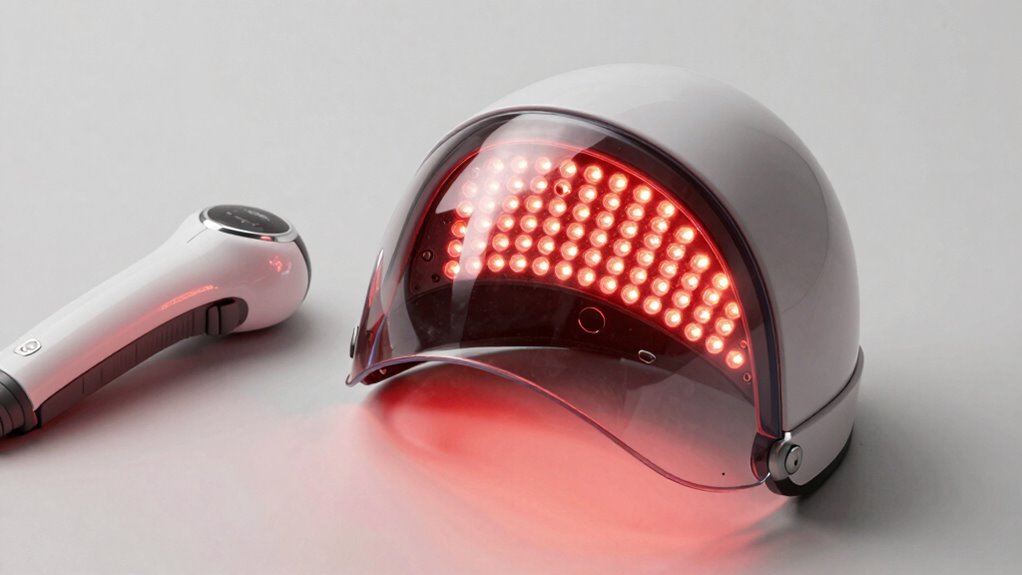
Choosing the right light therapy device for hair growth involves considering several key factors to guarantee you get the best results. First, focus on device durability, ensuring it’s built with quality materials that can withstand regular use. A sturdy device will last longer and provide consistent performance. User comfort is equally important; select a device that fits comfortably and is easy to wear or handle during sessions. Look for features like adjustable straps, lightweight design, and ergonomic shape to enhance your experience. Additionally, consider the device’s size and coverage area to match your needs. Reliable light output and proper wavelength are essential for effectiveness, but don’t overlook comfort and durability — these will keep you engaged and ensure the device remains a valuable tool in your hair growth journey. Incorporating body-based healing methods can also support your overall wellness and complement the benefits of light therapy. Evaluating device safety standards is crucial to ensure the device operates effectively without risking harm during use. Moreover, understanding the light wavelength spectrum helps in selecting a device that delivers targeted and efficient treatment for hair growth. Recognizing the importance of consistent use can significantly influence the success of your therapy. Being aware of additional features like timers or remote controls can enhance your routine and make sessions more convenient.
Preparing for Your Light Therapy Sessions: Tips for Better Results
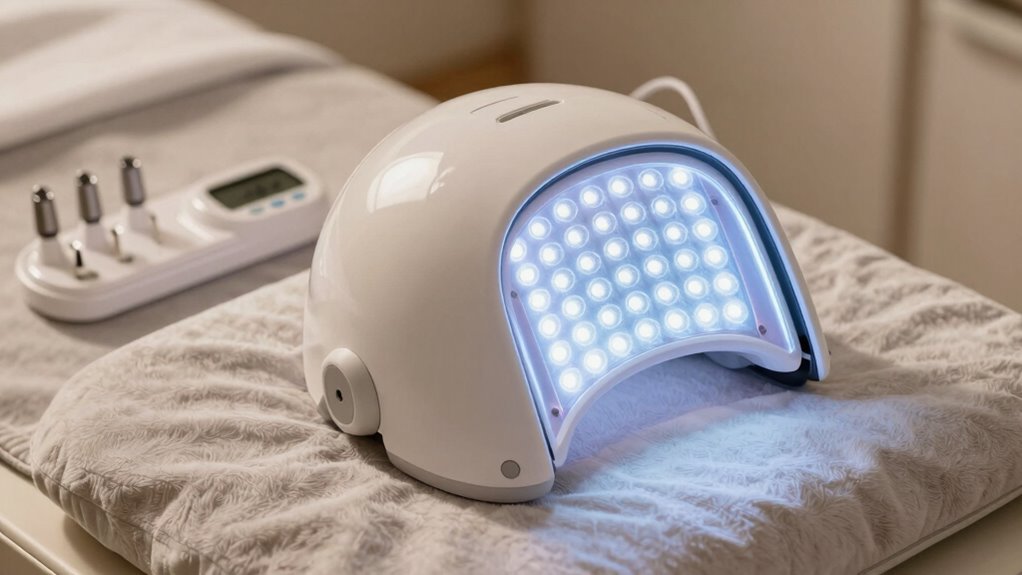
To get the best results from your light therapy sessions, you need to prepare properly. Keep a consistent schedule, make sure your scalp is clean before each session, and follow the manufacturer’s instructions carefully. These simple steps can notably improve your hair growth outcomes. Additionally, ensure your light therapy device is positioned correctly to maximize exposure to the targeted areas for optimal effectiveness. Incorporating proper preparation techniques can also help you achieve better and more consistent results over time. Being aware of home safety considerations is important to prevent accidents during your treatment sessions. Understanding the passive voice detection aspect of your writing can help you communicate more clearly and directly. Remember that understanding the ethical implications of treatment can guide you in making informed decisions about your hair health.
Maintain Consistent Schedule
Maintaining a consistent schedule is key to maximizing the effectiveness of your light therapy sessions. By sticking to a routine, you help your body adapt and respond better to treatment. Incorporate therapy sessions into your daily routines and schedule appointments at the same time each day. This consistency boosts results and makes it easier to remember. Use the following ideas to stay on track:
| Tip | Example | Benefit |
|---|---|---|
| Set reminders | Alarm or app notification | Keeps you accountable |
| Choose a fixed time | Morning or evening sessions | Builds habit |
| Keep a log | Track session dates | Monitors progress |
| Prepare in advance | Charge device, gather equipment | Reduces missed sessions |
Sticking to your plan also helps your body adapt to light therapy, leading to more noticeable hair growth improvements.
Prioritize Scalp Cleanliness
Ensuring your scalp is clean before each light therapy session is essential for ideal results. Good scalp hygiene helps maximize light absorption and reduces the risk of irritation. Oil buildup and dirt can create a barrier that prevents the light from penetrating effectively. To prepare, wash your hair with a gentle shampoo that removes excess oil and debris. Avoid heavy conditioners or styling products that might leave residues. Dry your scalp thoroughly to prevent moisture from interfering with the therapy. Regularly maintaining scalp cleanliness not only improves the effectiveness of your treatment but also promotes healthier hair growth overall. Incorporating proper light penetration techniques can further enhance your results. Additionally, maintaining a consistent hair care routine ensures your scalp remains in optimal condition for ongoing therapy. Make this a routine before every session to ensure your scalp is clear, clean, and ready to absorb the full benefits of the therapy.
Follow Manufacturer Guidelines
Following the manufacturer’s instructions is essential for safe and effective light therapy sessions. Adhering to guidelines guarantees proper device maintenance and maximizes user safety. Always read the manual carefully before starting. Maintain your device by cleaning lenses and checking for damage regularly. Proper setup and usage prevent unnecessary exposure and optimize results. Visualize your device like this:
| Device Components | Maintenance Tips |
|---|---|
| Light panels | Clean with a soft cloth after each use |
| Power cords | Inspect for frays or damage |
| Safety features | Test switches and timers before use |
How Often and How Long Should You Use Light Therapy?
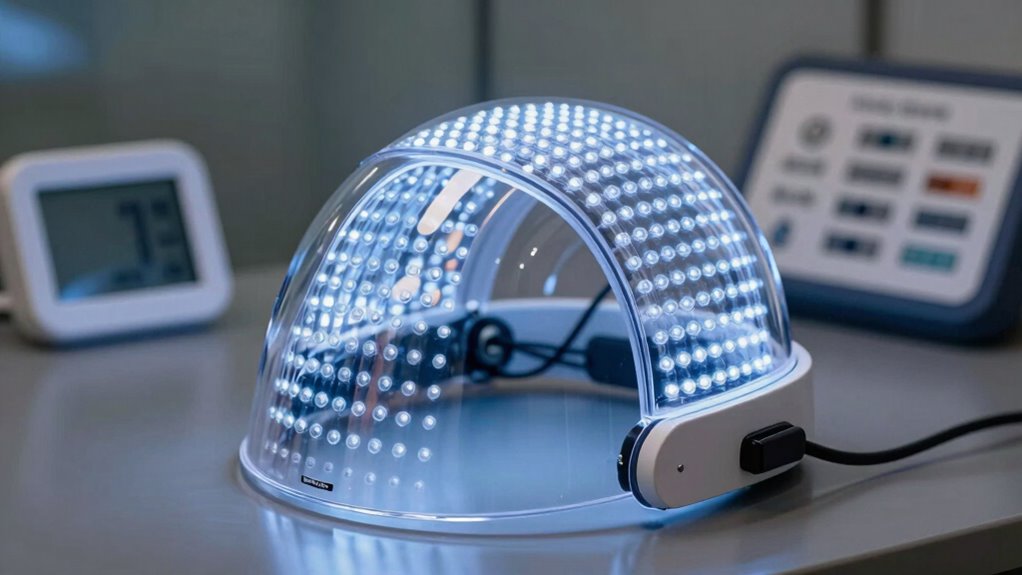
To get the best results from hair growth light therapy, it’s important to follow recommended usage guidelines. Typically, sessions last about 15 to 30 minutes, 3 to 5 times a week, depending on the device and your specific needs. Consistent use promotes scalp stimulation, which encourages blood flow and revitalizes hair follicle health. Avoid overusing the device, as longer or more frequent sessions won’t necessarily speed up results and could cause irritation. Stick to the manufacturer’s instructions and give your scalp time to respond. Patience is key, as noticeable improvements often take several months. Regular, moderate sessions are most effective for supporting healthy hair growth and maintaining scalp stimulation.
Common Mistakes to Avoid When Using Light Therapy Devices
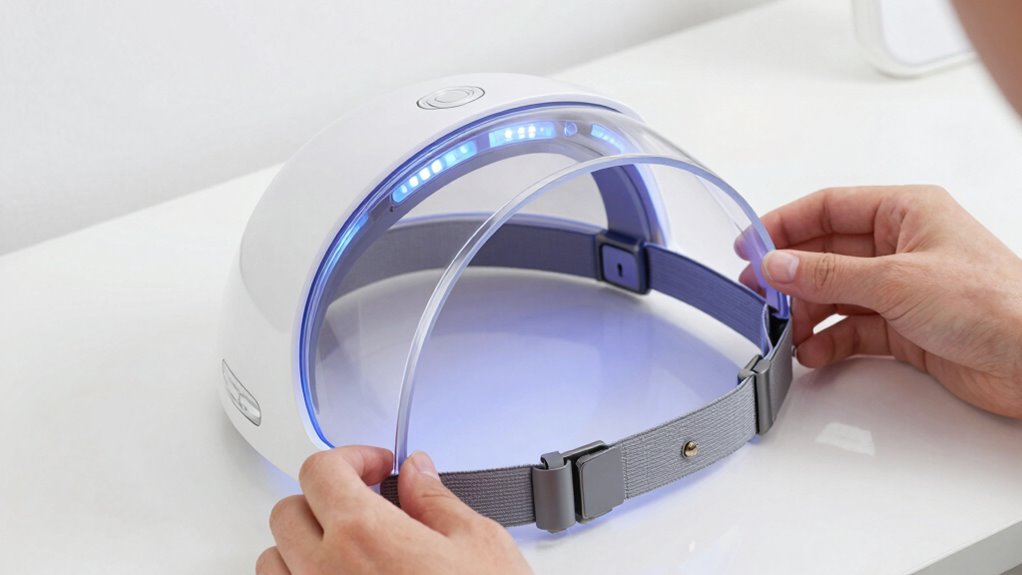
Using light therapy devices correctly is essential for achieving the best hair growth results. Avoid these common mistakes to protect your progress and ensure safety:
- Ignoring device maintenance, which can lead to decreased effectiveness and potential safety hazards. Regular cleaning and following manufacturer instructions are vital.
- Using the device improperly or for too long, risking user safety and possible skin irritation. Stick to recommended treatment times.
- Skipping calibration or neglecting device updates, which can reduce efficiency. Keep devices in good condition for maximum results.
- Overlooking safety precautions, such as eye protection. Always wear safety goggles if advised, to prevent harm.
What Results Can You Expect and How Soon?

When you start hair growth light therapy, you can typically expect to see some improvements within a few weeks, although results vary based on individual factors. Laser therapy promotes scalp stimulation, encouraging hair follicles to grow stronger. Early signs may include thicker hair strands or reduced hair shedding. Consistency is key; regular sessions enhance results.
| Timeframe | Expected Outcomes |
|---|---|
| 2-4 weeks | Initial scalp stimulation, slight improvements |
| 4-8 weeks | Noticeable reduction in hair shedding |
| 3-6 months | Thicker, denser hair growth |
| 6-12 months | Significant restoration of hair volume |
| Beyond 12 months | ideal results with continued treatments |
Can You Boost Hair Growth by Combining Light Therapy With Other Treatments?
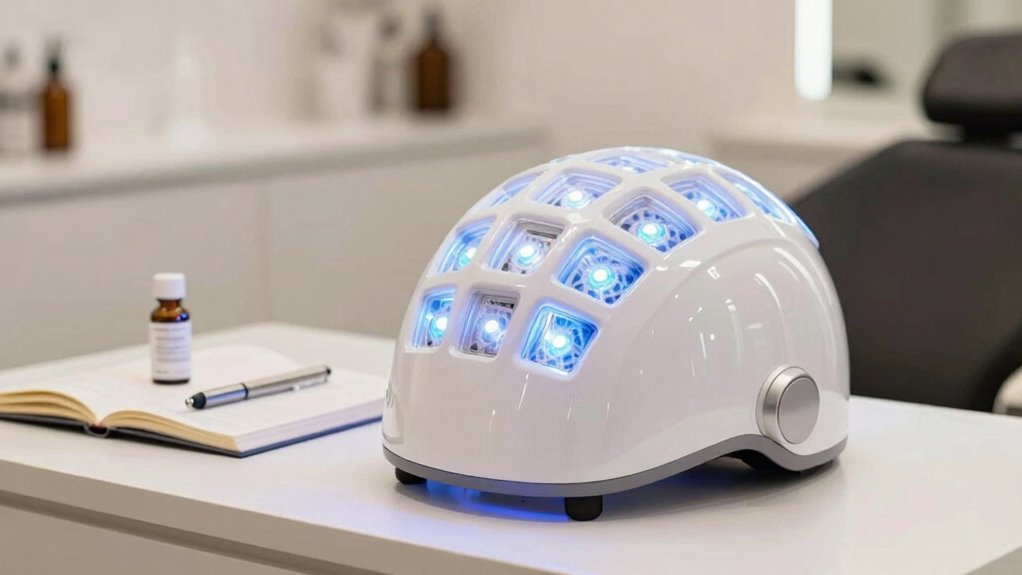
Combining light therapy with other hair restoration treatments can considerably enhance your results. When you utilize combination treatments, you create supplement synergy that maximizes hair growth potential. Here are four ways this approach can boost your progress:
Enhance your hair growth by combining light therapy with complementary treatments for optimal results.
- Accelerate results by targeting hair follicles from multiple angles.
- Strengthen hair strands through nourishing topical or oral supplements.
- Increase scalp health with therapies like PRP or microneedling alongside light therapy.
- Enhance overall effectiveness by combining treatments tailored to your unique needs.
This strategic blend not only improves hair density but also builds a stronger foundation for sustained growth. By integrating different methods, you optimize your chances of achieving thicker, healthier hair faster.
Is Hair Growth Light Therapy Safe? Side Effects and Precautions
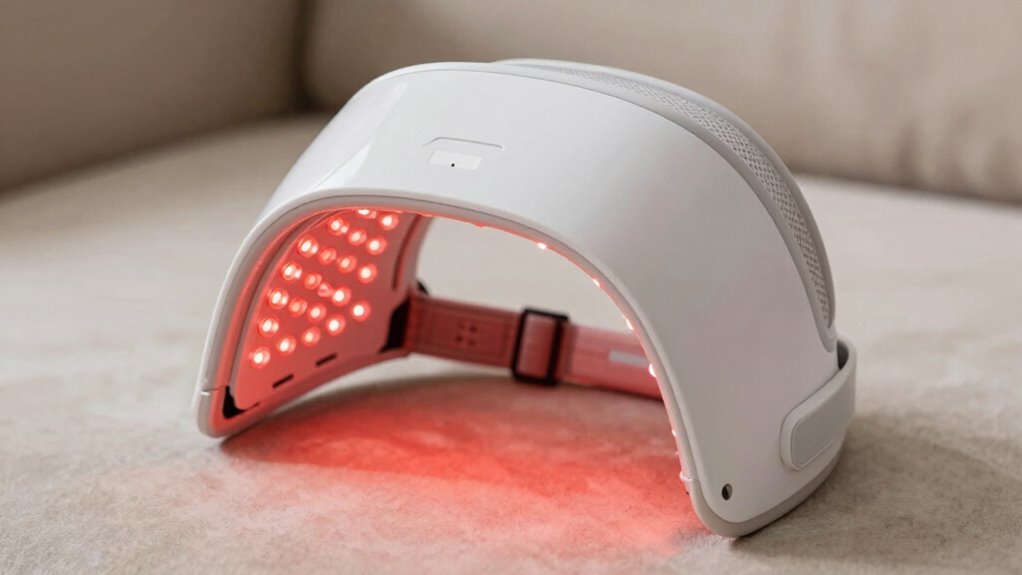
Although hair growth light therapy is generally considered safe, it’s important to understand potential side effects and take proper precautions. Some users may experience potential skin irritation, especially if they overuse the devices or have sensitive skin. Eye safety concerns are also valid; exposure to intense light can harm your eyes if proper eye protection isn’t used. To minimize risks, follow manufacturer instructions carefully and avoid looking directly at the lights. Here’s a quick overview:
| Side Effect | Precaution |
|---|---|
| Potential skin irritation | Use devices as directed and keep skin protected |
| Eye safety concerns | Wear protective goggles during treatments |
| Mild redness or itching | Limit session duration and frequency |
| No long-term risks reported | Regularly inspect devices for damage |
Frequently Asked Questions
Can Light Therapy Be Effective for All Hair Types?
Light therapy can be effective for many hair types, but your results depend on hair type considerations and scalp sensitivity. If you have fine, thick, curly, or straight hair, it generally responds well, but sensitive scalps might experience discomfort. Always start with shorter sessions and monitor how your scalp reacts. Consulting a professional helps make sure the therapy suits your specific hair type and minimizes potential irritation.
Are There Any Age Restrictions for Using Hair Growth Light Therapy?
You can jump into hair growth light therapy at almost any age—kids, teens, adults—there are generally no strict age limitations, but pediatric use is a bit different. While it’s safe for many, always check with your doctor if you’re considering it for children. For adults, it’s a straightforward, safe treatment, but understanding age restrictions guarantees you get the best results without any worries.
How Does Light Therapy Compare to Medication Treatments?
Light therapy offers a non-invasive, natural alternative to medication treatments for hair growth, with fewer side effects. It’s generally less costly than ongoing medication, making it a budget-friendly option. While medications often involve synthetic chemicals, light therapy uses natural light energy to stimulate follicles. If you’re seeking a safer, cost-effective method that minimizes synthetic exposure, light therapy could be a better choice for you.
Is Professional Guidance Necessary for Home Devices?
Yes, professional guidance is necessary for home devices to guarantee safe and effective use. DIY safety can be compromised without proper assessment, risking overexposure or ineffective treatment. Consulting a professional helps you understand the correct device settings, treatment duration, and frequency. They can also evaluate your hair health and determine if light therapy suits you, maximizing results while minimizing potential side effects. Always prioritize expert advice for safe, successful hair growth treatments.
What Should I Do if I Experience Skin Irritation?
If you experience skin irritation, stop using the device immediately. You should assess your skin sensitivity and consider reducing treatment duration or intensity. Applying a soothing, hypoallergenic moisturizer can help calm irritation. If symptoms persist, consult a healthcare professional for personalized advice and treatment adjustment. Always follow the manufacturer’s guidelines and listen to your body to prevent further skin sensitivity issues.
Conclusion
Think of hair growth light therapy as your personal garden—gentle, steady, nurturing your hair’s journey back to lushness. With the right device and consistent care, you’re planting seeds of hope that will blossom over time. Stay patient, avoid shortcuts, and watch as your hair’s story unfolds like a beautiful sunrise. Your scalp’s transformation awaits—bright, renewed, and ready to shine.