
Light therapy, especially red light, can boost your immune system by energizing cells, reducing inflammation, and supporting your body’s natural circadian rhythms. By increasing cellular energy and balancing inflammatory responses, it helps your immune defenses function more effectively and recover faster. Proper light exposure can also strengthen your biological clock, making you more resilient to illnesses. Curious how these processes work together? Keep exploring to discover how light therapy can enhance your overall immunity.
Key Takeaways
- Red light therapy stimulates mitochondria, increasing ATP and energizing immune cells to enhance immune responses.
- It helps regulate circadian rhythms, promoting optimal immune system functioning and quicker responses to infections.
- Photobiomodulation reduces inflammation by lowering pro-inflammatory cytokines and boosting anti-inflammatory mediators.
- These combined effects improve immune resilience, decreasing susceptibility to illnesses like colds and flu.
- While promising, ongoing research is needed to fully confirm red light therapy’s role in boosting immunity.

Have you ever wondered how light therapy can boost your immune system? It’s a fascinating area of health science that’s gaining popularity, especially with the rise of photobiomodulation treatments. When you’re exposed to red light, it penetrates your skin and interacts with your cells, triggering a series of biological responses. One of the key effects is the enhancement of your immune response. Red light stimulates your mitochondria—the energy powerhouses of your cells—leading to increased production of ATP, which energizes your immune cells and helps them function more efficiently. This boost can make your immune system more responsive to pathogens, potentially reducing your susceptibility to illnesses.
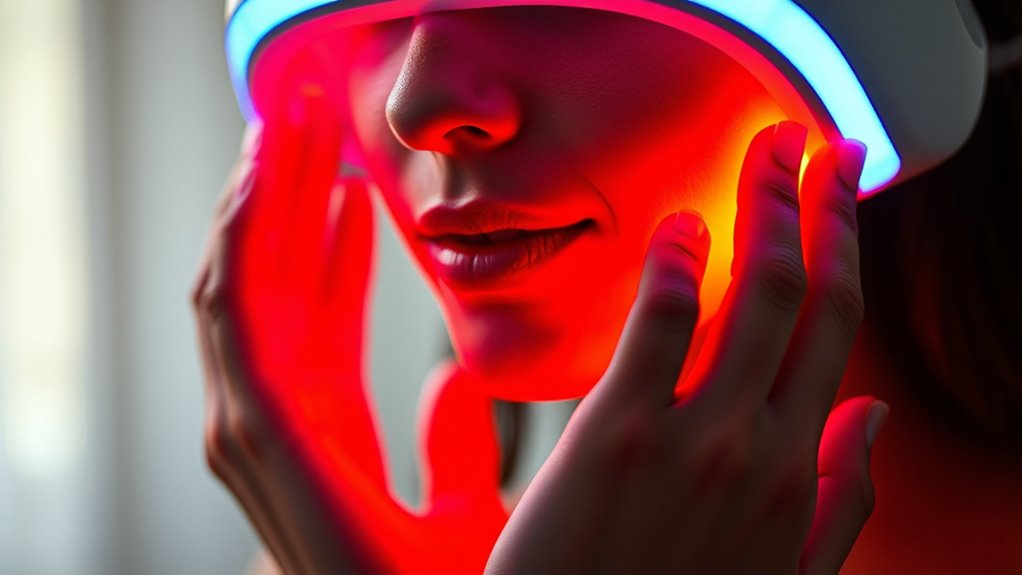
Red light boosts immunity by energizing cells and enhancing biological responses.
In addition, red light therapy can influence your circadian rhythms, the natural biological clock that regulates sleep, hormone release, and immune function. Proper circadian alignment is crucial for maintaining a strong immune system, and exposure to red light at specific times can help reinforce these rhythms. When your circadian cycles are synchronized, your immune defenses work at their best, as your body recognizes and responds to threats more swiftly. Conversely, disruptions in these rhythms—often caused by irregular light exposure—can impair immune responses, making you more vulnerable to infections. Red light therapy, thus, offers a way to support your body’s internal timing, promoting resilience and recovery.
Moreover, red light plays a significant role in reducing inflammation, a common culprit behind many health issues. Chronic inflammation can weaken your immune defenses and lead to tissue damage. Red light therapy helps modulate inflammatory processes by decreasing the production of pro-inflammatory cytokines and increasing anti-inflammatory mediators. This regulation helps calm inflammation, allowing your immune system to focus on fighting actual threats rather than being caught in an ongoing, unhelpful inflammatory response.
All these effects—enhancing immune response, aligning circadian rhythms, and reducing inflammation—interconnect to create a more robust immune system. When your body’s defenses are maximized, you’re less likely to suffer from frequent colds, flu, or other infections. While red light therapy isn’t a miracle cure, it’s a promising complementary approach to supporting your immune health naturally. By integrating it into your routine, you may notice improved resilience, faster recovery, and an overall sense of well-being. As research continues, the potential for light therapy to bolster your immune system becomes increasingly clear, making it a compelling option to contemplate in your health toolkit.
Frequently Asked Questions
Can Light Therapy Prevent Autoimmune Diseases?
Light therapy alone can’t prevent autoimmune diseases, but it may help with immune modulation, potentially reducing autoimmune triggers. By stimulating cellular activity, photobiomodulation could support your immune system’s balance, possibly lowering inflammation and autoimmune responses. However, it shouldn’t replace medical treatment. Always consult your healthcare provider to develop a thorough plan, as light therapy might complement other therapies rather than serve as a standalone prevention method.
How Long Does It Take to See Immune Benefits?
You might start noticing immune benefits within a few sessions, but the full immune response timeline varies depending on your individual health and treatment frequency. Typically, it takes about 2 to 4 weeks of consistent light therapy to see noticeable effects. The timing of effects depends on factors like dosage and your body’s response, but patience and regular sessions are key to optimizing immune support through photobiomodulation.
Are There Any Side Effects From Photobiomodulation?
You might experience minor side effects from photobiomodulation, such as potential skin irritation or eye safety concerns if proper precautions aren’t taken. Usually, these effects are mild and temporary. To minimize risks, guarantee the treatment is administered by a trained professional, wear protective eyewear, and follow recommended guidelines. If you notice persistent discomfort or skin issues, consult your healthcare provider promptly.
Is Light Therapy Effective for Chronic Immune Conditions?
Think of your immune system as a fortress under siege—you want strong defenses. Light therapy can be a powerful ally, especially for chronic immune conditions, by promoting healing and reducing inflammation. While therapy effectiveness varies from person to person, many find it offers noticeable relief. It’s not a magic wand, but it’s a promising tool that could help bolster your immune defenses and improve your quality of life.
Can Light Therapy Replace Traditional Immune Treatments?
You can’t rely solely on laser therapy to replace traditional immune treatments. While light therapy can enhance your immune response and support healing, it shouldn’t substitute established medical interventions. Laser therapy may complement your existing treatments by stimulating immune activity, but you should always consult your healthcare provider to develop an extensive plan. Relying only on light therapy could leave your immune system vulnerable if underlying conditions aren’t properly managed.
Conclusion
By exploring light therapy’s gentle touch, you might find a subtle way to support your immune system. While it’s not a magic wand, this soothing approach could quietly bolster your defenses over time. Keep an open mind and consider incorporating it into your wellness routine. After all, sometimes the most delicate rays can cast the brightest glow, guiding you toward a healthier, more balanced life.