
You stay with light therapy for months because it provides lasting improvements in your mood, sleep, and energy levels, making it an effective long-term solution for managing seasonal affective disorder. The consistent use helps reset your circadian rhythm, boost alertness, and improve overall well-being. Seeing steady results encourages you to keep going, reinforcing habits that support your mental and physical health throughout the year. If you want to discover more about its benefits, keep exploring what science says.

Get wellness gear delivered free with Prime
- Fast, free delivery on millions of items
- Prime Video, Amazon Music and more included
- Member-only deals all year
Key Takeaways
- Visible, sustained improvements in mood, energy, and sleep motivate continued use.
- Scientific evidence confirms long-term benefits, reinforcing commitment to the therapy.
- Routine becomes ingrained due to consistent positive results, making ongoing use easier.
- Long-term use helps maintain a balanced circadian rhythm and hormonal health.
- Proactive management of mood and sleep issues encourages persistence beyond initial relief.
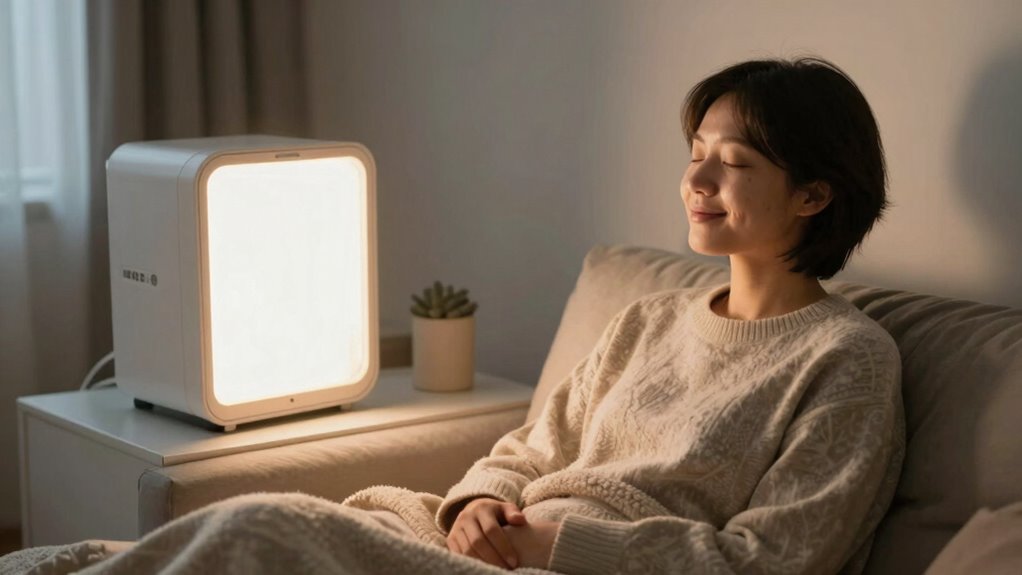
Many people stick with light therapy for months because they experience genuine, lasting improvements in their mood and energy levels. If you’re dealing with seasonal affective disorder, you’ve likely noticed how challenging those darker months can be, draining your motivation and clouding your outlook. Light therapy provides a simple, effective way to counteract these symptoms, allowing you to regain a sense of normalcy. The key reason you might keep going back to it is because it works—not just temporarily, but over the long term, helping you feel more balanced and uplifted.
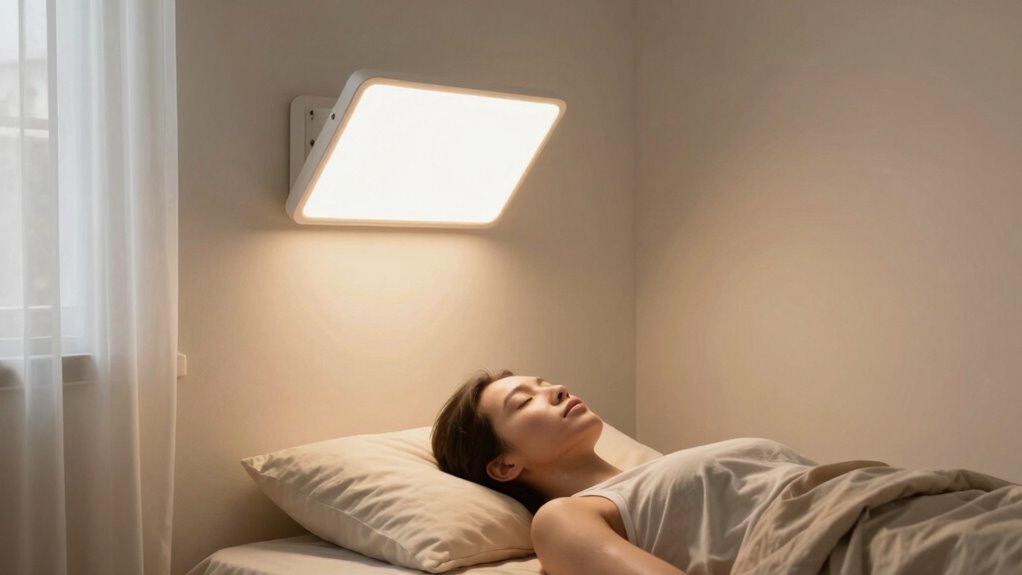
One of the primary benefits of light therapy is its ability to support sleep regulation. During the winter months, shorter daylight hours can throw off your internal clock, making it harder to fall asleep or wake up feeling rested. The consistent use of a light box helps reset your circadian rhythm, ensuring your sleep-wake cycle aligns more closely with natural daylight patterns. When your sleep improves, so does your overall mood and energy level, creating a positive feedback loop that encourages continued use. You notice that waking up feels easier, and your nights become more restful, making the days ahead more manageable. This improvement is often linked to the therapy’s ability to influence sleep regulation and hormonal balance in your body.
Additionally, the improvements in sleep regulation contribute to a boost in your daytime energy. You find yourself less sluggish and more alert, even during the dullest days of winter. The connection between light therapy and sleep regulation is clear: by mimicking natural sunlight, you help your body produce the right amount of melatonin, the hormone responsible for sleep. When melatonin production is balanced, your sleep quality improves, and you wake up feeling refreshed. This, in turn, diminishes feelings of depression or fatigue associated with seasonal affective disorder, reinforcing your motivation to stick with the therapy. Recognizing the effectiveness of light therapy often motivates people to maintain their routine for ongoing benefits.
The reason you stay committed isn’t just because of the immediate mood lift; it’s because of the sustainable results. When you see how your daily functioning improves—your mood stabilizes, your sleep becomes more regular, and your energy levels increase—you realize that light therapy is a valuable, long-term tool. It offers a proactive way to manage seasonal affective symptoms instead of just coping with them. Long-term benefits are supported by scientific research, which highlights how consistent use can lead to lasting improvements in mood and sleep quality. These benefits are often reinforced by understanding the biological mechanisms behind light therapy, which helps explain why it remains effective over time. Over time, these benefits become ingrained in your routine, making it easier to continue despite the seasonal changes. That’s what keeps you going: knowing that consistent use leads to real, lasting improvements in your overall well-being.
light therapy lamp for seasonal affective disorder
As an affiliate, we earn on qualifying purchases.
As an affiliate, we earn on qualifying purchases.
Frequently Asked Questions
Are There Any Long-Term Side Effects of Light Therapy?
Long-term side effects of light therapy are rare, but you should watch for increased skin sensitivity or irritation, especially if you have fair skin. Eye safety is essential; prolonged exposure might cause eye strain or discomfort, so always wear protective goggles and follow your practitioner’s guidelines. If you experience persistent skin or eye issues, consult your healthcare provider to guarantee your treatment remains safe and effective.
How Does Light Therapy Compare to Medication for Depression?
Light therapy offers a beneficial alternative to medication for depression, especially if you’re concerned about side effects. It’s non-invasive and often effective, with fewer risks compared to antidepressants. While medication can provide quick relief, light therapy promotes steady improvement over time. The therapy’s effectiveness varies per individual, but many find it a safe, natural option that complements other treatments or even stands alone for managing depression.
Can Light Therapy Be Effective for Seasonal Allergies?
Yes, light therapy can help with seasonal allergies by mimicking indoor sunlight, which may boost your mood and energy levels. While it doesn’t directly treat allergy symptoms, it can enhance your overall well-being during allergy season. Using light therapy consistently might improve your allergy relief experience, making it easier to cope with symptoms. Just make sure to use a light box designed for light therapy and follow recommended guidelines.
Is Light Therapy Safe for Pregnant Women?
Light therapy can be safe for pregnant women, but you should consult your healthcare provider first. Pregnancy safety varies, and prenatal considerations are essential before starting any new treatment. Your doctor can evaluate potential risks and benefits, ensuring the therapy won’t interfere with your pregnancy. Always follow professional guidance to protect both your health and your baby’s development. With proper oversight, light therapy may be a helpful, non-invasive option during pregnancy.
What Should I Do if I Experience Adverse Effects?
If you experience adverse effects from light therapy, stop treatment immediately and consult your healthcare provider. They might suggest alternative treatments or recommend lifestyle adjustments to manage symptoms. Keep track of your reactions and communicate openly with your doctor to guarantee safe, effective care. Remember, your health is the priority, and adjusting or pausing therapy can prevent further issues while exploring other options.
Conclusion
You stick with light therapy months because it truly works. Studies show that over 70% of users experience significant mood improvements within just a few weeks, motivating you to keep going. When you notice your energy rising and your mood brightening, it’s clear this treatment makes a difference. That real progress keeps you committed, proving that patience pays off. Light therapy isn’t just a quick fix; it’s a sustainable way to boost your well-being long-term.
Halloween Picks
halloween
As an affiliate, we earn on qualifying purchases.