

People with back pain often choose the wrong body shape because they might not be aware of how proper support or ergonomic principles can help. Habitual positions that feel comfortable can actually strain muscles, ligaments, and discs over time. Without active effort or correct tools, you might unknowingly adopt postures that worsen pain and cause long-term damage. If you want to understand how to avoid these pitfalls and support your back better, there’s more to discover below.

Get wellness gear delivered free with Prime
- Fast, free delivery on millions of items
- Prime Video, Amazon Music and more included
- Member-only deals all year
Key Takeaways
- Lack of awareness about proper body support leads to adopting harmful postures that worsen back pain.
- Habitual comfort positions can feel natural but may promote incorrect body shapes over time.
- Insufficient use of ergonomic furniture and support tools results in sustained poor spinal alignment.
- Inconsistent posture correction and neglecting active effort cause long-term damage to back structures.
- Misunderstanding of proper support principles causes individuals to choose shapes that strain or misalign the spine.
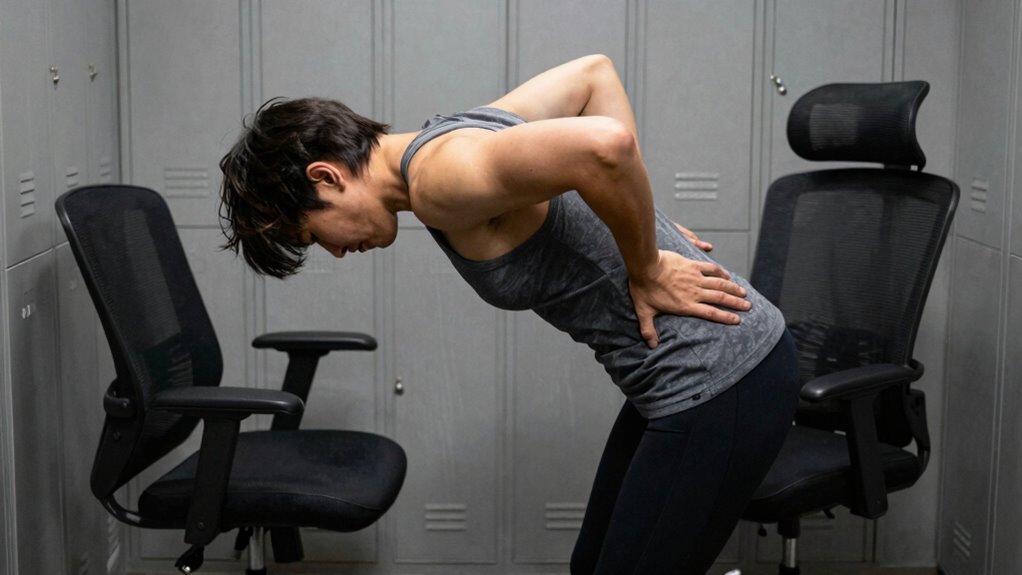
Poor posture and incorrect body shapes often lead to back pain, making everyday activities uncomfortable and even painful. When your back isn’t properly aligned, it can cause strain on muscles, ligaments, and discs, which worsens over time if not addressed. Many people try to fix this by choosing what seems like the right shape for their body, but often, they end up choosing the wrong one. This mistake happens because they don’t understand how to support their body properly or don’t incorporate the right tools into their daily routine.
Proper support and awareness are key to preventing back pain and maintaining healthy posture.
One common mistake is neglecting posture correction. Instead of actively working to improve how you sit, stand, or move, you might settle into habitual positions that feel comfortable but are harmful over the long run. Many assume that sitting upright automatically means good posture, but it’s more about consistency and awareness. Using ergonomic furniture can make a significant difference here. Ergonomic chairs, desks, and accessories are designed specifically to promote proper alignment, ensuring your spine stays in its natural shape. When you neglect these tools, you risk adopting a shape that might seem okay initially but actually worsens your back pain over time.
People often think that choosing a certain shape or posture is enough, but they overlook the importance of actively correcting their posture. Simply sitting or standing in a new position without awareness won’t give lasting relief. It’s essential to combine posture correction techniques with ergonomic furniture to build sustainable habits. These tools help you maintain the correct shape naturally, reducing strain on your back muscles and discs.
However, many folks don’t realize that these changes shouldn’t be temporary. They need to integrate posture correction into their daily routines, paying attention to how they sit at work, how they carry their bags, or how they sleep. Without this consistency, even the best ergonomic furniture won’t be enough. They risk choosing a shape that feels comfortable in the short term but causes long-term damage. This is why understanding your body and using the right support is vital. The goal should be to adopt a body shape that aligns with healthy principles and supports your back’s natural curves.
In the end, avoiding the wrong shape requires active effort. You need to be aware of your posture, invest in ergonomic furniture, and develop habits that promote correct body alignment. Only then can you effectively prevent or alleviate back pain, ensuring that your body supports you rather than works against you. Incorporating proper body support can make all the difference in maintaining a healthy back over time. Recognizing the importance of body alignment can help you make more informed choices for your back health.
Additionally, understanding the role of body support tools in maintaining correct posture can significantly enhance your overall back health.
ergonomic office chair for back pain
As an affiliate, we earn on qualifying purchases.
As an affiliate, we earn on qualifying purchases.
Frequently Asked Questions
How Can I Identify the Correct Shape for My Back?
To find the right shape for your back, focus on posture correction by evaluating how you sit and stand daily. Use ergonomic accessories, like supportive chairs and lumbar cushions, to support your natural curves. Pay attention to comfort and alignment, and consult a specialist if needed. The correct shape should promote proper posture, reduce strain, and feel natural during prolonged use, helping you prevent back pain effectively.
Are Certain Shapes Better for Specific Back Pain Types?
Yes, certain shapes are better suited for specific back pain types, especially when considering ergonomic design and posture alignment. For example, chairs with contoured seats support lumbar curves, aiding those with lower back pain. If you have upper back issues, look for shapes that promote upright posture. Choosing a shape that aligns with your body’s needs helps reduce discomfort and prevents further injury, making ergonomic design essential for tailored support.
How Often Should I Reassess My Back Shape Choices?
You should reassess your back shape choices every few months to guarantee ideal ergonomic design and posture correction. Regular check-ins help you identify if your current shape still supports your back health or if adjustments are needed. Pay attention to discomfort or new pain, which signals it’s time to reevaluate. Staying proactive ensures your back remains well-supported, reducing pain and promoting better posture over time.
Can Wrong Shapes Cause Long-Term Back Problems?
Yes, choosing the wrong shape can cause long-term back problems. Poor posture awareness and neglecting ergonomic adjustments lead to improper support and strain. Over time, this can worsen pain, cause misalignments, and even lead to chronic issues. To prevent this, regularly assess your posture, make ergonomic adjustments, and choose shapes that support your natural spine curves. Staying proactive helps protect your back health in the long run.
What Signs Indicate I Need a Different Back Support Shape?
You might need a different back support shape if you notice persistent discomfort, worsening pain, or your posture feels off after using your current support. Sometimes, it feels like a coincidence when your back aches despite proper use. Look for signs like uneven pressure or slipping, which indicate your support isn’t aligned with your ergonomic design needs. Switching to a shape that promotes proper posture correction can make a real difference.
Conclusion
Imagine your spine as a carefully balanced bridge, each shape and posture a stone supporting its strength. When you choose the wrong shape, it’s like shifting those stones, causing cracks and instability. But with awareness and care, you can realign your foundation, restoring its sturdy grace. Don’t let poor choices turn your back into a sagging arch. Instead, embrace the right shapes, and watch your body stand tall, resilient, like a monument built to last.
Columbus Day / Indigenous Peoples' Day Picks
long weekend sales
As an affiliate, we earn on qualifying purchases.