One of the most persistent myths is that blue and red light from screens cause instant, serious eye damage. In reality, your eyes are naturally protected, and typical exposure doesn’t pose significant risks. While blue light can cause temporary eye strain and affect sleep, these issues are manageable and don’t require drastic measures. Understanding how your eyes work helps ease unnecessary fears. Keep exploring to find out more about what science actually says on this common misconception.
Play games included with Prime
Start a Prime free trial and play with Amazon Luna on your devices.
As an affiliate, we earn on qualifying purchases.
Key Takeaways
- The myth that blue light instantly damages eyes is false; normal exposure generally poses no serious risk.
- Many believe screen time causes permanent eye damage, but natural defenses usually protect against typical blue and red light exposure.
- The idea that blue light severely disrupts sleep is exaggerated; moderation and good sleep habits are more effective.
- Blue light filters and glasses are often unnecessary unless experiencing persistent eye discomfort or sleep issues.
- Concerns about light causing irreversible eye harm overlook current scientific understanding of natural eye defenses and safe exposure levels.
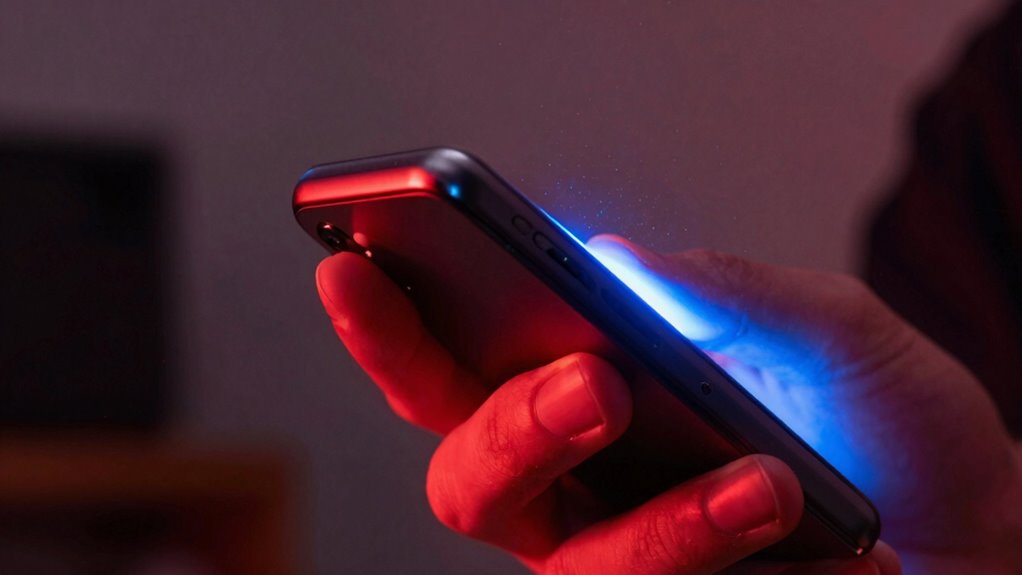
Many claims about red and blue light are misleading, often fueling unnecessary fears or misconceptions. You’ve probably heard that exposure to these lights, especially from screens, can cause serious eye damage or severely disrupt your sleep. While it’s true that excessive or prolonged exposure can have some effects, the exaggerated warnings tend to overlook the facts, leading many to believe they must avoid screens altogether or buy costly eye protection. In reality, the science shows that normal use of screens doesn’t pose a considerable threat to your eyes, nor does it inevitably ruin your sleep.
The idea that blue light from devices will instantly damage your eyes is a myth. Your eyes are equipped with natural defenses, and most people use screens for hours daily without developing eye problems. While blue light can contribute to eye strain—causing dryness, discomfort, or fatigue—these symptoms are usually temporary and manageable. Proper eye protection, like taking regular breaks using the 20-20-20 rule (looking 20 feet away for 20 seconds every 20 minutes), can substantially reduce discomfort. You don’t need special glasses with blue light filters unless you notice persistent eye strain or discomfort. Regular eye checkups and maintaining good screen habits are more effective than obsessing over blue light filters. Understanding the science behind blue light helps clarify these misconceptions and reduce unnecessary worries.
When it comes to sleep disruption, many believe that blue light exposure at night ruins your sleep cycle. It’s true that blue light can suppress melatonin, the hormone that helps you fall asleep. However, this effect isn’t an all-or-nothing, immediate disaster. If you’re concerned about sleep, you don’t have to avoid screens entirely—just consider limiting screen time in the hour before bed. Using night mode or blue light filters on your devices can also help, but they aren’t magic solutions. The real issue isn’t the blue light itself but your overall sleep hygiene. Creating a calming bedtime routine, keeping your bedroom dark, and avoiding screens close to bedtime matter more than obsessing over blue light. Additionally, understanding that most people’s eyes are naturally protected is an important fact that helps dispel unnecessary fears. By adopting these habits, you can enjoy your devices without significantly impacting your sleep quality. Being aware of natural defenses can further reassure you about your eye health and the effects of blue light. Moreover, scientific studies continue to explore how factors like light intensity and exposure duration influence these outcomes, helping to refine our understanding and recommendations.
blue light glasses for eye strain
As an affiliate, we earn on qualifying purchases.
As an affiliate, we earn on qualifying purchases.
Frequently Asked Questions
Do Red and Blue Lights Cause Permanent Eye Damage?
Red and blue lights don’t cause permanent eye damage if you practice good eye safety and limit your light exposure. While high-intensity or prolonged exposure might cause temporary discomfort or digital eye strain, these lights aren’t proven to lead to lasting harm. To protect your eyes, take regular breaks, adjust screen brightness, and avoid staring directly into bright lights for extended periods. Proper eye safety habits keep your eyes healthy.
Can Red and Blue Light Therapy Treat All Skin Conditions?
While red and blue light therapy offers promising benefits, it can’t treat all skin conditions. You benefit from their gentle skin penetration, but treatment safety and effectiveness vary across issues. For example, acne and inflammation often respond well, but deeper scars or complex conditions may need additional approaches. Always consult a dermatologist to determine if this therapy suits your unique skin needs and guarantee safe, targeted results.
Are There Age Restrictions for Using Red and Blue Light Devices?
Age restrictions for using red and blue light devices depend on device safety and manufacturer guidelines. Usually, these devices are safe for adults, but children and teenagers should consult a healthcare professional before use. Devices designed for home use often have age restrictions to guarantee safety. Always follow the instructions and check for any warnings to prevent potential skin irritation or adverse effects, especially for younger users.
How Long Does It Take to See Results From Red and Blue Light Treatments?
You’ll typically notice results from red and blue light treatments within 4 to 6 weeks, with sessions usually spaced a few days apart. Light penetration deeply stimulates skin rejuvenation, promoting collagen production and reducing inflammation. About 70% of users report visible improvements in skin texture and clarity after this period. Consistency is key, so sticking with your treatment plan maximizes benefits and speeds up your journey to healthier-looking skin.
Is Red or Blue Light More Effective for Specific Health Issues?
Red light is more effective for skin issues because its longer wavelength allows better light penetration, stimulating collagen production and healing. Blue light, with a shorter wavelength, targets bacteria and reduces inflammation, making it ideal for acne and skin infections. When choosing between them, consider your specific health concern—red for skin rejuvenation and blue for bacteria-related problems—since each color wavelength penetrates differently to treat particular issues effectively.
Conclusion
So, you’ve seen the evidence, yet the myth lingers. Will you keep falling for the idea that red and blue light are harmful, or will you finally question what you’ve been told? The truth is out there, waiting to be uncovered, but the choice is yours. As the shadows of misconception fade, one thing’s certain—what you believe next could change everything. Are you ready to see beyond the illusion? The real story might just surprise you.
NFL season / tailgating Picks
team gear
As an affiliate, we earn on qualifying purchases.