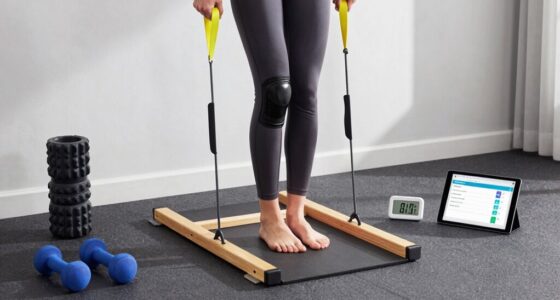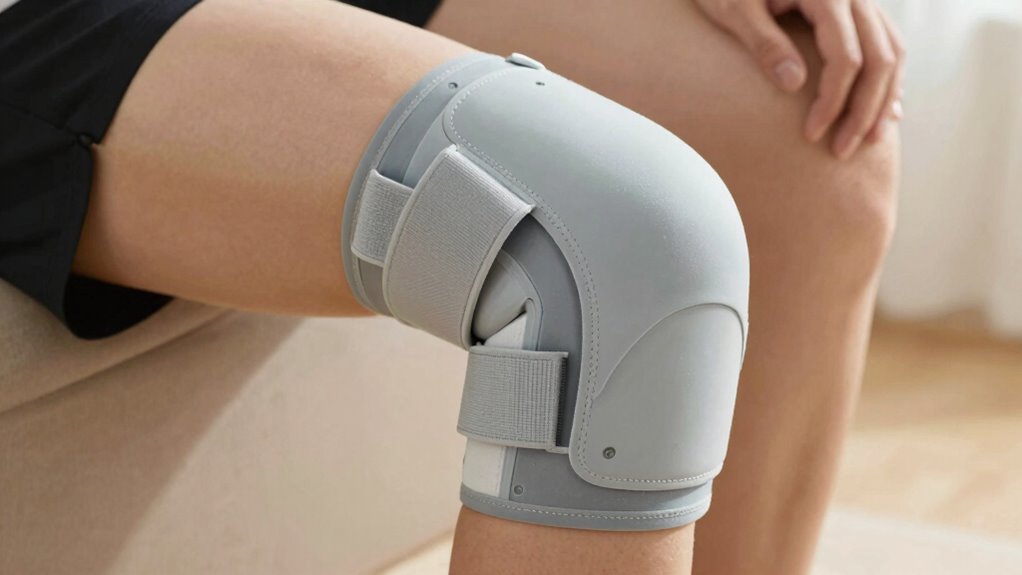

To get the best results from joint pain devices, make certain the coverage matches the affected area. Proper coverage ensures the targeted therapy directly impacts your pain zone, increasing relief and comfort. When device coverage aligns with your joint’s size and shape, treatment becomes more effective and less discomforting. Accurate assessment and placement are key. If you want to learn how to optimize your device’s performance for pain relief, keep exploring these important points.

Get wellness gear delivered free with Prime
- Fast, free delivery on millions of items
- Prime Video, Amazon Music and more included
- Member-only deals all year
Key Takeaways
- Proper coverage ensures targeted therapy directly addresses the affected joint area for effective pain relief.
- Accurate device fit and placement prevent discomfort and enhance treatment efficacy.
- Matching coverage to the joint’s size and shape improves consistency and success of therapy.
- Precise coverage helps avoid ineffective treatment and reduces the risk of pain elsewhere.
- Comprehensive assessment of joint anatomy ensures optimal device selection and coverage alignment.
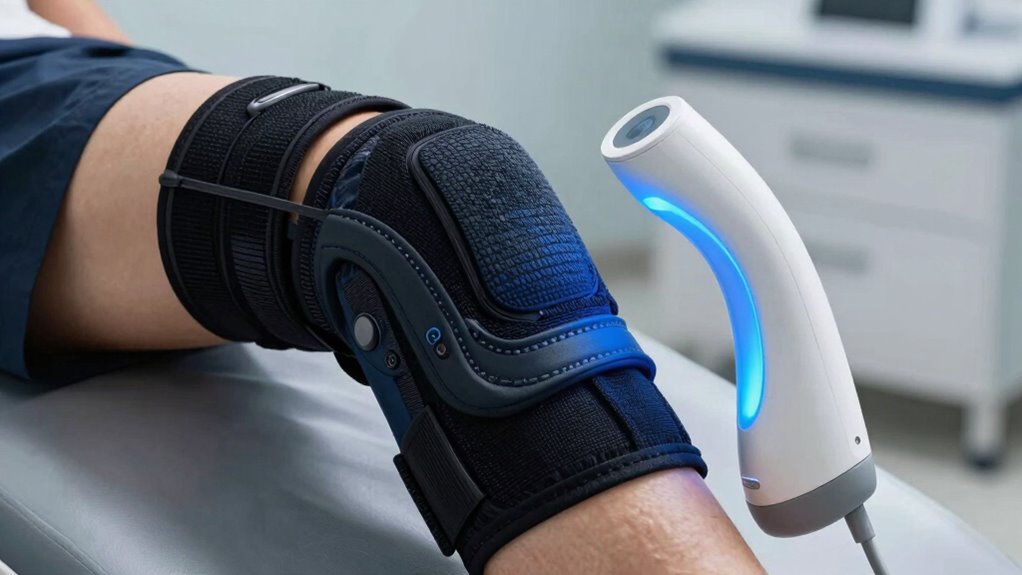
Are you tired of joint pain limiting your daily activities? If so, you’re probably exploring different ways to manage that discomfort. While medications can help, many people are turning to alternative therapies and innovative devices to find relief. The key to maximizing the effectiveness of joint pain devices lies in ensuring that coverage matches the area of pain. When a device’s coverage aligns precisely with your joint’s affected zone, you’re more likely to experience meaningful relief and avoid unnecessary discomfort or ineffective treatment.
Many modern joint pain devices are designed with targeted therapy in mind. They work best when they focus directly on the painful area, delivering therapies like electrical stimulation, heat, or cold exactly where it’s needed. If the device’s coverage is too broad or too narrow, you might not get the relief you seek, or worse, you could experience discomfort elsewhere. That’s why proper assessment of your pain’s location and extent is *vital* before choosing a device. When coverage matches your joint’s size and shape, the device can deliver consistent and focused treatment, ultimately improving your pain management strategies.
It’s also important *to take into account* how these devices fit into your overall pain management plan. Alternative therapies, such as physical therapy, acupuncture, or massage, can complement device use by addressing underlying issues and promoting healing. When combined with targeted device coverage, these therapies can create a *well-rounded* approach that tackles pain from multiple angles. For example, if you use a device that covers only part of a knee joint, supplementing it with physical therapy can help strengthen surrounding muscles and improve joint stability, leading to better long-term outcomes. Additionally, understanding the importance of targeted therapy can help you select devices that are most effective for your specific needs. It’s also beneficial to consider device fit to ensure comfort and effectiveness during use. Proper assessment of joint anatomy is crucial for customizing device coverage and ensuring optimal results. Recognizing coverage accuracy as a critical factor can significantly enhance the overall success of your pain management routine. Moreover, understanding proper device placement can prevent ineffective treatment and improve comfort during use.
As an affiliate, we earn on qualifying purchases.
Frequently Asked Questions
Can Joint Pain Devices Be Used on Multiple Body Parts Simultaneously?
Yes, joint pain devices can be used on multiple areas simultaneously if the device allows for it. You can target multiple areas for simultaneous treatment, which may be convenient if you experience pain in different joints. However, guarantee the device’s coverage matches each area properly to maximize effectiveness and safety. Always follow the manufacturer’s instructions and consult with a healthcare professional if you’re unsure about treating multiple body parts at once.
Are There Any Safety Concerns With Using Joint Pain Devices Daily?
They say, “Better safe than sorry,” and that’s true for device safety with daily usage. Using joint pain devices daily is generally safe if you follow the manufacturer’s instructions and don’t overuse them. However, overdoing it might lead to skin irritation or reduced effectiveness. Always pay attention to your body’s signals, and consult a healthcare professional if you experience discomfort or unusual symptoms, ensuring safe and effective relief.
How Do I Know if My Device Coverage Matches My Joint Pain Area?
To guarantee your device coverage matches your pain relief zones, check the device’s compatibility with your joint area. Look for adjustable settings or attachments designed for different zones. Carefully identify where you feel pain and verify that the device’s coverage aligns with those areas. Proper device compatibility ensures effective relief, so always follow the manufacturer’s instructions and adjust settings to target your specific joint pain zones accurately.
What Is the Typical Duration for Effective Joint Pain Relief?
Think of your device as a trusty ship sailing through stormy seas of pain. Typically, you’ll find relief lasts from a few hours to several days, depending on your pain management needs. To maximize device longevity and keep the storm at bay longer, follow manufacturer guidelines and use it consistently. Remember, regular use and proper coverage can extend effective relief, helping you navigate calmer waters with less discomfort.
Are Custom-Fit Devices More Effective Than Standard Ones?
Yes, custom-fit devices are generally more effective than standard ones because they conform precisely to your joint’s shape, providing targeted relief. This tailored fit enhances device effectiveness by ensuring consistent contact with the affected area, reducing discomfort more efficiently. You’ll likely notice better pain management and increased comfort with a custom-fit device, making it a worthwhile choice for addressing joint pain compared to generic options.
Conclusion
Remember, using joint pain devices effectively is like tending to a garden—you need to cover each area thoroughly to see growth. When your coverage matches the pain’s true scope, relief blooms naturally. Think of the device as a gentle gardener’s hand, nurturing each blossom. If you overlook a patch, the pain may stubbornly persist. So, align your device’s reach with your pain’s landscape, and watch your comfort flourish like a well-tended garden in full bloom.
Fall Picks
fall essentials
As an affiliate, we earn on qualifying purchases.