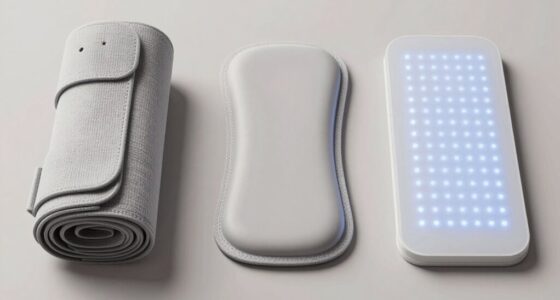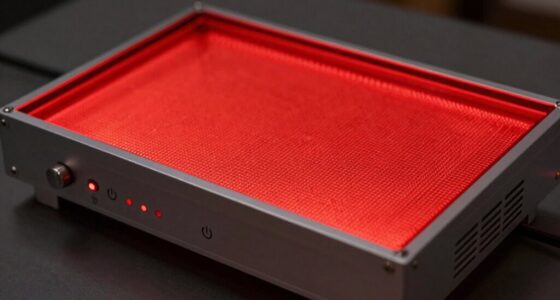

Designing shoulder devices is trickier than most buyers expect because balancing stability, mobility, and durability involves complex trade-offs. Developers must consider diverse injuries, unique anatomies, and advanced materials while maneuvering costly and time-consuming testing processes. Innovation often faces hurdles in manufacturing or safety validation, extending development timelines. If you keep exploring, you’ll discover more about why creating effective shoulder devices demands patience and careful planning beyond just technical know-how.
Prime for Young Adults — start your free trial
Fast free delivery, streaming and member deals for eligible 18–24 year olds.
As an affiliate, we earn on qualifying purchases.
Key Takeaways
- Developing effective shoulder devices involves balancing complex stability, mobility, and durability requirements, making success more challenging than buyers anticipate.
- Innovations in materials and biomechanics often face manufacturing and regulatory hurdles, delaying product availability and performance validation.
- High-quality, durable materials increase costs, limiting affordability and accessibility for patients and healthcare providers.
- Extensive testing and validation are necessary to ensure safety and efficacy, prolonging development timelines beyond initial expectations.
- Trade-offs between cost, innovation, and functionality are inevitable, requiring careful planning to meet long-term performance and comfort goals.
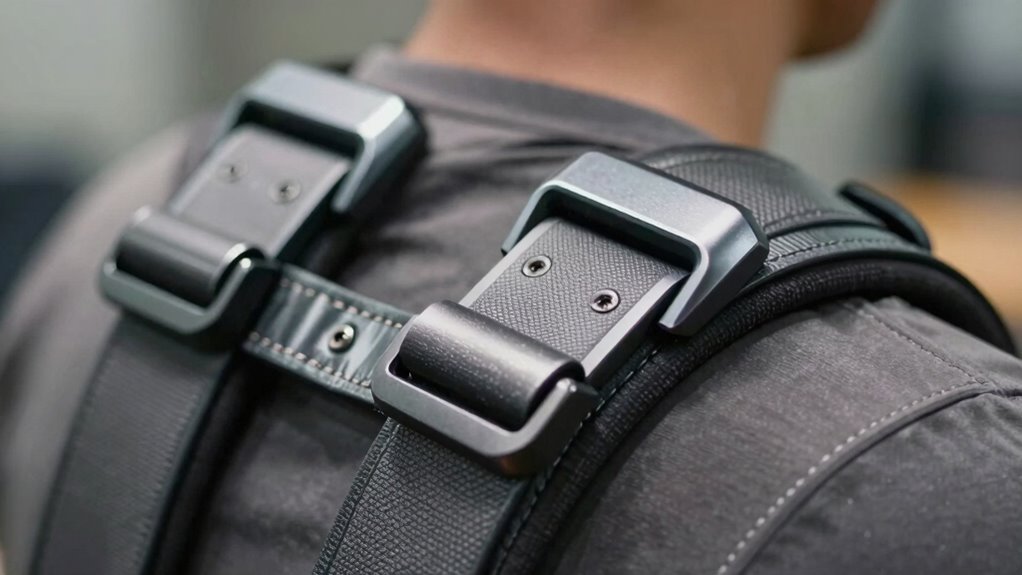
When it comes to shoulder devices, getting the fit and function right can make all the difference in recovery and comfort. You might assume that choosing a device is straightforward, but in reality, it involves navigating a complex landscape of innovation challenges and cost considerations. Developing a shoulder device that balances stability, mobility, and durability isn’t just about engineering; it’s about understanding patient needs and the limitations of current technology. Manufacturers face significant hurdles in creating solutions that are both reliable and adaptable, especially when considering the wide range of shoulder injuries and patient anatomies. This complexity often means that what seems like a simple device becomes a sophisticated product that must undergo rigorous testing and refinement.
Designing effective shoulder devices requires balancing innovation, patient needs, and cost for optimal recovery and comfort.
Innovation challenges play a huge role in the difficulty of getting shoulder devices right. New materials, biomechanics, and design concepts are constantly emerging, but translating these advancements into practical, effective products isn’t easy. Engineers and clinicians work together to develop prototypes, but many innovations hit roadblocks in manufacturing or fail to deliver the expected benefits once tested in real-world conditions. You might assume that simply integrating the latest technology guarantees success, but the reality is that many innovations require extensive validation, which takes time and resources. This process can delay the rollout of better solutions and increase the risk of producing devices that don’t meet safety or performance standards. Additionally, the regulatory approval process adds another layer of complexity and time, further complicating development timelines.
Cost considerations also heavily influence the development and selection of shoulder devices. High-quality materials and advanced manufacturing techniques often come with hefty price tags. As a result, companies must balance the desire for cutting-edge features with affordability, especially when insurance reimbursement and patient out-of-pocket costs are factored in. You may find that a highly innovative device isn’t accessible to many patients because of cost barriers. Conversely, opting for cheaper materials or simplified designs might compromise durability or comfort, leading to dissatisfaction and potential complications down the line. Striking this balance requires careful planning, testing, and sometimes compromise, which can lengthen the development process and impact overall availability.
Ultimately, getting shoulder devices right isn’t just about technical perfection; it’s about navigating innovation challenges and cost considerations carefully. You might expect that choosing a device is as simple as picking the newest or most expensive option, but the truth is that effective solutions require a nuanced approach. The process demands patience, innovation, and a clear understanding of the trade-offs involved. Only then can you ensure that the device not only fits well and functions properly but also delivers real value in recovery, comfort, and long-term performance.
As an affiliate, we earn on qualifying purchases.
Frequently Asked Questions
How Long Does It Typically Take to Properly Fit Shoulder Devices?
It typically takes several hours to properly fit shoulder devices, depending on the level of device customization needed. You’ll want to focus on achieving ideal fitting accuracy, which may involve multiple adjustments. The process often includes measuring, trial fittings, and fine-tuning to guarantee comfort and functionality. While it can seem time-consuming, investing this effort ensures the device works well and provides the support or mobility you need.
Are There Common Mistakes to Avoid During Installation?
Yes, you should avoid common mistakes like ignoring comfort considerations and rushing material selection. Guarantee the device fits well and doesn’t cause pressure points or discomfort, which can hinder compliance. Carefully select materials that are breathable, lightweight, and suitable for long-term wear. Double-check all adjustments during installation to prevent misalignment, and communicate clearly with users to address any concerns about fit or comfort, ensuring better outcomes.
What Are the Signs of an Ill-Fitting Shoulder Device?
Did you know that up to 30% of shoulder device users experience discomfort due to improper fit? Signs of an ill-fitting shoulder device include persistent pain, restricted movement, or skin irritation. To avoid this, focus on design considerations like adjustable straps and proper padding, and choose materials that balance support with comfort. If your device causes discomfort or doesn’t feel secure, it’s a clear sign you need a better fit.
How Do Patient-Specific Factors Influence Device Fitting?
Patient-specific factors, like body size, shape, and activity level, directly influence device fitting. You need to take into account these details to improve patient comfort and guarantee device durability. When you tailor the fit to individual anatomy, the device stays secure and comfortable, reducing discomfort and the risk of breakage. Ignoring these factors can lead to ill-fitting devices, causing frustration for patients and increasing the likelihood of adjustments or replacements.
Can Shoulder Devices Be Adjusted After Initial Fitting?
Did you know that nearly 60% of shoulder device users need adjustments after the initial fitting? Yes, shoulder devices can be adjusted afterward, but device customization often presents fitting challenges. You might find that minor tweaks improve comfort and function, yet some issues require more extensive modifications. Staying in close contact with your healthcare provider guarantees your device remains properly fitted, enhancing your recovery and daily comfort.
Conclusion
Getting shoulder devices right isn’t just a challenge—it’s like trying to tame a wild beast. You might think it’s straightforward, but the reality is far more complex and demanding. With every detail, from fit to functionality, you hold the power to make or break a patient’s recovery. So, don’t underestimate this task; it’s a battlefield where precision and patience reign supreme. Master it, and you’ll be unstoppable in transforming lives—like a true hero in a story that’s still being written.
Fall yard work Picks
leaf blowers
As an affiliate, we earn on qualifying purchases.