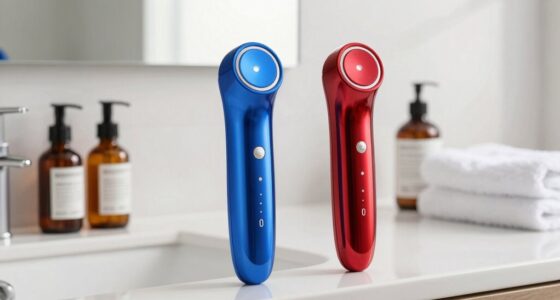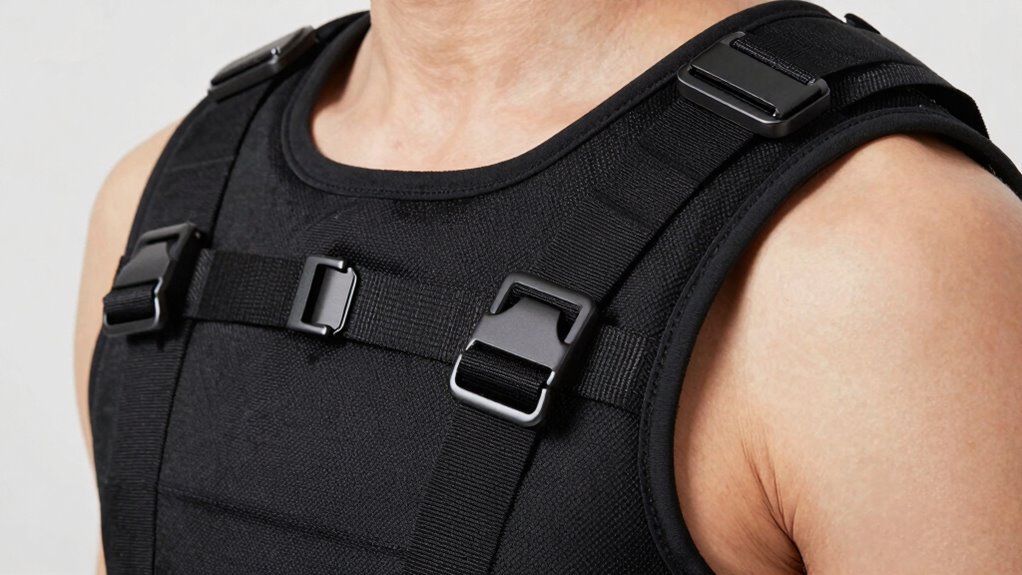

You might find shoulder devices trickier because their complex biomechanics require precise design and fit to support a wide range of motion. Small misalignments or improper adjustments can lead to discomfort, pressure points, or restricted movement, making the device feel awkward or ineffective. Poor fit and unclear instructions add to the frustration, especially during daily activities. If you want to understand how to make these devices work better for you, there’s more to discover below.

Get wellness gear delivered free with Prime
- Fast, free delivery on millions of items
- Prime Video, Amazon Music and more included
- Member-only deals all year
Key Takeaways
- The shoulder’s complex biomechanics and wide range of motion make device design and fitting challenging.
- Small misalignments or improper adjustments cause discomfort and reduce device effectiveness.
- Many devices overlook personalized ergonomics, leading to poor fit and user frustration.
- Lack of clear instructions and overwhelming options increase difficulty in proper fitting.
- Achieving the right balance between stability and mobility requires precision, making devices feel trickier to use.
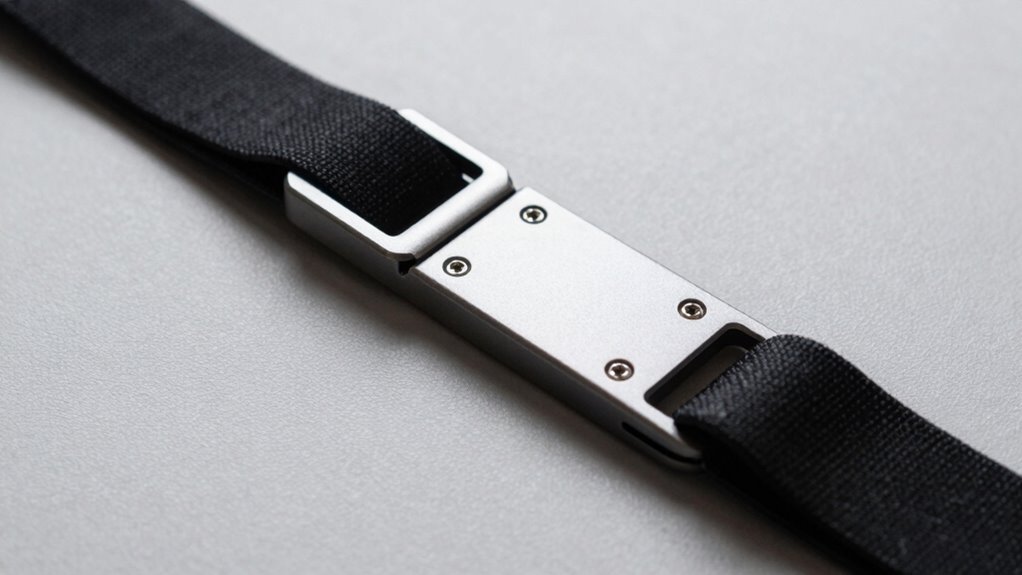
Many people find shoulder devices more complicated than they should be, often feeling overwhelmed by the array of options and unclear instructions. The truth is, these devices are designed to support complex biomechanics, but that complexity can make them seem intimidating and tricky to use. One of the main reasons is the biomechanical challenges involved in stabilizing and mobilizing the shoulder. Unlike other joints, the shoulder’s wide range of motion makes it difficult to create a device that provides both stability and mobility without causing discomfort or restricting movement. If a device isn’t properly aligned or adjusted, it can feel awkward or even painful, which discourages consistent use and hampers recovery.
Shoulder devices are complex due to the joint’s unique biomechanics and wide range of motion.
Your comfort plays a vital role in how effective a shoulder device feels. Many designs overlook user comfort, focusing solely on function rather than how the device interacts with your body during daily activities. When a device isn’t tailored to fit your unique anatomy, it can cause pressure points, chafing, or discomfort that makes wearing it feel more like a burden than a helpful tool. Even small misalignments can lead to frustration because they amplify biomechanical challenges, forcing you to constantly readjust or remove the device altogether. Achieving a balance between support and comfort requires careful consideration of padding, straps, and the overall fit, but many manufacturers overlook these details. Additionally, the biomechanics of shoulder movement play a crucial role in designing effective devices that support both stability and flexibility. Understanding these biomechanics can help manufacturers develop ergonomically designed devices that better suit individual needs. Recognizing the importance of patient-specific adjustments can significantly improve both comfort and functionality. Furthermore, considering proper fitting techniques can help minimize discomfort and optimize performance, making the process feel less daunting. Moreover, a lack of awareness about proper fitting techniques can easily lead to improper usage, making correct adjustment essential for optimal results.
As an affiliate, we earn on qualifying purchases.
Frequently Asked Questions
How Do I Know if My Shoulder Device Fits Properly?
You’ll know your shoulder device fits properly if it allows good shoulder mobility without discomfort or pinching. It shouldn’t be too tight or loose, and you should be able to move your shoulder naturally. Check if the device is customized to match your body shape, ensuring comfort and support. If you experience pain or restricted movement, it’s a sign to adjust or consult your healthcare provider for better device customization.
Are There Common Mistakes to Avoid When Using Shoulder Devices?
You might unknowingly make mistakes that hinder your recovery, like neglecting proper fit or over-relying on alternative therapy without consulting your doctor. Always guarantee your shoulder device fits snugly but comfortably, avoiding looseness or pinching. Remember, surgical options could be necessary if non-invasive methods falter. Stay vigilant, follow instructions carefully, and don’t skip professional advice—sometimes, the right approach involves knowing when to explore surgical options for the best healing.
Can Shoulder Devices Cause Long-Term Discomfort or Injury?
Yes, shoulder devices can cause long-term discomfort or injury if their ergonomic design isn’t suitable for you or if you use them improperly. Poor ergonomic design may lead to strain, while material durability issues can cause the device to break down or fit poorly over time. To avoid this, make sure your device fits well, supports your shoulder properly, and is made from durable materials, reducing the risk of long-term issues.
How Often Should I Adjust or Replace My Shoulder Device?
You should adjust or replace your shoulder device as recommended by your healthcare provider, typically during scheduled follow-ups. Regular device maintenance and patient compliance are essential to guarantee proper fit and function, reducing discomfort or injury risks. If you notice looseness, pain, or reduced effectiveness, don’t wait—promptly consult your provider for adjustments or replacement. Staying vigilant helps maintain comfort and supports your recovery process effectively.
What Should I Do if My Shoulder Device Feels Too Tight?
If your shoulder device feels too tight, it’s likely due to comfort adjustments needed. First, loosen or reposition the straps to reduce pressure. Check for skin irritation, which can signal the device is too tight or rubbing. Making small, gradual comfort adjustments can help prevent discomfort and skin issues. If it still feels tight, consult your healthcare provider for proper fitting or further guidance to guarantee ideal support and comfort.
Conclusion
So, next time your shoulder device feels more like a villain than a helper, remember it’s not just you—these things can be a total maze. With patience and some troubleshooting, you’ll tame it like a pro. Don’t let these tricky gadgets turn your recovery into a nightmare; instead, see them as puzzles waiting for your genius to solve. Trust me, mastering your shoulder device is the secret weapon to bouncing back faster than you ever thought possible!
Halloween Picks
halloween
As an affiliate, we earn on qualifying purchases.