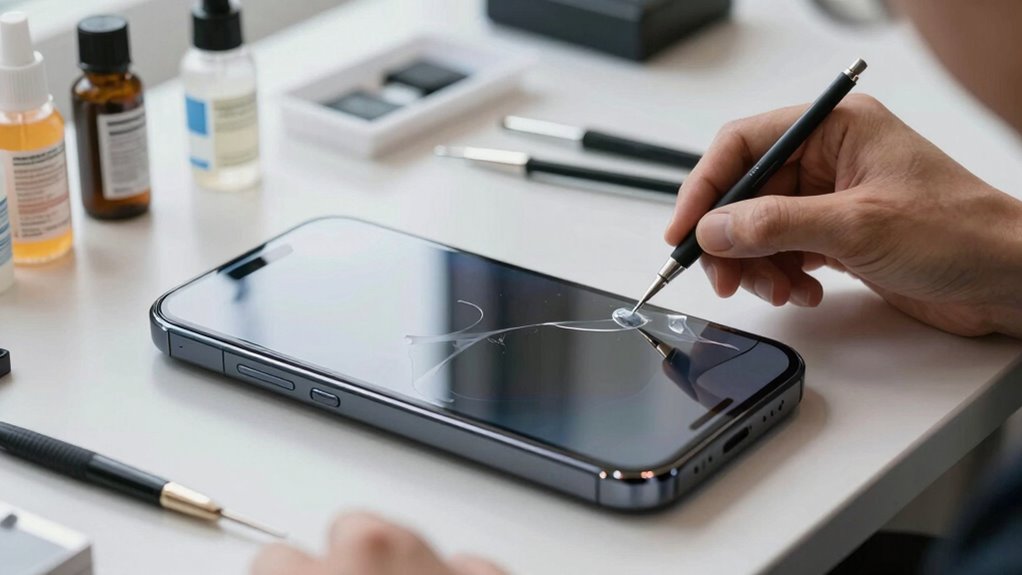
Barrier Repair 2.0 is a routine that helps keep your devices working better by focusing on targeted maintenance, cleaning, and protecting components from environmental stressors. It involves regular checks, updates, and proper handling to extend device lifespan and prevent breakdowns. By following these steps, you can optimize performance and reduce repair costs. Keep going to discover more tips that can boost your device’s reliability and longevity even further.
Key Takeaways
- Barrier Repair 2.0 restores and maintains device protection by customizing repairs based on specific needs, ensuring optimal performance and durability.
- It emphasizes routine maintenance, including cleaning, firmware updates, and hardware checks, to prevent malfunctions and extend device lifespan.
- Implementing targeted solutions and user feedback allows for precise adjustments, reducing downtime and costly repairs.
- Regular device inspections and proper calibration help detect issues early, maintaining efficiency and preventing hardware damage.
- Consistent adherence to the barrier repair routine enhances device reliability, minimizes environmental stressors, and prolongs operational longevity.
What Is Barrier Repair 2.0 and Why Does It Matter?
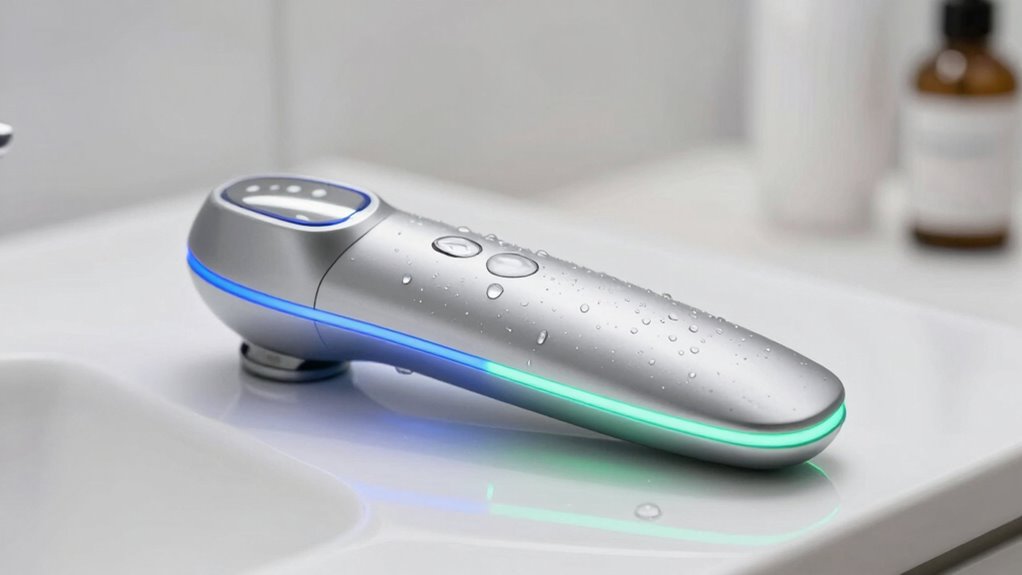
Barrier Repair 2.0 is a modern approach to restoring and maintaining your skin’s natural protective barrier. It’s essential because a strong barrier helps your devices perform at their best and last longer. This method emphasizes repair customization, allowing you to tailor treatments based on your skin’s specific needs. By focusing on personalized repair, you ensure your devices operate efficiently, reducing the risk of damage and extending their longevity. This targeted approach also minimizes downtime and costly repairs, keeping your devices running smoothly. With Barrier Repair 2.0, you take control of your device’s health, ensuring it’s protected against environmental stressors and wear. Implementing regular maintenance can further enhance device performance and durability, leading to better results over time. Additionally, understanding environmental stressors and their impact can help you better tailor your repair strategies. Recognizing the importance of skin barrier health allows for more effective device care and longevity. Regularly assessing your device’s protective layers can help identify early signs of damage, preventing more serious issues down the line. Ultimately, investing in proper repair and maintenance translates into better performance and longer-lasting devices that serve you well over time, especially when combined with proper cleaning routines to prevent buildup and corrosion.
How to Identify Common Device Problems That Signal the Need for Repair
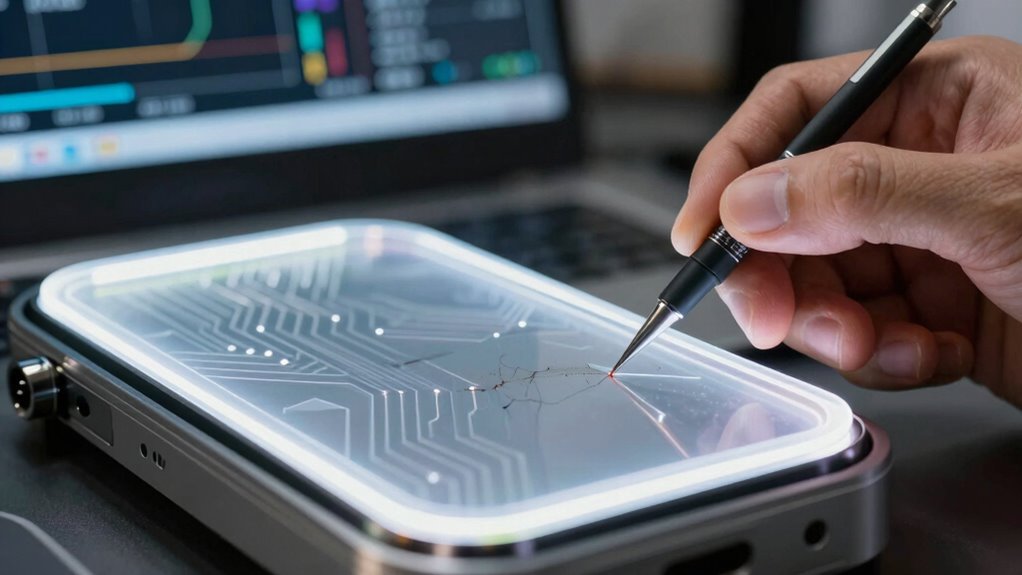
Recognizing when your device is experiencing issues is key to maintaining its performance and preventing further damage. Hardware issues often manifest as strange noises, slow responses, or components that won’t turn on. If your device heats up excessively or parts feel unusually hot, it’s a sign of potential hardware failure. Software glitches typically show up as crashes, freezes, or error messages that disrupt normal operation. You might notice apps suddenly closing or settings changing without your input. Also, inconsistent performance or files that won’t open can indicate underlying problems. Being aware of device malfunction signs can help you catch problems early, whether they stem from hardware issues or software glitches, and take appropriate repair steps before the damage worsens. Additionally, understanding common causes of hardware failure, such as thermal overload or component wear, can help you prevent future issues and prolong your device’s lifespan. Regular maintenance and monitoring are essential for early detection of hardware problems, ensuring your device remains reliable over time. Implementing proactive device troubleshooting can further assist in identifying issues before they escalate, such as observing warning indicators, which can provide clues about upcoming failures.
The Main Ideas That Make Barrier Repair 2.0 Work
Three key ideas drive the success of Barrier Repair 2.0: a focus on targeted solutions, a user-centered approach, and continuous innovation. You tailor device firmware updates based on specific issues, guaranteeing fixes address real problems rather than generic ones. Listening to user feedback helps identify pain points and guides improvements that truly matter. This cycle of feedback and refinement keeps the repair process effective and relevant. Instead of broad, one-size-fits-all fixes, you implement precise adjustments that enhance device performance. By prioritizing user needs and staying adaptable, Barrier Repair 2.0 evolves with technology and user demands. Incorporating specialized performance parts and adaptable strategies ensures your devices operate better, longer, and more reliably, creating a seamless experience for you.
Step-by-Step Guide to Implementing Barrier Repair 2.0

To successfully implement Barrier Repair 2.0, you need to start with preparing your skin properly. Establishing a consistent routine guarantees your skin can heal and maintain its barrier. Focus on these foundational steps, and you’ll set yourself up for lasting results. Additionally, using gentle, cleaning techniques helps prevent further damage to your skin’s protective layer. Understanding the symbolism of circles can also remind you of the importance of wholeness and balance in your skincare ritual.
Preparing Your Skin
Are you ready to set the foundation for healthier skin? Proper preparation guarantees your barrier repair routine works effectively. First, cleanse your skin gently to remove dirt and excess oil without stripping natural oils, which helps maintain your skin’s pH balance. Second, hydrate your skin with a lightweight, alcohol-free toner or hydrating essence to boost skin hydration. Third, assess your skin’s pH by using pH-balanced products to keep your skin’s natural acidity intact, supporting barrier functions. Additionally, choosing safe heating appliances and ensuring proper use can prevent damage and promote better results. Maintaining skin pH balance is crucial for optimal barrier function and overall skin health. Understanding how skin pH influences barrier repair can help you select the right products for your routine. Using proper skincare tools can enhance the effectiveness of your skincare routine and prevent potential irritation. Incorporating gentle cleansing techniques can further protect your skin’s delicate barrier. By focusing on these steps, you create an ideal environment for your skin to absorb treatments and repair itself. Preparing your skin with gentle cleansing, proper hydration, and pH balance sets the stage for a successful barrier repair routine, ensuring devices and products perform better.
Establishing a Routine
Starting your barrier repair routine with a clear, step-by-step plan makes certain of consistent and effective results. Routine consistency is key to maximizing device longevity and achieving healthier skin. To stay on track, create a simple schedule and set reminders. Use the table below to visualize your progress and stay motivated:
| Step | Action | Result |
|---|---|---|
| Daily cleansing | Gently cleanse without stripping oils | Prepares skin for repair |
| Moisturizing | Apply barrier-strengthening moisturizer | Locks in hydration, protects skin |
| Weekly check-in | Evaluate skin response and adjust routine | Ensures ongoing effectiveness |
| Device maintenance | Keep devices clean and updated regularly to prevent malfunctions | Maintains optimal device performance |
| Regular inspection | Conduct routine checks on device integrity to ensure safety | Prevents potential issues and prolongs device lifespan |
| Routine consistency | Establishing a regular schedule helps maintain effectiveness and reinforces healthy habits |
Tools and Software You Need for Effective Device Repair
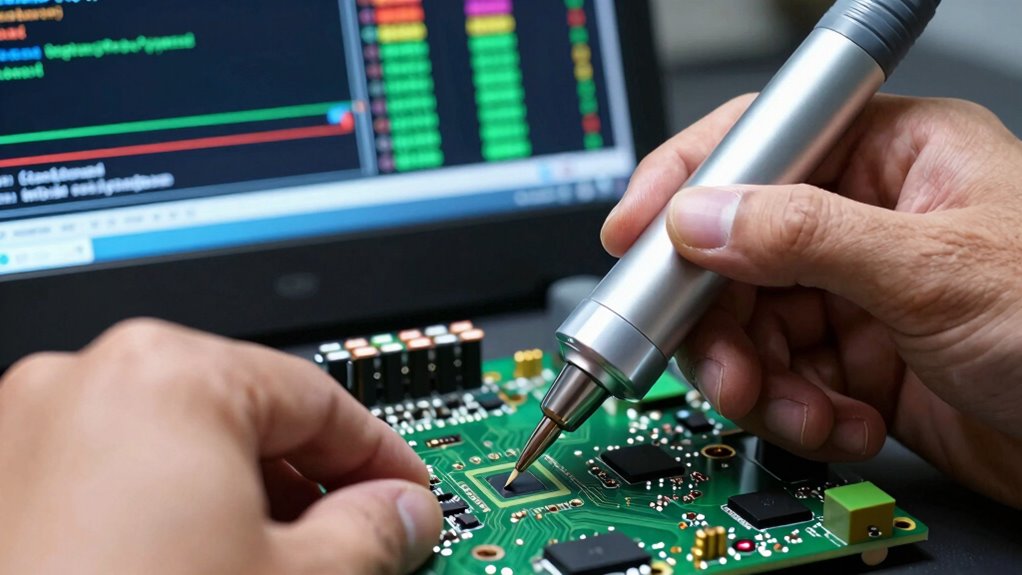
To repair devices effectively, you need the right tools and software solutions. Essential repair tools help you perform precise adjustments, while diagnostic software quickly identifies issues. Having both guarantees you can troubleshoot and fix problems efficiently.
Essential Repair Tools
Having the right tools and software is crucial for effective device repair, as they guarantee precision, efficiency, and safety throughout the process. First, invest in a quality set of precision screwdrivers to handle various device models without damaging components. Second, use anti-static wrist straps and mats to prevent static discharge, protecting delicate circuits. Third, select repair scheduling software that helps you organize tasks based on device compatibility and priority, streamlining your workflow. These tools ensure you can work confidently across different device types and efficiently plan repairs. Proper tools minimize errors, reduce repair time, and enhance safety, making your repair process smoother and more professional. Additionally, understanding the importance of personality assessments can help in building better team collaborations and improving communication during repair projects. Investing in professional development also ensures that technicians stay updated with the latest repair techniques and best practices, further improving overall repair quality. Recognizing common cable failures can help technicians troubleshoot issues more quickly and prevent recurring problems. Staying informed about technological advancements can further enhance repair strategies and adapt to evolving device designs.
Diagnostic Software Solutions
Effective device repair relies heavily on diagnostic software solutions that quickly identify underlying issues. These tools streamline troubleshooting and guarantee accurate repairs. Software diagnostics analyze system errors, detect hardware faults, and help you pinpoint problems faster. Firmware updates are vital to keep devices running smoothly and prevent future issues. Using reliable diagnostic software saves time and reduces guesswork.
| Tool Type | Key Benefit |
|---|---|
| Diagnostic Software | Precise error detection |
| Firmware Update Tools | Keeps devices optimized and secure |
| System Monitoring | Continuous health checks |
Troubleshooting Tips When Your Device Isn’t Responding
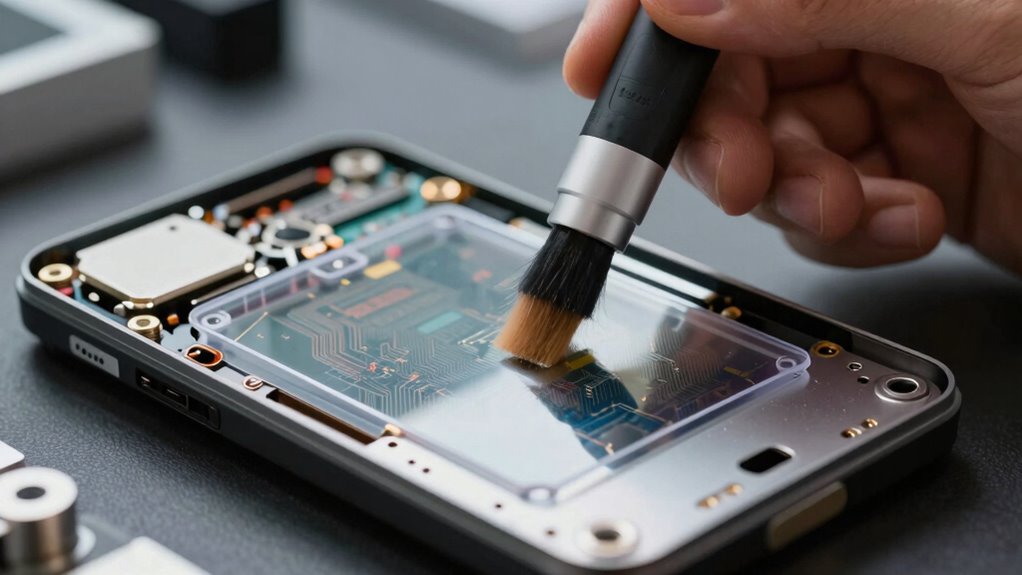
When your device isn’t responding, the first step is to check if it’s powered on and properly connected. If it still doesn’t respond, try these troubleshooting tips:
- Ensure firmware updates are current; outdated software can cause responsiveness issues.
- Perform a battery calibration to reset power levels and improve device responsiveness.
- Restart your device and reconnect it to see if the issue persists.
If problems continue, double-check connections and consider resetting the device settings. Keeping firmware updated ensures compatibility and fixes bugs that may hinder responsiveness. Battery calibration helps your device accurately gauge power levels, preventing it from shutting down unexpectedly or becoming unresponsive. These steps often resolve common issues without needing professional repair, making your device work smoother and more efficiently.
How Barrier Repair 2.0 Can Extend Your Device’s Lifespan
Addressing responsiveness issues through firmware updates and calibration not only restores your device’s current performance but also plays a key role in extending its overall lifespan. Regular firmware updates fix bugs and improve efficiency, preventing premature wear. Battery calibration ensures your device’s battery reports accurate charge levels, reducing overcharging and overheating risks. This routine helps prevent unnecessary strain on components, prolonging their functionality. Here’s how these practices benefit you:
| Benefit | Impact |
|---|---|
| Firmware updates | Keeps software optimized and secure |
| Battery calibration | Extends battery health and lifespan |
| Reduced hardware stress | Minimizes wear and tear |
Barrier Repair 2.0 vs. Traditional Maintenance: Which Is Better?
While traditional maintenance methods focus on manual cleaning and hardware replacements, Barrier Repair 2.0 offers a more proactive and integrated approach. It enhances device compatibility by addressing issues before they escalate, reducing unexpected breakdowns. Compared to traditional methods, Barrier Repair 2.0 usually results in:
- Lower repair frequency, since problems are caught early
- Fewer hardware replacements, saving costs and time
- Improved device performance and longevity through continuous monitoring
This approach minimizes disruption and keeps your devices running smoothly. Traditional maintenance often reacts to failures, while Barrier Repair 2.0 emphasizes prevention. If you want better device reliability and less downtime, this proactive method clearly outperforms conventional routines.
Tips to Keep Your Devices Running Smoothly After Repair
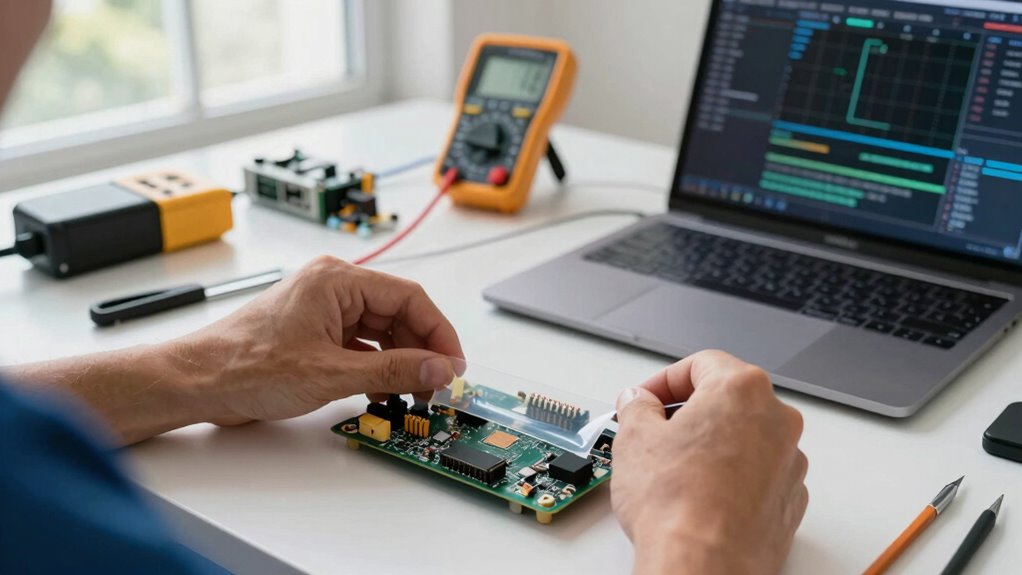
Keeping your devices running smoothly after repair requires proactive steps to maintain their performance. Start by regularly checking for software updates; these patches fix bugs, improve security, and enhance stability. Don’t delay installing updates, as outdated software can cause glitches or slowdowns. Additionally, consider hardware upgrades when necessary—adding more RAM or switching to faster storage can boost performance and extend device lifespan. Keep your device clean and free of dust, which can cause overheating and hardware issues. Avoid overloading your system with unnecessary programs that can strain resources. Regularly backing up your data ensures you won’t lose important files if something goes wrong. By staying current with software updates and making thoughtful hardware upgrades, you’ll keep your devices running efficiently long after repair.
Frequently Asked Questions
Can Barrier Repair 2.0 Be Used on All Types of Devices?
Barrier Repair 2.0 is compatible with most devices, but you should check for specific device compatibility to avoid repair limitations. It’s designed to work across many models, but some older or specialized devices might not respond well or could require different repair methods. Always review manufacturer guidelines and consult professionals if you’re unsure, so you don’t risk damaging your device or voiding warranties.
How Often Should I Perform Barrier Repair 2.0?
You should perform Barrier Repair 2.0 as part of your maintenance schedule, ideally once a week or whenever you notice device issues. Regular use helps optimize performance and prevent problems. If you encounter troubleshooting tips like device slowdowns or connectivity issues, try reapplying the routine more frequently. Consistency is key, so adjust your routine based on your device’s response, ensuring it stays in top condition.
Is Specialized Training Required to Implement Barrier Repair 2.0?
You don’t need specialized training to implement Barrier Repair 2.0; it’s designed to be accessible regardless of your skill level. With basic understanding and a willingness to learn, you can incorporate this routine seamlessly. Focus on following the steps carefully, stay consistent, and trust your ability to adapt. No matter your experience, this routine can enhance device performance, making your approach more effective and your results more consistent.
What Are the Common Signs Indicating a Need for Barrier Repair 2.0?
You might need Barrier Repair 2.0 if your device shows signs of incompatibility or frequent repair issues. Common indicators include reduced device performance, increased repair frequency, or difficulty syncing with other devices. These signs suggest your skin barrier needs strengthening, making the routine essential. Regularly monitoring your device’s performance helps you identify when barrier repair is necessary, ensuring ideal device compatibility and longevity.
How Does Barrier Repair 2.0 Impact Device Warranty?
Like a knight’s armor in a medieval tale, Barrier Repair 2.0 shields your device’s warranty coverage. If you follow the routine, it helps maintain device longevity by strengthening your device’s barrier. Neglecting this can void your warranty, leaving you vulnerable to costly repairs. So, by properly repairing your skin barrier, you guarantee your device functions at its best and your warranty remains intact, keeping your tech protected and reliable.
Conclusion
By embracing Barrier Repair 2.0, you’ll turn your devices into unstoppable machines that defy aging and malfunction. It’s like giving your tech superpowers—making it perform faster, last longer, and resist even the worst glitches. Stick with this routine, and you’ll have devices that practically run themselves, leaving outdated maintenance in the dust. Get ready to unleash a level of device durability and performance that’s almost too good to believe!