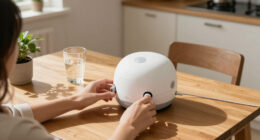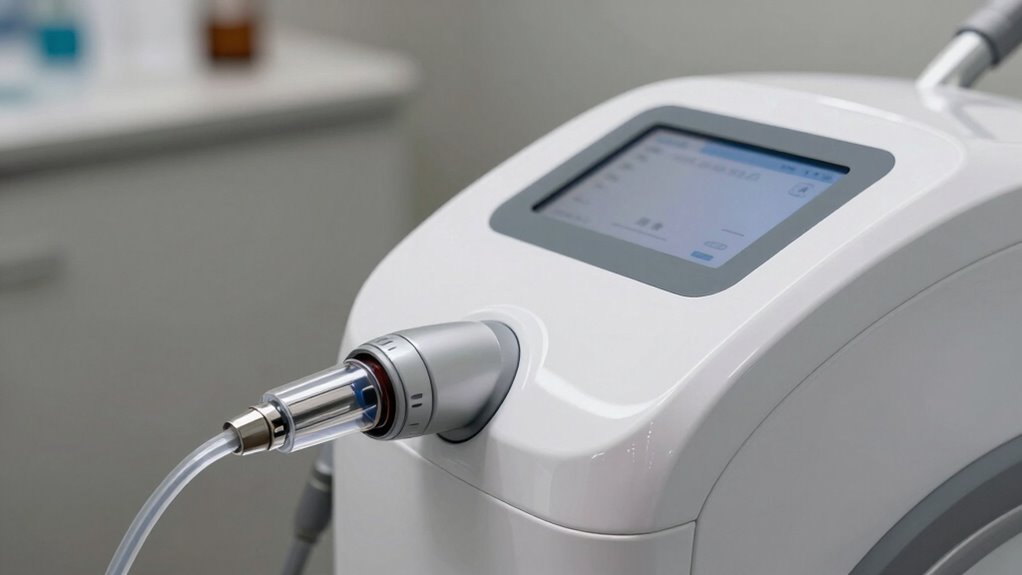

You probably know that serum infusion devices need better product pairing to guarantee safety and treatment effectiveness. Right now, many devices lack standardized compatibility, which can lead to malfunctions, incorrect dosing, and patient risks. If pairing isn’t properly managed, errors become more likely. Improving protocols and training helps prevent these issues and ensures reliable therapy. Keep exploring how establishing clear standards can make a real difference in safe infusion practices.

Get wellness gear delivered free with Prime
- Fast, free delivery on millions of items
- Prime Video, Amazon Music and more included
- Member-only deals all year
Key Takeaways
- Proper pairing ensures device safety, accuracy, and optimal treatment efficacy, reducing errors and patient harm.
- Lack of standardized compatibility protocols increases the risk of malfunctions and dosing inaccuracies.
- Inadequate user training on device-serum compatibility contributes to improper pairings and safety issues.
- Implementing clear guidelines and regular updates can minimize mismatches and improve infusion safety.
- Coordinated efforts in education and standardization are essential for reliable, safe serum infusion device usage.
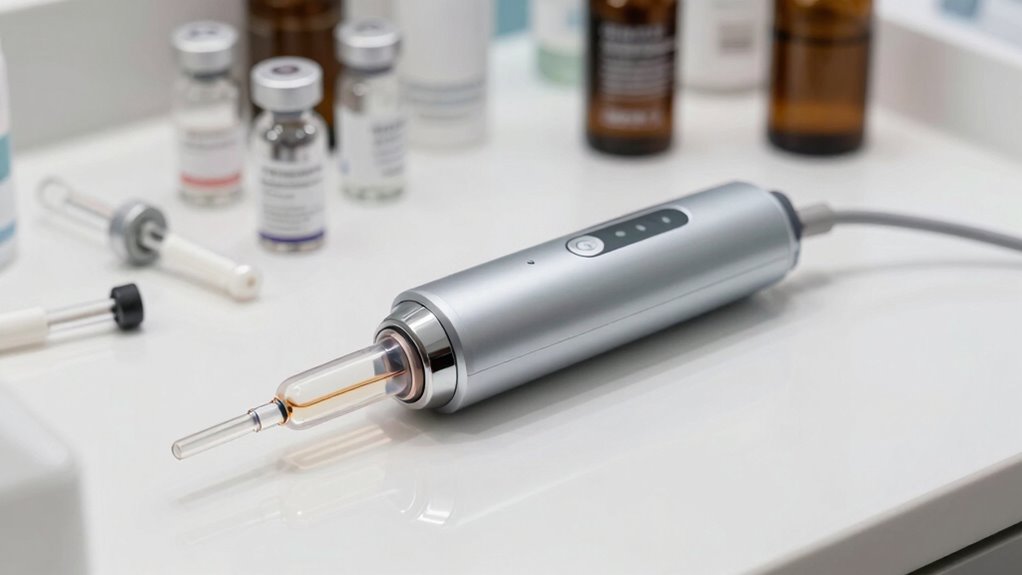
Serum infusion devices have become essential tools in modern healthcare, enabling precise delivery of treatments tailored to individual patient needs. However, despite their critical role, many of these devices lack ideal product pairing, which can compromise treatment efficacy and safety. One of the main issues lies in device compatibility. Not all infusion devices are compatible with every serum or medication, which means that selecting the right pairing requires careful consideration. When device compatibility isn’t thoroughly checked, it can lead to malfunctions, inaccurate dosing, or even patient harm. The lack of a standardized system for pairing devices with specific serums often forces healthcare providers to improvise or rely on multiple devices, increasing the risk of errors and complicating workflows. Additionally, the absence of clear, standardized guidelines for device and serum pairing can make it difficult for healthcare teams to make informed decisions quickly. Developing standardized compatibility protocols** can help reduce these challenges and improve safety. Moreover, incorporating interoperability standards** can facilitate smoother integration of different devices and serums, further minimizing risks.
Incompatible infusion devices can lead to malfunctions, dosing errors, and patient harm, emphasizing the need for standardized pairing protocols.
Another significant hurdle is user training. Even the most advanced infusion device can fall short if the staff isn’t adequately trained to use it. Many healthcare facilities lack extensive training programs that cover device-specific features, compatibility considerations, and troubleshooting techniques. When users aren’t familiar with the nuances of a device, they might incorrectly set parameters, overlook compatibility issues, or fail to recognize early signs of malfunction. This not only delays treatment but also jeopardizes patient safety. Proper training fosters confidence and competence, ensuring that healthcare professionals can quickly identify appropriate product pairings and respond effectively to any device-related issues. Effective training programs should also include updates on emerging technologies and compatibility standards to keep staff well-informed.
The combination of poor device compatibility and insufficient user training creates a fragile system prone to errors. It’s not enough to have a sophisticated infusion device; you need to ensure that it is paired correctly with the serum or medication and that staff know how to operate it safely and efficiently. Better product pairing involves developing standardized guidelines and protocols that clearly outline which devices are compatible with specific treatments. This clarity helps prevent mismatches that could lead to adverse events. Additionally, ongoing training programs should be prioritized to keep staff updated on new devices, compatibility changes, and best practices. Implementing comprehensive compatibility assessments can further minimize risks and streamline the pairing process. Ultimately, fostering a culture of continuous learning and adherence to compatibility standards can significantly enhance treatment safety.
In essence, improving product pairing for serum infusion devices isn’t just about upgrading hardware—it requires a concerted effort to understand device compatibility and invest in user training. When these elements work together, they ensure seamless, safe, and effective treatment delivery. As a healthcare provider, your focus should be on streamlining these processes, reducing avoidable errors, and ultimately enhancing patient outcomes. The right pairing of devices and serums, combined with well-trained staff, transforms infusion therapy from a risky procedure into a reliable therapeutic tool.
serum infusion device compatibility testing
As an affiliate, we earn on qualifying purchases.
As an affiliate, we earn on qualifying purchases.
Frequently Asked Questions
How Do Serum Infusion Devices Impact Patient Safety?
Serum infusion devices considerably impact patient safety by ensuring precise medication delivery and reducing errors. When device compatibility is optimized, you minimize risks like incorrect dosing or infusion-related complications. Proper pairing of infusion devices with compatible serum products helps maintain device functionality, prevents malfunctions, and enhances overall safety. As a result, you can provide more reliable care, protect your patients, and improve treatment outcomes through better device integration.
What Are the Latest Innovations in Serum Infusion Device Technology?
You’ll find that the latest innovations in serum infusion device technology focus on improving serum compatibility and infusion materials. These advancements include advanced sensors for real-time monitoring, smarter connectors that guarantee proper pairing, and improved infusion materials that reduce reactions and contamination. These innovations help enhance safety, efficiency, and patient comfort, making it easier for you to deliver precise, compatible infusions while minimizing risks associated with serum incompatibility or material reactions.
How Can Healthcare Providers Improve Product Compatibility?
Think of compatibility standards as the blueprint for a perfect symphony—every instrument must harmonize. To improve product compatibility, you should prioritize device customization to meet specific clinical needs and adhere to universal compatibility standards. This guarantees seamless integration, minimizes errors, and enhances patient safety. By aligning product features and standards, you create a cohesive system where serum infusion devices work effortlessly with other equipment, optimizing treatment efficiency.
Are There Specific Brands Known for Better Serum Device Pairing?
Yes, some brands excel in brand compatibility and device integration, making serum infusion easier. You should look into brands like BD, Baxter, and B. Braun, which are known for their reliable product pairing. These companies prioritize seamless compatibility, reducing risks and improving user experience. By choosing their devices, you guarantee better integration, fewer complications, and more efficient serum infusion processes, ultimately enhancing patient safety and satisfaction.
What Training Is Required for Optimal Serum Infusion Device Use?
You should undergo thorough training that covers device calibration and user authentication protocols to guarantee safe, effective serum infusion. This includes understanding how to properly calibrate the device for accurate delivery and verifying user authentication to prevent unauthorized use. Additionally, training should emphasize troubleshooting, maintenance, and adhering to safety standards, so you maximize the device’s capabilities while minimizing risks and ensuring ideal serum infusion results.
Conclusion
Think of serum infusion devices as a finely tuned orchestra. When each instrument—device and product—aligns perfectly, the music flows seamlessly, ensuring patient safety and comfort. But when the pairing is off, the melody falters. Just like a conductor carefully selecting each instrument, you need to choose the right device and product combo. Only then can you create harmonious, reliable care that hits all the right notes, leaving patients reassured and health professionals confident.
Halloween Picks
halloween
As an affiliate, we earn on qualifying purchases.