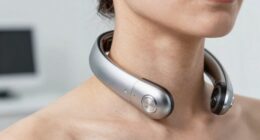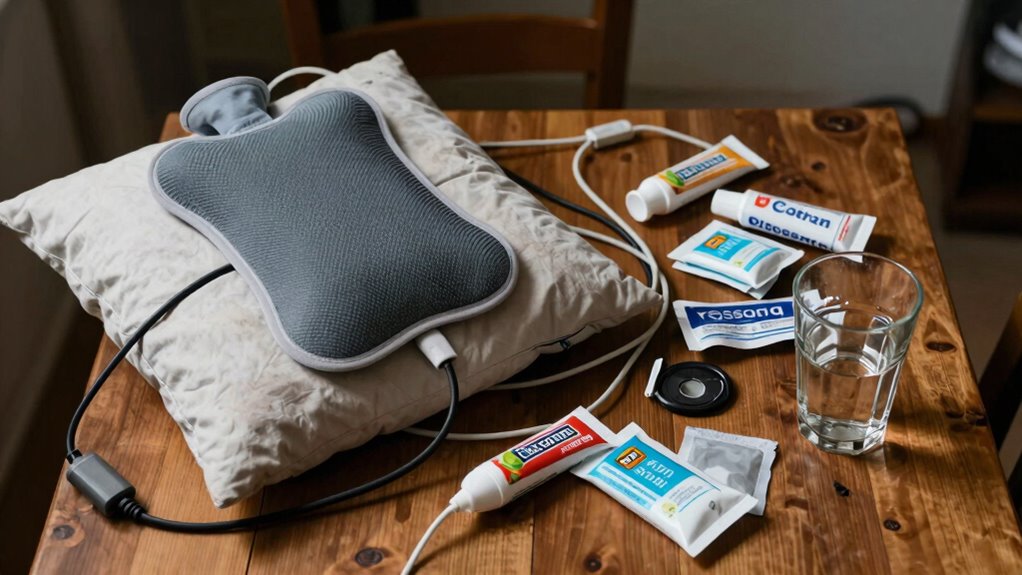

You might find that elaborate at-home pain relief setups seem great on paper, but in practice, they can be more trouble than they’re worth. Bulky devices and complex routines often lead to clutter, frustration, and inconsistent use. Setting everything up, remembering to turn devices off, and mastering techniques require time and effort. Simplifying your approach and setting realistic expectations can actually deliver better, more sustainable relief. Keep exploring—there’s more to discover about making routines truly effective.
Key Takeaways
- Fancy equipment often requires complex setup and maintenance, making it less practical for daily use.
- Achieving effective relief with elaborate setups demands time, proper technique, and patience, which can be discouraging.
- Trial and error in positioning and temperature settings can lead to frustration and inconsistent results.
- Overly complicated routines may be more effort than they’re worth, reducing motivation to maintain them.
- Simple, consistent practices tend to be more effective and sustainable than elaborate, high-maintenance setups.
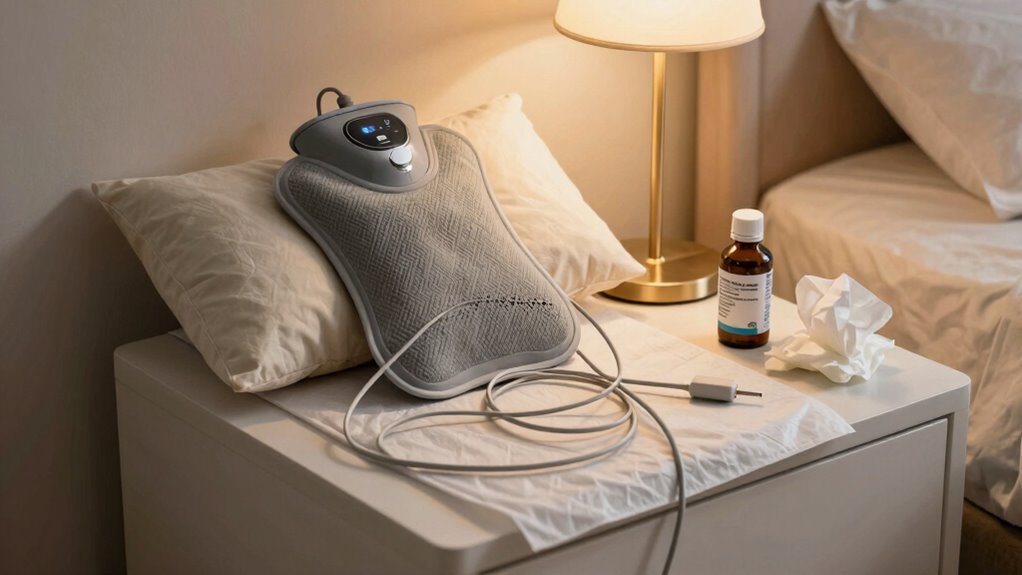
Creating an effective at-home pain relief setup can make managing discomfort more convenient and immediate. You might envision a space filled with fancy equipment, a cozy corner dedicated solely to relief, but reality often proves different. Many people underestimate how quickly a setup that looks promising on paper turns into an underwhelming experience in practice. You might invest in massage therapy tools, such as massage guns or foam rollers, thinking they’ll provide instant relief, but the truth is that using them effectively takes time and patience. Sometimes, the effort involved in setting up and operating these devices outweighs the comfort they offer. Similarly, heat therapy might seem straightforward—just grab a heating pad or hot water bottle—but in reality, finding the right temperature, duration, and placement can be more complicated than expected. Heat can be soothing, but if applied improperly, it can cause burns or discomfort instead of relief.
You could set up a dedicated space with all the necessary items, but it might end up cluttered or inconvenient to use daily. For example, a bulky heating pad may be difficult to position correctly on certain parts of your body, or you may forget to turn it off, risking overheating or wasting energy. Massage therapy, whether with a device or manual techniques, requires you to be consistent and knowledgeable about which areas to target and how much pressure to apply. Without proper guidance, you might not see the results you’re after or even worsen your discomfort. The same goes for heat therapy—you need to find the right timing and temperature, which can involve some trial and error. Additionally, understanding proper technique and safety precautions is crucial to avoid injury or ineffective treatment. Developing a routine that incorporates these therapies can also be challenging without clear goals and guidance.
In practice, the setup often demands more effort than it’s worth. You might spend more time arranging the space, figuring out how to use each piece of equipment, or waiting for the heat to reach a comfortable level. Patience and persistence are essential for these therapies to become effective, but many people find that their initial enthusiasm diminishes when results are slow to appear. It’s also important to recognize that consistent effort is necessary to see sustained improvements over time. Short-term relief might not be immediately achievable, and adjusting expectations can help maintain motivation. Over time, that can become discouraging, leading you to abandon your efforts altogether. While the idea of a perfect at-home pain relief zone sounds appealing, it’s essential to keep expectations realistic. The most effective relief often comes from integrating these therapies into a broader routine, not relying solely on a fancy setup. Simplicity, consistency, and patience tend to produce better results than elaborate arrangements that look good on paper but are cumbersome in practice. Remembering that realistic expectations are key can help prevent frustration and promote sustained effort.

Deluxe Heating Pad Moist/Dry Heat Therapy
- Heat Therapy Types: Moist and dry heat options
- Heat Settings: Four adjustable heat levels
- Auto Shut-Off: Turns off after 2 hours
As an affiliate, we earn on qualifying purchases.
As an affiliate, we earn on qualifying purchases.
Frequently Asked Questions
Are At-Home Pain Relief Methods Suitable for Chronic Conditions?
At-home pain relief methods can be suitable for managing chronic conditions, especially when you incorporate alternative therapies and lifestyle adjustments. These approaches often help reduce reliance on medications and improve your overall well-being. However, it is vital to consult your healthcare provider before starting any new routine. Combining alternative therapies like meditation or physical activity with lifestyle changes can be effective, but they should complement, not replace, medical treatment.
How Long Does It Take to See Results?
You might start noticing improvements in symptom management within a few days to a couple of weeks when using alternative therapies at home. The time varies depending on the therapy, your condition, and consistency. Keep in mind that patience is key, and regular practice enhances effectiveness. While some people experience quick relief, others need more time; tracking your progress helps determine what works best for you.
What Are the Safety Concerns With DIY Setups?
Imagine you’re trying to set up a DIY electrical heating pad, but mishandling the wiring causes a home injury or sparks an electrical hazard. Safety concerns with DIY setups include risks of electrical hazards, such as shocks or fires, and home injury from improper use or installation. Always prioritize proper insulation, follow manufacturer instructions, and consider consulting a professional to minimize these dangers. Your safety depends on careful, informed setup.
Can These Methods Replace Professional Medical Treatment?
These homemade remedies and alternative therapies can’t fully replace professional medical treatment. While they may provide temporary relief, they lack the precision and safety of a healthcare provider’s guidance. Relying solely on these methods can delay proper diagnosis and treatment, potentially worsening your condition. Always consult a medical professional before trying new remedies, and view alternative therapies as complementary, not substitutes, for expert care.
What Is the Cost Comparison With Professional Therapies?
Like comparing a homemade cake to a bakery masterpiece, at-home pain relief setups are usually cheaper but may lack the effectiveness of professional therapies. A detailed cost analysis shows therapy expenses can add up quickly, often costing more than DIY methods. While at-home options save money upfront, they might require ongoing purchases, and their long-term benefits aren’t guaranteed. So, weigh the costs carefully before choosing.
Conclusion
So, you’ve set up your at-home pain relief station, thinking it’s all you need. But will it truly ease your discomfort or just look good on paper? Sometimes, the most stylish setups don’t deliver the relief you crave. Remember, practicality often beats aesthetics when it comes to managing pain effectively. Are you willing to settle for a setup that looks perfect but fails to provide real comfort? Think twice—your well-being deserves more than just a pretty picture.