
TL;DR

Get wellness gear delivered free with Prime
- Fast, free delivery on millions of items
- Prime Video, Amazon Music and more included
- Member-only deals all year
Jim Keller’s startup announced plans to build a factory dedicated to mass-producing small chip fabrication units. This development could impact the semiconductor supply chain and manufacturing costs. Details are still emerging about the project’s scope and timeline.
Jim Keller’s startup has revealed plans to build a factory dedicated to mass-producing small-scale semiconductor fabrication units. This initiative aims to address supply chain constraints and reduce manufacturing costs for advanced chips, making it a significant development in the semiconductor industry. Keller, a prominent chip designer known for work at AMD and Apple, is now focusing on manufacturing innovation through this new venture.
According to official statements, Keller’s company is in the process of constructing a factory designed specifically for the mass production of small chip fabrication units, or ‘small fabs.’ The project is currently in the planning and early construction phases, with no confirmed dates for operational readiness. The goal is to produce smaller, more affordable fabrication units that could be used by a broader range of chipmakers, potentially disrupting traditional large-scale semiconductor manufacturing methods. Industry sources suggest that this approach could lower entry barriers for new chip design companies and diversify the supply chain, which has faced recent disruptions. Keller’s team has not publicly disclosed detailed technical specifications or the expected capacity of the factory, citing ongoing development and confidentiality agreements.Potential Impact on Semiconductor Manufacturing and Supply Chains
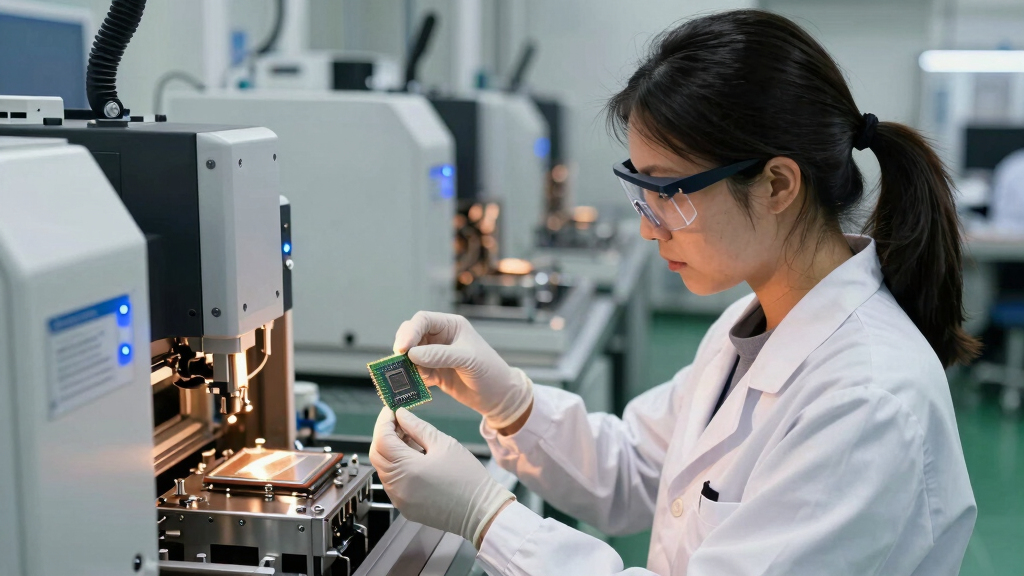
This development could significantly alter the landscape of chip manufacturing by enabling more companies to produce semiconductors locally and at lower costs. If successful, Keller’s factory could reduce reliance on large, expensive fabrication plants, helping to alleviate current supply shortages and price pressures. It may also accelerate innovation by providing more accessible manufacturing options for startups and established players alike. However, the project’s success depends on overcoming technical, logistical, and regulatory challenges, which are still unfolding.semiconductor fabrication equipment
As an affiliate, we earn on qualifying purchases.
As an affiliate, we earn on qualifying purchases.
Background on Jim Keller and Semiconductor Manufacturing Trends
Jim Keller is a renowned chip architect with a history of influential work at AMD, Apple, and Tesla, known for designing high-performance processors. His move into manufacturing innovation marks a notable shift, driven by the ongoing global chip shortage and supply chain vulnerabilities. The industry has been dominated by a few large players operating multi-billion-dollar fabs, which are costly and time-consuming to build. Recent efforts to democratize chip production include initiatives like Taiwan’s small fab startups and new manufacturing techniques, but Keller’s approach appears to focus on creating a scalable, mass-producible factory for small fabs. The announcement aligns with broader industry trends seeking more flexible, localized, and cost-effective manufacturing solutions amid geopolitical tensions and supply chain disruptions.“Our goal is to make semiconductor manufacturing more accessible and flexible, enabling a broader range of innovators to produce high-quality chips without the need for massive, expensive fabs.”
— Jim Keller
Unconfirmed Details About Factory Capacity and Timeline
It is not yet clear when the factory will be operational or what its production capacity will be. Keller’s team has not disclosed specific technical specifications or a detailed timeline, citing ongoing development and confidentiality. The project’s ultimate success and scalability remain uncertain, as technical and regulatory hurdles could influence outcomes.Next Steps in Construction and Industry Response
Keller’s startup is expected to continue development over the coming months, with potential updates on construction milestones and technical specifications. Industry analysts will be watching for further announcements regarding factory capacity, partnerships, and commercial rollout. The broader semiconductor community will assess how this approach influences supply chain resilience and manufacturing costs in the near future.Key Questions
What exactly is Keller’s startup building?
The startup is constructing a factory designed to mass-produce small semiconductor fabrication units, or ‘small fabs,’ aimed at making chip manufacturing more accessible and flexible.
When will the factory be operational?
There is no confirmed timeline yet. The project is in early planning and construction phases, with no official date for completion or production start announced.
How could this impact the global chip supply?
If successful, it could lower manufacturing costs, reduce reliance on large fabs, and help address current supply shortages by enabling more localized and diverse production options.
What challenges might Keller face with this project?
Potential hurdles include technical development, regulatory approval, scaling production, and ensuring cost-effectiveness. The project’s success is still uncertain as these factors are addressed.
Why is this significant for the industry?
This initiative could democratize chip manufacturing, foster innovation, and improve supply chain resilience, especially amid ongoing global disruptions and geopolitical tensions.
Source: hn
Halloween Picks
halloween
As an affiliate, we earn on qualifying purchases.