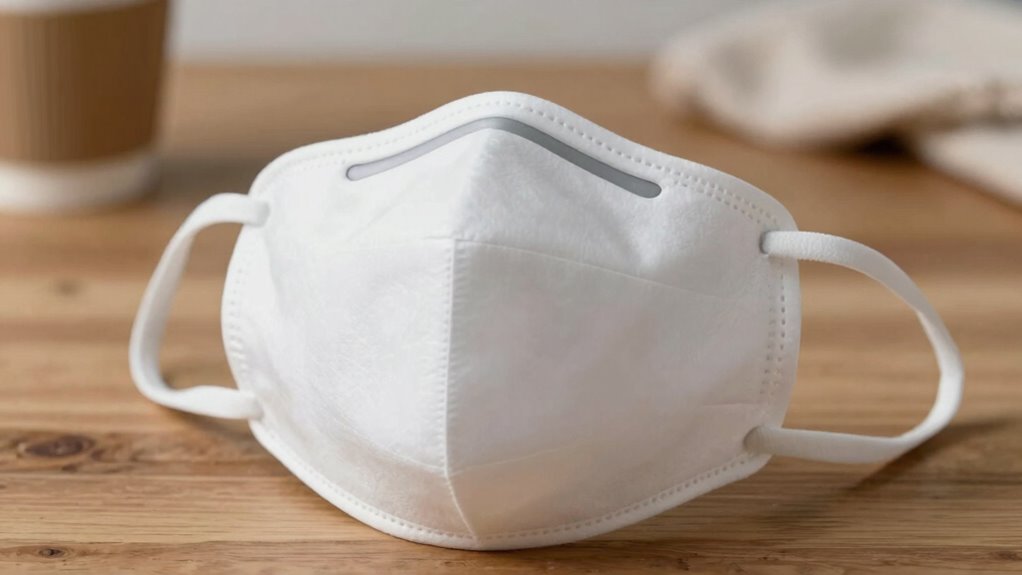
Wearing masks daily can make interactions feel cold and impersonal because they create a physical and emotional barrier. When your face is covered, conversations seem less warm, reducing genuine connection and making social exchanges feel more clinical. The loss of facial expressions can also make you appear less friendly. This sense of detachment can leave you feeling distant from others. Keep exploring to discover ways to make your mask-wearing experience more comfortable and less distancing.

Get wellness gear delivered free with Prime
- Fast, free delivery on millions of items
- Prime Video, Amazon Music and more included
- Member-only deals all year
Key Takeaways
- Masks with sterile or medical-grade designs often appear too utilitarian and lack personal or aesthetic appeal.
- The use of plain, rigid materials can give masks a clinical, impersonal feel.
- Lack of decorative elements or customization options makes masks seem sterile and uninviting.
- Tight or structured fits similar to medical equipment can evoke a clinical impression.
- The absence of expressive design features reduces the sense of warmth and friendliness in daily interactions.
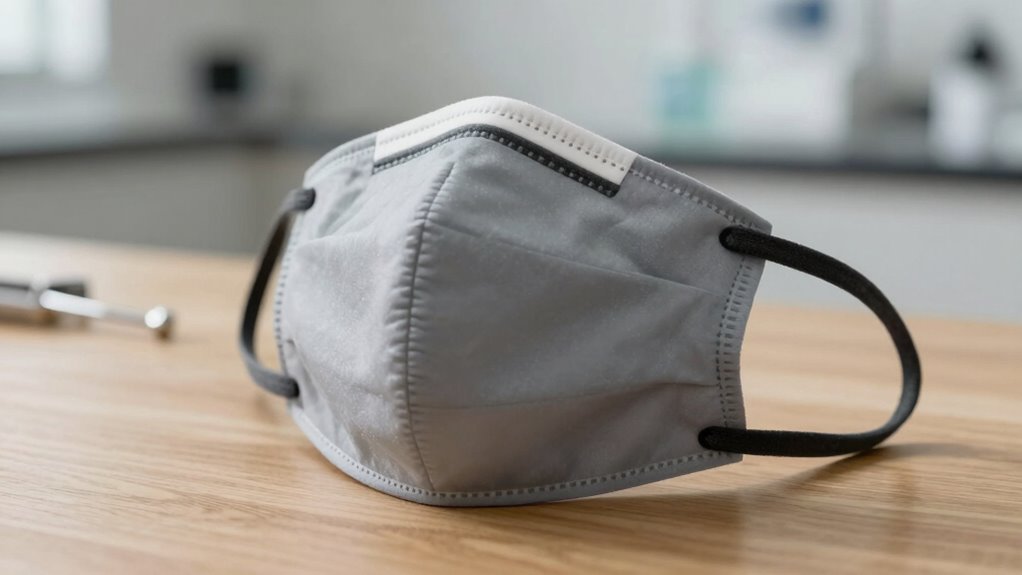
Many people find that wearing face masks makes interactions feel less personal and more clinical. It’s a common feeling that masks create a barrier, not just physically but emotionally as well. This sense of detachment can make conversations seem distant, and it may reduce the warmth that face-to-face contact usually provides. But beyond the emotional aspect, many users also experience physical discomfort, which adds to the sense that masks are more suited for clinical settings than everyday life. Skin irritation is one of the most frequent issues. When you wear a mask for extended periods, your skin can become red, itchy, or inflamed. This happens because the fabric or material traps sweat, oil, and bacteria against your skin, leading to breakouts or redness. If you have sensitive skin, this irritation can be even worse, making the mask feel more like a burden than a simple protective covering.
Wearing masks long-term can cause skin irritation, redness, and breakouts due to trapped sweat, oil, and bacteria.
Allergic reactions are another concern that makes masks seem too clinical. Certain materials used in masks, such as latex or specific dyes, can trigger allergic responses in some people. These reactions might include swelling, hives, or a burning sensation around the face. When you’re aware of these reactions, it’s natural to associate masks with discomfort and even danger, reinforcing the idea that masks are something to be endured rather than embraced for daily use. The fear of skin irritation and allergic reactions discourages many from wearing masks regularly, especially if they’ve experienced adverse effects before. Additionally, material composition can influence how likely someone is to experience these reactions, making the choice of mask important for comfort and safety.
Furthermore, the fit of a mask contributes to these discomforts. A tight or poorly fitting mask can cause chafing and pressure points, exacerbating skin irritation. If you wear glasses, you might also notice fogging or slipping, which adds to the frustration and makes the mask feel more like a hassle than a helpful tool. The repetitive friction and moisture buildup in these situations can worsen skin issues and amplify feelings that masks are uncomfortable and overly clinical. Additionally, many masks lack breathability, which can intensify discomfort during physical activity or in warm weather. Proper ventilation is crucial in reducing heat and moisture buildup, yet many masks fail to provide adequate airflow.
The materials used in masks also vary widely, and some may be more conducive to comfort and skin health than others. For instance, fabric masks made from softer, hypoallergenic textiles tend to cause fewer skin issues than synthetic or rougher materials. Choosing natural fibers can significantly reduce irritation and improve overall comfort for daily wear. All these factors combined make it easy to see why some people perceive face masks as something more suited for sterile, clinical environments rather than daily, casual settings. The physical discomforts—skin irritation and allergic reactions—are immediate and tangible, while the emotional distance can make social interactions less genuine. For many, this creates a barrier that’s not just physical but psychological, leading to the overall perception that masks are too clinical for everyday life.
Products Worth Considering

BowFlex Results Series SelectTech Adjustable Dumbbells (Pair)

BowFlex Results Series SelectTech 552 Adjustable Dumbbell

Levoit Vital 100S-P Air Purifier
As an affiliate, we earn on qualifying purchases.
Frequently Asked Questions
Are Clinical Face Masks Safe for Long-Term Daily Use?
Clinical face masks made from medical grade materials are generally safe for long-term daily use if they meet certification standards. However, prolonged wear can cause discomfort or skin irritation, especially if the mask isn’t breathable or fits poorly. Always guarantee your mask is certified by relevant health authorities. If you experience irritation or difficulty breathing, switch to masks designed for comfort and daily wear, and consult a healthcare professional if needed.
Can Clinical Masks Cause Skin Irritation With Regular Wear?
Yes, clinical masks can cause skin irritation with regular wear, especially if you have skin sensitivity or allergies. The materials or tight fit might lead to allergic reactions or discomfort over time. To minimize this, choose masks made from gentle, hypoallergenic fabrics and guarantee proper fit. Taking breaks and practicing good skin care can also help reduce irritation, making your mask-wearing experience more comfortable and safe.
Do Clinical Masks Effectively Filter Everyday Air Pollutants?
Yes, clinical masks can effectively filter everyday air pollutants if they fit well. A proper mask fit is essential because gaps reduce filtration efficiency. When you wear a clinical mask with good fit, it can block out pollutants like dust, smoke, and vehicle emissions, protecting your respiratory health. However, if the mask doesn’t fit snugly, its ability to filter air pollution diminishes, making it less effective for daily protection.
Are There Natural Alternatives to Clinical Face Masks?
Imagine wrapping yourself in a cozy, breathable blanket—natural remedies and alternative materials can offer similar comfort while protecting you. Yes, there are natural alternatives to clinical face masks, like masks made from cotton, silk, or bamboo, which filter pollutants and allow airflow. These options often feel less intimidating, blending seamlessly into your daily routine while harnessing the power of natural fabrics to keep you safe and comfortable.
How Do Clinical Masks Compare to Fashionable or Reusable Masks?
Clinical masks prioritize protection and filtration, often lacking in style versatility and fashion statements. Reusable and fashionable masks let you express your personality while maintaining safety. They come in various designs, colors, and patterns, making them more appealing for daily wear. If you want comfort without sacrificing style, opt for stylish masks that blend functionality with fashion. This way, you stay protected while showcasing your unique sense of style.
Conclusion
So, it’s funny how something as simple as a face mask can feel so clinical, yet it’s often just a coincidence of design and perception. Maybe it’s the sterile materials or the way they’re packaged that triggers that feeling, not the mask itself. Next time you wear one, remember—sometimes, it’s just a coincidence that makes something seem more medical than it really is. And who knows? Maybe that’s all it takes to change your perspective.