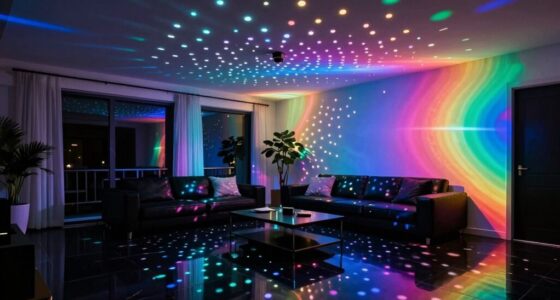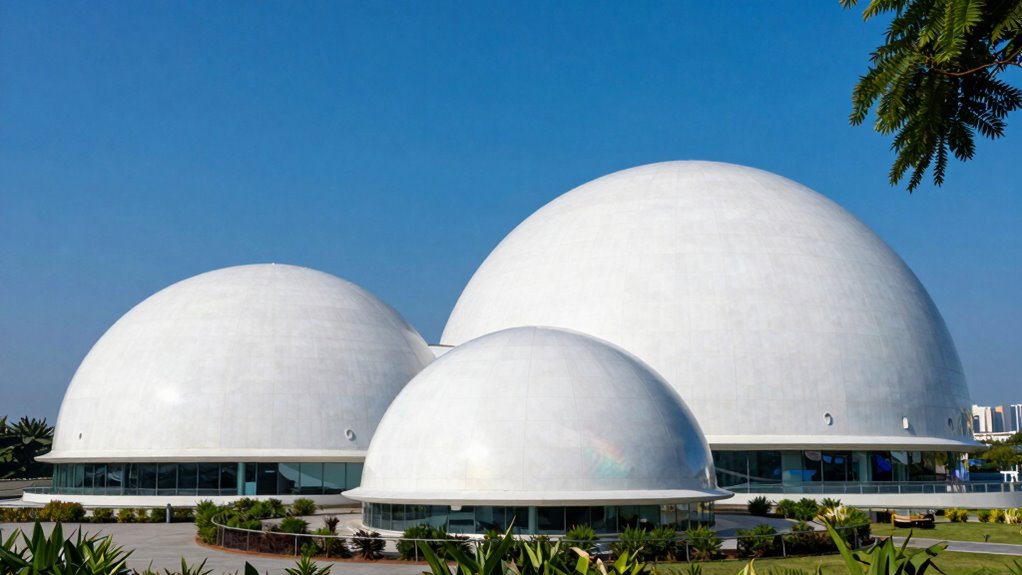

You’re drawn to domes because they challenge traditional architecture with their innovative, curved designs that create striking, spacious interiors. Their shape reduces energy loss, making them eco-friendly and cost-effective, while their structural strength offers resilience against natural disasters. Domes stand out visually and support sustainable living through eco-conscious materials and renewable energy options. If you want to discover more about why coverage lovers love domes, keep exploring what makes these structures truly unique.

Get wellness gear delivered free with Prime
- Fast, free delivery on millions of items
- Prime Video, Amazon Music and more included
- Member-only deals all year
Key Takeaways
- Domes stand out with their unique, modern aesthetic, attracting coverage lovers seeking distinctive architectural features.
- Their structural efficiency allows for larger open spaces, appealing to those interested in innovative, sustainable design.
- Domes offer resilience against natural disasters, aligning with coverage lovers prioritizing durable, long-lasting structures.
- Environmentally friendly construction and energy efficiency appeal to eco-conscious coverage enthusiasts.
- The innovative engineering behind domes showcases cutting-edge architecture, capturing immediate interest from coverage-focused audiences.
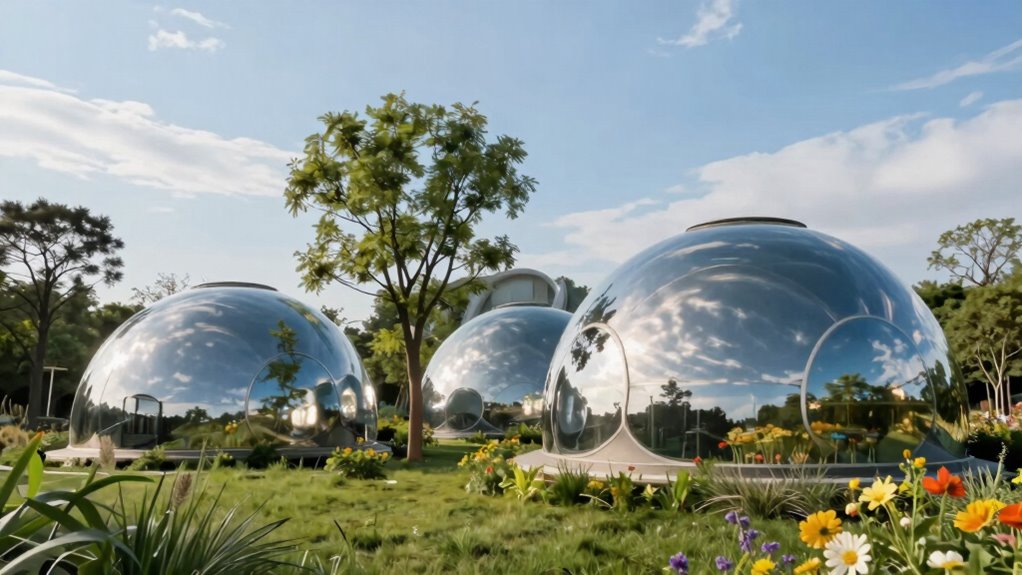
Have you ever wondered why domes continue to captivate architects and homeowners alike? It’s because they represent more than just a unique shape; they embody a blend of architectural innovation and environmental sustainability that appeals to those seeking both beauty and function. Domes challenge traditional building methods, pushing the boundaries of design and engineering. Their curved form disperses stress evenly, allowing for larger open spaces without the need for interior supports. This innovative approach not only creates a sense of spaciousness but also demonstrates how architecture can evolve by thinking outside the box. When you consider the potential for sustainable design, domes stand out even more. Their natural shape minimizes surface area relative to volume, reducing heat loss and cutting energy consumption. Such efficiency resonates with environmentally conscious homeowners who want to minimize their carbon footprint while enjoying a durable, cost-effective structure. Additionally, the unique shape of domes can contribute to thermal performance, making them even more appealing for eco-friendly living.
You immediately see the appeal when you look at a dome’s aesthetic. The smooth, rounded exterior offers a striking contrast to conventional rectangular buildings, giving your property a unique character that turns heads. But beyond looks, the construction process itself can be more environmentally friendly. Many dome designs utilize fewer materials because of their structural efficiency, and some are built with eco-friendly, recycled, or locally sourced materials. This focus on environmental sustainability makes domes a smart choice for those who want a home that aligns with eco-conscious values. Additionally, the durability of domes means they’re less prone to damage from extreme weather, reducing the need for repairs or replacements over time, which further supports sustainability goals. Incorporating passive solar design principles can enhance their energy efficiency even further. The inherent strength of domes makes them more resilient against natural disasters, providing peace of mind for homeowners in regions prone to severe weather events. As the demand for sustainable building practices grows, the innovative engineering behind domes continues to prove their value in modern architecture. Moreover, their ability to incorporate renewable energy sources enhances their overall sustainability and reduces reliance on non-renewable power.
As an affiliate, we earn on qualifying purchases.
Frequently Asked Questions
Are Domes More Energy-Efficient Than Traditional Roofs?
Yes, domes are more energy-efficient than traditional roofs because their shape promotes better insulation and air circulation. You’ll notice dome aesthetics, which provide a unique look, along with interior flexibility, allowing for open, spacious layouts. This design reduces heat loss in winter and keeps cool air inside during summer, ultimately lowering your energy bills. So, if energy efficiency matters to you, domes offer a smart, stylish solution.
How Do Domes Withstand Extreme Weather Conditions?
You’ll find that domes withstand extreme weather conditions well due to their strong, aerodynamic structure, which resists wind and snow loads effectively. Their unique dome aesthetics reduce wind pressure, and their interior flexibility allows for reinforced insulation and sturdy materials, boosting resilience. This design disperses stress evenly, making them durable against storms, earthquakes, and heavy snowfall, ensuring your home remains safe and intact even in harsh conditions.
What Is the Typical Cost Difference for Dome Construction?
You’ll find that dome construction costs typically sit at a premium, mainly due to unique dome aesthetics and the subtle construction challenges involved. While traditional buildings might be more straightforward and budget-friendly, domes often require specialized materials and expertise, adding to expenses. However, many see the investment as worthwhile for their durability and distinctive appeal, making the extra cost an elegant choice for those seeking something different and resilient.
Are Domes Suitable for All Climate Zones?
You might find domes suitable for many climate zones because their unique dome aesthetic offers excellent insulation and natural temperature regulation. Their cultural significance often symbolizes resilience and harmony with nature, making them appealing worldwide. However, in extreme climates, additional insulation or structural adjustments could be necessary. Overall, domes are versatile, blending aesthetic appeal with functional benefits, yet careful planning guarantees they withstand local weather conditions effectively.
How Long Do Dome Structures Usually Last?
Imagine the sturdy, curved walls of a dome interior standing resilient against time. Typically, dome structures last 50 to 100 years, depending on materials and maintenance. Their elegant dome aesthetics often resist weathering, especially with proper upkeep. You can expect longevity if you choose durable materials like concrete or metal. With regular inspections and repairs, your dome’s unique architecture can grace your space for decades, blending timeless style with enduring strength.
Conclusion
As you stand beneath a dome, imagine it as a shield of stars, protecting your world within. Its curves symbolize both strength and intimacy, wrapping you in a haven of coverage. Though it’s a niche design, its embrace speaks to those who crave security and innovation. Embrace the symbolism, and see how a simple dome becomes a beacon of shelter—an elegant reminder that sometimes, protection can be as beautiful as it is functional.
Cold & flu season Picks
humidifiers
As an affiliate, we earn on qualifying purchases.