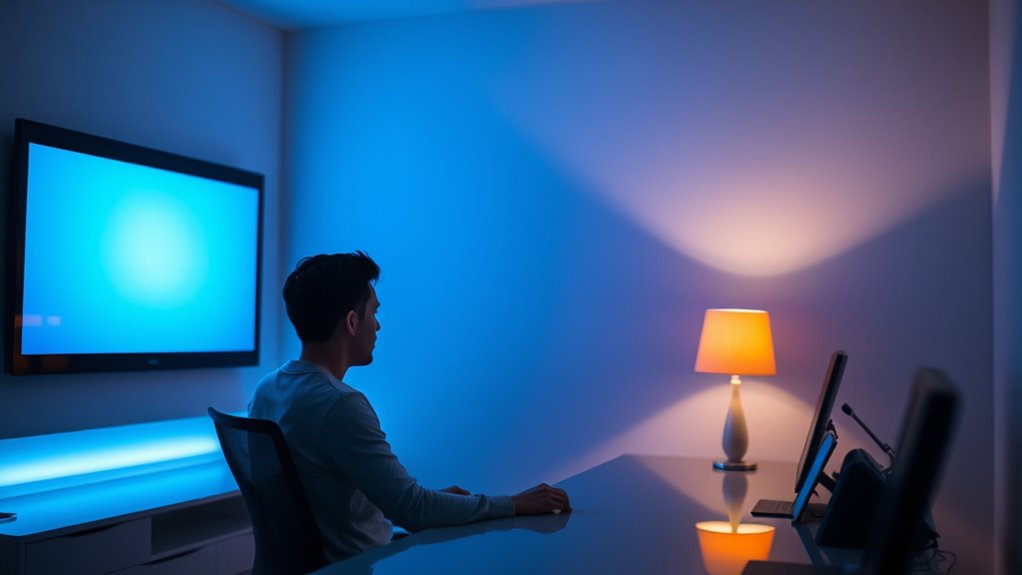

Blue light from screens emits high-energy wavelengths that can disrupt your sleep and cause eye discomfort. In contrast, light therapy devices use controlled, bright light—around 10,000 lux—to help regulate your mood and sleep cycles, especially during darker months. While blue screens are mainly for entertainment, light therapy promotes well-being through carefully calibrated exposure. Understanding these differences can help you make smarter choices; keep exploring to learn more about protecting your health.

Get wellness gear delivered free with Prime
- Fast, free delivery on millions of items
- Prime Video, Amazon Music and more included
- Member-only deals all year
Key Takeaways
- Blue screens emit high-energy blue light, which can disrupt sleep and cause eye strain, unlike light therapy devices designed for health benefits.
- Light therapy uses controlled, bright light at around 10,000 lux to improve mood and regulate circadian rhythms, whereas blue screens are for entertainment.
- Light therapy is carefully calibrated for therapeutic purposes, while blue screens produce a broad spectrum of light with potentially harmful wavelengths.
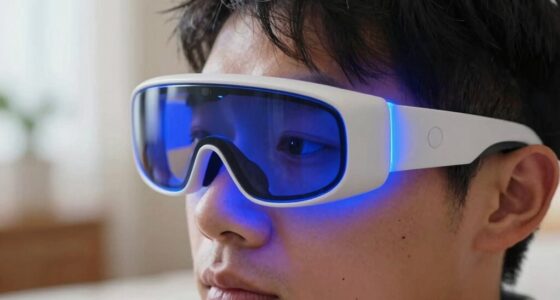
- Blue light filters and glasses can reduce blue light exposure from screens, but they do not provide the health benefits of light therapy.
- Understanding the purpose and effects of each helps in making informed decisions about protecting sleep and using light for health improvement.

Have you ever wondered how the blue light emitted by screens might affect your health? It’s a common concern in our digital age, especially as many of us spend hours each day glued to smartphones, tablets, or computers. You might have heard that blue light can interfere with your sleep or cause eye strain, but it’s important to understand that not all blue light is the same. Light therapy and blue screens serve very different purposes, and knowing the difference can help you make better choices for your health.
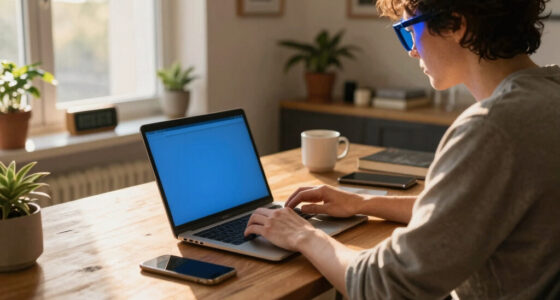
Blue screens, the ones on your devices, emit high-energy visible light that includes blue wavelengths. This kind of light is naturally present in sunlight, but the screens produce it in much higher concentrations. When you use your device late at night, this blue light can trick your brain into thinking it’s daytime, suppressing melatonin production—the hormone responsible for sleep. That’s why many people experience difficulty falling asleep after a long screen session. Additionally, prolonged exposure to blue light can cause digital eye strain, leading to symptoms like dry eyes, blurred vision, and headaches. While these effects are often temporary, ongoing exposure might contribute to more serious eye issues over time.
Blue screen light suppresses melatonin, disrupts sleep, and causes eye strain over time.
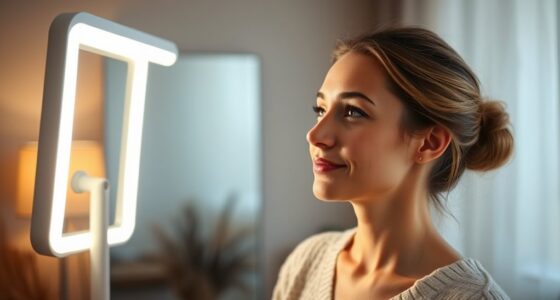
On the other hand, light therapy is a deliberate treatment designed to improve your health by exposing you to specific wavelengths and intensities of light. It’s most commonly used to combat Seasonal Affective Disorder (SAD), a type of depression linked to reduced sunlight during winter months. Light therapy boxes emit bright, broad-spectrum light that mimics natural outdoor light, usually at an intensity of 10,000 lux. When you sit in front of one for about 20-30 minutes daily, it can help regulate your circadian rhythm, boost your mood, and improve sleep patterns. Unlike blue screens, which emit a mix of wavelengths and are often used for entertainment or work, light therapy devices are carefully calibrated to deliver a safe, therapeutic dose of light that benefits your mental health and overall well-being.
Understanding this distinction is key. Blue screens aren’t designed to improve your health—they’re designed for digital interaction. Light therapy devices, however, are intentionally created to help stabilize your biological clock and alleviate mood disorders. To protect your sleep and eye health, it’s best to limit your screen time before bed and consider using blue light filters or glasses. Meanwhile, if you’re struggling with seasonal depression or sleep issues, a properly administered light therapy session might be just what you need. Recognizing this difference in light types allows you to make smarter choices and safeguard your health in our increasingly digital world.
As an affiliate, we earn on qualifying purchases.
Frequently Asked Questions
Can Blue Screens Cause Long-Term Eye Damage?
Blue screens, like those from devices, generally don’t cause long-term eye damage, but prolonged exposure can lead to eye strain, dryness, or discomfort. You might notice temporary issues like headaches or blurred vision if you stare at screens too long. To protect your eyes, take regular breaks using the 20-20-20 rule, reduce screen brightness, and consider blue light filters or glasses. Being mindful helps prevent potential discomfort and keeps your eyes healthier.
Is Light Therapy Safe for Children?
Think of light therapy as a gentle sunrise for your child’s mind—safe when used correctly. It’s generally safe for children, but you should always consult a healthcare professional first. They can recommend the right timing, duration, and intensity, ensuring the benefits outweigh any risks. With proper guidance, light therapy can help improve mood, sleep, and overall well-being without causing harm, making it a helpful option for your child’s health.
How Does Blue Light Affect Sleep Quality?
Blue light can disrupt your sleep by suppressing melatonin production, making it harder to fall asleep and reducing sleep quality. When you use screens emitting blue light before bed, your circadian rhythm gets confused, leading to restless nights. To improve your sleep, limit screen time an hour before bed or use blue light filters. By doing so, you help your body naturally prepare for sleep and enjoy more restful nights.
Are There Any Side Effects From Light Therapy?
They say “prevention is better than cure,” and light therapy can have side effects. You might experience headaches, eye strain, or nausea if you use it improperly or too long. Some people notice skin irritation or agitation. To stay safe, follow your healthcare provider’s instructions, start with brief sessions, and monitor how you feel. If you experience adverse effects, stop use and consult a professional.
Can Blue Light Exposure Worsen Eye Conditions?
Yes, blue light exposure can worsen eye conditions. When you look at screens for long periods, blue light may cause digital eye strain, headaches, or worsen existing issues like macular degeneration. You might notice increased discomfort or vision problems over time. To protect your eyes, take regular breaks, use blue light filters or glasses, and limit screen time, especially before bed. Staying proactive helps reduce potential damage.
Conclusion
Understanding the difference between light therapy and blue screens can help you make smarter choices for your well-being. Did you know that over 60% of adults report feeling less alert after prolonged exposure to blue screens? By choosing appropriate light therapy, you can boost your mood and energy levels safely, unlike the potentially disruptive effects of blue screens. So, be mindful of your light exposure, and prioritize healthy lighting habits for better mental and physical health.
Fall Picks
fall essentials
As an affiliate, we earn on qualifying purchases.