
To make bigger devices work in a small room, focus on smart placement and space-saving options. Use wall mounts or multi-functional furniture to clear floor space, and choose devices with customizable or touch interfaces for easy control. Minimize cables with wireless solutions and adapters, and guarantee compatibility with your existing hardware. Keep controls simple and accessible, balancing device functionality with a clean, organized environment. Want to discover more tips? Keep exploring for ways to maximize your space effectively.
Get ready for Prime Big Deal Days — try Prime free
Exclusive member deals on October 6–7, plus fast free delivery. Cancel anytime.
As an affiliate, we earn on qualifying purchases.
Key Takeaways
- Use wall mounts and multi-functional furniture to maximize space and accommodate larger devices without clutter.
- Opt for modular hardware and adapters to ensure compatibility within limited room dimensions.
- Incorporate wireless connectivity to reduce cable clutter and free up surface and floor space.
- Prioritize intuitive, customizable UI designs for easy control in small environments.
- Regularly review and optimize device placement and organization to enhance perceived spaciousness.
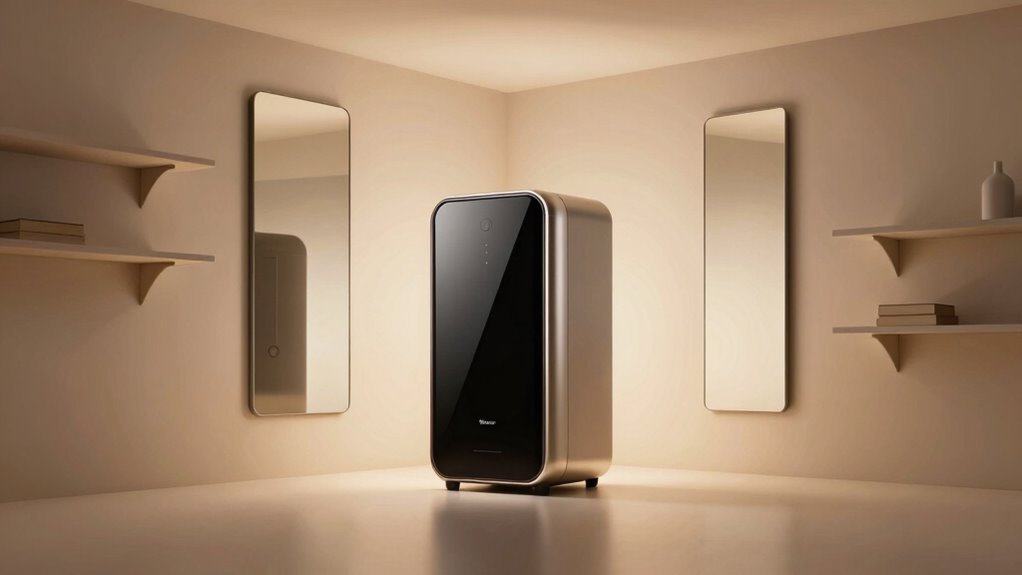
Ever wondered how to make the most of limited space while still accommodating larger devices? If you’re working with a small room, optimizing your setup isn’t just about fitting a bigger screen or more powerful hardware—it’s about creating a seamless experience where user interface and hardware compatibility work together effortlessly. The key is to focus on smart design choices that maximize functionality without crowding your space.
Start by prioritizing the user interface. When you’re dealing with larger devices, it’s tempting to think bigger is always better, but that often leads to cluttered screens and confusing navigation. Instead, choose a user interface that’s clean, intuitive, and adaptable. Look for software that allows you to customize menus and layouts so that essential controls are always within reach, even on a limited screen estate. Touchscreens, remote controls, or voice commands can help you interact efficiently without needing additional space. Remember, the goal is to keep the interface straightforward and accessible, so you don’t waste time fumbling with complicated menus. Additionally, considering hardware integration can help streamline your setup and reduce clutter. Incorporating smart home compatibility can further simplify device management and create a more cohesive environment. Utilizing integration protocols can also enhance how your devices communicate and function together seamlessly. Implementing these protocols ensures your devices work in harmony, reducing setup complexity and improving overall efficiency. Exploring wireless connectivity options can also eliminate the need for excessive cables, further decluttering your space.
Hardware compatibility is equally vital. Larger devices often come with specific requirements—certain ports, power needs, or connectivity options—that might not align with your existing setup. Before investing in big-screen TVs, gaming consoles, or high-end sound systems, double-check their compatibility with your current hardware. This includes ensuring your room’s outlets can support the power demand, your Wi-Fi can handle streaming or online gaming, and your existing cables or adapters will connect seamlessly. If compatibility issues arise, consider modular solutions or adapters that can bridge gaps without taking up extra space. This way, you avoid clutter and guarantee your devices work harmoniously.
Another strategy involves choosing multi-functional furniture and storage solutions that hide cables and accessories, freeing up surface space and reducing visual clutter. Mounting larger devices on walls can also save valuable floor space while keeping everything within reach. When selecting furniture, prioritize pieces that support your devices securely and easily access ports or controls. Proper cable management and strategic placement can make your setup look cleaner and more organized, contributing to a more open feel in your small room. As you implement these solutions, remember that effective organization plays a crucial role in maintaining a clutter-free environment. Additionally, regularly reviewing and optimizing your setup can help adapt your space as your needs evolve.
Ultimately, the small-room strategy for bigger devices hinges on balancing user interface design with hardware compatibility. By streamlining your control systems and ensuring your devices integrate smoothly, you create an environment where larger devices enhance your experience rather than overwhelm your space. With thoughtful planning, you can enjoy a high-tech setup that feels spacious, organized, and user-friendly—even in a small room.
As an affiliate, we earn on qualifying purchases.
Frequently Asked Questions
How Does the Small-Room Strategy Affect Device Durability?
The small-room strategy can negatively impact device durability because it may lead to material degradation due to overheating and limited airflow. Ventilation challenges become prominent, causing heat buildup that accelerates wear and tear. As a result, your device might face quicker failure or reduced lifespan. To counter this, guarantee proper ventilation and consider using cooling accessories, which can help maintain ideal conditions and prolong device durability.
Can This Strategy Be Applied to All Device Brands?
You can’t apply the small-room strategy to all device brands because of brand compatibility issues. Some brands don’t support extensive device customization, limiting your options. Before trying this strategy, check if your device’s brand allows modifications and customizations that fit your bigger device goals. This way, you guarantee compatibility and avoid damaging your device while achieving the desired size increase.
What Are the Cost Implications of Using the Small-Room Approach?
Imagine a cozy nook where every inch counts—adopting this approach leads to significant cost savings, thanks to enhanced space efficiency. You’ll cut expenses on larger devices and reduce the need for extensive infrastructure. While initial investments might be modest, the long-term savings are clear, turning your limited space into a smart investment. This strategy proves budget-friendly, making bigger devices more accessible without stretching your finances.
How Does This Strategy Impact Device Performance Over Time?
Using this strategy can lead to device overheating if you don’t guarantee proper ventilation, which may cause performance drops over time. Signal interference might also increase in small spaces, impacting data transfer and speed. You might notice slower responses or connectivity issues as your device ages. To prevent this, keep your device cool, minimize interference sources, and regularly check for updates to maintain best performance.
Are There Specific Accessories Recommended for Small-Room Setups?
You should consider wall-mounted solutions and multi-purpose accessories for your small-room setup. Wall mounts save space and keep your device accessible, creating a clean, organized look. Multi-purpose accessories, like adjustable stands or combo mounts, enhance functionality without cluttering your room. These accessories balance practicality and simplicity, ensuring your device remains efficient and easy to use while optimizing limited space. Combining both gives your setup a sleek, versatile edge.
Conclusion
By embracing the small-room strategy, you turn tight spaces into launchpads for bigger devices, proving that less truly can be more. Think of your room as a canvas—small, but brimming with potential. With clever organization and a strategic mindset, you’ll reveal the full size of your devices without feeling cramped. It’s like fitting a mansion into a cozy cottage—your space may be small, but your possibilities are boundless.
Fall Picks
fall essentials
As an affiliate, we earn on qualifying purchases.