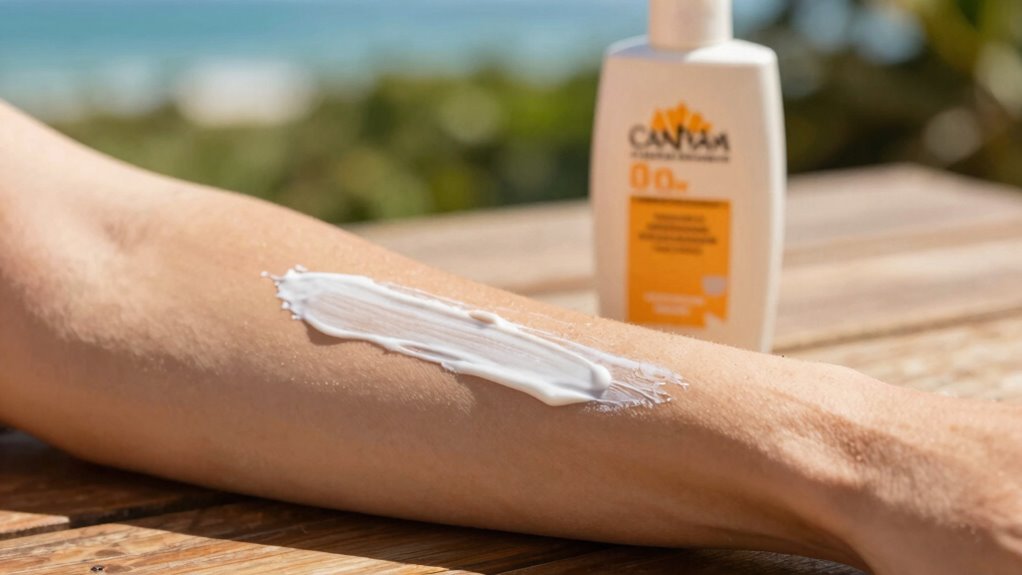

As a device user, you need to reapply sunscreen regularly to stay protected outdoors. Sunscreen effectiveness drops after about two hours, especially when sweating or swimming. Use enough product and cover all exposed areas thoroughly. Set reminders or use cues—like taking breaks from your device—to guarantee you reapply often. Good habits help maintain protection without interrupting your routines. Keep exploring to discover more tips on staying safe while using devices outside.

Get wellness gear delivered free — and shop member deals
- Fast, free delivery on millions of items
- Access to Prime Big Deal Days deals on October 6–7
- Prime Video, Amazon Music and more included
Key Takeaways
- Reapply sunscreen every two hours, especially when outdoors or after sweating and swimming.
- Use reminders or alarms to prompt timely reapplication during device use or outdoor activities.
- Ensure even coverage on all exposed skin areas for continuous UV protection.
- Take regular breaks from screens to promote reapplication habits and reduce eye strain.
- Choose eco-friendly, reef-safe sunscreens to protect the environment while maintaining skin safety.
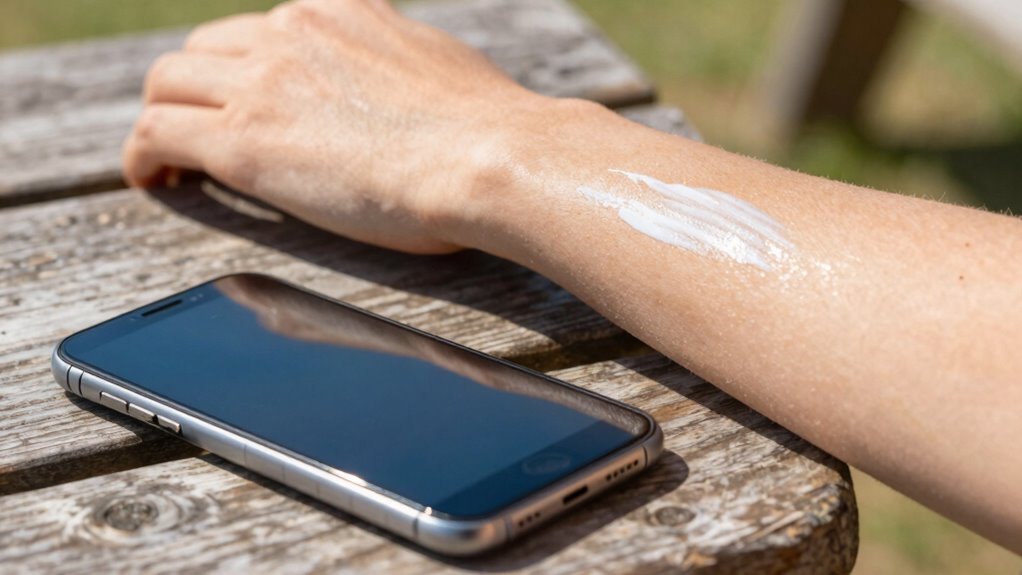
If you spend a lot of time on your devices outdoors, it’s easy to forget that your skin still needs protection from the sun. While you might be focused on your screen or the task at hand, UV protection should remain a priority. Prolonged exposure to sunlight, especially during peak hours, increases your risk of skin damage, premature aging, and even skin cancer. Sunscreen is your first line of defense, but it’s only effective if you reapply it properly and regularly. Many device users overlook this step, assuming that once sunscreen is applied, they’re covered for the entire day. That’s not the case. Sunscreen can wear off due to sweating, towel drying, or simply the passage of time—usually after about two hours. If you’re outdoors for extended periods, reapplication becomes vital to maintain continuous protection.
Understanding device ergonomics can help you develop habits that make reapplying sunscreen easier. For example, positioning your device at eye level or in a way that minimizes glare can reduce strain and make it more convenient to take breaks for reapplication. When you’re immersed in your device, it’s easy to forget to step away and reapply. Incorporating reminders into your routine—like setting alarms or using app notifications—can help you stay on top of sunscreen reapplication. This way, you’re not just ignoring UV protection because you’re absorbed in your device, but actively maintaining it. Remember, using a broad-spectrum sunscreen with at least SPF 30 is essential, but applying it correctly matters just as much. Use enough sunscreen—about a teaspoon for your face and a shot-glass amount for your body—and make sure to cover all exposed areas thoroughly.
Reapplication isn’t just about slapping more sunscreen over the first layer; it’s about ensuring even coverage and re-establishing protection after activities that might strip it away. If you’re sitting in the sun, sweating, or near water, reapply more frequently—every two hours or immediately after swimming or sweating heavily. Keep a travel-sized sunscreen handy, perhaps in your bag or pocket, so you can reapply without hassle. This is especially important when your device usage keeps you distracted, because the last thing you want is to forget UV protection altogether. Additionally, understanding biodiversity and conservation can motivate you to protect not only your skin but also the environment by choosing eco-friendly sunscreens. Being aware of the UV exposure risks can help you make smarter choices about sun safety. Incorporating UV exposure awareness into your outdoor routine can further enhance your commitment to skin health. Moreover, selecting sunscreens that are reef-safe helps reduce environmental impact and supports sustainable practices. Prioritizing reapplication during your outdoor device time ensures your skin stays protected without interrupting your workflow or leisure. With a little planning and awareness, you can enjoy your outdoor activities and device use without risking your skin’s health. Remember, understanding UV radiation can help you better gauge the importance of regular reapplication to prevent long-term skin damage.
As an affiliate, we earn on qualifying purchases.
Frequently Asked Questions
Can Sunscreen Be Used on Electronic Device Screens?
You shouldn’t use sunscreen on electronic device screens because it can cause chemical reactions that damage the screen coatings. Sunscreen formulas contain chemicals that might degrade or discolor screen surfaces over time. Instead, use a soft, damp cloth designed for electronics to clean your screens, and keep sunscreens away from your devices to prevent any harmful reactions or damage to the sensitive coatings.
Do Device Users Need Special Sunscreen for Outdoor Screens?
Like a knight shielding their armor, you don’t need special sunscreen for outdoor screens. Regular sunscreen offers screen protection, but make sure it’s compatible with electronics—avoid formulas with oils or fragrances that might damage your device. Look for sunscreens labeled “broad spectrum” and “non-porous.” Reapplying every two hours helps keep your skin protected, and choosing the right sunscreen guarantees your device stays safe from harmful UV rays too.
How Does Sunscreen Affect Touch Screen Sensitivity?
Sunscreen can slightly affect touch sensitivity because some formulas leave a residue on your screen’s coating. If you use a greasy or thick sunscreen, it might interfere with your device’s responsiveness. To minimize this, choose a lightweight, non-greasy sunscreen and clean your screen regularly. This helps maintain the best touch sensitivity, ensuring your device responds accurately and quickly without any interference from the sunscreen residue on the screen coating.
Is Sunscreen Necessary When Using Devices Indoors?
You might think sunscreen isn’t necessary indoors, but indoor UV protection is still important. While most UV rays are blocked by windows, some exposure can occur, especially near windows or with prolonged screen use. Screen exposure risks include potential eye strain and skin damage over time. To stay protected, consider applying a broad-spectrum sunscreen indoors if you spend hours near windows, especially during peak sunlight hours.
Can Sunscreen Residue Damage Electronic Devices?
Sunscreen residue can potentially harm electronic devices by causing chemical reactions that lead to device corrosion. When you apply sunscreen, especially near gadgets, it might leave a film that interacts with internal components. This buildup can cause corrosion over time, damaging sensitive parts. To prevent this, always clean your device thoroughly after applying sunscreen and avoid direct contact with screens or ports, minimizing the risk of chemical reactions damaging your electronics.
Conclusion
Don’t let the myth that sunscreen isn’t necessary after initial application fool you. Just like your device needs regular updates to function properly, your skin needs consistent reapplication to stay protected. Believe it or not, neglecting to reapply can leave you vulnerable to harmful UV rays, increasing your risk of damage and skin issues. So, stay vigilant—reapply often, and treat your skin like the valuable device it truly is. Your future self will thank you.
Fall Picks
fall essentials
As an affiliate, we earn on qualifying purchases.