Working night shifts disrupts natural sleep patterns, leaving many seeking effective light therapy solutions. The 10,000 Lux Light Therapy Sun Lamp & Red Night Light stands out for its dual-mode functionality, making it ideal for daytime focus and evening relaxation. Meanwhile, the 670nm Red Light Therapy Sleep Device offers a tailored red light for nighttime calming, perfect for those prioritizing sleep quality. For a portable option, the Verilux HappyLight Lumi Plus provides customizable settings in a slim design, suited for both home and travel. Each of these picks balances brightness, versatility, and ease of use, but tradeoffs include portability versus power and complexity versus simplicity.

Get wellness gear delivered free — and shop member deals
- Fast, free delivery on millions of items
- Access to Prime Big Deal Days deals on October 6–7
- Prime Video, Amazon Music and more included
Key Takeaways
- The best options balance brightness, ease of control, and suitability for indoor versus portable use.
- Dual-mode lamps offer both energizing light and relaxing red light, catering to different times of day.
- Portability features, like rechargeable batteries, can limit brightness but enhance convenience.
- Adjustable settings and timers are key for customizing the experience to your shift schedule.
- Water resistance is less critical for indoor use but worth considering for versatility.
| 10,000 Lux Light Therapy Sun Lamp & Red Night Light with Remote |  | Best Overall for Versatility and Brightness | Dimensions: 3.15″D x 5.91″W x 5.91″H | Weight: 1.2 pounds | Light Source Type: LED | VIEW LATEST PRICE | See Our Full Breakdown |
| 670nm Red Light Therapy Sleep Device & 10,000 Lux Sun Lamp | 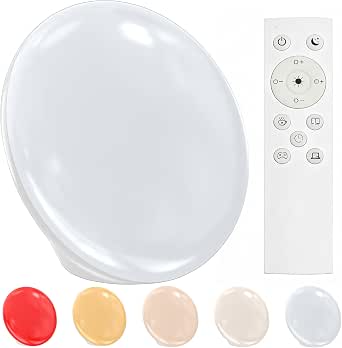 | Best for Sleep and Mood Enhancement | Wavelength: 670nm | Light Source: LED | Wattage: 12W | VIEW LATEST PRICE | See Our Full Breakdown |
| Verilux HappyLight Lumi Plus – Light Therapy Lamp with 10,000 Lux |  | Best for Portability and Customization | Light Intensity: 10,000 Lux | Light Type: LED, UV-Free | Brightness Levels: 3 | VIEW LATEST PRICE | See Our Full Breakdown |
| Verilux HappyLight Lucent Light Therapy Lamp, 10,000 Lux |  | Best for Simplicity and Quick Use | Wattage: 40 watts | Light Source Type: LED | Waterproof: False | VIEW LATEST PRICE | See Our Full Breakdown |
| Bakzon Red Light Therapy Lamp, 670nm Deep Red Night Light for Bedroom Sleep |  | Best Cordless Night Light for Sleep | Light Source Type: LED | Power Source: Battery | Wattage: 1.5 watts | VIEW LATEST PRICE | See Our Full Breakdown |
| night shift light therapy lamp | Light Source Type | Wattage | Brightness Levels |
|---|---|---|---|
| 10,000 Lux Light Therapy Sun L | LED | — | — |
| 670nm Red Light Therapy Sleep | — | 12W | 5 |
| Verilux HappyLight Lumi Plus | — | — | 3 |
| Verilux HappyLight Lucent Ligh | LED | 40 watts | — |
| Bakzon Red Light Therapy Lamp | LED | 1.5 watts | 5 |
More Details on Our Top Picks
10,000 Lux Light Therapy Sun Lamp & Red Night Light with Remote
This compact, dual-mode LED lamp excels in offering the brightness needed for effective light therapy while also providing a calming red night light. Its remote control allows for easy adjustments without interrupting your routine, and the adjustable brightness and timer make it highly customizable. Compared with the Verilux Lumi Plus, it offers more versatility in modes and control, but it lacks waterproofing, limiting outdoor use. This makes it ideal for indoor environments where space-saving design and flexible settings matter most.
Pros:- Dual-mode lighting with bright daylight and soothing red glow
- Remote control for easy adjustments
- Adjustable brightness, color temperature, and timer
- Compact and space-saving design
Cons:- Not water resistant, limiting outdoor or humid environments
- Limited to indoor use
- Red light level may be insufficient for some users
Best for: Night shift workers who want a versatile, adjustable lamp suitable for both daytime focus and evening relaxation.
Not ideal for: Those needing outdoor use or waterproof features, or who prefer a very minimalist, simple setup without remote controls.
- Dimensions:3.15″D x 5.91″W x 5.91″H
- Weight:1.2 pounds
- Light Source Type:LED
- Power Source:Corded Electric
- Number of Light Sources:60
- Control Method:Remote, Touch
- Additional Features:Adjustable Color Temperature, Dimmable, Timer
Our verdict“A highly adaptable lamp that balances brightness, control, and compactness, making it perfect for indoor night shift needs.”
670nm Red Light Therapy Sleep Device & 10,000 Lux Sun Lamp
This device integrates red light therapy with a full-spectrum sunlight lamp, targeting circadian regulation and mood improvement. Its multiple color modes and adjustable brightness make it versatile for relaxation, focus, and sleep support. Compared to the Verilux Lumi Plus, it offers more comprehensive wellness features, but its complexity might be overwhelming for users seeking simplicity. Its indoor-only design and reliance on corded power make it less portable but highly effective for targeted red light therapy at night.
Pros:- Combines red light therapy with full-spectrum sunlight lamp
- Multiple color modes and adjustable brightness
- Includes timers and dual control options
- Safe, flicker-free LEDs, no UV or blue light
Cons:- Limited to indoor use
- Requires corded power, less portable
- Multiple modes may require initial learning
Best for: Night shift workers who prioritize sleep quality and mood stabilization with a combined red and full-spectrum light approach.
Not ideal for: People seeking a simple, straightforward lamp or needing outdoor waterproof features.
- Wavelength:670nm
- Light Source:LED
- Wattage:12W
- Color Temperature Modes:3000K, 4500K, 5500K, 6500K
- Brightness Levels:5
- Timer Options:30/60/90/120 minutes
- Control:Touch & remote
Our verdict“A comprehensive wellness device best suited for users wanting sleep and mood benefits alongside circadian support.”
Verilux HappyLight Lumi Plus – Light Therapy Lamp with 10,000 Lux
The HappyLight Lumi Plus offers effective UV-free light therapy with a sleek, ultra-thin design. Its adjustable brightness and programmable timer make it flexible for different routines, while the portable form factor allows use at home or on the go. Compared with larger, more feature-rich lamps, it emphasizes simplicity and ease of use, but it may not deliver enough brightness for severe light deficiency cases. Its wall-mount option adds to versatility.
Pros:- Effective 10,000 Lux UV-free light
- Adjustable brightness and timer
- Portable with detachable stand
- Wall-mount compatible
Cons:- Less effective for severe deficiency
- Limited to indoor use
- Price not specified
Best for: Those who need a portable, customizable light therapy solution for inconsistent or on-the-move schedules.
Not ideal for: Users requiring very high brightness levels or outdoor waterproofing.
- Light Intensity:10,000 Lux
- Light Type:LED, UV-Free
- Brightness Levels:3
- Timer:up to 1 hour, in 15-min increments
- Design:Ultra-thin tablet with detachable stand
Our verdict“A lightweight, adaptable lamp ideal for frequent travelers or those with variable routines.”
Verilux HappyLight Lucent Light Therapy Lamp, 10,000 Lux
This portable lamp delivers reliable 10,000 Lux of UV-free light with minimal fuss. Its one-button operation allows for quick, straightforward use, making it suitable for busy schedules. Compared to the Lumi Plus, it offers less customization but excels in ease of use and immediate effectiveness. Its compact design makes it a good choice for those needing quick, reliable therapy without the complexity of multiple modes.
Pros:- Simple one-button operation
- Effective 10,000 Lux UV-free light
- Portable and easy to set up
- Full-spectrum LED for natural light
Cons:- Limited to 40 watts, less suitable for large rooms
- No waterproofing or outdoor use
- Less feature-rich than larger models
Best for: Individuals seeking a no-fuss, effective light therapy device for daily use or travel.
Not ideal for: Those needing extensive customization or features like timers and multiple modes.
- Wattage:40 watts
- Light Source Type:LED
- Waterproof:False
- Control Method:Push Button
- Shape:Rectangular
Our verdict“An uncomplicated, reliable lamp perfect for quick use at home or while traveling.”
Bakzon Red Light Therapy Lamp, 670nm Deep Red Night Light for Bedroom Sleep
The Bakzon Red Light Therapy Lamp is designed specifically for nighttime use, offering a focused 670nm red glow that promotes relaxation and sleep. Its rechargeable battery and pass-through charging add convenience for cordless operation, ideal for bedrooms or nurseries. Compared with larger, wired lamps, its smaller size and rechargeable nature make it more adaptable for personal, low-stimulation environments, though it doesn’t provide high brightness for larger spaces.
Pros:- Narrowband 670nm LED for focused red light
- Adjustable brightness and timer
- Rechargeable battery with long life
- Quiet operation
Cons:- Limited waterproof protection
- Small size limits illumination power
- Requires charging, which may interrupt use
Best for: Night shift workers who want a gentle, cordless red light for sleep or relaxation in personal spaces.
Not ideal for: Those needing bright illumination or outdoor waterproof features.
- Light Source Type:LED
- Power Source:Battery
- Wattage:1.5 watts
- Brightness Levels:5
- Timer:30/60 minutes
Our verdict“A compact, cordless red night light best suited for sleep and relaxation, not large-area illumination.”
How We Picked
Our selection process focused on models specifically designed or suitable for night shift workers needing circadian support. We prioritized lamps that deliver at least 10,000 lux of full-spectrum or broad-spectrum light, as this intensity is essential for impactful therapy. Ease of use—such as remote controls and adjustable timers—was crucial, along with durability and safety features like flicker-free LEDs and UV protection. We compared product versatility, portability, and user customization, favoring options that fit a range of environments from bedrooms to offices. Lastly, we balanced price against features, selecting models that provide good value without sacrificing quality or effectiveness.
Factors to Consider When Choosing Best Night Shift Light Therapy Lamp
Choosing the right night shift light therapy lamp depends on your specific needs for brightness, portability, and features. Whether you prioritize full-spectrum light for energy, red light for sleep, or a mix of both, understanding key aspects will help you make an informed decision.Light Intensity and Spectrum
For effective circadian support, look for lamps that deliver at least 10,000 lux of full-spectrum or broad-spectrum light. Red light therapy, typically around 670nm, is better suited for relaxation and sleep. Consider what your primary goal is—energy boost or sleep aid—and choose accordingly.
Portability and Power Source
If you need a lamp for multiple locations or travel, portability features like rechargeable batteries and lightweight design are beneficial. However, these often come with tradeoffs in brightness or feature set. For stationary setups, corded models with higher power capacity may be more effective.
Control and Customization
Remote controls, adjustable timers, and brightness levels allow for personalized use, especially important for night shifts with varying schedules. Simpler models offer quick operation but less flexibility, while feature-rich lamps may require initial learning but provide tailored therapy sessions.
Durability and Environment
Indoor-only models are typically sufficient for night shift work, but if outdoor or humid use is anticipated, waterproofing and rugged construction are worth considering. Always check water resistance ratings if outdoor use is a possibility.
Frequently Asked Questions
How many lux should my night shift lamp provide?
For effective circadian regulation and mood enhancement, a lamp should emit at least 10,000 lux. This intensity is considered the standard for light therapy and is enough to have a noticeable impact on energy and alertness during night shifts.
Can I use a red light therapy lamp at night for sleep?
Yes, red light therapy around 670nm is well-suited for nighttime use as it promotes relaxation and melatonin production. It’s less stimulating than bright white or full-spectrum light, making it a good choice for winding down after a shift.
Are portable light therapy lamps effective?
Portable models with rechargeable batteries can be effective, but often they deliver lower lux levels than larger, stationary lamps. They’re best for users who need flexibility and quick sessions rather than intense light therapy for severe deficiencies.
Is water resistance important for night shift lamps?
For indoor use, water resistance is generally not critical. However, if you plan to use your lamp outdoors or in humid environments, look for models with water resistance ratings to avoid damage and ensure longevity.
How long should I use my light therapy lamp each day?
Most effective sessions last between 20 to 30 minutes, ideally in the morning or at the start of your shift. Adjustable timers help customize duration, but consistent daily use maximizes benefits for circadian alignment and mood improvements.
Conclusion
For night shift workers prioritizing maximum brightness and versatility, the 10,000 Lux Light Therapy Sun Lamp & Red Night Light offers a comprehensive solution. Those seeking sleep support with a focus on red light should consider the Bakzon Red Light Therapy Lamp. If portability and quick usability are important, the Verilux HappyLight Lumi Plus provides a lightweight, customizable option. Meanwhile, individuals looking for simplicity without many settings will find the Verilux HappyLight Lucent most suitable. Each choice aligns with specific routines and environments, so consider your primary goal—energy, sleep, or convenience—when selecting the best night shift light therapy lamp for 2026.
Fall Picks
fall essentials
As an affiliate, we earn on qualifying purchases.