TL;DR

Get wellness gear delivered free with Prime
- Fast, free delivery on millions of items
- Prime Video, Amazon Music and more included
- Member-only deals all year
Garmin is expanding its fitness message beyond workouts, presenting sleep tracking and recovery insights as tools for understanding overnight patterns and daytime performance. The company describes features including Sleep Score, Sleep Coach and Sleep Alignment, but the measurements are estimates, vary by device and are not intended to diagnose or monitor medical conditions.
Garmin is positioning sleep tracking and recovery insights as a larger part of fitness technology, using wearable data to help users review sleep patterns alongside activity and daytime performance. The company’s approach, described in an Athletech News report, reflects a shift in fitness products from workout summaries toward recovery information, though Garmin says its devices are not medical devices and are not intended to diagnose or monitor medical conditions.
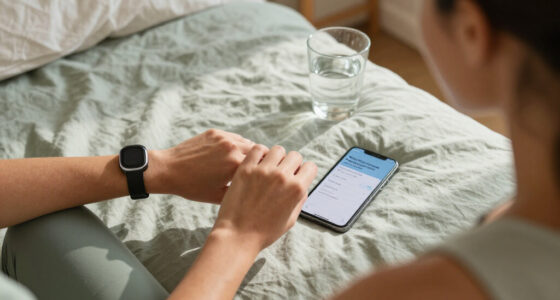
Compatible Garmin devices can record bedtime, wake time, sleep duration and periods of restlessness, and estimate light, deep and REM sleep stages. Depending on the device and location, users may also have access to overnight heart rate, heart rate variability (HRV), respiration, stress, Pulse Ox, skin temperature and Body Battery estimates. Garmin says availability varies by device and country.
The company presents Sleep Score as a score from zero to 100 and Sleep Insights as a short summary of sleep data and its possible relationship to daytime performance. Garmin’s Sleep Coach estimates a user’s sleep need for the coming night, drawing on six factors: age, internal rhythm, daily and longer-term activity, recent sleep history, naps and HRV. These are recommendations and estimates, rather than clinical assessments.
Garmin also describes Sleep Alignment, which compares recorded sleep timing with an estimated internal rhythm to show a suggested sleep window. According to the company, compatible newer devices estimate that rhythm using sleep history and skin-temperature data. The CIRQA Smart Band is presented as a screenless option for overnight wear; Garmin says it can last up to 10 days per charge and offers sleep features through the Garmin Connect app. The source says no subscription is required for the band.
Recovery Data Enters Fitness Tracking
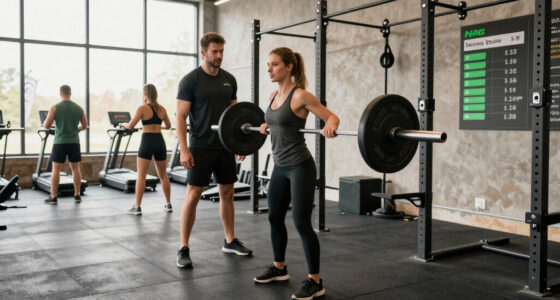
The development matters because it places recovery alongside exercise in the way consumer fitness devices organize personal data. Users and coaches may be able to review sleep timing, activity and other overnight signals together, rather than treating workout totals as the main measure of a training routine. For gyms and personal trainers, Garmin says integrated data could support more specific discussions about recovery, though the source does not provide evidence that using these features improves fitness outcomes.
There is also a practical distinction between collecting signals and explaining them. Sleep scores and recommendations can make a night’s data easier to scan, but they remain device-generated estimates. A score alone cannot establish why someone slept poorly or determine whether a health condition is present. Garmin’s own disclaimer states that the products are not intended for medical diagnosis or monitoring, a limit users should keep in mind when interpreting changes or patterns.
Products Worth Considering

Garmin Forerunner 570 GPS Running Smartwatch, 42 mm, Raspberry, with P-Bank Bundle

Garmin Forerunner 165 GPS Running Smartwatch, 43 mm, Whitestone

Oura Ring 5 Smart Ring, Gold, Size 10
As an affiliate, we earn on qualifying purchases.
From Sleep Duration to Nightly Patterns
Garmin’s pitch builds on the broader use of wearables to track more than time asleep. Its features combine duration and estimated sleep stages with signals such as overnight HRV, respiration and stress. The company argues that reviewing data across multiple nights can make patterns easier to notice than relying on a single reading. The supplied report does not offer independent research comparing the accuracy of these measurements with clinical sleep assessments.
The product details also vary. Garmin says some measurements, including Pulse Ox and Breathing Variations, are unavailable in certain countries or on some devices. The company describes Breathing Variations as a way to observe shifts in breathing patterns, which it says could relate to environmental factors, alcohol or possible sleep disorders. That feature is not presented as a diagnosis. Users concerned about breathing or sleep problems should not treat wearable data as a substitute for medical advice.
“The real opportunity is moving beyond a simple record of bedtime and wake time.”
— Andy Beckman, Garmin Health B2B Sales director for the Americas
Limits of Wearable Sleep Estimates
The supplied report does not establish how accurately each Garmin device measures sleep stages or other physiological signals, nor does it cite independent testing or studies showing that the guidance changes health or athletic performance. Device compatibility and feature availability differ, and the source gives no full model-by-model list. Garmin’s disclaimer says the devices are not intended to diagnose or monitor medical conditions; its sleep metrics should be understood as wellness information.
It is also unclear how widely gyms, trainers or third-party platforms currently use Garmin’s sleep data, and the report provides no adoption figures or outcome data. Garmin’s descriptions of possible uses and benefits are company claims. The report does not establish that the features constitute a new fitness revolution or that they outperform other sleep-tracking products.
More Data on Adoption and Accuracy
The immediate next step for users is to check which sleep features are supported by their specific device and country, then review patterns over time rather than treating one night or one score as conclusive. Garmin says compatible device data can be viewed in Garmin Connect, and that some of it can be integrated into third-party platforms used by fitness providers.
The source provides no announced launch date, independent validation study or future product milestone. Further reporting would be needed to establish how accurately the features perform, whether fitness professionals are adopting them at scale and whether their use leads to measurable changes in training or recovery. For now, the confirmed development is Garmin’s emphasis on sleep metrics as another component of its consumer fitness ecosystem.
Key Questions
What is Garmin announcing or promoting?
Garmin is emphasizing sleep tracking and recovery insights as part of fitness technology. Features described in the report include Sleep Score, Sleep Insights, Sleep Coach and Sleep Alignment on compatible devices.
What information can Garmin devices track overnight?
Depending on the device and location, tracking may include sleep duration and stages, overnight heart rate, HRV, respiration, stress, Pulse Ox, skin temperature and Body Battery estimates. Feature availability varies.
Can Garmin sleep features diagnose sleep apnea?
No. Garmin says its devices are not intended to diagnose or monitor medical conditions. Breathing Variations may show changes in breathing patterns, but it is not a diagnosis or substitute for professional medical advice.
How does Sleep Coach estimate sleep need?
Garmin says Sleep Coach considers age, internal rhythm, activity, recent sleep history, naps and HRV to estimate how much sleep a user may need for the coming night. The recommendation is an estimate, not a clinical assessment.
Is there evidence these features improve athletic performance?
The supplied report does not provide independent outcome data showing that Garmin’s sleep features improve performance or recovery. It describes how Garmin intends users and coaches to use the information.
Source: athletechnews.com