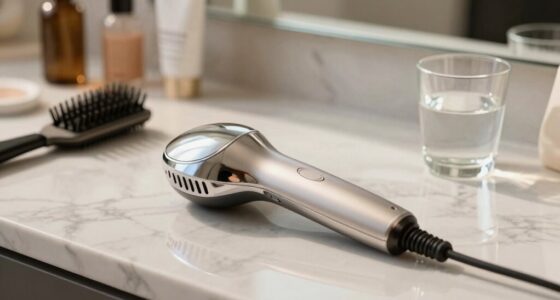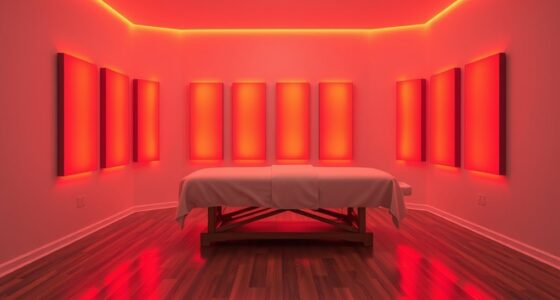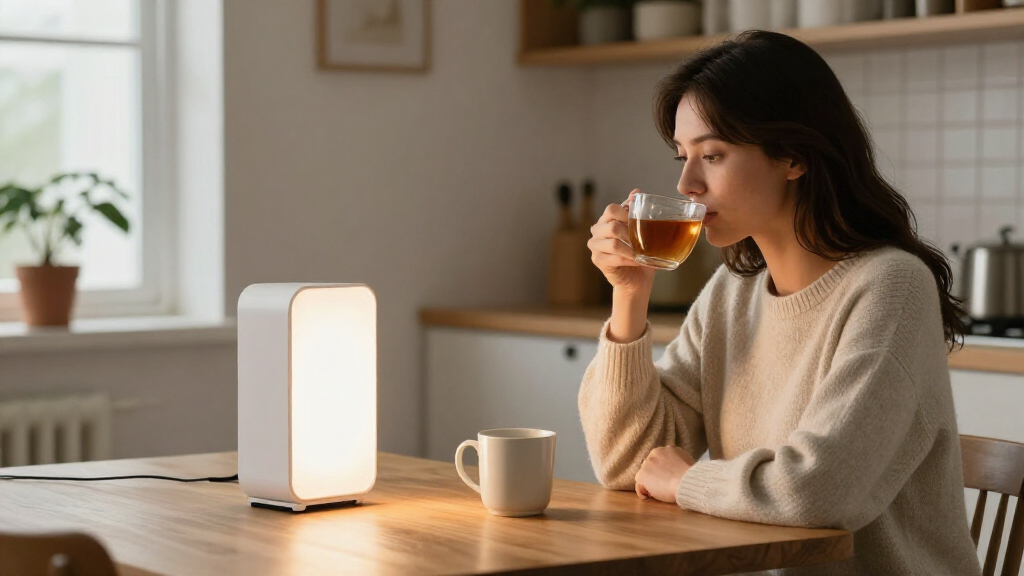

Choosing a light therapy lamp is less about picking the brightest-looking design and more about matching its measured output to your reason for using it. A 10,000-lux bright-light therapy lamp is built to provide a strong, defined exposure at a stated distance; a lower-intensity wellness light is generally better suited to gentle, longer-duration or ambient use. Those differences affect placement, session length, price, and how confidently you can follow a consistent routine.

Get wellness gear delivered free with Prime
- Fast, free delivery on millions of items
- Prime Video, Amazon Music and more included
- Member-only deals all year

Verilux HappyLight Lucent UV-Free LED Light Therapy Lamp, 10,000 Lux
- ✔ Maximum light output: Up to 10,000 lux
- ✔ Light source: LED
- ✔ Spectrum: Full spectrum; UV-free

SUXIO Light Therapy Lamp, 10,000 Lux with 3 Modes, 3 Timers, Touch Control and Memory Function
- ✔ Maximum brightness: 10,000 lux
- ✔ Light modes: 4,000, 7,000, and 10,000 lux
- ✔ Timer settings: 30, 60, and 90 minutes

Viconor Red Light Therapy Lamp with Stand, 660 nm Red and 850 nm Near-Infrared LEDs
- ✔ LED count: 120
- ✔ Wavelengths: 660 nm red and 850 nm near-infrared
- ✔ Panel design: Curved
These categories are often compared by people seeking support for seasonal mood changes, a morning routine, or a brighter home workspace. The label “wellness” does not establish that a lamp delivers a clinically studied dose, and lux figures only describe illumination at a particular distance. Choose a well-documented 10,000-lux model if you want a clear exposure target and can sit near it. Choose a lower-intensity lamp if comfort, flexible placement, and everyday lighting matter more than a short, high-intensity session. Neither category replaces professional care for persistent or severe symptoms.
At a Glance
| Criteria | 10,000-lux bright-light therapy lamps | Lower-intensity wellness light lamps | Winner |
|---|---|---|---|
| Illuminance and dose clarity | Often specified as 10,000 lux at a stated distance; easier to match product claims to a routine. | Often below 10,000 lux or specified without a comparable distance; actual exposure may be less clear. | A |
| Placement and session time | Designed for relatively short sessions at the specified distance; sitting farther away reduces illuminance. | May require longer exposure or closer placement, depending on output and product instructions. | A |
| Evidence and intended use | Closer fit for protocols commonly studied for seasonal affective symptoms, though results and suitability vary. | Useful as general brightening or routine lighting; wellness positioning alone does not establish a studied treatment dose. | A |
| Comfort and flexibility | Can feel intense or glaring; placement and angle matter. | Often easier to leave on in a room and use as ambient light, though brightness and glare still vary. | B |
| Safety information | Quality models disclose UV filtering, distance, and guidance; check these details rather than relying on the category name. | Specifications and UV information vary; verify the product documentation before use. | Depends |
| Cost and value | Usually costs more than basic wellness lights, but the premium can buy measurable output and clearer use instructions. | Often cheaper, but savings matter less if the lamp cannot provide the exposure or practical use you need. | Depends |
Verilux HappyLight Lucent UV-Free LED Light Therapy Lamp, 10,000 Lux
The Verilux HappyLight Lucent is our best overall choice for shoppers who want a clear, uncomplicated bright-light lamp rather than a device with a menu of settings. It provides up to 10,000 lux of UV-free, full-spectrum LED light, and its push-button control keeps operation simple. Compared with SUXIO, it offers less fine-grained control: there are no listed selectable intensity levels, timer settings, or memory feature. But that simplicity is also its appeal for a buyer who wants fewer decisions before settling into a routine.Its slim shape and detachable, bidirectional stand make it more adaptable to different tabletop layouts than its plain appearance suggests. We can set it vertically or horizontally, which may help when desk space is narrow or the preferred orientation changes. SUXIO also includes an adjustable stand and is USB-powered, giving it an edge for flexible placement away from a conventional outlet. Verilux, by contrast, is corded electric, so it is better suited to a stable home or office location than to a bag or travel setup.The tradeoff is a deliberately basic feature set. Buyers who want to dial brightness up or down, set a timed session, or recall their last setting should look at SUXIO instead. And anyone shopping specifically for 660 nm red plus 850 nm near-infrared light should consider Viconor, while recognizing that it is a different device category. For a buyer whose priority is recognizable bright-light output, UV-free LEDs, and easy positioning, Verilux offers the clearest fit in this group.We would still recommend checking the manufacturer’s placement and use instructions rather than assuming the maximum lux figure applies at every distance. The lamp is not water resistant, so it belongs on a dry tabletop, not beside a sink or in a damp area. Its three-year manufacturer’s warranty is a useful ownership detail, but it does not change the central decision: choose this model for simple operation over customization.
Pros:
- Up to 10,000 lux of UV-free, full-spectrum LED light.
- Push-button operation avoids a complicated settings routine.
- Detachable stand supports vertical or horizontal tabletop positioning.
- Slim format and a stated three-year manufacturer’s warranty.
Cons:
- Corded electric power limits placement compared with the USB-powered SUXIO.
- No listed brightness levels, timer settings, or memory function.
- Not water resistant, so it needs a dry indoor location.
Best for: Buyers who want a UV-free, full-spectrum bright-light lamp with simple controls and flexible vertical or horizontal tabletop placement.
Not ideal for: Shoppers who need battery or USB-powered portability, multiple intensity settings, built-in session timers, or a red/near-infrared panel.
Bottom line: We recommend Verilux for buyers who value simple UV-free bright-light use and flexible tabletop orientation more than extra controls.
“We recommend Verilux for buyers who value simple UV-free bright-light use and flexible tabletop orientation more than extra controls.”
SUXIO Light Therapy Lamp, 10,000 Lux with 3 Modes, 3 Timers, Touch Control and Memory Function
SUXIO is the most adjustable bright-light option in this comparison. Rather than offering only an on/off control like Verilux, it provides three stated levels—4,000, 7,000, and 10,000 lux—plus 30-, 60-, and 90-minute timers. Its memory function restores the last setting, so regular users have fewer controls to reset each time. Those features make it a better match for buyers who want to vary brightness or choose a defined session length, not simply switch a lamp on.The compact format, adjustable stand, and 49-inch USB cable also give it a placement advantage over Verilux when a USB power source is convenient. But the power arrangement needs attention: a power adapter is not included, and the supplied details specify a 5V-2A adapter. The product may malfunction or strobe with a 5V-1A adapter, so we would not treat any USB plug as automatically suitable. This extra setup is a meaningful drawback for a first-time buyer who expects a ready-to-use package.In the lineup, SUXIO sits between Verilux’s simplicity and Viconor’s specialized red/near-infrared format. It remains a bright-light lamp with a maximum output listed at 10,000 lux; its main distinction is control over intensity and timing, not a different wavelength approach. The 100 LEDs are described as flicker-free and glare-free, though buyers should still follow the manufacturer’s instructions for distance and use rather than infer performance from the LED count alone.We would choose SUXIO over Verilux if adjustable levels and timers are central to the routine. We would choose Verilux if a simple corded setup and uncomplicated button control matter more, or Viconor if the goal is specifically a red and near-infrared panel. SUXIO’s most important compromise is that portability does not mean complete independence from setup: you must provide the correct adapter, and a lower-current one may cause problems.
Pros:
- Three brightness levels: 4,000, 7,000, and 10,000 lux.
- Three timer choices and a memory function for restoring the last setting.
- USB-powered design with an adjustable stand and 49-inch cable.
- 100 LEDs described by the product as flicker-free and glare-free.
Cons:
- Power adapter is not included.
- The listed setup calls for a 5V-2A adapter; a 5V-1A adapter may cause malfunction or strobing.
- Compared with Verilux, it requires more attention to power compatibility before use.
Best for: People who want several brightness levels and timed sessions in a compact lamp, and already have or are willing to obtain a compatible 5V-2A USB adapter.
Not ideal for: Buyers who want a lamp ready to power without sourcing an adapter, prefer the simplest possible controls, or are seeking red/near-infrared light.
Bottom line: SUXIO is our pick for buyers who will use its brightness and timer controls, provided they can supply the specified adapter.
“SUXIO is our pick for buyers who will use its brightness and timer controls, provided they can supply the specified adapter.”
Viconor Red Light Therapy Lamp with Stand, 660 nm Red and 850 nm Near-Infrared LEDs
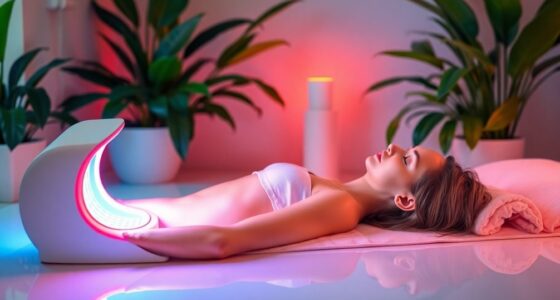
Viconor is the outlier in this roundup, and that is exactly why it may suit a particular buyer. Instead of a bright-light output specified in lux like Verilux and SUXIO, its curved panel combines 660 nm visible red light with 850 nm near-infrared LEDs. The near-infrared light is invisible, so buyers should not expect both wavelengths to look alike. This is not a like-for-like alternative to a UV-free full-spectrum tabletop lamp; it represents a different format and should be chosen for that distinction.The panel comes with a stand, hook, and a 3 m power cord, with adjustable height and up to 180-degree angle adjustment. That gives it more options for directing the light toward different body areas than either of the flatter, tabletop-oriented bright-light models. SUXIO is more convenient if the key requirement is changing visible-light intensity and setting a timer, while Verilux is simpler if the desired format is UV-free bright light for a desk. Viconor’s advantage is aiming flexibility for a red/near-infrared panel, not brighter or more customizable bright-light output.The supplied guidance suggests daily sessions of 15–30 minutes. That is a time commitment to consider, and the product details do not provide a lux rating or timer settings for direct comparison with the other two. We would avoid comparing its wavelength specifications with their lux figures as if they measured the same thing. Buyers should also follow the product’s instructions for distance, positioning, and session length, and seek professional guidance when unsure whether a light-based device is appropriate.Choose Viconor only if its particular light format and adjustable panel match what you are seeking. For a conventional bright-light lamp with a stated maximum of 10,000 lux, Verilux or SUXIO is the clearer choice. The Viconor’s included mounting options and longer power cord are useful, but its distinct purpose and daily-session guidance make it less universal for shoppers simply comparing tabletop wellness lamps.
Pros:
- Combines 660 nm visible red light and 850 nm near-infrared LEDs.
- Curved panel with adjustable angle and height for directing the light.
- Includes a stand, hook, and 3 m power cord.
- Designed for use on the face and body, unlike the tabletop-focused bright-light picks.
Cons:
- The 850 nm near-infrared light is invisible.
- Suggested daily sessions of 15–30 minutes require a regular time commitment.
- No lux output or timer settings are listed, so it is not directly comparable with Verilux or SUXIO.
Best for: Buyers specifically looking for a red and near-infrared LED panel with adjustable positioning for home use on different body areas.
Not ideal for: Shoppers seeking a conventional 10,000-lux bright-light lamp, selectable lux levels, or an option that can be compared directly with full-spectrum tabletop lighting.
Bottom line: Viconor is the specialized choice for buyers who want a red and near-infrared panel, not a substitute for a standard bright-light lamp.
“Viconor is the specialized choice for buyers who want a red and near-infrared panel, not a substitute for a standard bright-light lamp.”
As an Amazon Associate we earn from qualifying purchases.
Key Differences
The defining difference is not simply “strong” versus “gentle.” It is whether the lamp provides a clearly stated light level at a usable distance. A 10,000-lux model gives you a more concrete starting point for building a regular session, but that figure applies only under the conditions the manufacturer specifies. Move the lamp farther away, angle it away from your face, or place it behind an obstacle, and the light reaching you can drop. A lower-intensity lamp may still make a room feel brighter, but a wellness label or high maximum brightness setting does not tell you whether it delivers an equivalent exposure.
That distinction matters most when a buyer wants a structured routine for seasonal symptoms and plans to follow a defined schedule. It matters less if the goal is simply a brighter desk or a pleasant morning environment. The high-intensity option wins on dose clarity and alignment with common bright-light protocols; the lower-intensity option can win on comfort and ease of using light throughout the day. Do not treat either product category as a guaranteed treatment. People with eye conditions, a history of bipolar disorder, or medications that increase light sensitivity should ask a clinician whether bright-light use is appropriate.
Value depends on whether you will use the lamp at the distance and frequency its guidance assumes. Paying more for verified output and clear instructions can be worthwhile when those specifications support your purpose. If you only want ambient light, spending extra for 10,000 lux may add little practical benefit. Conversely, a low-priced wellness light is poor value if it is too dim at your intended distance or lacks information needed to use it safely.
Detailed Comparison
Illuminance and dose clarity (10,000-lux bright-light therapy lamps wins — major)
Winner: A, with a major practical advantage. A 10,000-lux lamp typically states that level at a particular distance, which gives buyers a more useful reference point. The number is not a universal dose: the actual light reaching your eyes depends on distance, angle, and the product’s design. Lower-intensity wellness lights may have a smaller output or less precise claims, making it harder to compare exposure across models. If a seller does not say where its lux figure was measured, treat the specification cautiously.
Placement and session time (10,000-lux bright-light therapy lamps wins — moderate)
Winner: A for a short, structured routine; gap: moderate. A high-intensity lamp is intended to provide substantial illumination while you sit at the recommended distance, often during a morning routine. It still requires correct placement: sitting much farther away can reduce the exposure. A lower-output light may be more convenient as room lighting, but may need closer positioning or longer use to feel comparably bright. Follow each product’s instructions rather than assuming all lamps call for the same session length.
Evidence and intended use (10,000-lux bright-light therapy lamps wins — moderate)
Winner: A for buyers seeking a protocol-oriented product; gap: moderate. Bright-light therapy at high illuminance has been studied for seasonal affective symptoms, and 10,000-lux products are commonly designed around that use. This does not mean every lamp is equally effective or suitable for every person. Lower-intensity wellness models may support a brighter-feeling environment, but broad wellness claims do not establish that they match studied treatment protocols. For persistent mood symptoms, seek professional guidance rather than relying on a product description.
Comfort and everyday flexibility (Lower-intensity wellness light lamps wins — moderate)
Winner: B for ambient use; gap: moderate. Lower-intensity lamps can be easier to keep on near a workspace or use as part of general room lighting, without making a focused session feel overly bright. A 10,000-lux lamp can be uncomfortable if it causes glare, sits too close, or is used in a dark room. It is generally a focused device, not a substitute for a soft desk or bedside lamp. Brightness tolerance varies, so consider adjustable settings, lamp size, and placement before buying.
Safety information and product transparency (minor difference)
Winner: Depends; the gap is minor between categories and major between individual products. Neither label guarantees safe design. Check whether the lamp filters ultraviolet light, specifies illuminance at a distance, provides positioning and timing instructions, and identifies relevant warnings. A transparent lower-intensity lamp can be a better-informed purchase than a poorly documented high-output model. Stop using a lamp and seek advice if it causes persistent eyestrain, headache, agitation, or disrupted sleep. People with relevant medical conditions or light-sensitive medications should consult a clinician first.
Cost and value (moderate difference)
Winner: Depends on purpose; the gap is moderate. Lower-intensity wellness lights often cost less, which is sensible when the goal is general room brightness. A higher price for a 10,000-lux lamp can be justified if it buys verified output at a stated distance, UV filtering, stable positioning, and useful instructions. Paying more for decorative styling or extra modes alone is harder to justify. The best value is the least expensive lamp that reliably meets your intended use and provides enough information to use it correctly.
10,000-lux bright-light therapy lamps: Pros and Cons
Pros:
- A stated 10,000-lux level at a defined distance offers a clearer exposure reference.
- Better aligned with commonly studied bright-light therapy routines for seasonal symptoms.
- Can suit buyers who prefer a focused session rather than leaving a light on for hours.
Cons:
- Requires attention to distance, angle, and session guidance.
- Can feel too bright or cause discomfort for some users.
- Often costs more, and the higher output does not guarantee benefit or suitability.
Lower-intensity wellness light lamps: Pros and Cons
Pros:
- Often more comfortable for ambient use and general workspace brightening.
- Can be a less expensive choice when a structured high-intensity session is not the goal.
- May fit users who want gentle light integrated into an everyday routine.
Cons:
- Illuminance and measurement distance may be unclear or below treatment-oriented levels.
- May require longer use or closer placement to provide a comparable level of brightness.
- Wellness marketing does not establish that the lamp matches a clinically studied protocol.
Who Should Choose What
Choose 10,000-lux bright-light therapy lamps if:
- You want a lamp with a clearly stated 10,000-lux output at a specified distance.
- You are considering a structured morning bright-light routine and are willing to follow placement and timing instructions.
- You value transparent specifications more than using the lamp as general room lighting.
Choose Lower-intensity wellness light lamps if:
- You mainly want a brighter workspace or a gentle ambient light source.
- A focused high-output session feels uncomfortable or does not fit your daily routine.
- You prefer to spend less and do not need a product positioned around a defined bright-light exposure.
Skip both if: Skip both until you have medical advice if you have an eye condition, bipolar disorder, or a medication-related sensitivity to light; also seek professional support for significant or persistent mood symptoms rather than relying on a lamp alone.
Value for Money
Pay more for a 10,000-lux lamp only when the measured output and use guidance solve a real problem for you. For a buyer seeking a repeatable, treatment-oriented morning session, clear output at a stated distance can be worth the extra cost, especially when the lamp also documents UV filtering and provides practical positioning instructions. A feature-rich design is not automatically better value if its output claims are vague.
If your goal is a brighter desk or a more pleasant room, a lower-intensity light is often the better value. You do not need to pay for a high-intensity specification you will not use. Check the lux measurement distance, UV information, adjustment options, and return policy in either category. The low-cost option only saves money if its brightness and placement work for your routine; otherwise, a clearly specified lamp may be the more economical purchase over time.
Final Verdict
For most buyers specifically seeking light therapy, choose a well-documented 10,000-lux lamp: it offers a clearer exposure target and is more closely aligned with commonly studied bright-light routines. The deciding factor is whether you can use it at the stated distance and follow its instructions consistently. Do not assume the label alone guarantees results, and consult a clinician if you have a relevant health condition or medication concern.
Choose a lower-intensity wellness lamp when your real need is comfortable ambient brightness, not a defined high-intensity session. It is the better fit for casual workspace use and can save money without sacrificing anything you actually need. Pay extra for the 10,000-lux category only when dose clarity and a structured routine matter; if neither product suits your medical situation or intended use, skip both.
Frequently Asked Questions
Is a 10,000-lux lamp automatically better than a wellness light?
No. It is a better match for a buyer seeking a clearly specified high-intensity exposure, but it is not automatically the right choice for ambient lighting or every health situation. Confirm the distance at which the lamp reaches 10,000 lux and follow its instructions.
Can a lower-intensity lamp provide the same benefit?
Not necessarily. A lower-output lamp may still make a space feel brighter, but matching a higher-intensity exposure could require different placement or longer use, and some products do not provide enough measurement detail to compare. Do not assume equivalence from wellness marketing alone.
Does the 10,000-lux figure tell me how long to use the lamp?
No. It describes illuminance under specified conditions, not a universal session length. Distance, angle, product design, and personal circumstances matter. Use the manufacturer’s directions and ask a clinician for guidance if you have health concerns.
What should I check before buying either type?
Look for lux output at a stated distance, UV-filtering information, positioning and timing instructions, adjustment options, and clear safety warnings. For a lower-intensity model, check whether its output is adequate for your intended placement rather than relying on broad wellness claims.