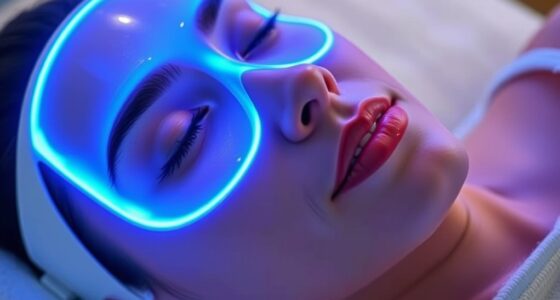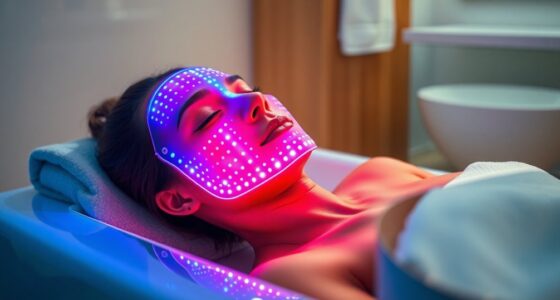
To understand acne-focused LED masks without the hype, focus on the facts: they use specific light colors—blue kills bacteria, red boosts circulation and collagen—to help improve skin. These devices aren’t magic cures but can support your skincare routine when used consistently and correctly. Results vary, and they work best for mild to moderate acne. If you keep exploring, you’ll discover how to maximize benefits safely and realistically.
Key Takeaways
- LED masks are effective as complementary treatments but are not a standalone cure for severe acne.
- Understanding specific wavelengths and their effects helps manage expectations and avoid hype.
- Consistent use and proper skincare routines are crucial for noticeable, long-term acne improvements.
- Safety standards and device quality are essential to prevent skin damage and ensure reliable results.
- Realistic outcomes depend on individual skin conditions and patience, not instant, dramatic changes.
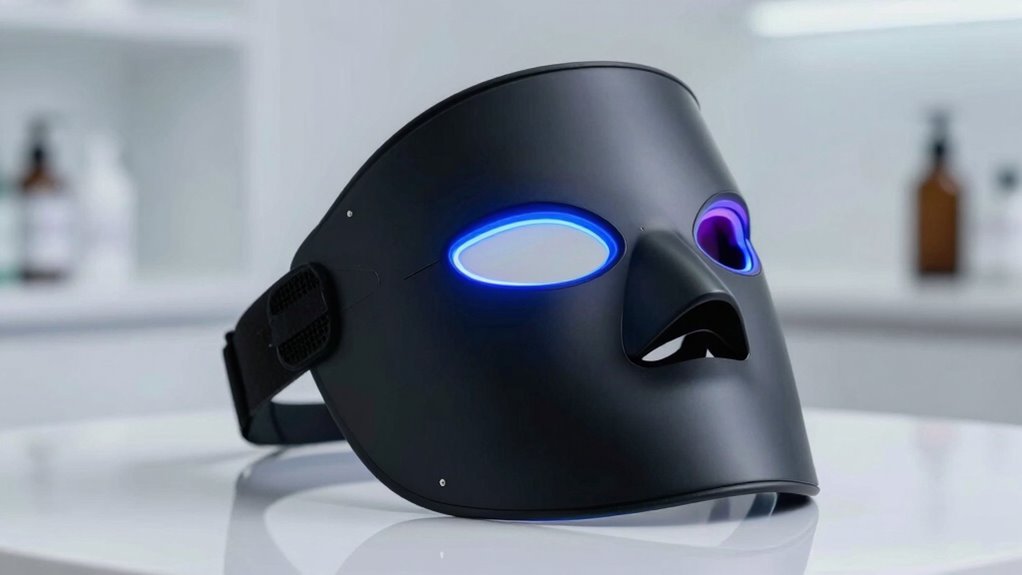
If you’re battling acne, LED masks designed specifically for skin clarity can be a game-changer. These devices use LED light therapy, a non-invasive treatment that targets problem areas with specific wavelengths of light to improve your skin’s health. While many brands tout their masks as miracle solutions, it’s essential to cut through the hype and understand what they actually do. The core idea behind these masks is that different colors of LED light can influence your skin in various ways, promoting skin rejuvenation and reducing inflammation. Blue light, for example, is often highlighted for its ability to kill acne-causing bacteria, while red light aims to boost circulation and encourage healing.
LED masks target acne with specific light wavelengths, promoting skin healing and reducing inflammation.
However, it’s important to recognize that LED light therapy isn’t a magic fix. It’s a complementary treatment that, when used consistently, can help manage mild to moderate acne and improve skin texture over time. Many users see reductions in breakouts and notice their skin feels smoother, but results vary based on individual skin types and conditions. The idea that a mask alone will clear up severe acne is a misconception. Instead, think of LED therapy as part of a broader skincare routine that includes proper cleansing, moisturization, and possibly topical treatments prescribed by a dermatologist.
Understanding the science behind skin rejuvenation with LED light therapy can help you make smarter choices. When you use an LED mask correctly, you’re leveraging light energy to stimulate cellular activity, increase collagen production, and reduce inflammation. These effects can lead to healthier, more resilient skin. But, don’t fall for exaggerated claims promising overnight results. Consistency is key, and patience is necessary to see noticeable improvements. Additionally, knowing the safety standards of these devices is crucial to avoid potential harm. Being aware of skin responses to LED light can help you identify any adverse effects early and ensure safe usage. Recognizing effective wavelengths can also guide you in selecting the right device for your specific skin concerns. Moreover, understanding the scientific principles behind light therapy can help in setting realistic expectations and maximizing benefits.
Many products on the market might seem similar, but not all are effective or safe. Look for masks that specify the wavelengths used and are tested for safety. The quality and reliability of the device can significantly influence your results and safety. The best LED masks are user-friendly, comfortable, and customizable for your skin’s needs. Remember, they are tools to support your skin’s health, not instant cures. If you’re considering incorporating an LED mask into your routine, do so with realistic expectations. Use it regularly, follow the manufacturer’s instructions, and combine it with other proven skincare practices.
As an affiliate, we earn on qualifying purchases.
Frequently Asked Questions
How Often Should I Use an Acne-Focused LED Mask?
You should use your acne-focused LED mask about 3 to 4 times a week for ideal results. Stick to a consistent skincare routine, and avoid overuse to prevent irritation. Pay attention to the product ingredients, choosing masks with safe, non-comedogenic components. This way, you’ll maximize benefits while minimizing skin stress. Always follow the manufacturer’s instructions and consult a dermatologist if you’re unsure about your skin’s reaction.
Are LED Masks Safe for Sensitive Skin Types?
Did you know over 60% of people with sensitive skin worry about product compatibility? LED masks are generally safe for sensitive skin if you choose devices designed for your skin type and start with shorter sessions. Always do a patch test first and consult a dermatologist. If you notice irritation, stop using the mask. Proper use helps guarantee safety and effectiveness for your skin sensitivity.
Can LED Masks Replace Traditional Acne Treatments?
LED masks can be a helpful alternative skincare treatment, but they shouldn’t completely replace traditional acne treatments. While they target specific skin issues like inflammation and bacteria, many treatment misconceptions exist, and LED therapy works best when combined with other methods prescribed by your dermatologist. You’ll likely see better results by using LED masks as a supplement rather than a standalone solution for acne management.
What Are the Long-Term Effects of Using LED Masks?
Long-term use of LED masks can lead to lasting improvements in skin pigmentation, but you should be cautious about potential side effects. Repeated exposure might cause eye safety concerns if not properly protected, so always wear goggles or keep your eyes closed. While most users experience safe results, prolonged use may cause skin dryness or irritation. Stay informed and follow guidelines to enjoy benefits safely over time.
Do LED Masks Work for Cystic or Hormonal Acne?
LED masks can help with cystic and hormonal acne by reducing inflammation and promoting healing. If hormonal fluctuations trigger cystic acne, consistent use might improve skin over time. However, LED masks aren’t a guaranteed fix and work best as part of a broader skincare routine. Keep in mind, results vary, and it’s smart to consult a dermatologist, especially if hormonal acne is severe or persistent.
Conclusion
Here’s a concise, engaging conclusion based on your instructions:
Don’t let the flashy lights and buzzwords fool you—these acne-focused LED masks are like shiny temptresses, promising much but delivering little without real care. Cut through the hype like a sharp knife and focus on what truly matters: consistent skincare and expert advice. Remember, the glow you seek isn’t from a mask alone but from patience and knowledge. Stay smart, stay radiant—your clear skin journey is more marathon than sprint.