
To follow a gentle LED therapy plan after a procedure, select a device with proven safety and FDA approval. Use it regularly, typically once a day for 10-15 minutes, ensuring you avoid overexposure and follow safety instructions. Incorporate good nutrition and stress management to support healing. Consistent, safe use can speed recovery, reduce inflammation, and promote healthier skin. Keep exploring to discover more tips for a smooth, effective healing journey.

Get wellness gear delivered free with Prime
- Fast, free delivery on millions of items
- Prime Video, Amazon Music and more included
- Member-only deals all year
Key Takeaways
- Use FDA-approved LED devices with customizable session durations to ensure safety and effectiveness during recovery.
- Schedule sessions daily for the first week, then gradually reduce frequency, following manufacturer or professional guidance.
- Maintain proper device hygiene and avoid overexposure to prevent skin irritation or adverse reactions.
- Combine LED therapy with good nutrition, stress management, and a suitable healing environment to enhance recovery.
- Protect your eyes with safety eyewear and monitor skin response, discontinuing use if irritation or discomfort occurs.
FDA approved LED light therapy device for skin recovery
As an affiliate, we earn on qualifying purchases.
As an affiliate, we earn on qualifying purchases.
How LED Light Therapy Helps You Recover After Procedures
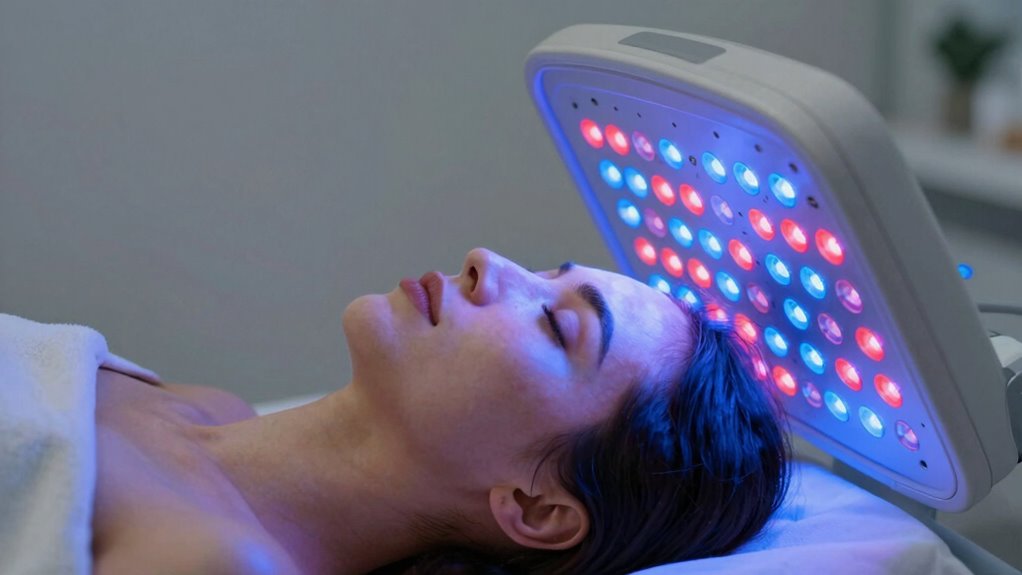
After a procedure, your body needs to heal efficiently, and LED light therapy can play a crucial role in speeding up that recovery process. The photorejuvenation benefits of LED therapy include reducing inflammation, promoting collagen production, and enhancing cell repair. Many people believe light therapy myths, like it being only for skin surface issues, but it actually penetrates deeper layers to support healing from within. By stimulating your cells with specific light wavelengths, LED therapy accelerates tissue regeneration and minimizes redness or swelling. This non-invasive treatment helps your body recover more quickly without harsh chemicals or downtime. An understanding of the light penetration properties of LED therapy can help you better appreciate how it supports deeper tissue healing. Recognizing the symbolism of clocks and time in light therapy can deepen your understanding of how it aligns with your body’s natural healing rhythms. Additionally, understanding the safety of household products used in LED therapy devices ensures you can use these treatments confidently at home. Moreover, knowing about the safety tips for household devices can help prevent potential hazards during treatment. Gaining insight into the scientific basis of light therapy can further enhance your confidence in its effectiveness and safety. Understanding the truth behind light therapy myths empowers you to use LED devices confidently, ensuring you get the most effective post-procedure recovery possible.
Choosing the Best LED Devices for Safe and Gentle Recovery
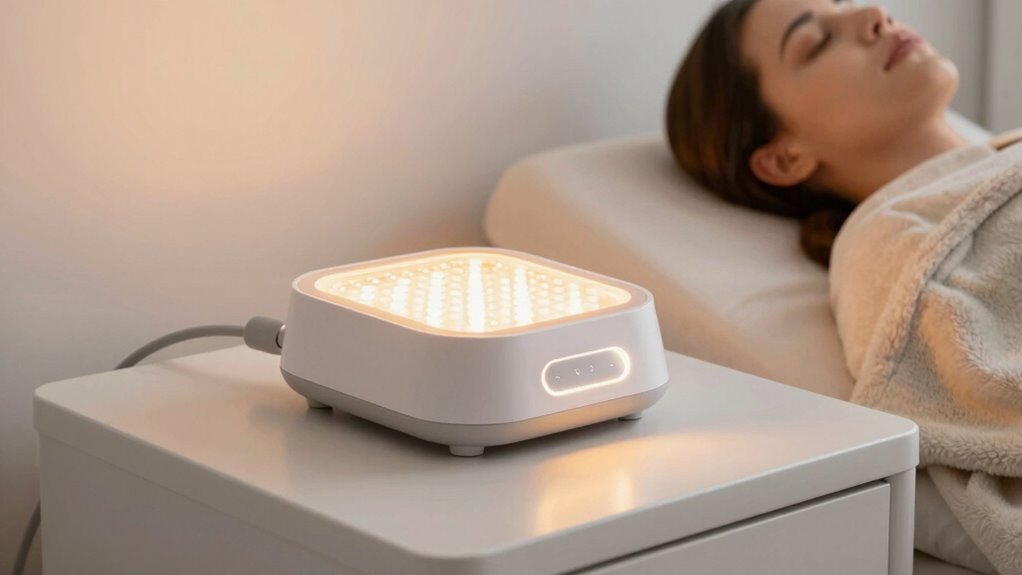
Selecting the right LED device is essential to guarantee a safe and gentle recovery after your procedure. You want a device with proven device safety, ensuring it delivers consistent and effective results without causing irritation or adverse reactions. Look for FDA-approved or clinically tested options to ensure reliability. Consider treatment duration; shorter, controlled sessions are typically safer and reduce the risk of overexposure. Choose a device that allows you to customize the session length, so you can follow recommended guidelines comfortably. Avoid devices with overly complex controls or unclear instructions, as improper use can compromise safety. Incorporating device safety standards into your selection process further enhances your confidence in the device’s reliability and safety. Paying attention to treatment protocols ensures that you follow the appropriate steps for optimal healing and minimal side effects. Additionally, selecting a device with clinically verified effectiveness can provide assurance of its performance for post-procedure healing. Being aware of regulatory approvals can also help you select a device that meets established safety benchmarks. Conducting thorough research into regional flavor profiles can sometimes reveal additional benefits or considerations relevant to your recovery environment. Ultimately, selecting a device designed for post-procedure healing helps you maximize benefits while minimizing risks, supporting a smooth and gentle recovery process.
When and How Often Should You Use LED Therapy?
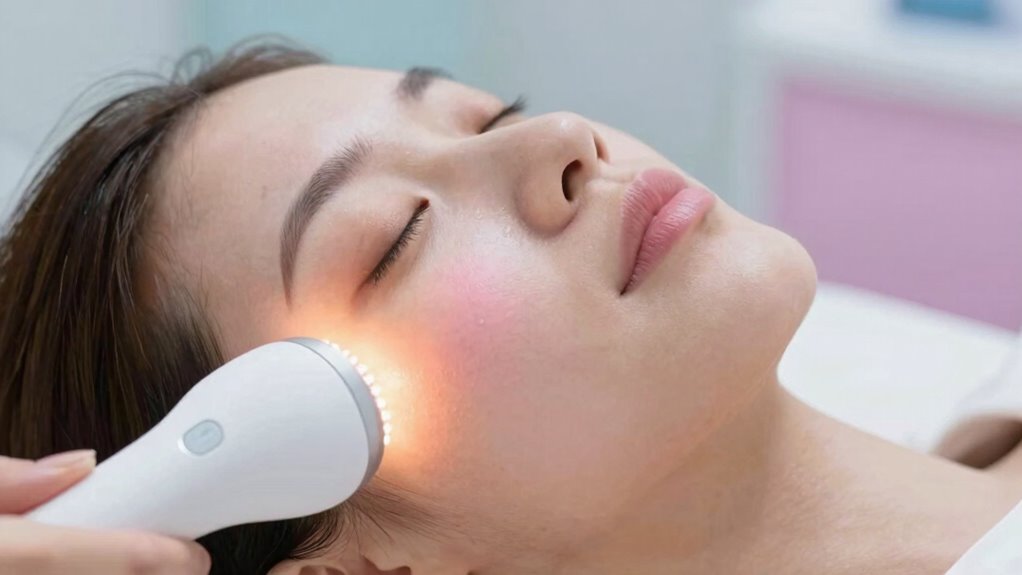
To get the best results from your LED therapy, it’s important to follow a clear schedule for when and how often to use your device. Ideal timing depends on your recovery stage, but generally, sessions should be spaced out to maximize healing without overdoing it. Stick to the recommended frequency guidelines provided by your device or healthcare provider. Incorporating natural pool filtration into your routine can also promote a soothing experience, making your recovery more enjoyable. Imagine your routine like this:
- Daily sessions for the first week post-procedure
- Every other day during early recovery
- Weekly check-ins to assess progress
- Short, 10-15 minute sessions per use
- Consistent timing, such as morning or evening, to build habit
Paying attention to light therapy protocols can help optimize your results and prevent overexposure. Understanding treatment schedules can help you stay on track and achieve better healing outcomes. Maintaining a positive mindset and trusting the process can enhance the overall effectiveness of your treatment.
Combining LED Therapy With Other Recovery Tips for Faster Healing
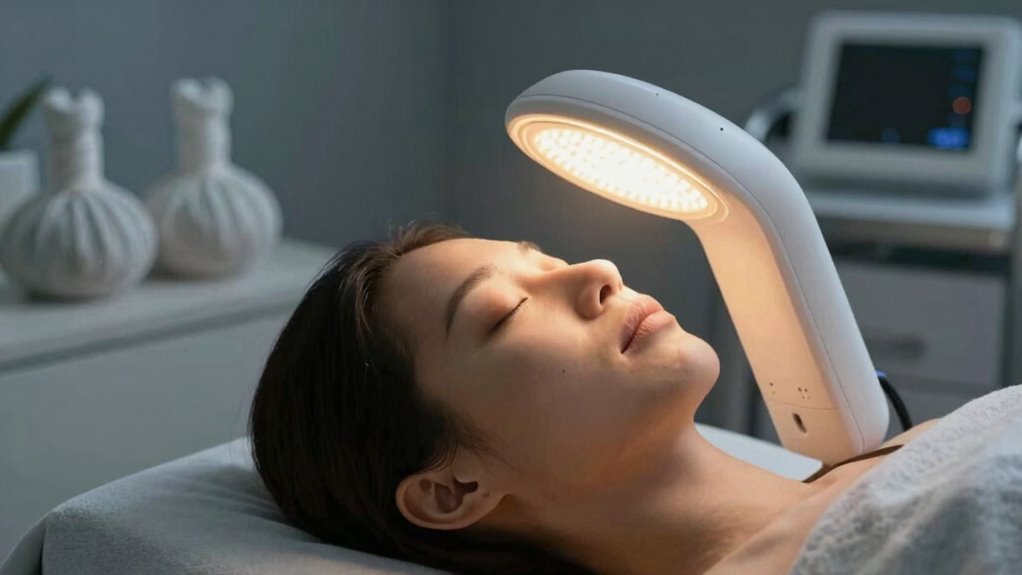
Combining LED therapy with other recovery strategies can substantially accelerate your healing process. Ensuring proper post procedure nutrition provides your body with essential nutrients to repair tissue and reduce inflammation. Focus on nourishing foods rich in vitamins, minerals, and antioxidants to support healing. Additionally, incorporating stress management techniques like deep breathing or meditation can lower cortisol levels, which may otherwise hinder recovery. Managing your stress helps your body focus energy on healing rather than on stress responses. When you combine these approaches with LED therapy, you create a holistic recovery plan that promotes faster, more efficient healing. Incorporating a proper recovery environment further optimizes your healing process. Creating an environment that minimizes external stressors and promotes relaxation can enhance your body’s natural healing mechanisms. Optimizing environmental factors such as indoor air quality and humidity levels can also support your recovery by reducing potential irritants. Incorporating recovery environment adjustments, such as optimal lighting, temperature, and comfort, can support your body’s natural healing mechanisms. Staying consistent with these strategies enhances your results and helps you feel better more quickly after your procedure.
What Can You Expect During Your LED Therapy Sessions?

During your LED therapy sessions, you’ll notice the process is simple and comfortable, making it easy to incorporate into your recovery routine. The treatment is gentle, with minimal skin sensitivity, so you won’t experience discomfort or irritation. Expect to sit or lie down comfortably while the LED device emits calming light. You might feel a warm sensation on your skin, but it’s typically not painful. The sessions usually last around 15-30 minutes, during which you can relax or listen to music. Proper device maintenance ensures consistent performance and safety throughout your treatment. Regular session scheduling can enhance your recovery results, making the process more effective. Maintaining a quiet environment during your sessions can help maximize relaxation and benefits. Additionally, following recommended safety protocols can further improve the effectiveness and safety of your LED therapy. Using the appropriate skin care can also help protect your skin and enhance treatment outcomes. Here’s what to expect:
- Gentle warmth on your skin
- No pain or discomfort
- Mild skin sensitivity afterward
- Quiet, relaxing environment
- No downtime needed after sessions
Safety Tips for Using LED Light Therapy at Home

While LED light therapy can be safely utilized at home, it’s important to follow certain safety tips to protect your skin and ensure effective treatment. Make sure to perform device maintenance regularly, cleaning the device according to the manufacturer’s instructions to prevent bacteria buildup. Always check your skin’s compatibility before starting, especially if you have sensitive or compromised skin. Start with shorter sessions and gradually increase duration as your skin adjusts. Avoid looking directly into the LED light and use protective eyewear if recommended. If you notice any redness, irritation, or discomfort, discontinue use and consult a healthcare professional. Understanding ethical considerations related to at-home treatments can help you make more informed decisions about your skincare routine. Additionally, familiarize yourself with the filtration and safety features of your device to ensure it functions properly during use. Following these safety tips helps you maximize benefits while minimizing risks during your at-home LED therapy routine.
How LED Therapy Accelerates Healing and Minimizes Side Effects

LED therapy speeds up the healing process by stimulating cellular activity and promoting tissue repair. Infrared penetration allows deeper tissue stimulation, accelerating recovery and reducing inflammation. It also encourages collagen stimulation, which helps improve skin elasticity and minimizes scars. As a result, side effects like redness and swelling are less likely to persist.
LED therapy accelerates healing by boosting cellular activity, reducing inflammation, and promoting collagen for smoother skin.
Imagine your skin responding with:
- Faster cell regeneration
- Reduced inflammation and discomfort
- Deeper tissue healing
- Improved skin texture and tone
- Minimized scarring and discoloration
These benefits work together to promote a smoother, quicker recovery while lowering the risk of complications. By harnessing infrared penetration and collagen stimulation, LED therapy offers a gentle yet effective way to support your post-procedure healing process.
Frequently Asked Questions
Can LED Therapy Be Customized for Individual Skin Types?
Yes, LED therapy can be tailored for your skin type. You should consider your skin sensitivity and choose the appropriate wavelength and intensity. Proper device calibration guarantees the treatment is safe and effective, reducing the risk of irritation. Consulting a professional helps customize the therapy to your specific skin needs, whether you have sensitive skin or more resilient skin, ensuring ideal recovery and skin health.
Are There Any Long-Term Risks Associated With LED Post-Procedure Recovery?
Long-term risks with LED post-procedure recovery are minimal, but you should watch for potential skin sensitivity. While LED therapy is generally safe, some individuals might experience redness or irritation that could persist. To guarantee long-term safety, follow your practitioner’s guidelines and avoid overuse. If you notice any adverse effects, consult your healthcare provider promptly. Overall, with proper care, LED therapy offers a safe, gentle recovery option.
How Does LED Therapy Compare to Other Light-Based Recovery Methods?
Light therapy, including LED, offers a gentle approach to skin rejuvenation and recovery that often has fewer side effects than other methods like laser treatments or chemical peels. You’ll find LED therapy to be non-invasive, with minimal downtime, making it ideal for post-procedure recovery. Compared to other light-based methods, LED is safer, more comfortable, and effective at stimulating healing, reducing inflammation, and promoting collagen production for healthier skin.
Is Professional Supervision Necessary for Effective LED Therapy at Home?
Did you know that over 60% of home LED therapy users see better results with professional guidance? Yes, professional supervision is essential for effective LED therapy at home. It helps guarantee safe home use, prevents potential mishaps, and optimizes recovery. Following expert advice guarantees you maintain home safety and achieve the best outcomes. Don’t skip professional guidance—it’s key to safely accessing LED therapy’s full benefits.
Can LED Therapy Be Integrated Into a Comprehensive Post-Procedure Skincare Routine?
Yes, you can integrate LED therapy into your post-procedure skincare routine. It helps strengthen your skin barrier and enhances product absorption, making your skincare more effective. Use LED sessions consistently alongside gentle cleansers, moisturizers, and barrier-repair products. Just make certain you follow your healthcare provider’s advice to avoid irritation, and incorporate LED therapy as a complementary step, boosting healing and overall skin health during recovery.
Conclusion
So, after all that, it’s clear LED therapy is your gentle, high-tech sidekick in recovery. Just remember, it’s not a magic wand—no matter how shiny those devices look. If you think you can skip the rest of your post-procedure routine and just stare at a light, think again. Use LED therapy wisely, follow the plan, and enjoy healing without turning your home into a futuristic tanning salon. Your skin will thank you—probably.
Halloween Picks
halloween
As an affiliate, we earn on qualifying purchases.