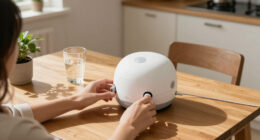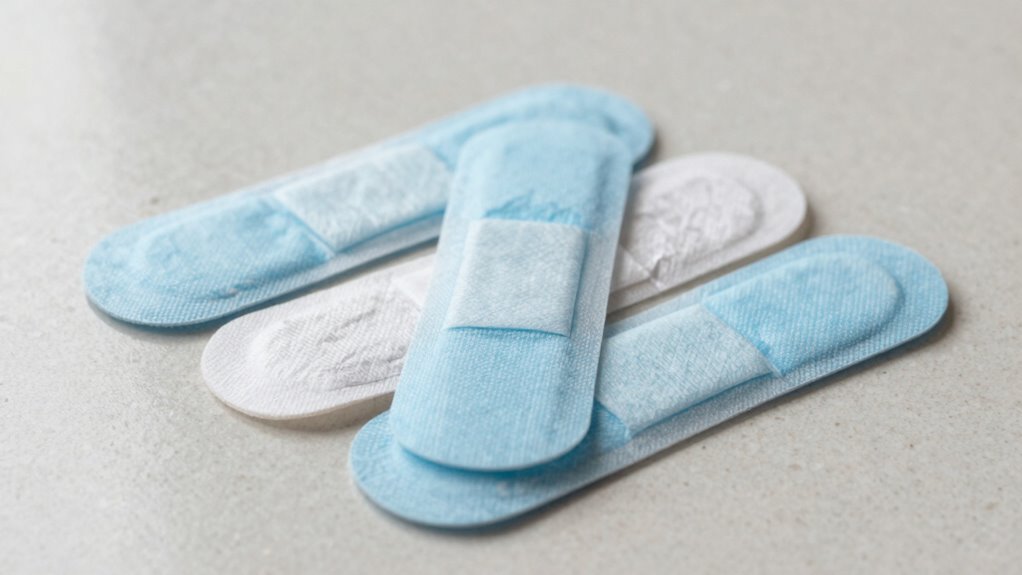

Simple pain pads still deserve a place in your home recovery because they offer effective protection and comfort without complicated features. They act as barriers against dirt, germs, and irritation, helping your wounds heal faster while reducing infection risks. Their lightweight, easy-to-use design encourages gentle movement, supporting circulation and overall recovery. These pads are practical for day and night use, making your healing process smoother. Discover how they can make your recovery easier by exploring further.

Get wellness gear delivered free with Prime
- Fast, free delivery on millions of items
- Prime Video, Amazon Music and more included
- Member-only deals all year
Key Takeaways
- They provide effective barrier protection, reducing infection risk around wounds without complex equipment.
- Their lightweight, adhesive design ensures comfort and ease of use during daily activities.
- Simple pain pads support gentle movement, promoting circulation and preventing stiffness during recovery.
- They are low-maintenance, reliable tools that complement home recovery routines without added complexity.
- These pads enhance overall comfort, encouraging active participation and aiding faster healing.
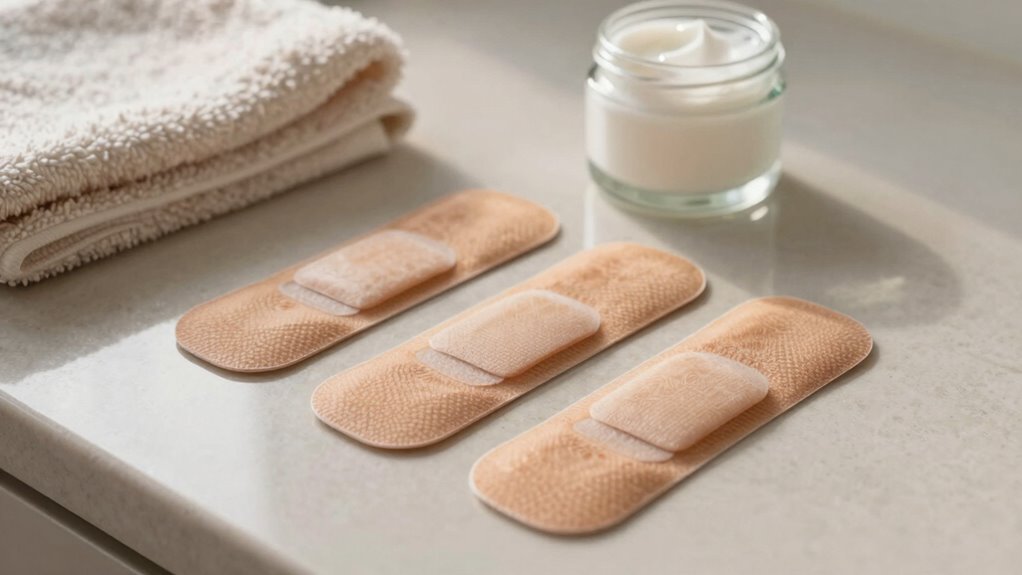
When you’re recovering at home from an injury or surgery, managing pain becomes a top priority. Pain pads are simple tools that can play a surprisingly essential role in your recovery process. They’re unobtrusive, easy to use, and can markedly improve your comfort. While advanced medical devices often steal the spotlight, don’t overlook the power of these straightforward solutions. They can help you stay comfortable without complicating your recovery routine, making it easier to focus on healing.
One of the key benefits of pain pads is their role in infection prevention. When applied correctly, they can protect sensitive skin areas from irritation or infection, especially if you’re dealing with wounds, stitches, or surgical sites. Keeping these areas protected reduces the risk of bacteria entering your body, which is critical for a smooth healing process. Pain pads act as a barrier, preventing dirt and germs from settling into open wounds or irritated skin, which is especially important when you’re not in a clinical setting where strict sterilization procedures are followed. Biodiversity in the environment can also influence the presence of bacteria and germs, emphasizing the importance of maintaining a clean and protected healing area. Incorporating hygienic practices into your routine can further enhance your recovery environment. Additionally, understanding how environmental factors impact bacterial growth can help you better protect your healing wounds. Maintaining a clean environment is crucial, as bacterial presence can vary depending on these conditions. Being aware of environmental conditions can help you adjust your cleaning routine for optimal wound care.
Pain pads help protect wounds from dirt and germs, reducing infection risk during recovery at home.
Beyond infection prevention, pain pads also contribute to mobility enhancement. Pain often limits your ability to move comfortably, which can slow down your recovery. When pain is managed effectively, you’re more likely to stay active within your limits. Pain pads help dull the discomfort that might otherwise discourage movement, encouraging you to move safely and gradually regain your strength. This active participation in your recovery is essential, as it promotes circulation and prevents stiffness or muscle atrophy, both of which can delay healing. With less pain holding you back, you’re more inclined to perform gentle exercises or walk around your home, boosting your overall recovery progress.
Using pain pads is straightforward—they’re lightweight, adhesive, and designed to be worn comfortably throughout the day or night. They can be easily replaced as needed, ensuring continuous relief and protection. Their simplicity also means there’s little to go wrong, unlike more complex devices that require maintenance or calibration. This makes pain pads a dependable, low-maintenance option to keep in your home recovery kit.
In essence, pain pads deserve a place in your recovery because they serve dual purposes: preventing infection and enhancing mobility. Their simplicity makes them accessible to everyone, regardless of age or tech-savviness, and their benefits directly support your healing journey. As you focus on rest and gradual activity, these small, effective tools help you recover safely, comfortably, and efficiently.
As an affiliate, we earn on qualifying purchases.
Frequently Asked Questions
Are Pain Pads Safe for Children and Seniors?
Yes, pain pads can be safe for children and seniors when used properly, but you should always prioritize children safety and address senior concerns. Always choose age-appropriate products and follow the manufacturer’s instructions carefully. For children, avoid strong adhesives and guarantee the pain pad doesn’t cause skin irritation. For seniors, check for skin sensitivity and avoid prolonged use. Consulting a healthcare professional is always recommended for personalized advice.
How Long Can I Use a Pain Pad at a Time?
You can typically use a pain pad for up to 15-20 minutes at a time, according to usage guidelines. Don’t turn it into a marathon session—unless you enjoy the thrill of overstimulation! Overuse can cause skin irritation or reduce effectiveness. Always follow the duration limits, and if pain persists, consult a healthcare professional. Remember, moderation is key—your skin will thank you.
Can Pain Pads Be Reused Multiple Times?
Pain pads generally aren’t designed for multiple uses because their durability decreases after initial application. Reuse guidelines usually recommend discarding the pad after one session to guarantee safety and effectiveness. If you attempt to reuse, you risk reduced pain relief and potential skin irritation. To get the best results, follow the manufacturer’s instructions on pain pad durability and disposal, and always prioritize your safety during home recovery.
Do Pain Pads Interfere With Other Medications?
Pain pads generally don’t interfere with other medications, but they can affect topical absorption, potentially altering how your skin absorbs medications nearby. If you’re using other topical treatments or have medication interactions to worry about, it’s best to consult your healthcare provider. They can advise you on safe application times and any possible risks, ensuring your pain relief method works effectively without interfering with your other medications.
Are There Any Allergies Associated With Pain Pad Adhesives?
Yes, some people experience allergies to pain pad adhesives, leading to skin irritation. If you have a history of adhesive allergies or sensitive skin, it’s wise to test a small area first. Look out for redness, itching, or swelling. Choosing hypoallergenic or latex-free pain pads can help reduce the risk of allergic reactions. Always read the packaging and consult your healthcare provider if you’re unsure about allergies.
Conclusion
So, next time you’re tempted to ditch those simple pain pads, remember—they might just be your unsung heroes, quietly doing their job while high-tech gadgets gather dust. In the world of home recovery, sometimes the simplest solutions are the most reliable. It’s ironic how these humble pads, often overlooked, can turn the tide of pain relief—proving that in the race for innovation, simplicity still wins the day. Keep it simple, keep it effective.
Halloween Picks
halloween
As an affiliate, we earn on qualifying purchases.