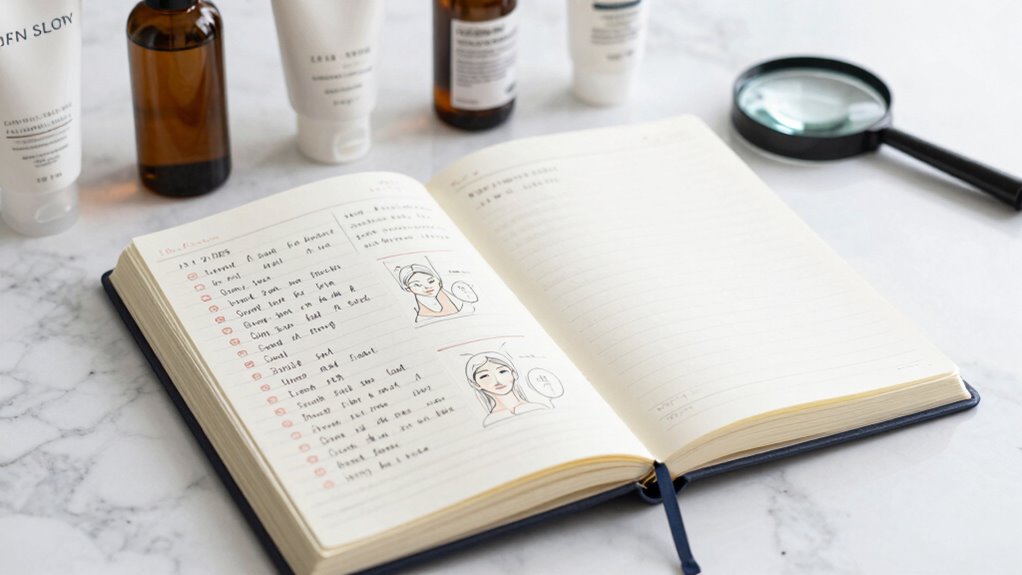

When starting a new skincare tool, you should track how your skin reacts, noting any redness, irritation, or dryness. Record changes in skin texture, brightness, or pore size to see if it improves over time. Keep an eye on external factors like weather or sun exposure that might influence results. Also note any sudden sensations like tingling or burning. Paying attention to these details helps you understand if the tool’s right for you and what adjustments to make. Keep exploring to learn more about optimizing your routine.
Open a free Amazon Business account
Business pricing, bulk buying and tax-exempt orders.
As an affiliate, we earn on qualifying purchases.
Key Takeaways
- Record immediate skin reactions or discomfort after using the new tool.
- Note changes in skin texture, tone, or appearance over time.
- Track any irritation, redness, or dryness caused by the tool.
- Observe if the tool improves skin clarity, brightness, or smoothness.
- Document how your skin responds to different settings or usage frequency.
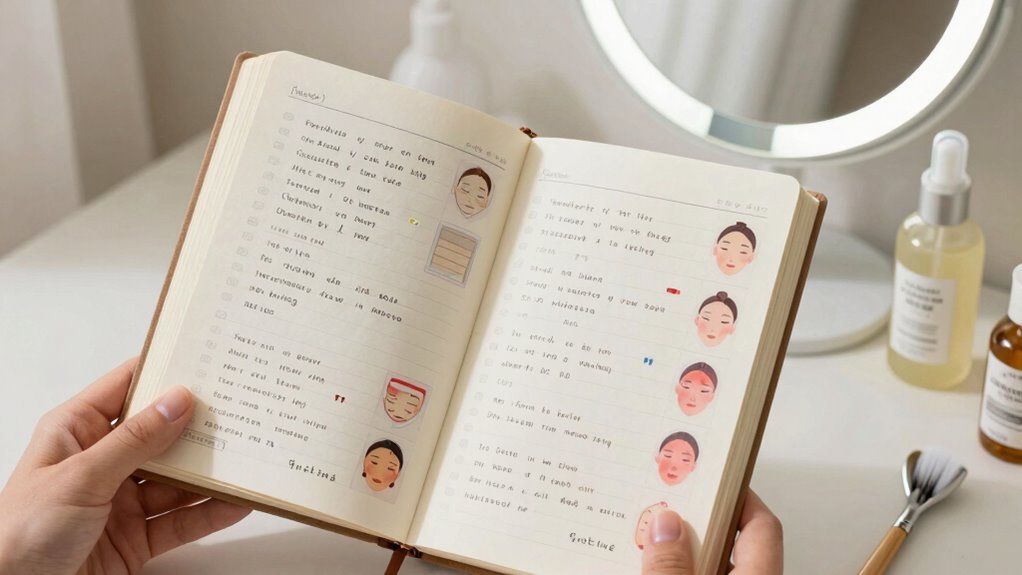
Keeping a skin diary can be a game-changer for understanding your skin’s unique needs. When you start a new skincare tool or routine, tracking specific details can help you see what truly works and what doesn’t. One of the first things to note is ingredient effects. Different ingredients impact your skin in various ways—some hydrate, others exfoliate, and some can cause irritation. By recording how your skin reacts after using a product with a particular ingredient, you can identify which ones benefit you and which to avoid. For example, if you notice redness or dryness after applying products with alcohol or certain acids, you’ll know to cut back or look for gentler alternatives. Conversely, if your skin becomes more plump and radiant after using hyaluronic acid, that’s a clear sign it’s a good fit.
Weather impact is another essential aspect to track. Changes in temperature, humidity, and sunlight can profoundly influence your skin’s condition and how your products perform. During colder months, your skin might feel drier or become more sensitive, so you’ll want to adjust your routine accordingly. When it’s hot and humid, your skin may produce more oil, leading to breakouts or increased shine. By noting weather patterns alongside your skin’s response, you can tailor your skincare to match environmental conditions. If you notice that your moisturizer isn’t enough in winter but works well in summer, you’ll learn to switch up your products seasonally. Additionally, tracking sun exposure helps you recognize if your skin is reacting with increased pigmentation or irritation, prompting you to incorporate more SPF or protective measures.
Beyond ingredient effects and weather impact, it’s helpful to keep tabs on your overall skin condition — whether it’s oily, dry, sensitive, or prone to breakouts. Documenting how your skin feels and looks daily provides a complete picture of your skin’s health. Pay attention to any new sensations like tingling or burning, as these can signal reactions to new products or environmental factors. Also, note any changes in skin texture, pore size, or discoloration. This detailed record can reveal patterns or triggers you might not notice otherwise, empowering you to make informed decisions about your skincare. Tracking environmental influences can help you better understand how climate variations affect your skin’s needs. Incorporating consistent tracking can also help you identify subtle changes or improvements over time. In addition, understanding how external factors influence your skin can guide you in choosing the most suitable products. By consistently tracking these elements, your skin diary becomes an invaluable tool to optimize your routine, ensuring you treat your skin with the care it needs based on real, observed responses.
As an affiliate, we earn on qualifying purchases.
Frequently Asked Questions
How Often Should I Update My Skin Diary?
You should update your skin diary daily or after each product application to effectively monitor skin improvement and identify any product reactions. Consistent updates help you notice patterns, such as redness, dryness, or breakouts, and adjust your routine accordingly. Regular tracking also guarantees you stay aware of how your skin responds over time, making it easier to optimize your skincare routine for healthier, clearer skin.
Can I Use Digital Tools Instead of a Paper Diary?
Picture your skin journey as a vibrant garden. Digital tracking acts like a smart sprinkler system, watering insights with ease, while paper alternatives are your trusty garden journal, full of personal touches. You can definitely use digital tools instead of a paper diary—they offer convenience, quick updates, and visual charts. Choose what feels best for you, ensuring your skin’s story is captured clearly, helping you notice trends and improvements over time.
What Specific Skin Changes Should I Document?
You should document changes in hydration levels, noting if your skin feels more plump or dry. Track any product reactions like redness, irritation, or breakouts. Observe shifts in skin texture, oiliness, and brightness. Record how your skin responds to different ingredients or routines, noting improvements or setbacks. This way, you’ll identify what works best and how your skin reacts, helping you tailor your skincare routine effectively.
Should I Include Dietary or Lifestyle Factors in My Diary?
Yes, you should include dietary and lifestyle factors in your skin diary. Tracking your diet consistency helps identify if certain foods trigger breakouts or dryness. Recording lifestyle habits like sleep, stress, and skincare routines gives insight into their impact on your skin. By noting these details, you can better understand patterns and make informed adjustments to improve your skin’s health over time.
How Long Should I Track My Skin Before Evaluating Results?
You should track your skin for at least 4 to 6 weeks before evaluating results, allowing for long-term observation and seasonal variations. This timeframe helps you see consistent patterns and the effects of your new tool. Keep in mind that skin changes can take time, so patience is key. By monitoring over several weeks, you’ll gain a clearer understanding of how your skin responds and adapt your routine accordingly.
Conclusion
Keep up with your skin diary consistently, like a trusted map guiding your journey. Tracking your skin’s responses helps you spot patterns and understand what truly works for you. Remember, patience is key—like waiting for a flower to bloom, results take time. Stay attentive to changes, no matter how small, and adjust your routine accordingly. Your skin’s story is unique, and with diligent tracking, you’ll uncover the best path to radiant, healthy skin.
Fall Picks
fall essentials
As an affiliate, we earn on qualifying purchases.